
Keeping your toilet clean is one of the most important parts of maintaining a healthy and hygienic home.
While commercial toilet bowl cleaners can be effective, many of them contain harsh chemicals that may irritate the skin, trigger allergies, and release strong fumes into your bathroom.
In addition, store bought cleaners can become expensive over time, especially for large families who clean their bathrooms frequently.
This is why more homeowners are turning to DIY toilet bowl cleaners. Homemade toilet bowl cleaners are affordable, easy to make, environmentally friendly, and surprisingly effective when made with the right ingredients.
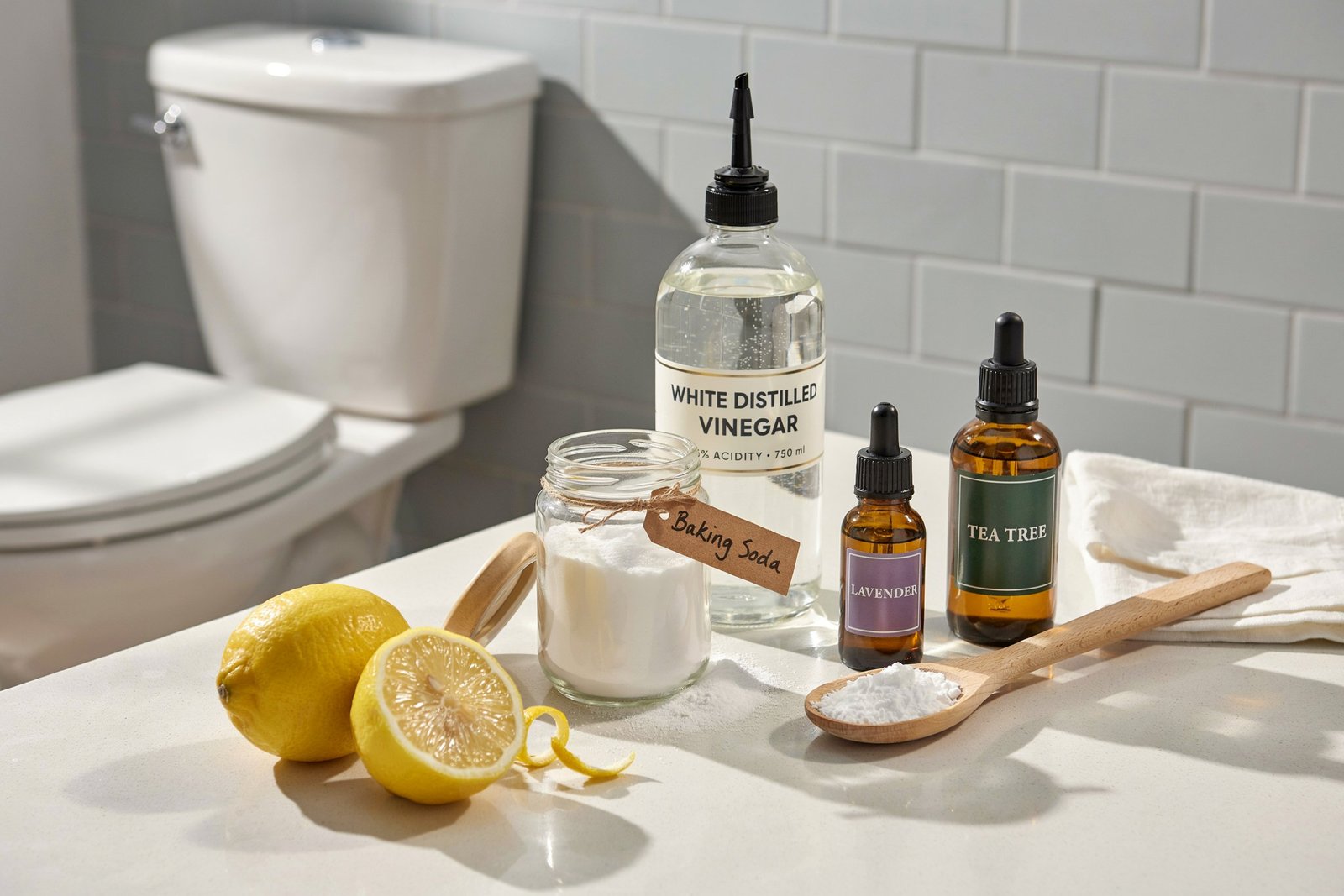
Most DIY toilet cleaning recipes use common household items that you probably already have in your kitchen or laundry room.
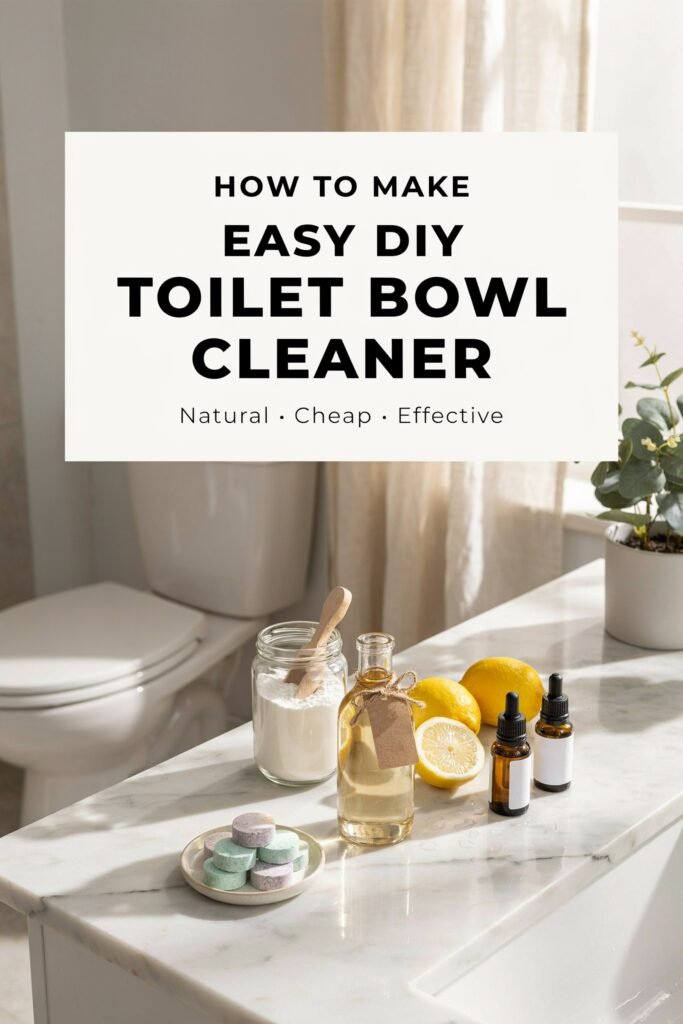
Whether you are trying to save money, reduce your exposure to chemicals, embrace a greener lifestyle, or simply enjoy making your own cleaning products, learning how to make easy DIY toilet bowl cleaner can transform your cleaning routine.
In this complete guide, you will discover several homemade toilet bowl cleaner recipes, step by step instructions for each cleaner, the benefits of natural ingredients, common mistakes to avoid, cleaning tips from experts, and answers to frequently asked questions.
By the end of this article, you will have everything you need to keep your toilet fresh, clean, and odor free without relying on expensive commercial products.
Why Choose a DIY Toilet Bowl Cleaner?

Many people are surprised to learn that some of the most powerful cleaning ingredients are already sitting in their homes.
Natural cleaning products often work just as well as store bought cleaners when used correctly.
Some benefits of making your own toilet bowl cleaner include:
Saves Money
Commercial toilet cleaners can cost a significant amount throughout the year.
Homemade alternatives use inexpensive ingredients that can clean dozens of toilets for a fraction of the cost.
Reduces Chemical Exposure
Many traditional toilet cleaners contain chlorine bleach, synthetic fragrances, dyes, and other chemicals.
Homemade cleaners allow you to control exactly what goes into your cleaning products.
Environmentally Friendly
Natural ingredients break down more easily in the environment and reduce chemical runoff that can affect waterways and wildlife.
Easy to Make
Most recipes take only a few minutes to prepare and require no special equipment.
Customizable
You can adjust scents and cleaning strength according to your preferences.
Essential Ingredients for Homemade Toilet Bowl Cleaners
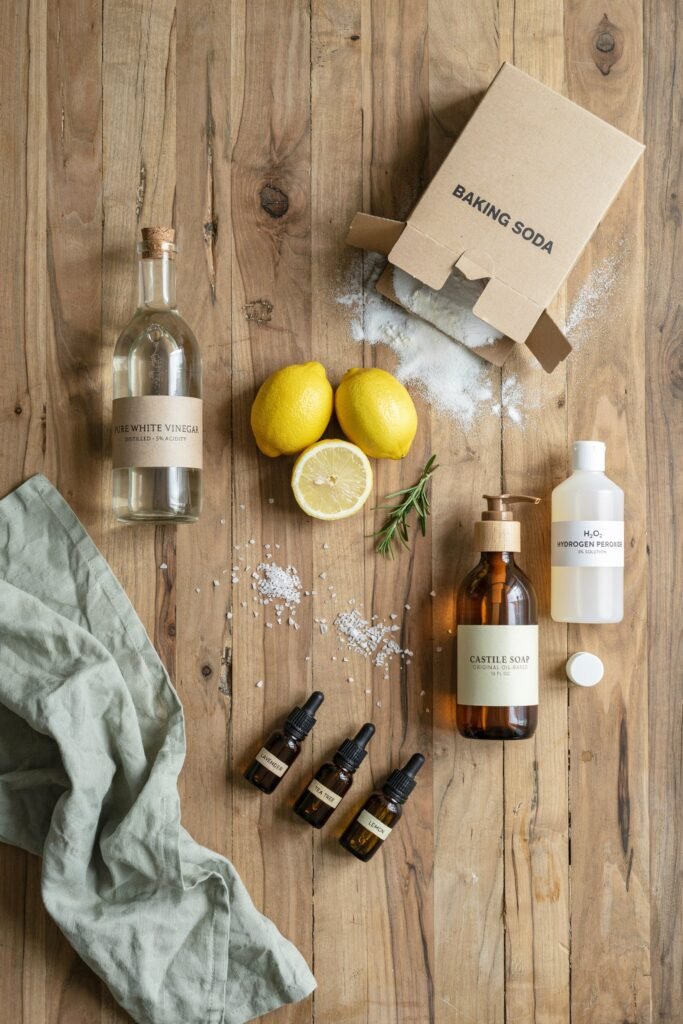
Before exploring specific recipes, it helps to understand why certain ingredients work so well.
Baking Soda
Baking soda is one of the most versatile cleaning agents available. It helps remove stains, neutralize odors, and gently scrub away buildup without scratching surfaces.
Benefits include:
- Deodorizes naturally
- Removes light stains
- Safe for septic systems
- Affordable and widely available
White Vinegar
White vinegar contains acetic acid, which helps dissolve mineral deposits, hard water stains, and soap scum.
Benefits include:
- Cuts through buildup
- Eliminates unpleasant odors
- Helps kill certain bacteria
- Natural and inexpensive
Castile Soap
Castile soap is a plant based soap that helps lift dirt and grime from surfaces.
Benefits include:
- Gentle yet effective
- Biodegradable
- Available in multiple scents
- Safe for many cleaning applications
Hydrogen Peroxide
Hydrogen peroxide is known for its disinfecting and stain removing properties.
Benefits include:
- Brightens surfaces
- Helps eliminate germs
- Removes organic stains
- Affordable and easy to find
Essential Oils
Essential oils can add pleasant scents and provide additional cleaning benefits.
Popular choices include:
- Tea tree oil
- Lemon oil
- Lavender oil
- Peppermint oil
- Eucalyptus oil
DIY Toilet Bowl Cleaner Recipe Number One
Baking Soda and Vinegar Toilet Bowl Cleaner
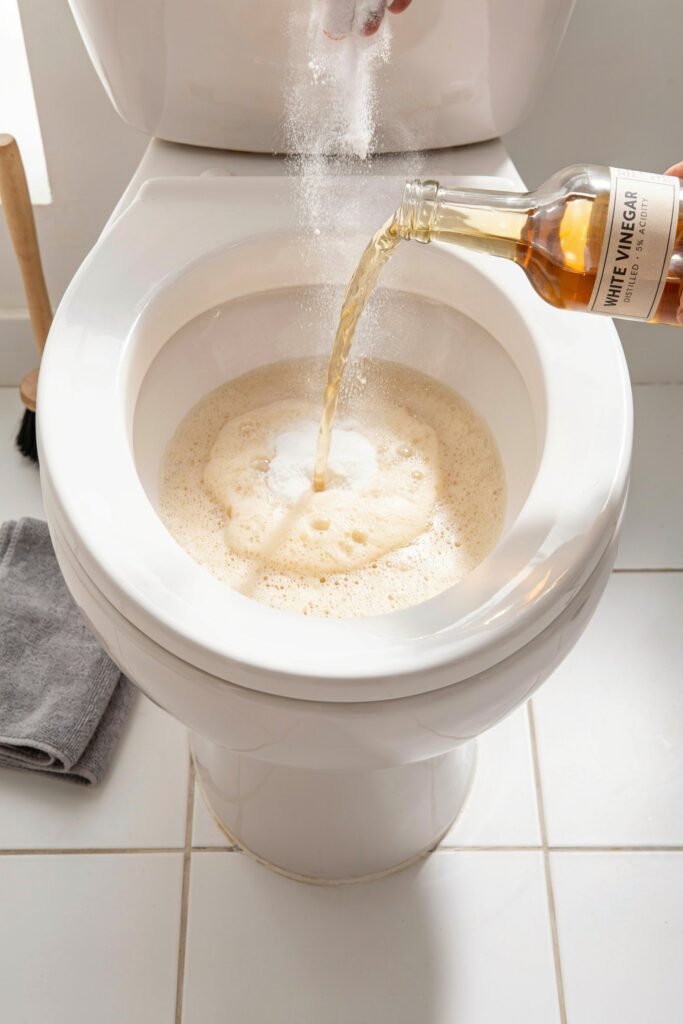
This is perhaps the most popular homemade toilet bowl cleaner because it uses ingredients found in almost every household.
Ingredients
- 1 cup baking soda
- 2 cups white vinegar
- 10 drops lemon essential oil
Instructions
- Step 1
- Pour the baking soda directly into the toilet bowl.
- Step 2
- Slowly add the white vinegar. The mixture will fizz immediately.
- Step 3
- Add the lemon essential oil.
- Step 4
- Allow the solution to sit for 15 to 20 minutes.
- Step 5
- Use a toilet brush to scrub all areas of the bowl, paying extra attention to stains and water lines.
- Step 6
- Flush the toilet thoroughly.
Why This Recipe Works
The baking soda helps loosen grime while the vinegar breaks down mineral deposits and hard water stains. The lemon oil leaves a fresh scent and provides additional cleaning power.
DIY Toilet Bowl Cleaner Recipe Number Two
Deep Cleaning Hydrogen Peroxide Formula
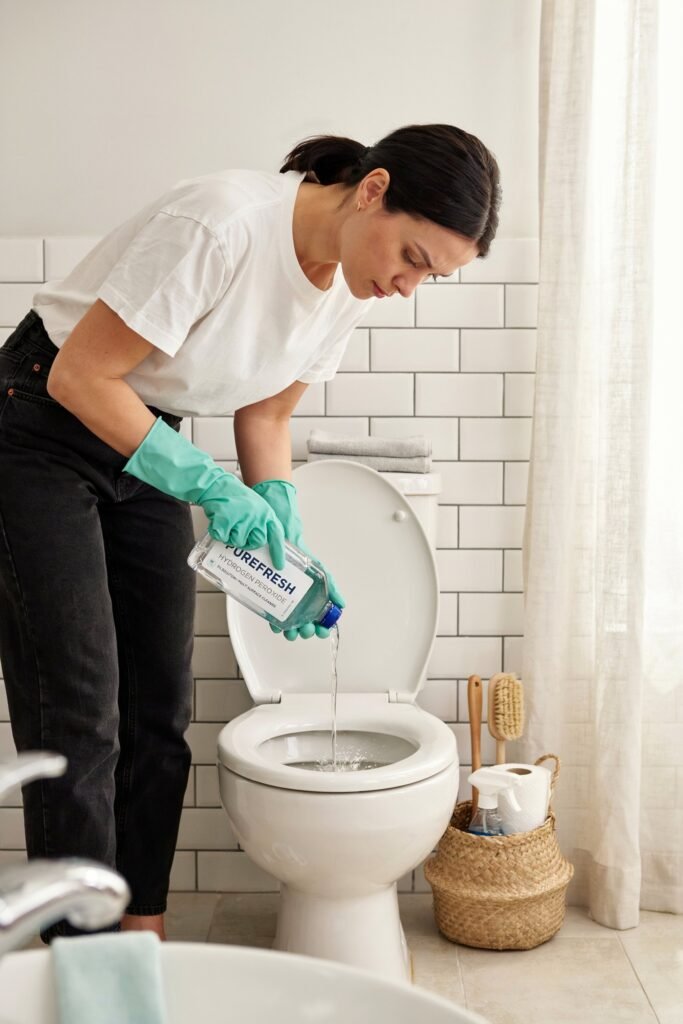
This recipe is ideal for toilets with stubborn stains or discoloration.
Ingredients
- 1 cup hydrogen peroxide
- 1 tablespoon liquid Castile soap
- 15 drops tea tree essential oil
Instructions
- Step 1
- Pour the hydrogen peroxide directly into the toilet bowl.
- Step 2
- Add the Castile soap.
- Step 3
- Add tea tree essential oil.
- Step 4
- Allow the mixture to remain in the bowl for at least 30 minutes.
- Step 5
- Scrub thoroughly using a toilet brush.
- Step 6
- Flush completely.
Why This Recipe Works
Hydrogen peroxide helps break down stains while tea tree oil contributes natural deodorizing properties. Castile soap lifts dirt and residue from surfaces.
DIY Toilet Bowl Cleaner Recipe Number Three
Fresh Citrus Toilet Cleaner
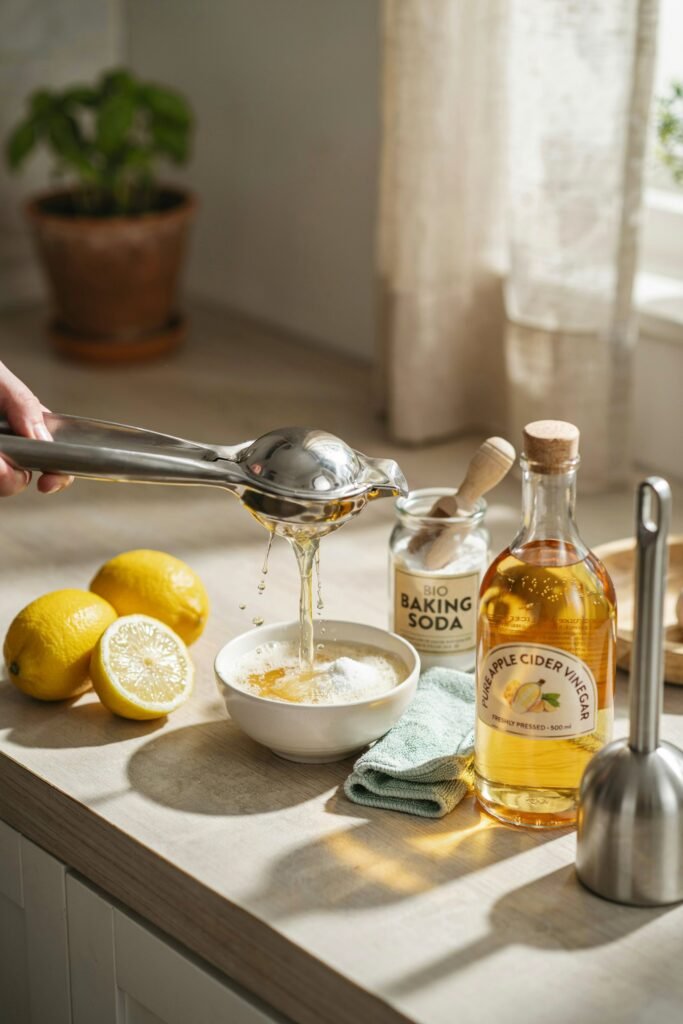
If you prefer a naturally fresh scent, this recipe is an excellent choice.
Ingredients
- 1 cup white vinegar
- Juice from one lemon
- 1 half cup baking soda
Instructions
- Step 1
- Pour vinegar into the toilet bowl.
- Step 2
- Add freshly squeezed lemon juice.
- Step 3
- Sprinkle baking soda around the bowl.
- Step 4
- Allow the mixture to sit for 20 minutes.
- Step 5
- Scrub all surfaces thoroughly.
- Step 6
- Flush the toilet.
Benefits
The natural acids found in lemons help dissolve stains while providing a clean citrus aroma that many people prefer over artificial fragrances.
DIY Toilet Bowl Cleaner Recipe Number Four
Heavy Duty Hard Water Stain Remover
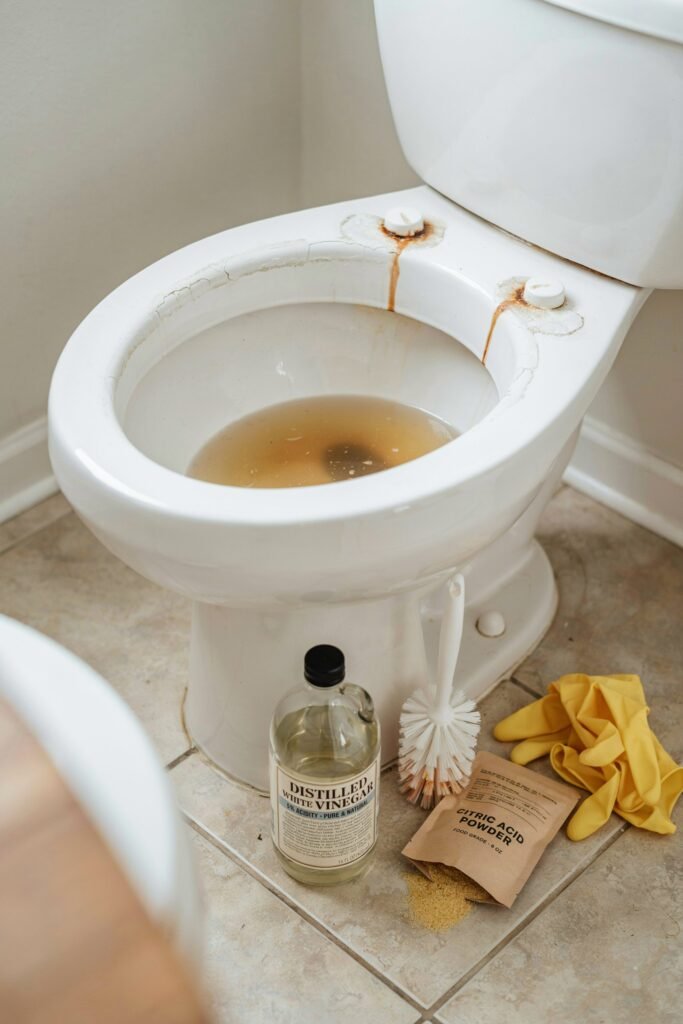
Hard water stains can be difficult to remove, especially in areas with mineral rich water.
Ingredients
- 2 cups white vinegar
- 1 cup baking soda
- 1 tablespoon citric acid
Instructions
- Step 1
- Turn off the water supply to the toilet if possible.
- Step 2
- Remove as much water from the bowl as you can.
- Step 3
- Pour vinegar into the bowl.
- Step 4
- Sprinkle citric acid over stained areas.
- Step 5
- Add baking soda.
- Step 6
- Allow the mixture to sit for one hour.
- Step 7
- Scrub vigorously.
- Step 8
- Restore water supply and flush.
Why It Works
Citric acid is particularly effective at dissolving mineral deposits, making this recipe one of the best options for hard water problems.
DIY Toilet Bowl Cleaner Tablets
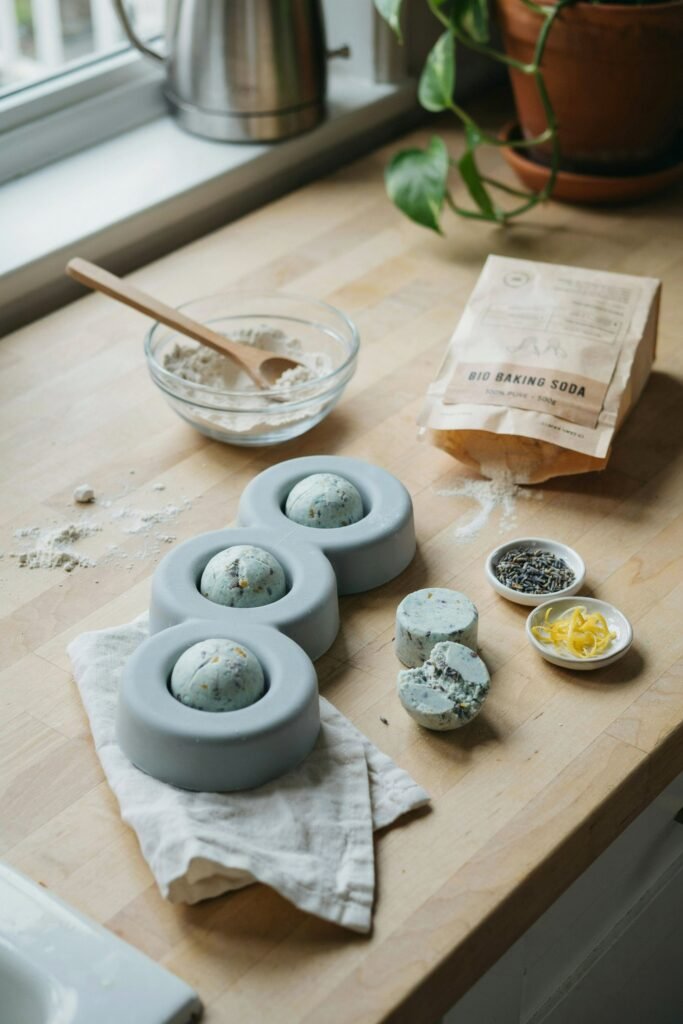
Homemade toilet cleaning tablets provide convenient cleaning whenever needed.
Ingredients
- 1 cup baking soda
- 1 fourth cup citric acid
- 1 tablespoon water
- 20 drops essential oil
Instructions
- Step 1
- Combine baking soda and citric acid in a mixing bowl.
- Step 2
- Slowly add water while stirring continuously.
- Step 3
- Add essential oils.
- Step 4
- Press the mixture into silicone molds.
- Step 5
- Allow tablets to dry overnight.
- Step 6
- Store in an airtight container.
How to Use
Drop one tablet into the toilet bowl.
Allow it to fizz for 15 minutes.
Scrub and flush.
Common Toilet Bowl Stains and How to Remove Them
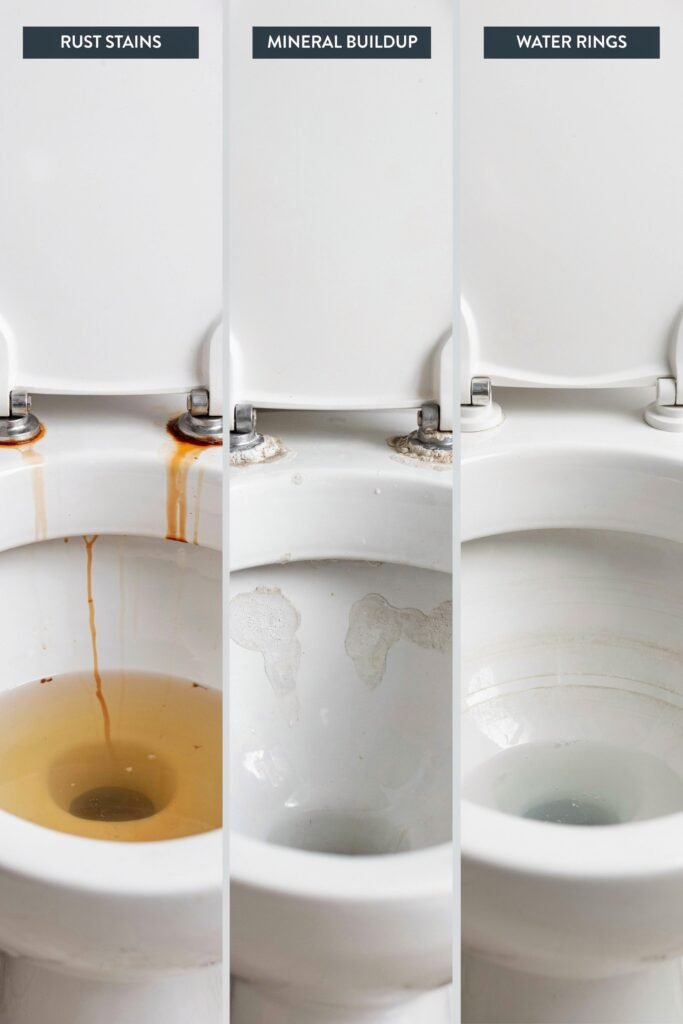
Rust Stains
Rust stains often appear as reddish brown marks around the water line.
The best homemade solution includes vinegar and citric acid because both ingredients help dissolve rust deposits naturally.
Hard Water Deposits
Mineral buildup can leave white, gray, or brown rings inside the toilet bowl.
Regular treatments using vinegar can significantly reduce accumulation and make future cleaning easier.
Mold and Mildew
Bathrooms create humid environments that encourage mold growth.
Hydrogen peroxide based cleaners are often effective for tackling mold related stains and odors.
Preventing Toilet Bowl Stains Before They Start
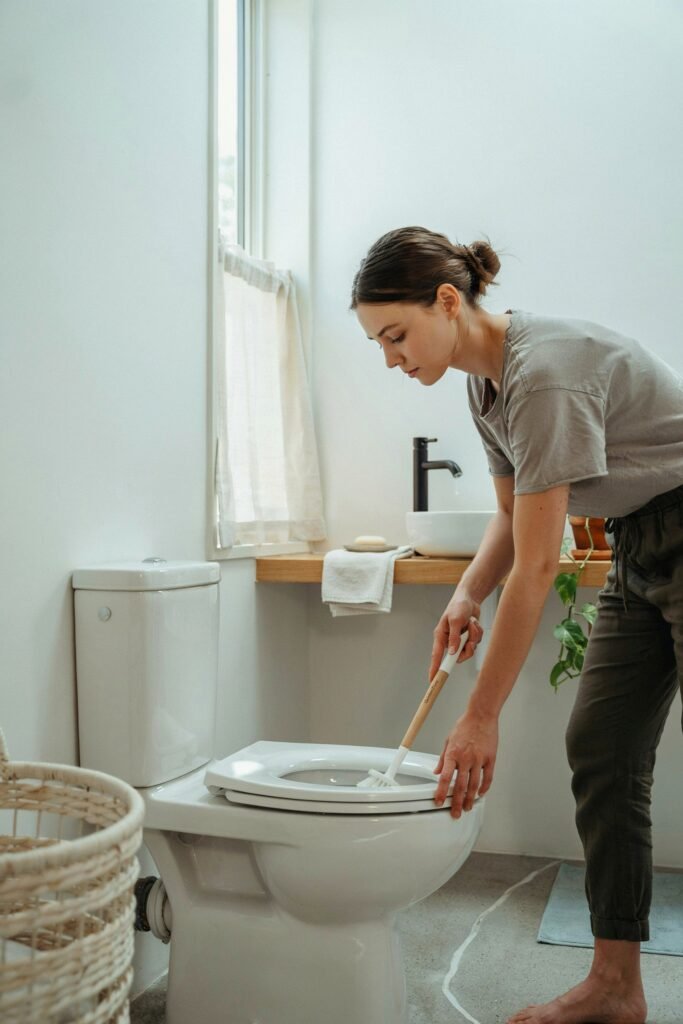
Cleaning a toilet is much easier when stains are prevented from developing in the first place.
Consistent maintenance can save time and reduce the need for heavy scrubbing.
Flush Regularly
Toilets that are used infrequently can develop mineral deposits, bacteria buildup, and unpleasant odors.
Flushing regularly helps keep water moving and reduces staining.
Clean Weekly
A quick weekly cleaning with a homemade toilet bowl cleaner can prevent stubborn stains from forming.
Address Hard Water Problems
If your home has hard water, consider using vinegar treatments every week.
Regular descaling helps prevent mineral deposits from becoming difficult to remove.
Keep the Bathroom Ventilated
Proper airflow reduces moisture levels and discourages mold and mildew growth.
Fix Leaks Promptly
Leaking toilets can create mineral rings and stains that become increasingly difficult to remove over time.
How Often Should You Clean Your Toilet?
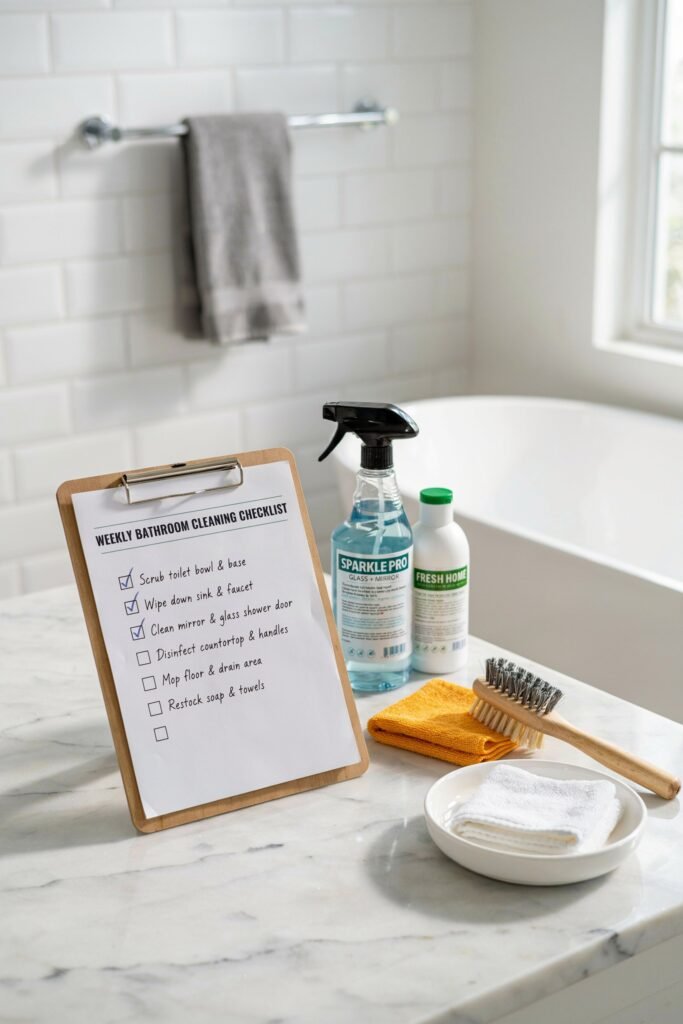
The ideal cleaning schedule depends on household size and usage.
Single Person Household
Clean at least once every week.
Small Family Household
Clean two times per week.
Large Family Household
Clean every two to three days to maintain hygiene and freshness.
Guest Bathrooms
Clean at least once every two weeks, even if the bathroom is rarely used.
Best Essential Oils for DIY Toilet Bowl Cleaners
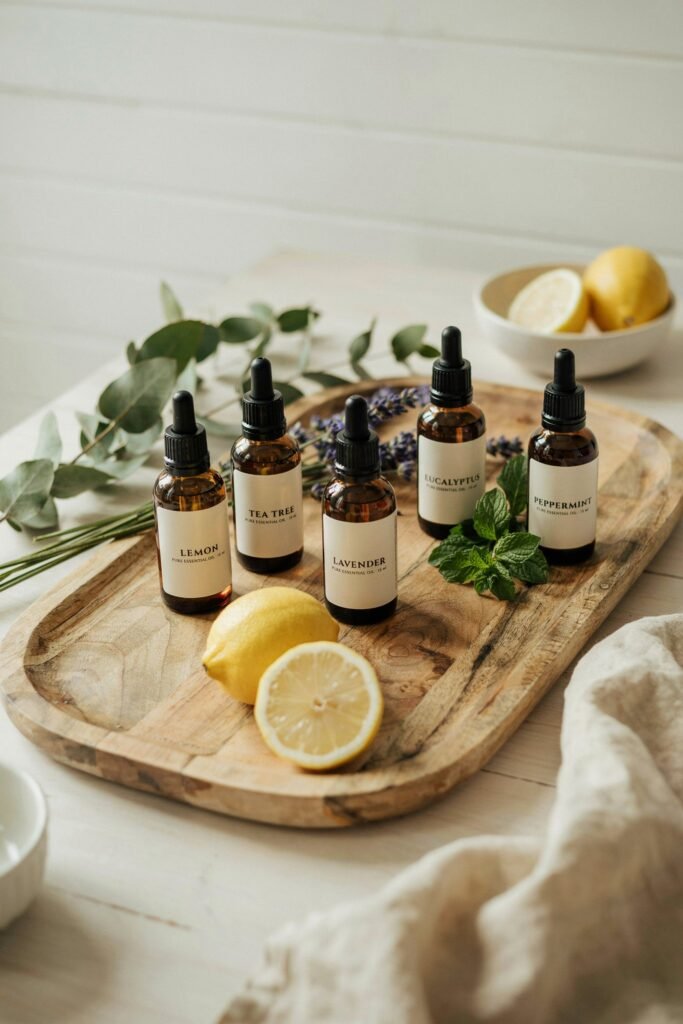
Essential oils can improve the cleaning experience while adding a pleasant scent.
Tea Tree Oil
Tea tree oil is one of the most popular choices because of its natural cleansing properties.
Benefits include:
- Fresh scent
- Deodorizing qualities
- Supports a cleaner bathroom environment
Lemon Essential Oil
Lemon oil delivers a bright and refreshing aroma.
Benefits include:
- Fresh citrus fragrance
- Natural degreasing properties
- Helps eliminate unpleasant odors
Lavender Essential Oil
Lavender is a favorite for homeowners who prefer calming scents.
Benefits include:
- Pleasant floral fragrance
- Long lasting freshness
- Creates a relaxing bathroom atmosphere
Peppermint Essential Oil
Peppermint provides a clean and invigorating scent.
Benefits include:
- Refreshing aroma
- Helps neutralize odors
- Leaves bathrooms smelling exceptionally clean
Eucalyptus Essential Oil
Eucalyptus oil offers a crisp and spa like fragrance.
Benefits include:
- Fresh scent
- Excellent deodorizing qualities
- Popular in natural cleaning products
DIY Gel Toilet Bowl Cleaner
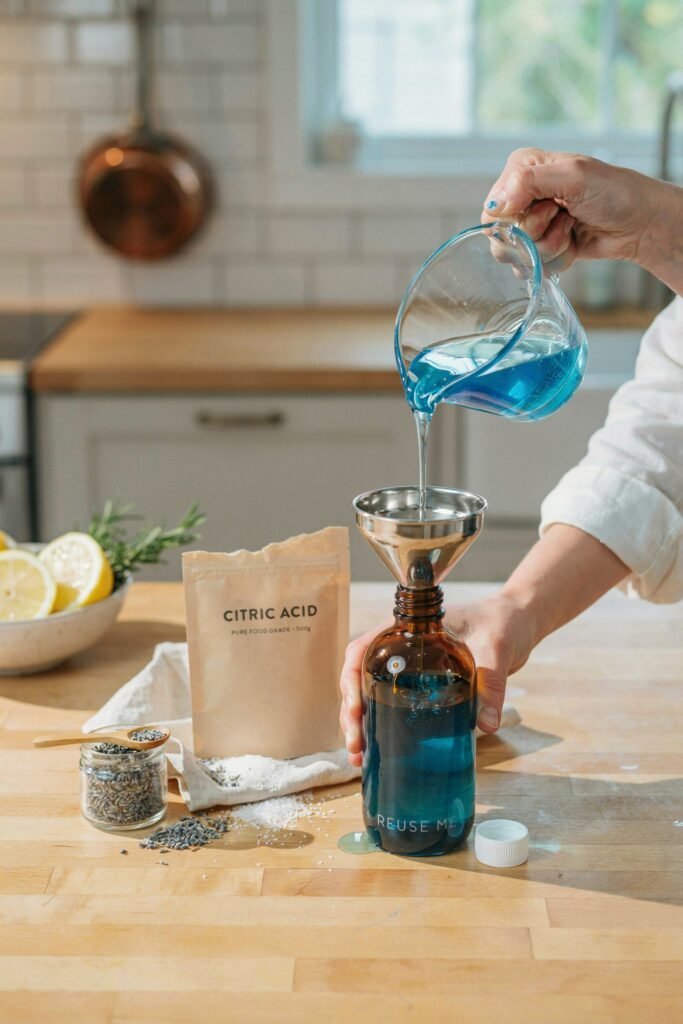
Many people enjoy gel cleaners because they cling to surfaces longer.
Ingredients
- 1 cup warm water
- 2 tablespoons cornstarch
- 1 cup white vinegar
- 15 drops essential oil
Instructions
- Step 1
- Mix cornstarch and warm water in a saucepan.
- Step 2
- Heat gently while stirring until the mixture thickens.
- Step 3
- Remove from heat and allow to cool.
- Step 4
- Add vinegar and essential oils.
- Step 5
- Transfer the gel into a squeeze bottle.
- Step 6
- Apply around the inside rim of the toilet bowl.
- Step 7
- Allow it to sit for 30 minutes.
- Step 8
- Scrub thoroughly and flush.
Why People Love This Recipe
The thicker consistency allows the cleaner to remain on surfaces longer, improving contact time and cleaning effectiveness.
DIY Overnight Toilet Bowl Treatment
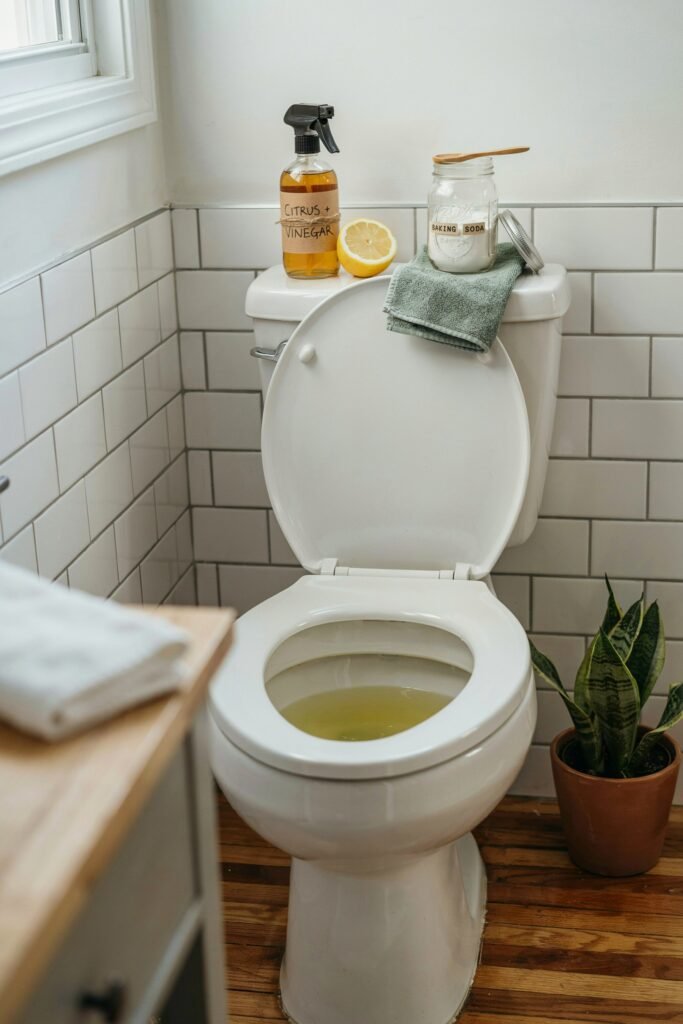
Sometimes toilets need extra attention, especially when dealing with years of buildup.
Ingredients
- 2 cups white vinegar
- 1 cup baking soda
Instructions
- Step 1
- Pour vinegar into the toilet bowl.
- Step 2
- Add baking soda.
- Step 3
- Allow the mixture to remain overnight.
- Step 4
- Scrub thoroughly the next morning.
- Step 5
- Flush completely.
Expected Results
This treatment can help loosen stubborn buildup and make deep cleaning significantly easier.
Mistakes to Avoid When Making Homemade Toilet Bowl Cleaners
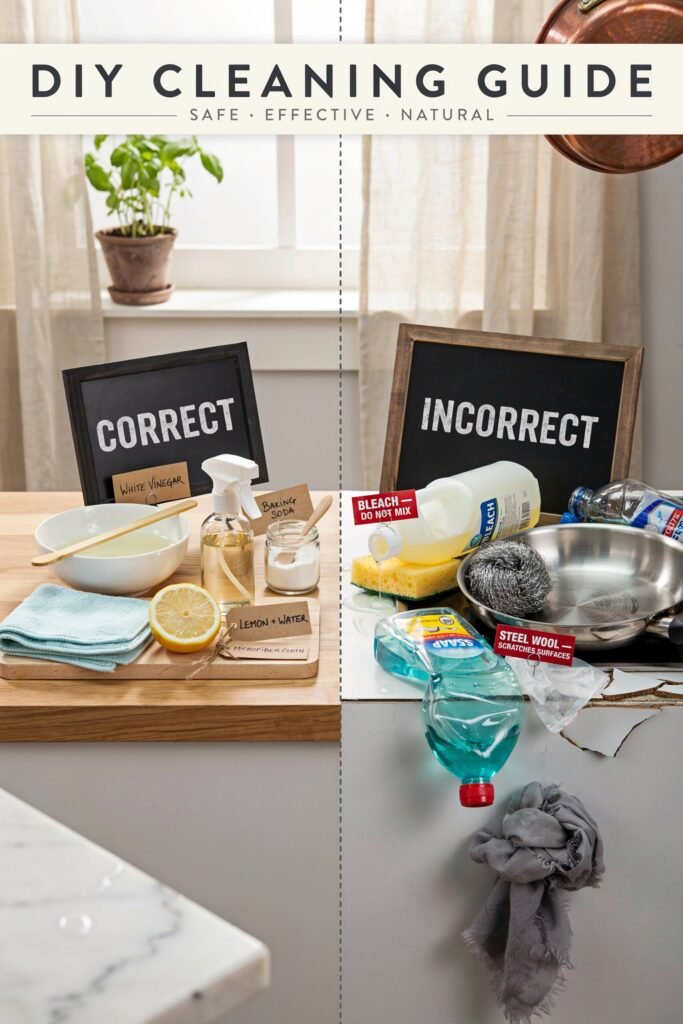
Many DIY cleaners work wonderfully, but a few common mistakes can reduce their effectiveness.
Using Too Much Water
Excessive water can dilute cleaning ingredients and make them less effective.
Ignoring Contact Time
Natural cleaners often need more time to work than commercial products.
Allow ingredients to sit for the recommended amount of time before scrubbing.
Skipping Regular Cleaning
Even the best homemade cleaner cannot completely prevent buildup if cleaning is neglected for months.
Using Expired Ingredients
Fresh ingredients generally provide the best results.
Forgetting to Scrub Under the Rim
Many germs and stains accumulate beneath the toilet rim.
Always clean this area thoroughly.
Safety Tips for Homemade Toilet Bowl Cleaners
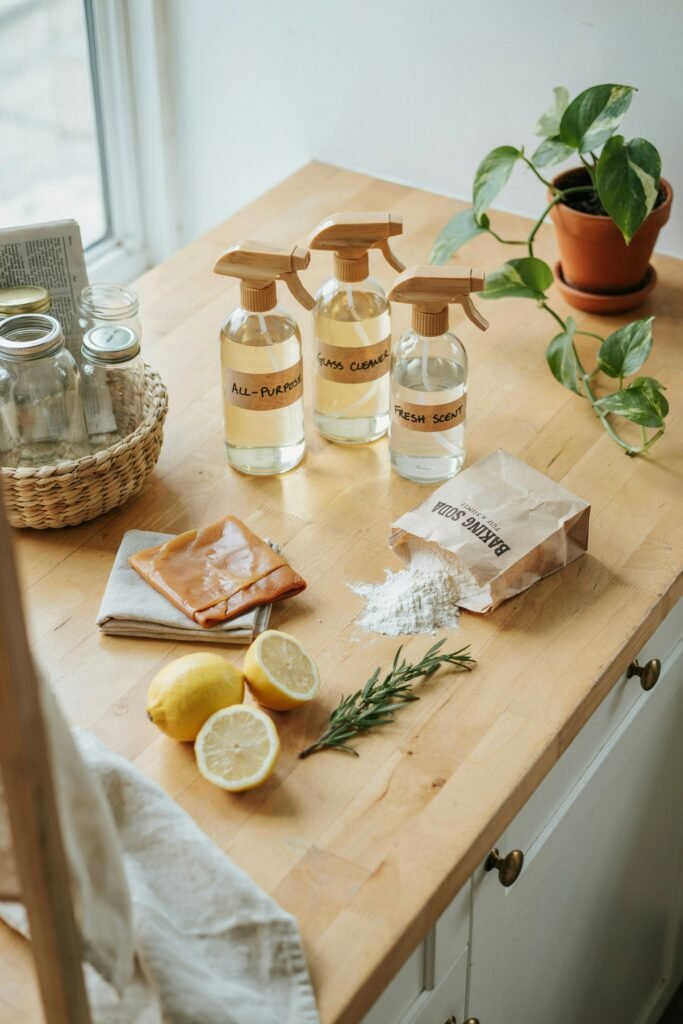
DIY cleaners are generally safer than many commercial alternatives, but precautions are still important.
Wear Gloves
Protect your hands from prolonged exposure to cleaning ingredients.
Store Ingredients Safely
Keep all cleaning supplies away from children and pets.
Label Homemade Products
Clearly mark containers to avoid confusion.
Use Good Ventilation
Open a window or run an exhaust fan while cleaning.
Follow Ingredient Instructions
Research each ingredient before combining it with other cleaning products.
Environmental Benefits of Homemade Toilet Bowl Cleaners
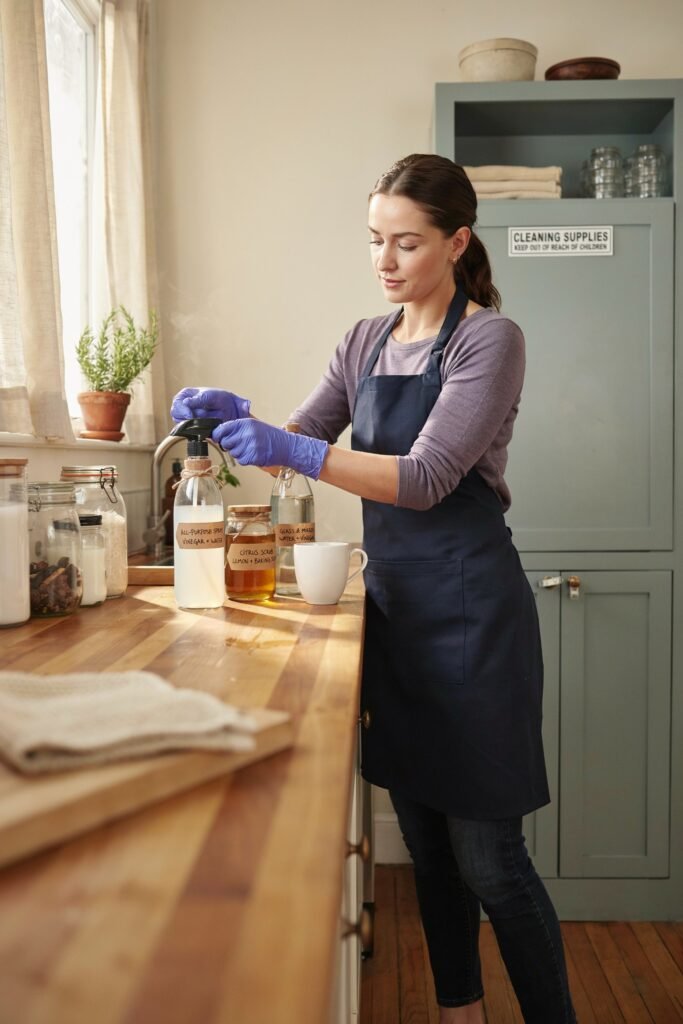
Many people switch to DIY cleaners because they want a more sustainable lifestyle.
Less Plastic Waste
Making your own cleaners reduces the number of plastic bottles entering landfills.
Fewer Harsh Chemicals
Natural ingredients are often gentler on the environment.
Reduced Manufacturing Impact
Homemade cleaners require fewer industrial processes compared to commercial alternatives.
Sustainable Household Habits
Creating your own cleaning products encourages more mindful consumption and waste reduction.
Budget Comparison: Homemade vs Commercial Cleaners
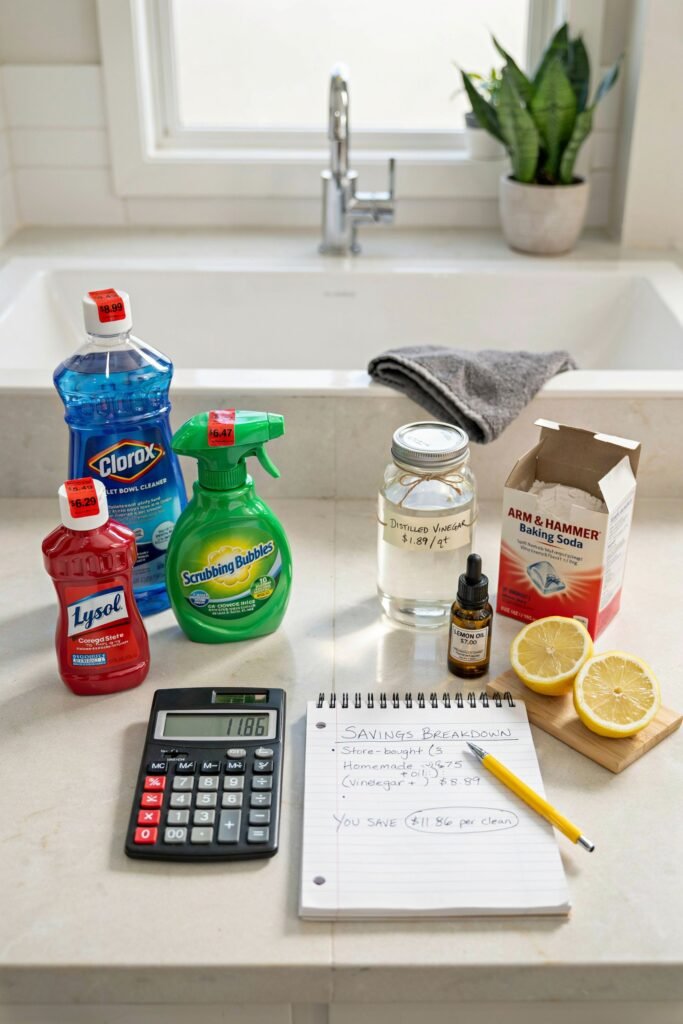
Many households are surprised by how much money they can save.
Commercial Toilet Bowl Cleaner
Average annual cost can range from moderate to high depending on brand and cleaning frequency.
Homemade Toilet Bowl Cleaner
Most recipes cost only a few cents per use because ingredients like baking soda and vinegar are inexpensive and versatile.
For families looking to reduce household expenses, homemade cleaners can provide significant savings over time.
Expert Tips for a Cleaner Bathroom
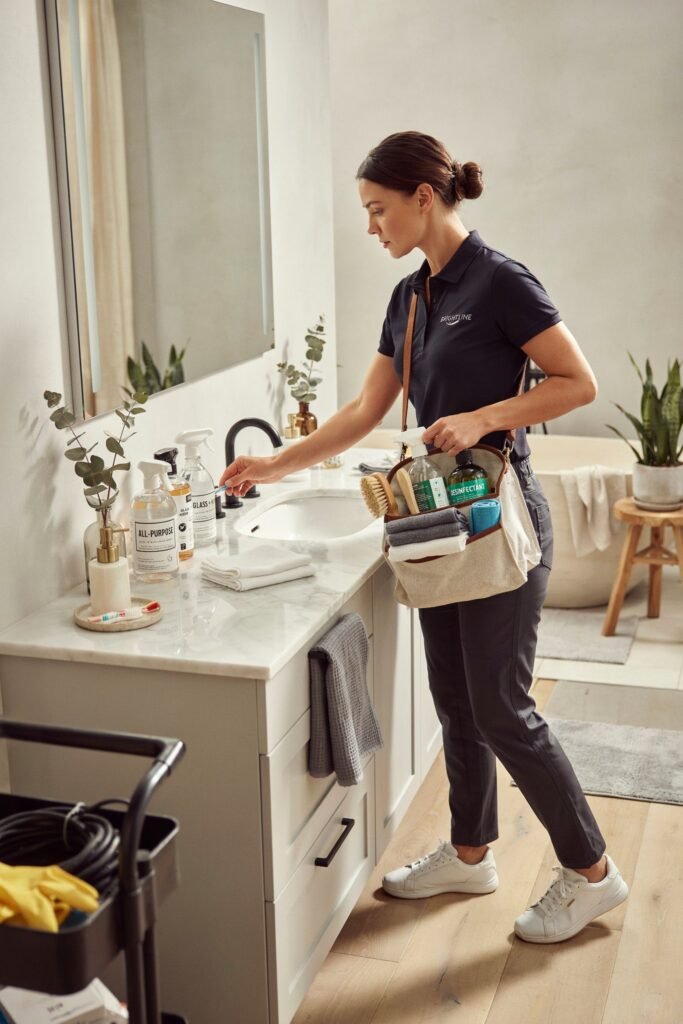
Professional cleaners often rely on a few simple habits that homeowners can easily adopt.
- Clean small messes immediately.
- Keep a toilet brush near every toilet.
- Wipe exterior surfaces weekly.
- Wash bathroom rugs regularly.
- Disinfect high touch areas frequently.
- Keep cleaning supplies easily accessible.
- Use natural deodorizers between cleanings.
- Create a consistent cleaning schedule.
These habits help maintain cleanliness and reduce the need for intensive deep cleaning sessions.
Frequently Asked Questions
Do Homemade Toilet Bowl Cleaners Really Work?
Yes. Many homemade cleaners effectively remove stains, odors, and mineral deposits when used consistently and according to instructions.
Can I Use Homemade Cleaners in Septic Systems?
Most natural ingredients such as baking soda and vinegar are generally considered septic friendly when used responsibly.
What Is the Best Homemade Toilet Bowl Cleaner for Hard Water Stains?
A combination of vinegar and citric acid is often one of the most effective solutions for hard water buildup.
How Long Should DIY Cleaners Sit Before Scrubbing?
Most recipes work best when left for 15 to 60 minutes. Severe stains may benefit from overnight treatment.
Can Essential Oils Replace Cleaning Agents?
No. Essential oils are useful additions but should not replace the primary cleaning ingredients.
Is Baking Soda Safe for Toilets?
Yes. Baking soda is non abrasive and commonly used for household cleaning.
Can I Make Toilet Cleaner Tablets in Advance?
Absolutely. Properly stored tablets can remain effective for several weeks or even months.
What Is the Most Affordable DIY Toilet Bowl Cleaner?
A simple combination of baking soda and white vinegar is often the most economical option.
Final Thoughts
Learning how to make easy DIY toilet bowl cleaner is one of the simplest ways to save money, reduce chemical exposure, and maintain a healthier home.
With just a few inexpensive household ingredients, you can create powerful cleaning solutions that tackle stains, eliminate odors, and keep your bathroom looking fresh.
Whether you choose a baking soda and vinegar cleaner, a hydrogen peroxide formula, homemade cleaning tablets, a citrus based solution, or a gel cleaner, each recipe offers unique benefits that can fit your cleaning preferences and household needs.
The key to success is consistency. Regular cleaning, proper maintenance, and the right homemade cleaner can keep your toilet sparkling clean year round without the need for expensive commercial products.
By using the recipes and tips in this guide, you can confidently create effective DIY toilet bowl cleaners that are budget friendly, environmentally conscious, and easy to make from ingredients already found in many homes.
A cleaner bathroom starts with simple habits and smart cleaning solutions. Homemade toilet bowl cleaners provide both, making them an excellent addition to any household cleaning routine.