SPF 100: Is It Really Worth It or Just Marketing Hype? (2026 Guide)

You’ve probably seen it on the sunscreen shelf — the shiny bottle that proudly screams SPF 100 like it’s the superhero of sun protection.

It promises ultimate defense, zero sunburns, and skin so safe it could survive a desert hike at noon.

But here’s the question everyone’s secretly wondering: does SPF 100 actually protect you better, or is it just a clever marketing trick wrapped in a bigger number?

Most of us have been there — standing in the skincare aisle, comparing SPF 30, 50, and 100, trying to figure out which one will keep us from turning into a tomato after a beach day.

It feels logical to assume the higher the SPF, the stronger the protection.

But sunscreen science isn’t always that simple. In fact, many dermatologists say the difference between SPF 50 and SPF 100 might surprise you — and not in the way you’d expect.

In this 2026 guide, we’re diving deep into what SPF really means, how high-SPF formulas actually work, and whether SPF 100 sunscreen lives up to the hype or just burns a hole in your wallet.

You’ll also learn how to choose the right SPF for your skin type, what common sunscreen mistakes to avoid, and how to apply it correctly for real, lasting protection.

So before you grab that ultra-high SPF bottle and call it a day, let’s uncover the truth behind the label — and find out if SPF 100 is truly worth it, or just another clever way to make you spend a little extra in the name of “sun safety.”

What Does SPF Really Mean?

SPF stands for Sun Protection Factor, and it measures how well a sunscreen protects your skin from UVB rays — the type of ultraviolet light responsible for sunburn and, over time, skin damage and skin cancer.

But here’s where most people get confused: SPF doesn’t multiply your protection; it extends your time before burning under controlled conditions.

Let’s break that down.
If your skin normally starts to burn after 10 minutes in the sun with no protection, an SPF 30 theoretically allows you to stay in the sun 30 times longer — about 300 minutes — before burning.

SPF 100, in theory, should give you 100 times longer, or 1,000 minutes. Sounds incredible, right?

Not so fast. That number is based on perfect application in a lab, not real life.

In reality, most people don’t apply enough sunscreen, forget to reapply, or miss spots like the ears, neck, or hairline.

Sweat, water, and even towel drying can reduce SPF protection dramatically — no matter how high the number is on the label.

The key takeaway is this: SPF is not a guarantee of invincibility; it’s a measurement of potential protection under ideal conditions.

It tells you how long UVB rays can be delayed from burning your skin, but it doesn’t account for UVA rays — the ones that cause premature aging and deeper skin damage.

That’s why dermatologists emphasize broad-spectrum sunscreens, which block both UVA and UVB rays.

So, the next time you reach for sunscreen, remember that SPF is more about time and consistency than a magic number.

A well-applied SPF 30 can often protect you better than a half-hearted layer of SPF 100.

SPF 30 vs. SPF 50 vs. SPF 100 (The Real Numbers)

SPF LevelUVB BlockedWhat It Means
SPF 15~93%Good for short, casual sun exposure.
SPF 30~97%Dermatologists’ minimum recommendation.
SPF 50~98%Best for outdoor activity & sensitive skin.
SPF 100~99%Slightly more, but not a miracle shield.

So while SPF 100 sounds powerful, no sunscreen blocks 100% of UV rays.

SPF 100: Marketing Hype or Must-Have?

On paper, SPF 100 sounds unbeatable — the kind of protection that would make vampires jealous.

But when you look closer at the science, the difference between SPF 50 and SPF 100 is smaller than most people think. In fact, it’s one of the biggest myths in the sunscreen industry.

Here’s the truth: SPF 50 blocks about 98 percent of UVB rays, while SPF 100 blocks roughly 99 percent.

That’s only a 1 percent difference — hardly the game-changing jump that marketing makes it seem. Yet, that tiny number often convinces shoppers that SPF 100 is twice as strong or twice as safe.

So why do these ultra-high SPF sunscreens exist at all? Mainly, they offer a safety buffer for people who don’t apply sunscreen perfectly — which, let’s face it, is almost everyone.

Most people apply less than half the recommended amount, which instantly cuts the actual SPF protection in half.

So while SPF 100 may not block much more radiation than SPF 50, it can help compensate for under-application and missed spots.

That said, a higher SPF can also give a false sense of security. Many people assume they can stay out in the sun all day without reapplying, but no SPF lasts forever.

Sweat, swimming, and simply being outdoors for hours will wear it down.

Whether you use SPF 30 or SPF 100, dermatologists agree that reapplying every two hours — and after swimming or sweating — is what really makes the difference.

In short, SPF 100 isn’t a scam, but it’s not a miracle either. It can be helpful if you burn easily, spend long hours outdoors, or live in areas with intense sunlight.

But for most people, a broad-spectrum SPF 30 or 50 applied generously and consistently offers nearly the same level of real-world protection — without the inflated price tag or marketing drama.

When SPF 100 Actually Makes Sense

While SPF 100 may seem like overkill for most people, there are situations where it genuinely makes sense — and can make a big difference in protecting your skin.

The key is understanding who needs it, when to use it, and why it matters.

If you have very fair or sensitive skin that burns easily, SPF 100 can provide an extra margin of safety.

Some people can develop sunburns in as little as ten minutes, even with light exposure. In those cases, that extra layer of protection helps reduce the risk of sun damage and long-term skin issues.

It’s also a smart choice for people who spend extended time outdoors, especially during peak UV hours or in high-altitude areas where the sun’s rays are stronger.

Hikers, swimmers, athletes, and construction workers are perfect examples.

SPF 100 gives them a little more forgiveness if they forget to reapply on time or miss a few spots — though reapplication is still essential.

Certain medical conditions and medications can also make your skin more sensitive to sunlight. Individuals with lupus, melasma, or photosensitivity caused by prescription drugs may benefit from stronger SPF coverage.

Dermatologists often recommend SPF 100 in these cases as part of a broader sun protection routine that includes hats, sunglasses, and shade.

Another scenario where SPF 100 is useful is post-skin treatment care. After chemical peels, laser resurfacing, or microneedling, your skin becomes more vulnerable to UV damage.

A higher SPF can help protect healing skin from hyperpigmentation and irritation during recovery.

That said, even in these cases, SPF 100 should be seen as a supplemental tool, not a substitute for proper sun safety.

It’s great for extra coverage, but it doesn’t excuse skipping reapplication, using too little, or relying on sunscreen alone without protective clothing.

So yes, SPF 100 does have its place — but it’s not an everyday necessity for everyone.

Think of it as a special-occasion sunscreen: perfect for high-risk days or extra-sensitive skin, but unnecessary for a short walk to the car or a quick morning errand.

What Dermatologists Say About SPF 100

Dermatologists agree that higher SPF sunscreens, like SPF 100, do offer more protection—but not as much as most people think.

SPF 100 blocks about 99% of UVB rays, while SPF 50 blocks around 98%. That 1% difference might seem small, but it can add up for people who spend hours in direct sunlight or have highly sensitive skin.

However, dermatologists also emphasize that application matters more than the number on the bottle.

Many people apply sunscreen too thinly or forget to reapply every two hours, which drastically reduces protection—even with SPF 100.

According to the American Academy of Dermatology, a broad-spectrum SPF 30 or higher is generally enough for daily use.

SPF 100 may be useful for certain situations, like long beach days, high altitudes, or intense sun exposure, but it’s not a free pass to skip reapplication or other sun-safety habits like wearing hats and sunglasses.

In short, dermatologists see SPF 100 as beneficial for some—but not essential for everyone.

SPF 100 vs. Tinted Sunscreens: Which Is Better?

Choosing between SPF 100 and tinted sunscreens depends on your needs, skin type, and daily environment. Both offer sun protection—but they serve slightly different purposes.

SPF 100 sunscreens are designed for maximum UVB protection, making them ideal for people who spend long hours outdoors, have fair or sensitive skin, or are prone to sunburn.

They focus purely on preventing UV damage and sunburn but may leave a white cast or feel heavier on the skin.

Tinted sunscreens, on the other hand, combine broad-spectrum protection (usually SPF 30–50) with iron oxides that protect against visible light and blue light—the types of light that can worsen hyperpigmentation and melasma.

They also provide light coverage, even skin tone, and a more natural finish, making them great for everyday wear.

In short:

  • Choose SPF 100 for long, intense sun exposure (like beach trips or outdoor work).
  • Choose tinted sunscreen for daily use, especially if you deal with pigmentation or want light coverage with sun protection.

The best option often depends on your routine—some people even layer the two for enhanced protection and a more even complexion.

Best SPF 100 Sunscreens Worth Buying in 2026

If you’re considering SPF 100, choosing a formula that feels comfortable and blends well into your skincare routine is key.

The best sunscreens in 2026 balance strong UV protection with lightweight textures, advanced ingredients, and reliable wear.

Below are some of the most trusted options recommended by dermatologists and skincare experts.

Neutrogena Ultra Sheer Dry-Touch SPF 100+
This classic favorite offers broad-spectrum protection with a lightweight, fast-absorbing texture. It dries to a matte finish, making it suitable for both daily use and outdoor activities.

La Roche-Posay Anthelios Melt-In Milk SPF 100
Known for its smooth, non-greasy feel, this dermatologist-tested formula provides excellent protection for sensitive skin.

It’s fragrance-free, water-resistant, and ideal for extended sun exposure.

Banana Boat Sport Ultra SPF 100
Formulated for active lifestyles, this sunscreen stays effective through sweat, heat, and humidity.

It’s a reliable choice for workouts, beach days, or any outdoor sport.

Coppertone Sport Sunscreen Lotion SPF 100
A long-standing option that offers durable protection during long periods of sun exposure.

It’s designed to resist sweat and water while maintaining a consistent level of coverage.

Equate Beauty Ultra Protection SPF 100
This affordable alternative provides solid UV protection and a lightweight texture that blends easily.

It’s an excellent option for those looking for performance without a high price tag.

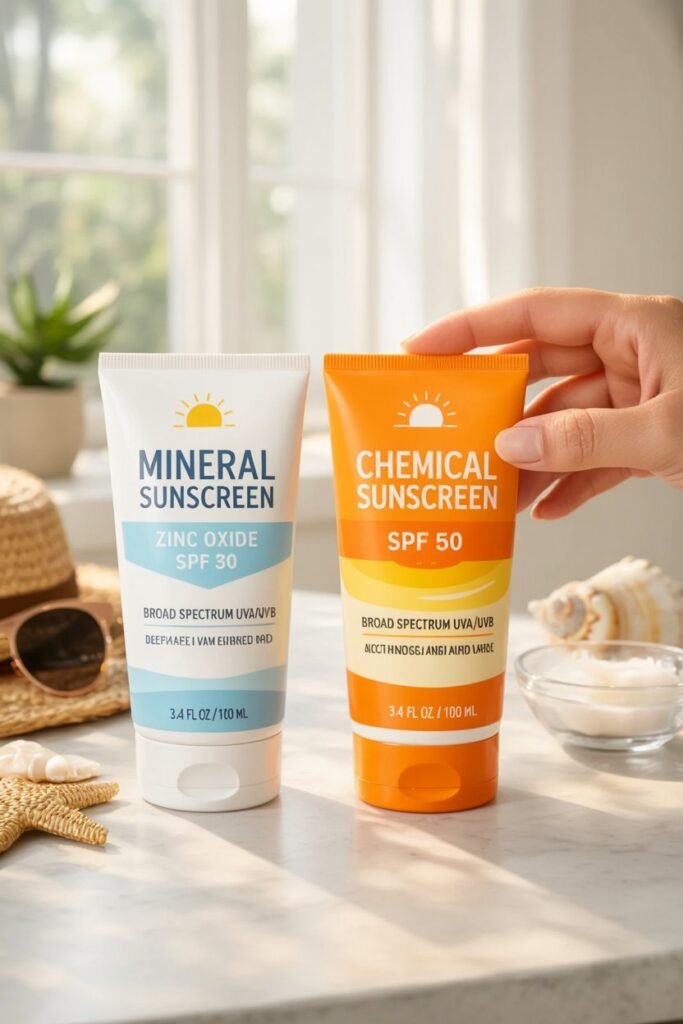
When selecting an SPF 100 sunscreen, focus on broad-spectrum coverage, water resistance, and non-comedogenic formulas that won’t clog pores.

These options prove that strong protection can also feel smooth, breathable, and comfortable on the skin.

Pro Tips: How to Use SPF 100 Correctly

Even the most powerful sunscreen won’t perform well if it’s not applied properly. SPF 100 can deliver exceptional protection, but only when used the right way.

Here are key dermatologist-approved tips to make the most of it.

Apply Enough Product
Most people use far less sunscreen than needed. Apply about a teaspoon for the face and a shot-glass-sized amount for the entire body. A thin layer won’t give the full SPF 100 protection stated on the label.

Reapply Every Two Hours
No sunscreen—regardless of SPF—lasts all day. Reapply every two hours, or immediately after swimming, sweating, or towel-drying to maintain full protection.

Don’t Skip Daily Use
UV exposure happens even on cloudy days and indoors near windows. Make SPF 100 part of your morning routine, especially if you spend extended time outdoors.

Pair It with Other Protection
Sunscreen is just one part of sun safety. Use hats, sunglasses, and UPF clothing to create a stronger shield against UV rays.

Choose the Right Texture for Your Skin Type
For oily skin, opt for gel or dry-touch formulas. For dry or sensitive skin, choose cream-based or fragrance-free options that offer hydration and comfort.

Using SPF 100 correctly isn’t complicated—it’s about consistency and proper application. With these simple steps, you can ensure you’re getting the true level of protection the product promises.

1. Is SPF 100 better than SPF 50?
Technically, SPF 100 blocks about 99% of UVB rays, while SPF 50 blocks around 98%.

The difference is small, but SPF 100 can be more beneficial for people with very fair or sensitive skin, or for those exposed to intense sunlight for long hours.

2. Can I use SPF 100 every day?
Yes, SPF 100 can be used daily, but it’s often more than necessary for normal indoor or light outdoor activities.

Most dermatologists recommend SPF 30 to 50 for everyday use and SPF 100 for extended outdoor exposure.

3. Does SPF 100 last longer than lower SPFs?
No. SPF 100 doesn’t last longer—it just filters out slightly more UV rays while it’s active. You still need to reapply every two hours or after swimming and sweating.

4. Can I skip reapplying if I wear SPF 100?
No. Reapplication is essential, regardless of the SPF level. Sunscreen wears off with time, friction, and moisture, so skipping reapplication greatly reduces effectiveness.

5. Does SPF 100 protect against tanning?
SPF 100 significantly reduces UV exposure but may not completely prevent tanning, especially in prolonged sunlight.

For the best protection, combine sunscreen with physical barriers like hats and shade.

6. Is SPF 100 safe for sensitive skin?
Yes, as long as the formula is labeled fragrance-free, non-comedogenic, and designed for sensitive skin. Always patch-test new sunscreens before applying them to the face or body.

Frequently Asked Questions (FAQ)

1. Is SPF 100 better than SPF 50?
Technically, SPF 100 blocks about 99% of UVB rays, while SPF 50 blocks around 98%.

The difference is small, but SPF 100 can be more beneficial for people with very fair or sensitive skin, or for those exposed to intense sunlight for long hours.

2. Can I use SPF 100 every day?
Yes, SPF 100 can be used daily, but it’s often more than necessary for normal indoor or light outdoor activities.

Most dermatologists recommend SPF 30 to 50 for everyday use and SPF 100 for extended outdoor exposure.

3. Does SPF 100 last longer than lower SPFs?
No. SPF 100 doesn’t last longer—it just filters out slightly more UV rays while it’s active. You still need to reapply every two hours or after swimming and sweating.

4. Can I skip reapplying if I wear SPF 100?
No. Reapplication is essential, regardless of the SPF level. Sunscreen wears off with time, friction, and moisture, so skipping reapplication greatly reduces effectiveness.

5. Does SPF 100 protect against tanning?
SPF 100 significantly reduces UV exposure but may not completely prevent tanning, especially in prolonged sunlight.

For the best protection, combine sunscreen with physical barriers like hats and shade.

6. Is SPF 100 safe for sensitive skin?
Yes, as long as the formula is labeled fragrance-free, non-comedogenic, and designed for sensitive skin. Always patch-test new sunscreens before applying them to the face or body.

Final Verdict: Is SPF 100 Worth It?

SPF 100 isn’t just marketing hype—it does provide slightly stronger protection than lower SPFs.

However, the difference between SPF 50 and SPF 100 is small, and the real effectiveness depends more on how well and how often you apply it.

For most people, a broad-spectrum SPF 30 to 50 is sufficient for daily wear.

But SPF 100 can be a smart choice for those with very fair skin, a history of skin cancer, or anyone who spends long hours under direct sunlight.

Think of SPF 100 as an extra layer of assurance, not a replacement for good habits like reapplying sunscreen, wearing protective clothing, and seeking shade when needed.

In short, SPF 100 is worth it for high-exposure situations—but not essential for everyone. The best sunscreen is the one you’ll use consistently, every single day.

sarah robin
sarah robin

Hi, I'm the creator of PureGlowTips, a passionate advocate for natural beauty, skincare wellness, and holistic self-care. With years of experience exploring DIY remedies, clean beauty routines, and nutrition for healthy skin, I aim to empower women to glow from the inside out—naturally. Whether you're struggling with acne, looking to simplify your beauty routine, or just love pampering your skin, you’ll find real, effective tips here that actually work.

Articles: 76

Leave a Reply

Your email address will not be published. Required fields are marked *