

Winter can feel like a full-blown assault on your skin. Between dry indoor heating, freezing outdoor air, and the general lack of sunlight, your complexion often ends up looking more “dull and flaky” than “radiant and glowing.”
But here’s the truth: glowing skin in winter isn’t impossible — it just takes a little more strategy.
The cold months strip away your skin’s natural oils, weaken its barrier, and make it harder for moisture to stay locked in.
If you’ve ever noticed your face feeling tight after cleansing or your moisturizer suddenly not doing its job, that’s winter reminding you to upgrade your routine.
The good news? You don’t have to overhaul everything — you just need to adapt.
In this guide, we’ll walk through 15 winter skincare steps that actually make sense — not just trendy TikTok hacks.
From cleansers that don’t strip your skin to moisturizers that seal in hydration like a dream, this is your complete roadmap to achieving glowing, healthy skin all season long.
1. Start with a Gentle, Hydrating Cleanser
A good winter skincare routine begins with the most underrated step — cleansing. In cold weather, harsh foaming cleansers can strip away the natural oils your skin desperately needs.
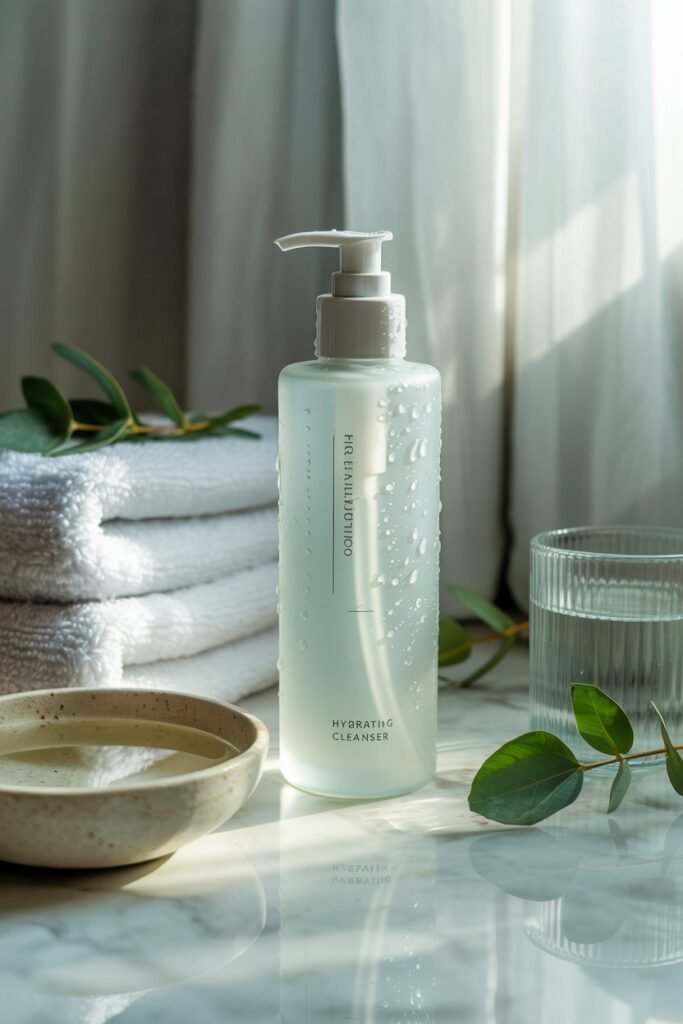
What you want instead is a gentle, hydrating cleanser that cleans without leaving your face feeling tight.
Look for cleansers that contain glycerin, ceramides, or hyaluronic acid. These ingredients attract and lock in moisture while breaking down dirt and makeup residue.
If your skin tends to get irritated, creamy or milky formulas are best because they maintain your skin’s pH balance.
Avoid anything that promises a “squeaky clean” finish — that’s usually code for “too harsh.”
When your skin feels squeaky, your moisture barrier has been stripped, which leads to redness and dehydration. Stick to a cleanser that leaves your skin soft and slightly dewy.
How to Use: Wash your face with lukewarm water, not hot water, which can worsen dryness.
Massage your cleanser in circular motions for at least 60 seconds to properly lift impurities. Rinse gently and pat dry with a soft towel instead of rubbing.
Pro Tip: Double-cleanse at night. Start with a cleansing balm or micellar water to remove makeup and sunscreen, then follow with your hydrating cleanser.
This ensures your pores stay clean without over-drying your skin.
2. Replenish with a Hydrating Toner or Essence
After cleansing, most people skip straight to moisturizer — a mistake that leaves your skin missing an essential hydration layer.
A hydrating toner or essence prepares your skin to absorb everything that follows. In winter, this step becomes crucial because your skin is thirstier than ever.
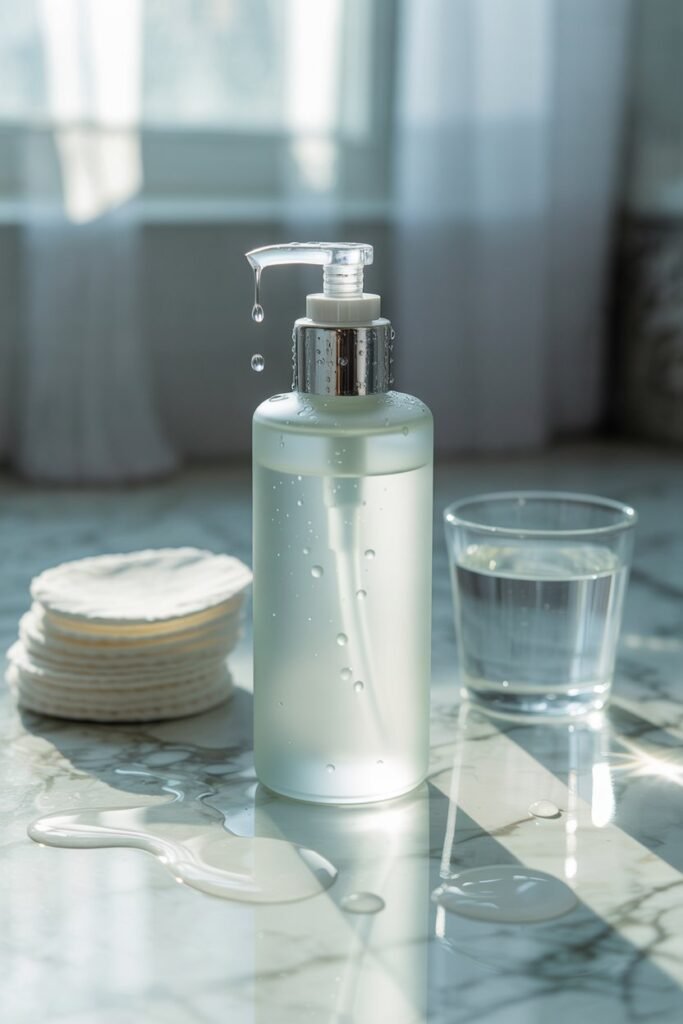
Unlike traditional alcohol-based toners that dry you out, hydrating toners deliver a burst of moisture with ingredients like rose water, green tea extract, aloe vera, or snail mucin.
These replenish your skin immediately after cleansing and restore the right pH balance.
Essences go one step further. They’re lightweight but packed with nutrients that penetrate deeper into your skin, acting as a bridge between your toner and serum.
If you’ve ever admired someone’s smooth, “glass skin” glow, this is where it starts.
How to Use: Pour a few drops onto your palms or a cotton pad and gently press into your face and neck. Let it absorb fully before applying your serum.
You can even layer it twice if your skin feels extra dry — the “7-skin method” made popular in Korean skincare is a great trick for deep hydration.
Pro Tip: Keep a mini hydrating mist or toner bottle at your desk or in your bag. Spritz throughout the day to keep your skin refreshed, especially if you work in heated indoor air that tends to dehydrate your face.
3. Layer on a Nourishing Essence or Ampoule for Deep Repair
This is the step where your winter skincare routine starts to feel luxurious. After your toner, apply a nourishing essence or ampoule designed for deep hydration and repair.
Think of this as your skin’s daily vitamin shot — packed with concentrated actives that help reverse dullness, fine lines, and dehydration caused by cold weather.
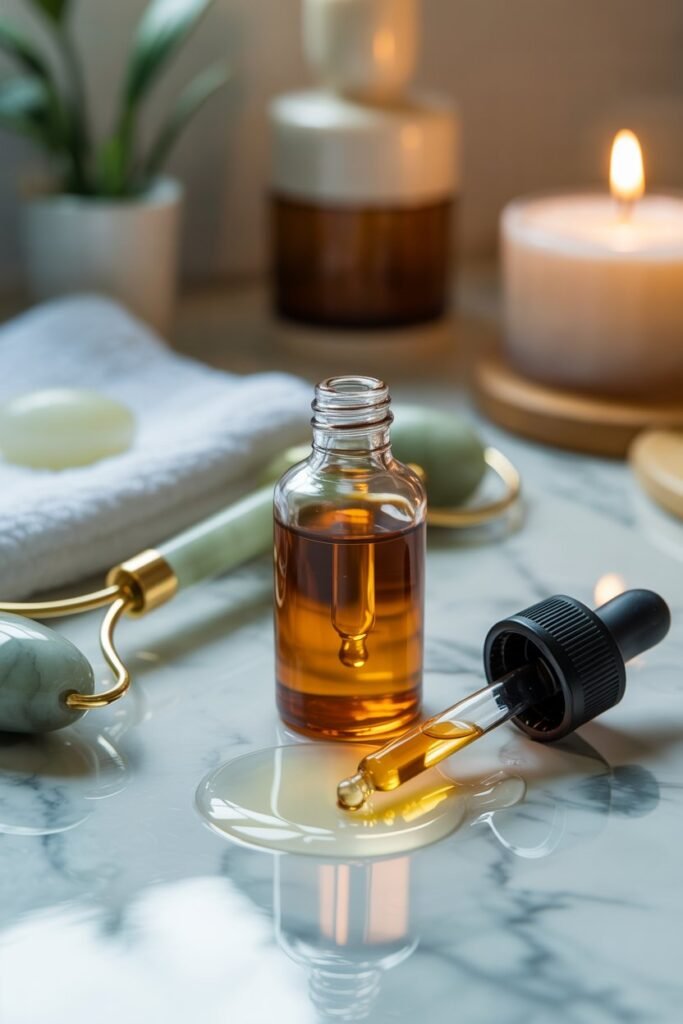
Essences are typically water-based and lightweight, making them perfect for layering. Ampoules, on the other hand, are more concentrated and often come in dropper bottles.
They target specific skin concerns like barrier damage, uneven tone, or loss of elasticity.
During winter, look for formulas with hyaluronic acid, peptides, panthenol, ceramides, and niacinamide. These ingredients rebuild your skin barrier while boosting moisture retention.
If your skin is sensitive or reactive, choose an essence with centella asiatica or madecassoside to calm redness and irritation.
How to Use: Apply two to three drops of your essence or ampoule into your palms, press gently into your face, and let it absorb for at least a minute before moving on to serum.
This gives your skin time to drink up all the nutrients and prevents pilling when you apply moisturizer later.
Pro Tip: Layering is everything. During colder months, you can mix a few drops of ampoule into your moisturizer or even your foundation for a subtle dewy finish.
If your skin is feeling tight, try sandwiching — essence, serum, then another light layer of essence before your cream.
4. Exfoliate Gently — Reveal Fresh, Glowing Skin Without Stripping It
Winter skin can look dull, rough, or tired because of slow cell turnover caused by cold air and low humidity.
Exfoliation is the secret weapon that keeps your complexion radiant and smooth, but during winter, the trick is to exfoliate gently.
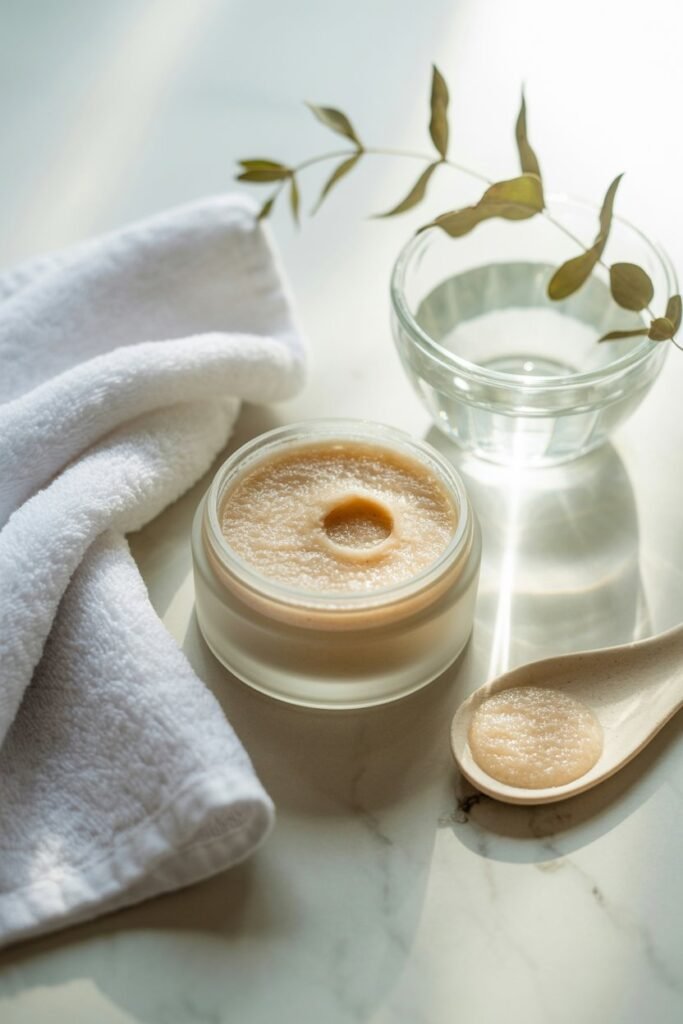
Overdoing it can damage your moisture barrier — that thin, invisible layer that keeps your skin hydrated and calm.
Instead of harsh scrubs or daily acids, switch to gentle chemical exfoliants containing lactic acid, mandelic acid, or PHA (polyhydroxy acid). These dissolve dead skin cells without tearing or irritating your skin.
Exfoliating once or twice a week is enough to maintain a healthy glow while preventing dryness and redness.
If you prefer physical exfoliation, go for soft, fine-grain scrubs made with sugar or rice powder. Always exfoliate after cleansing and follow immediately with toner and moisturizer to lock in hydration.
Pro Tip: Do your exfoliation at night so your skin can repair overnight. Pair it with a nourishing night cream or a few drops of face oil to restore balance while you sleep.
5. Use a Hydrating Serum — The Secret to Dewy, Supple Winter Skin
Serums are where the real magic happens. In winter, your skin craves moisture and repair, and that’s exactly what a hydrating serum provides.
Look for serums rich in hyaluronic acid, glycerin, niacinamide, and panthenol — ingredients that pull water into your skin and hold it there, giving you that plump, glass-skin look even when the weather is icy.
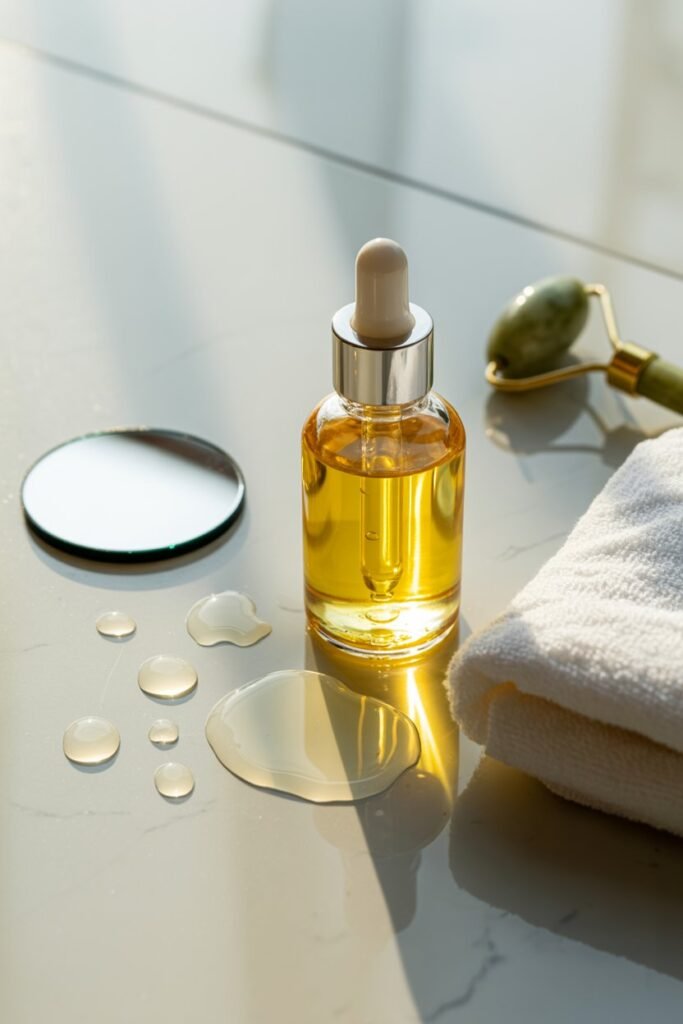
Apply your serum right after toner when your skin is still slightly damp — this helps the ingredients penetrate deeper and trap more moisture.
Hyaluronic acid works best when it has water to bind to, so mist your face lightly or apply on damp skin for maximum effect.
If your skin feels irritated or tight, layer your hydrating serum with a calming formula containing centella asiatica, green tea extract, or ceramides to strengthen your barrier.
This layering technique helps your skin stay calm and dewy even when the temperature drops below freezing.
Pro Tip: Use two serums — one for hydration and one for repair. For example, combine a hyaluronic acid serum with a peptide or niacinamide serum at night.
The combo supports collagen and keeps your skin glowing all season long.
6. Lock in Moisture with a Rich Winter Moisturizer
A lightweight moisturizer won’t cut it during winter. Cold air and indoor heating suck the moisture out of your skin faster than you think.
That’s why you need a richer, emollient moisturizer that creates a protective shield over your skin, locking in hydration and preventing transepidermal water loss.
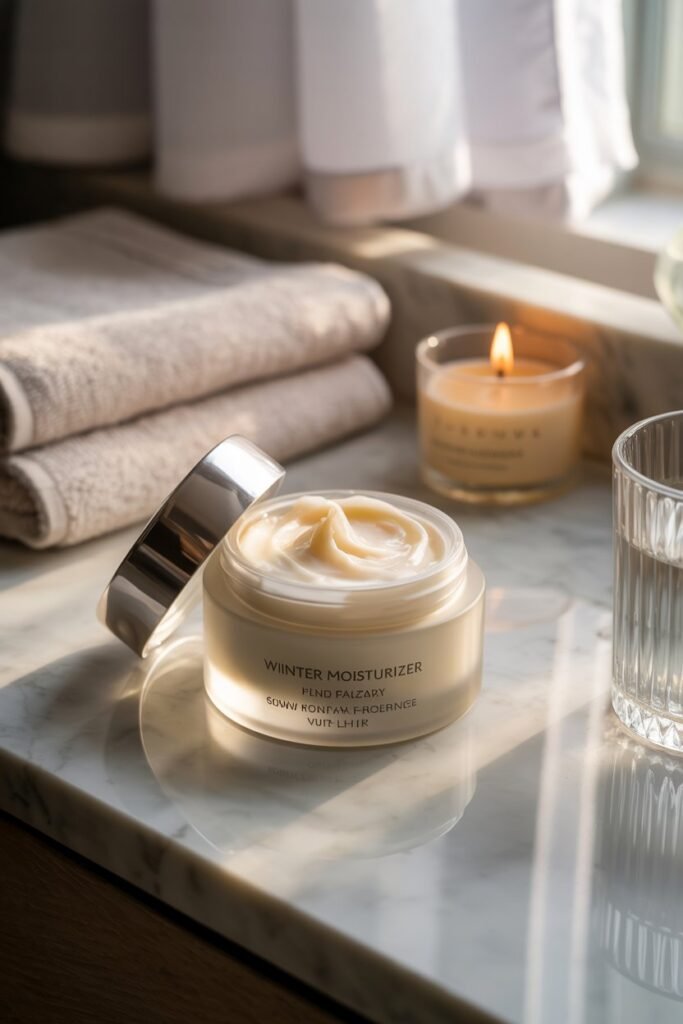
Look for moisturizers that contain ceramides, squalane, shea butter, and fatty acids — ingredients that mimic the skin’s natural lipids.
They reinforce your skin barrier and keep it supple and smooth. If your skin tends to get flaky, pick a cream-based formula instead of a gel-based one.
For oily or combination skin, go for a non-comedogenic rich gel-cream with dimethicone or lightweight plant oils.
For very dry skin, a balm-like moisturizer works best at night to deeply nourish and protect.
Pro Tip: Warm the moisturizer between your palms before applying it to help it absorb better.
Press it gently into your skin instead of rubbing — this method prevents micro-irritations and seals in your serum effectively.
7. Add a Face Oil for an Extra Layer of Protection
Think of face oils as the cozy blanket your skin needs when winter hits hard. Oils are occlusive, meaning they trap moisture in and prevent your skin from losing hydration overnight.
When layered properly over your moisturizer, they create a seal that makes all your previous skincare steps even more effective.
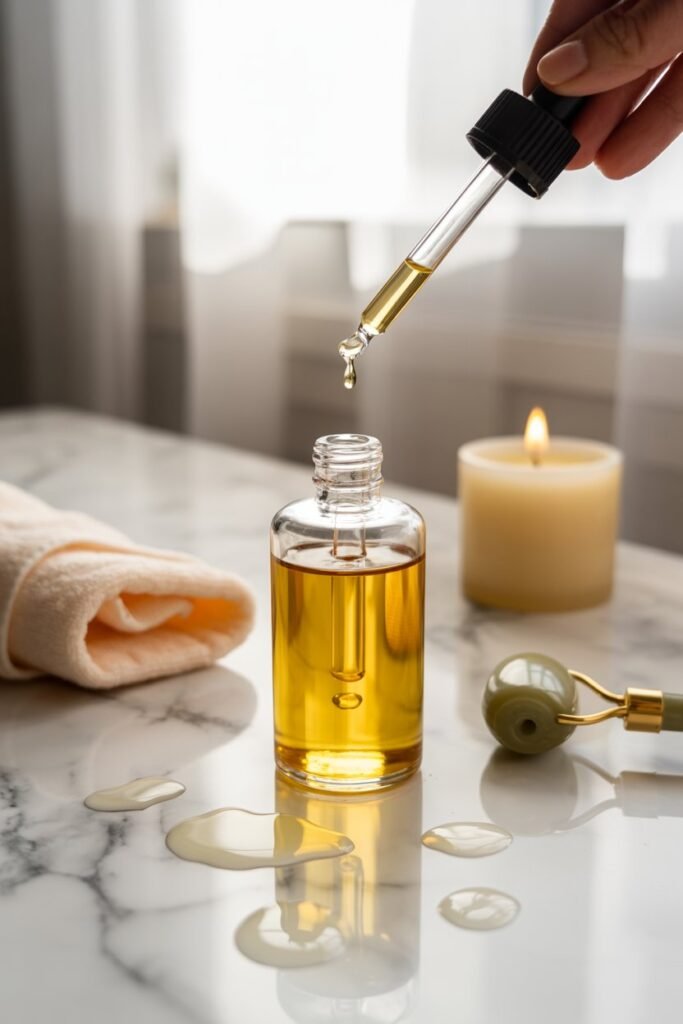
Choose a non-comedogenic oil like rosehip, squalane, jojoba, or marula oil. These nourish without clogging pores.
For ultra-dry or mature skin, a few drops of argan or avocado oil at night can transform dullness into radiance by morning.
You can mix one or two drops of oil into your moisturizer for a lighter finish or pat it directly onto your skin as the final step of your nighttime routine.
The key is moderation — just two to three drops are enough to cover your entire face.
Pro Tip: Always apply face oil as the last step of your skincare routine (except sunscreen). Doing it in reverse will block your water-based products from penetrating.
If you want a natural glow before makeup, add a single drop to your foundation or apply it on high points of your face for a dewy, skin-like finish.
8. Never Skip Sunscreen — Even on Cloudy Winter Days
Many people think sunscreen is only for summer, but winter sun can be just as damaging — especially when UV rays reflect off snow and ice.
The result? Premature aging, dullness, and pigmentation that creeps up by spring. Wearing SPF daily is one of the most powerful anti-aging habits you can have, no matter the season.
Choose a broad-spectrum SPF 30 or higher that protects against both UVA and UVB rays.
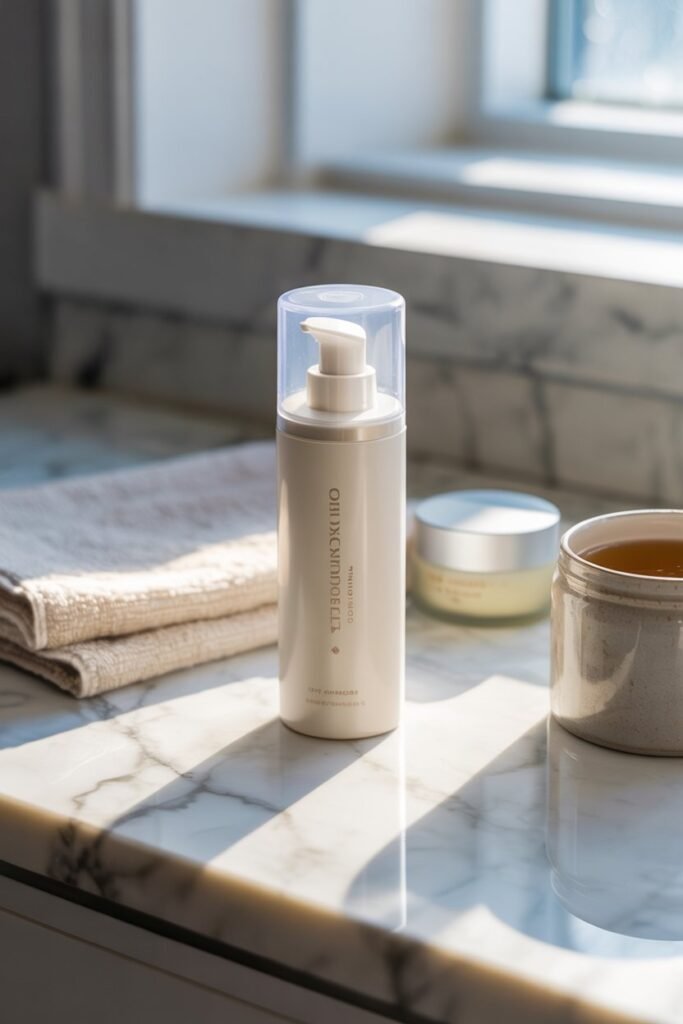
Mineral sunscreens with zinc oxide or titanium dioxide are ideal for sensitive or dry winter skin because they’re less irritating and often include hydrating ingredients.
To keep your routine simple, pick a moisturizer with SPF for daytime use or layer your SPF over your regular moisturizer.
Reapply every few hours if you’re outside or near windows all day. Remember — blue light from screens also contributes to oxidative stress on your skin.
Pro Tip: Apply sunscreen not only on your face but also on your neck, chest, ears, and the backs of your hands. These areas often show early signs of aging and sun damage but are easy to forget.
9. Protect Your Lips and Eyes
Your lips and eye area are the first to betray the effects of winter. These delicate zones have fewer oil glands, thinner skin, and are more exposed to the elements, making them prone to dryness, cracking, and fine lines.
If you’ve ever wondered why your lip balm suddenly stops working or why your concealer creases more during the colder months — it’s because the skin here is literally crying out for extra care.
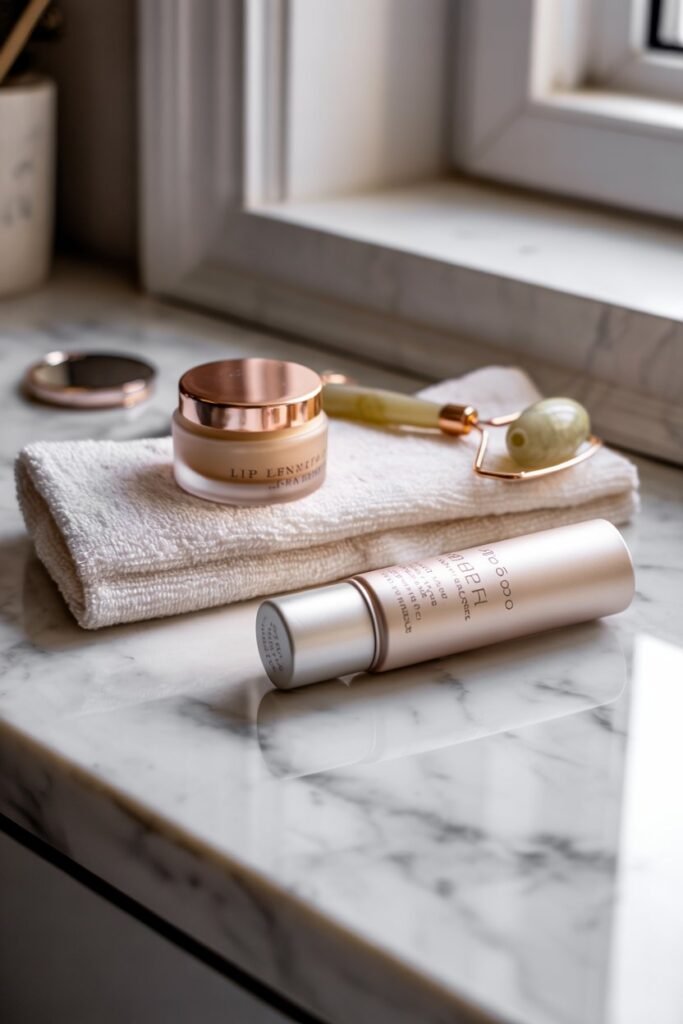
Start with the eyes. The area around your eyes loses moisture faster than the rest of your face, and constant exposure to dry indoor heating or cold air can make fine lines more visible.
Use a hydrating eye cream enriched with ingredients like peptides, hyaluronic acid, or caffeine. These help plump up the skin, improve elasticity, and reduce puffiness.
Gently tap the cream around the orbital bone using your ring finger (it has the lightest touch). Avoid rubbing — friction can stretch the skin and cause irritation.
For your lips, avoid licking them — it temporarily feels better but actually makes dryness worse. Choose a rich, emollient lip balm that contains shea butter, ceramides, or beeswax.
These ingredients form a barrier against windburn and moisture loss. Reapply frequently throughout the day, and always before bed.
Pro Tip: Use an overnight lip mask with nourishing oils or a healing ointment like Aquaphor or LANEIGE Lip Sleeping Mask for deep repair while you sleep.
During the day, go for SPF-infused lip balms, since UV damage can still happen in winter.
And if you wear makeup, dab a tiny bit of oil-free eye cream on top of concealer to prevent flaking and creasing — your under eyes will look refreshed all day.
10. Add a Humidifier to Your Routine
Your skin’s health depends on the humidity in your environment just as much as the products you apply.
When winter rolls in, indoor heating strips moisture from the air, leaving your skin feeling tight, itchy, and dehydrated.
Adding a humidifier to your skincare routine might sound simple, but it’s one of the most effective ways to prevent dryness from the inside out.
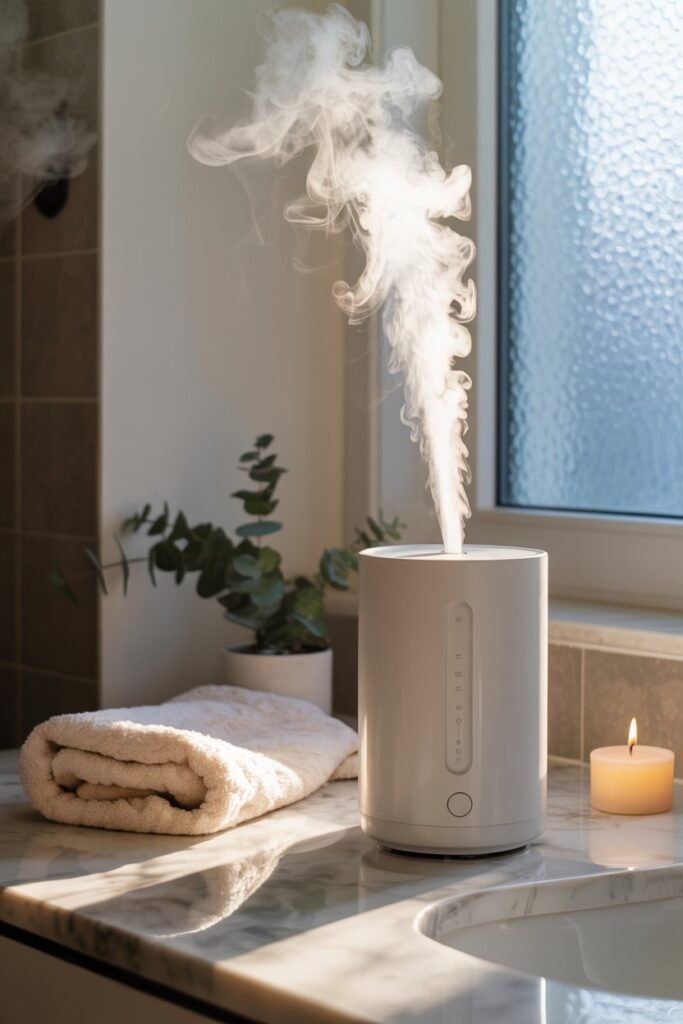
A humidifier helps balance indoor humidity levels, ensuring your skin stays supple and hydrated while you sleep. Ideally, your home humidity should be between 40–60%.
If it’s lower, your skin barrier starts losing water faster, leading to dullness, redness, and sometimes even eczema flare-ups.
Place your humidifier in your bedroom and let it run overnight. It works silently in the background, replenishing lost moisture from the air — and your skin will thank you in the morning.
People who use humidifiers regularly during winter often notice smoother texture, fewer dry patches, and better absorption of skincare products.
Pro Tip: Always use distilled or purified water to prevent mineral buildup and clean your device weekly to avoid bacteria growth.
If you want an extra glow boost, pair your nighttime skincare routine with a humidifier session — apply your serums and creams, turn it on, and let your skin drink in the benefits overnight.
Levoit and Honeywell make great user-friendly humidifiers that quietly work wonders.
11. Eat Skin-Loving Foods
Your skin is a reflection of your diet — especially in winter, when your body needs extra nourishment to stay healthy and hydrated.
While topical products help protect the surface, true radiance starts from within. The key? Focus on foods that support skin hydration, elasticity, and repair.
During cold months, your body burns more calories to stay warm, which can deplete essential nutrients faster.

Include plenty of omega-3 fatty acids, which help maintain your skin’s lipid barrier.
Foods like salmon, mackerel, walnuts, chia seeds, and flaxseed oil keep your complexion supple and smooth.
You’ll also want antioxidant-rich foods like berries, citrus fruits, spinach, and bell peppers.
These protect your skin cells from oxidative stress — one of the leading causes of dullness and premature aging.
Vitamin C helps boost collagen production, while Vitamin E shields your skin from environmental stressors.
Pro Tip: Stay hydrated by drinking herbal teas, coconut water, or warm lemon water with honey.
If your diet lacks enough healthy fats, consider a collagen peptide or omega-3 supplement to support elasticity and reduce dryness.
Think of your skin as a living organ that needs both topical and nutritional care.
You can’t out-moisturize a poor diet — but when you nourish your body well, that glow naturally shows up on your face.
12. Limit Long Hot Showers
We all love that steaming shower on a cold winter day — but the sad truth is, it’s quietly wrecking your skin barrier.
Hot water strips away your natural oils, leaving your skin dry, itchy, and tight.
Over time, this weakens your skin’s protective layer, leading to increased sensitivity and even small cracks that let in irritants.
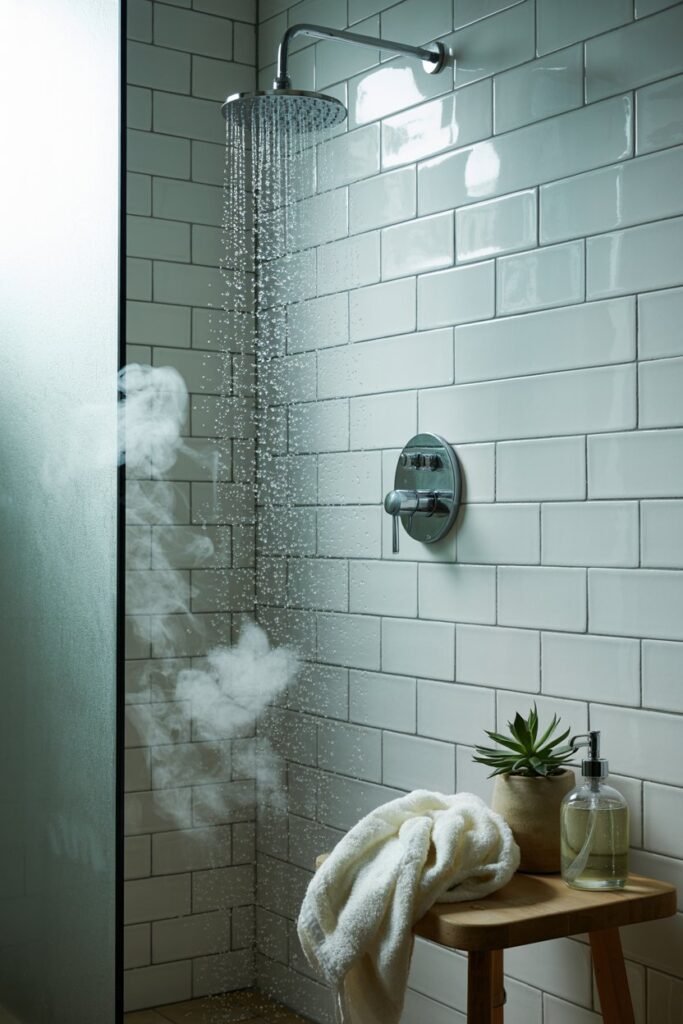
To protect your skin, keep showers short (under 10 minutes) and use lukewarm water instead.
Switch from harsh soaps to creamy, sulfate-free body washes that cleanse without drying. Look for ingredients like oatmeal, glycerin, or aloe vera to soothe and hydrate.
Right after you step out of the shower, apply your body lotion or oil while your skin is still slightly damp — this locks in moisture more effectively.
The “three-minute rule” is key: the quicker you moisturize after bathing, the better your skin will retain hydration.
Pro Tip: Try Nécessaire The Body Lotion or Aveeno Skin Relief Moisturizing Lotion. For an extra nourishing touch, mix a few drops of jojoba or argan oil into your lotion for deep hydration.
And if you can’t give up hot showers entirely, balance them out by applying a thicker body butter at night to help restore your moisture barrier.
13. Don’t Skip Night Care
Your nighttime skincare routine is where the real magic happens. While you sleep, your body goes into repair mode — skin cells renew, collagen production increases, and hydration levels naturally rise.
This makes your evening routine one of the most powerful times to help your skin heal from daytime stress.
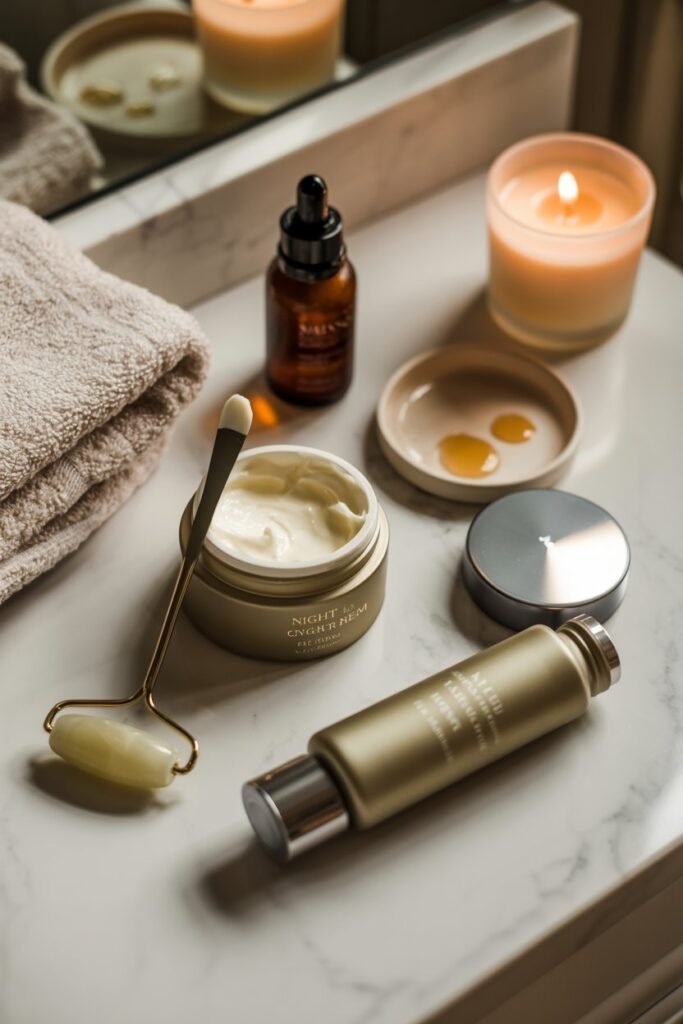
Start by cleansing away all makeup, sunscreen, and pollutants. Then, apply a hydrating serum followed by a rich night cream or sleeping mask that seals in moisture.
If your skin can tolerate it, use retinol or peptide-based treatments to promote cell turnover and smooth fine lines.
Winter is actually one of the best times to introduce retinol since there’s less sun exposure to worry about.
Don’t forget your neck and décolletage — these areas age faster than your face and deserve the same care.
And if you sleep in a dry room, pair your skincare with a humidifier to keep the air comfortably moist.
Pro Tip: Switch to a silk or satin pillowcase. Unlike cotton, it doesn’t absorb your skincare products or moisture, reducing friction and irritation.
Finish your routine with a light layer of face oil if your skin feels tight — it’ll act like an overnight barrier, keeping your skin nourished till morning.
14. Adapt for Your Skin Type
One of the biggest mistakes in winter skincare is following a “one-size-fits-all” routine. Different skin types have different needs, especially when temperatures drop.
Understanding and adapting your products is key to maintaining balance and glow throughout the season.
If you have dry skin, prioritize layering — use hydrating serums, rich creams, and nourishing oils. Focus on ceramides, squalane, and shea butter to reinforce your skin barrier.
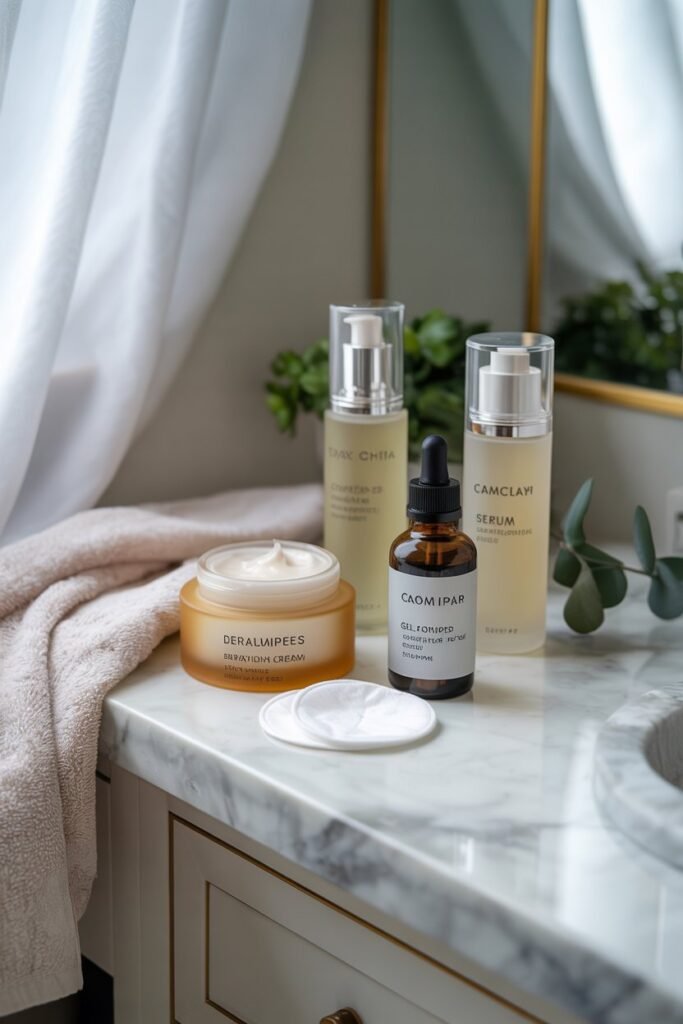
For oily skin, opt for lightweight hydration like water-based gels and avoid overly occlusive products that can clog pores.
Combination skin? Customize — apply richer creams on dry areas and lighter textures on oilier zones.
Those with sensitive skin should focus on barrier repair and avoid fragranced or exfoliating products that can trigger irritation. Choose products labeled “hypoallergenic” and “non-comedogenic.”
Pro Tip: Every few weeks, reassess your products. What worked in early winter might feel too heavy by February.
Adapting your skincare ensures your routine remains effective year-round. Remember, skincare isn’t static — it evolves with your skin’s condition and environment.
15. Stay Consistent and Be Patient
The secret to glowing winter skin isn’t perfection — it’s consistency. Skincare is a journey, not a race.
When the cold sets in, many people panic and overload their skin with new products, but that often causes irritation. The truth is, your skin barrier takes time to heal and adjust, especially after seasonal changes.

Stick with your winter skincare routine for at least four to six weeks before expecting major results. This gives your skin time to rebuild its natural defenses and find balance.
Hydration, protection, and gentle exfoliation are your best allies — not drastic product switches.
Also, consistency goes beyond skincare. Drink enough water, eat well, get enough sleep, and manage stress — these are often the hidden culprits behind dull skin.
Pro Tip: Think of your skincare like exercise — the results come with routine, not randomness. Be kind to your skin, avoid overdoing treatments, and trust the process.
Healthy, glowing skin isn’t instant, but once your barrier is strong and hydrated, that winter glow becomes effortless.
Frequently Asked Questions
1. Should I exfoliate daily in winter?
No. Once or twice a week is enough. Over-exfoliating can damage your skin barrier and lead to redness or flaking.
2. Can oily skin skip moisturizer in winter?
Never. Even oily skin needs hydration. Choose a lightweight, non-comedogenic gel cream.
3. How can I get glowing skin overnight?
Use an overnight mask or hydrating oil. Layer moisture-rich products and sleep in a room with a humidifier.
4. What’s the best winter skincare routine for sensitive skin?
Stick to fragrance-free, barrier-repairing products with ceramides and avoid alcohol or harsh acids.
5. Do I still need SPF if I work indoors?
Yes, UV rays penetrate windows and screens. SPF should always be your final step.
Final Thoughts
Winter skincare isn’t about complicated routines or expensive products — it’s about understanding what your skin truly needs. Hydration, protection, and consistency are the golden trio for maintaining that year-round glow.
Think of your skin as a living, breathing organ that changes with the seasons. When you nurture it with gentle, nourishing care and mindful habits, it rewards you with radiance that no filter can match.
Glowing skin in winter isn’t luck — it’s lifestyle. Start now, stay consistent, and by the time spring rolls around, your complexion will thank you.