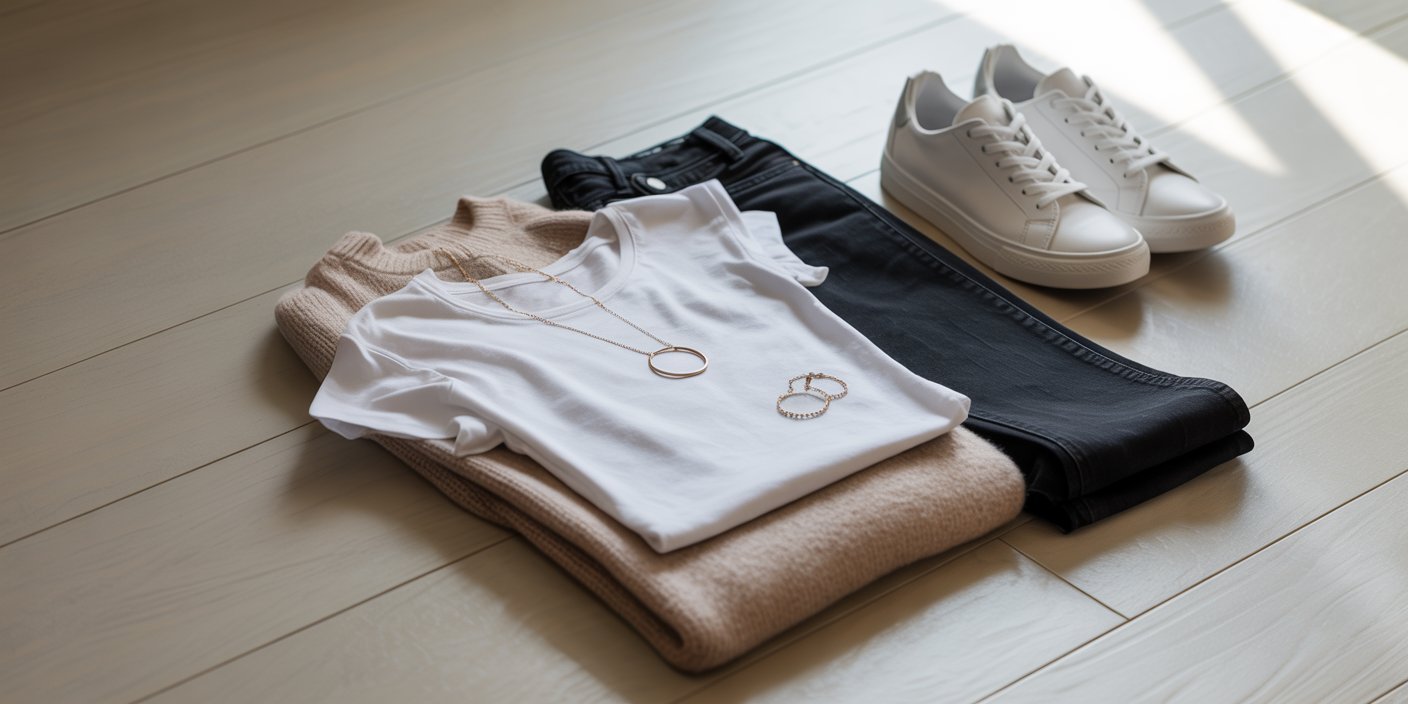

I used to open my closet every morning and feel… overwhelmed. Jackets on jackets, shoes on shoes, and enough T-shirts to start my own retail store.
I would stare at my overflowing racks, desperately searching for something to wear, only to end up frustrated and wearing the same three outfits on repeat.
Sound familiar? If your closet is secretly plotting against you, you’re not alone.
A few months ago, I decided enough was enough. I made a commitment to cut my wardrobe in half. Yes, 50 percent gone—donated, sold, or stored away.
It was terrifying at first. Part of me whispered, “But what if I need that sequined top in July?”
Another part begged, “Maybe just keep the black sweater you never wear, just in case.” But I pushed through the fear, rolled up my sleeves, and started decluttering.
The result? A closet that finally made sense. I could see everything I owned. I spent less time deciding what to wear.
I saved money because I wasn’t buying duplicates or unnecessary clothes.
And most surprisingly, I felt lighter—not just physically, but mentally. Cutting my wardrobe in half didn’t just change my closet—it changed my life.
In this post, I’ll walk you through exactly how I did it, step by step, including practical tips, mindset shifts, and storage hacks.
You’ll learn how to simplify your closet, make better clothing choices, and maintain a wardrobe that works for you—not against you.
Whether you’re a fashion lover drowning in your own collection or just someone who wants a simpler, more functional closet, this guide is for you.
By the end, you’ll see that less really can be more—and that owning fewer clothes doesn’t mean sacrificing style, it means gaining freedom.
Step 1: A Brutally Honest Closet Audit
Before you can cut your wardrobe in half, you need to face the truth: your closet might be bigger than your self-control. A closet audit isn’t about perfection—it’s about honesty.
This is where you stop hiding behind “I might need it someday” and start asking the hard questions about every piece of clothing you own.

I remember standing in front of my closet, surrounded by piles of shirts, pants, and jackets, feeling both guilty and overwhelmed.
There were items with price tags still attached, dresses I hadn’t worn in years, and a suspicious number of black T-shirts that were essentially indistinguishable from one another.
It was clear that the time for gentle decluttering had passed.
A successful closet audit starts with taking everything out. Yes, everything. This gives you a full picture of what you actually own, instead of what you think you own.
Spread it all out and group items by category: tops, bottoms, dresses, jackets, shoes, and accessories.
Seeing it all at once is powerful—you might be surprised how much you’ve accumulated.
Next, it’s time for some tough questions for each item:
- Do I love it? You don’t have to wear it every day, but if it sparks joy or makes you feel confident, it earns a spot.
- Do I wear it? If it’s been in your closet for over a year without seeing the light of day, it’s probably time to let it go.
- Does it fit? Clothes that no longer fit, even with a little adjustment, just take up space and guilt.
- Is it versatile? Pieces that can be styled in multiple ways or paired with several other items are valuable; the rest might be clutter.
- Is it in good condition? Worn-out or damaged clothes are a no-brainer for removal unless you plan to repair them immediately.
Be honest with yourself. The goal isn’t to purge for the sake of purging; it’s to create a functional, intentional wardrobe that supports your lifestyle and style goals.
During my audit, I was ruthless. I set aside three bags of clothes to donate, one for storage, and a small pile for selling. And yes, it was liberating.
By the end of this step, you’ll know exactly what you have and what you actually wear. Your closet will start to feel less like a chaotic storage unit and more like a curated collection.
This foundation is crucial because the next steps—cutting down, organizing, and maintaining—only work if you have a clear starting point.
Step 2: Sorting Into Categories
After completing your closet audit and seeing every piece of clothing you own, the next essential step is sorting your items into categories.
This process is key to understanding your wardrobe and making it manageable.
When everything is laid out in front of you, sorting by category helps you identify duplicates, gaps, and the items you truly wear versus the ones you’ve been holding onto for “just in case.”

Begin with broad categories that make sense for your lifestyle. Tops, bottoms, dresses, outerwear, shoes, and accessories are a good starting point. Within these, consider creating subcategories.
For example, separate casual T-shirts from work blouses, jeans from dress pants, and sneakers from formal shoes.
Grouping similar items together not only makes your wardrobe easier to navigate, but it also highlights pieces that may no longer serve you.
As you sort, create three clear groups: keep, donate, and maybe. The “keep” pile should include items you love, wear regularly, and that fit your current style.
The “donate” pile is for pieces you no longer wear, don’t fit, or simply don’t spark joy. The “maybe” pile can be revisited later, but it’s important to limit its size to avoid indecision becoming clutter.
Sorting into categories is more than just organization—it’s a critical step toward a functional, intentional wardrobe.
Once complete, you’ll have a clear understanding of what you own and what can be removed, setting the stage for a smaller, curated closet that simplifies your daily routine and aligns with your personal style.
Step 3: Building a Capsule Wardrobe Foundation
Once your clothes are sorted and you’ve identified what to keep, it’s time to focus on building a capsule wardrobe foundation.
A capsule wardrobe isn’t about owning the bare minimum; it’s about creating a collection of versatile, high-quality pieces that work together effortlessly.
Think of it as the backbone of your closet—the items you can mix and match every day without stress or clutter.

Start by identifying your core essentials. These are classic pieces that suit your lifestyle, flatter your body, and can be worn across multiple occasions.
For most people, this includes neutral tops, a pair of well-fitting jeans, a versatile blazer, a little black dress, comfortable shoes, and layering basics.
The key is versatility and quality over quantity. Each piece should be something you genuinely love and wear often.
When building your capsule wardrobe, ask yourself: does this item complement at least three other pieces in my closet? If the answer is yes, it earns a spot. If not, it may not belong in your foundational collection.
This approach ensures that every item serves a purpose, reducing decision fatigue and making your daily outfit choices simple and stress-free.
A well-built capsule wardrobe also allows you to experiment with seasonal trends without overloading your closet.
You can add one or two trend pieces for variety while keeping the core of your wardrobe timeless and functional. Over time, this method keeps your closet curated, intentional, and easy to maintain.
Building a capsule wardrobe foundation transforms the way you approach clothing.
It shifts your focus from mindless accumulation to mindful selection, giving you more freedom, style confidence, and the satisfaction of a truly organized closet.
By concentrating on versatile essentials first, you set yourself up for a wardrobe that works for you, not against you.
Step 4: Shifting My Shopping Mindset
Cutting your wardrobe in half isn’t just about removing clothes—it’s also about changing the way you shop.
I quickly realized that no matter how much I decluttered, I would fall back into old habits unless I addressed my shopping mindset.
Mindless purchases had been one of the main reasons my closet was overflowing in the first place.
The first step was to pause before every purchase. I started asking myself questions like: Do I really need this? Do I already own something similar?

Will I wear it more than a few times? These questions may seem simple, but they force you to think critically about each item and prevent impulsive buying.
I also shifted my focus from quantity to quality. Instead of buying multiple inexpensive items that wear out quickly,
I invested in fewer, higher-quality pieces that last longer and feel better to wear. This not only reduced clutter but also saved me money in the long run.
Another change was embracing versatility. I began choosing items that could be styled in multiple ways.
A neutral blouse could be paired with jeans for casual days, tucked into a skirt for work, or layered under a blazer for a night out.
Prioritizing pieces that can be mixed and matched keeps your wardrobe functional without adding excess items.
Finally, I learned to shop intentionally, not emotionally. Sales and trends are tempting, but if a piece doesn’t fit my lifestyle or complement my existing wardrobe, it doesn’t belong.
This mindset shift helped me feel in control of my closet rather than controlled by it.
Changing your shopping habits is one of the most important steps in maintaining a minimalist wardrobe.
By making intentional choices, prioritizing quality and versatility, and avoiding impulsive purchases, you can prevent your closet from overflowing again and ensure that every item you own serves a purpose.
Benefits I Discovered After Cutting My Wardrobe in Half

1. Less Decision Fatigue
Getting dressed became effortless — every piece worked with the others.
2. More Closet Space
My closet now feels organized, airy, and stress-free.
3. Saved Money
Instead of wasting money on fast fashion, I invest in quality pieces that last.
4. More Personal Style
With fewer distractions, my true style became clearer.
5. Environmental Impact
Buying less = less waste = a more sustainable lifestyle.
Why You Should Try It Too
Cutting your wardrobe in half may sound extreme at first, but the benefits are worth it.
When I took the plunge, I discovered that owning fewer clothes didn’t mean sacrificing style—it meant gaining freedom, clarity, and confidence.
First, a smaller, curated wardrobe saves time. With fewer items to choose from, getting dressed in the morning became effortless.
I no longer stared at my closet for ten minutes wondering what to wear, only to pick the same old outfit out of frustration.

Each item I kept now has a purpose and a place, making my daily routine smoother.
Second, it saves money. By buying fewer items and focusing on quality and versatility, I stopped wasting money on duplicates or trend pieces I never wore.
This shift allowed me to invest in better pieces that last longer and feel great to wear.
Third, it reduces mental clutter. Walking into a tidy, organized closet every day is a small but powerful way to feel in control.
Decisions are easier, stress is lower, and the joy of wearing clothes you love is magnified.
Finally, cutting your wardrobe in half encourages mindfulness in every area of life.
It teaches you to be intentional with your choices, from shopping to styling, and even influences how you manage other aspects of your home and routine.
Trying it yourself doesn’t require drastic measures overnight. Start with a closet audit, sort your items, and focus on building a capsule wardrobe foundation.
Even small steps can create noticeable improvements in your style, organization, and peace of mind.
The truth is, a smaller wardrobe isn’t just about clothes—it’s about reclaiming your time, energy, and personal freedom.
Once you experience the benefits, you’ll understand why so many people, myself included, can’t go back to owning excess.
Frequently Asked Questions (FAQs)
How do I know which clothes to keep and which to donate?
Focus on items you love, wear regularly, and that fit your current lifestyle. Clothes that no longer fit, haven’t been worn in over a year, or don’t match your style are usually best donated.
Be honest with yourself—if you haven’t reached for it in the last 12 months, it’s probably not essential.
What is a capsule wardrobe?
A capsule wardrobe is a curated collection of versatile, high-quality clothing that works well together.
It includes timeless essentials that can be mixed and matched for multiple outfits, reducing clutter and simplifying daily dressing.
Can I really live with half the clothes I own?
Yes. A smaller wardrobe encourages intentional choices, focuses on quality and versatility, and eliminates unnecessary items.
Most people find they wear the same 20–30% of their closet regularly, so reducing your wardrobe often doesn’t impact your style.
How do I maintain a minimalist wardrobe long-term?
Regularly audit your closet, rotate seasonal items, and shop intentionally.
Avoid impulse buys and prioritize pieces that fit your lifestyle and complement your existing wardrobe. Setting limits on the number of items per category can also help.
What if I feel guilty about donating clothes?
Donating clothes gives them a second life and helps someone in need. It’s a positive way to declutter responsibly, and it benefits both you and the community.
How often should I reassess my wardrobe?
A seasonal review—every three to six months—is ideal. This allows you to rotate items, remove pieces you no longer wear, and ensure your closet stays functional and organized throughout the year.
Will cutting my wardrobe in half save me money?
Yes. Fewer clothes mean fewer unnecessary purchases.
By focusing on quality and versatility, you spend less on trend items and duplicates, while investing in pieces that last longer and give you more value.
Final Thoughts
Cutting your wardrobe in half is more than just a decluttering exercise—it’s a lifestyle change that brings clarity, freedom, and efficiency to your daily routine.
When you remove excess, focus on quality, and build a versatile capsule wardrobe, getting dressed becomes effortless, your style becomes intentional, and your closet finally feels manageable.
The process may feel daunting at first, but the benefits are undeniable. You save time, reduce stress, spend less money, and gain a better understanding of your personal style.
Plus, adopting a minimalist approach encourages mindfulness, not only in your wardrobe but in other areas of your life.
Remember, this isn’t about depriving yourself; it’s about making intentional choices. Every item you keep should serve a purpose, bring joy, and fit your lifestyle.
With each step—from a brutally honest closet audit to building a capsule foundation and shifting your shopping habits—you move closer to a wardrobe that works for you, not against you.
So take the plunge. Start small if you need to, stay consistent, and enjoy the freedom that comes from owning less.
A half-sized wardrobe doesn’t mean half the style—it means double the clarity, confidence, and peace of mind.