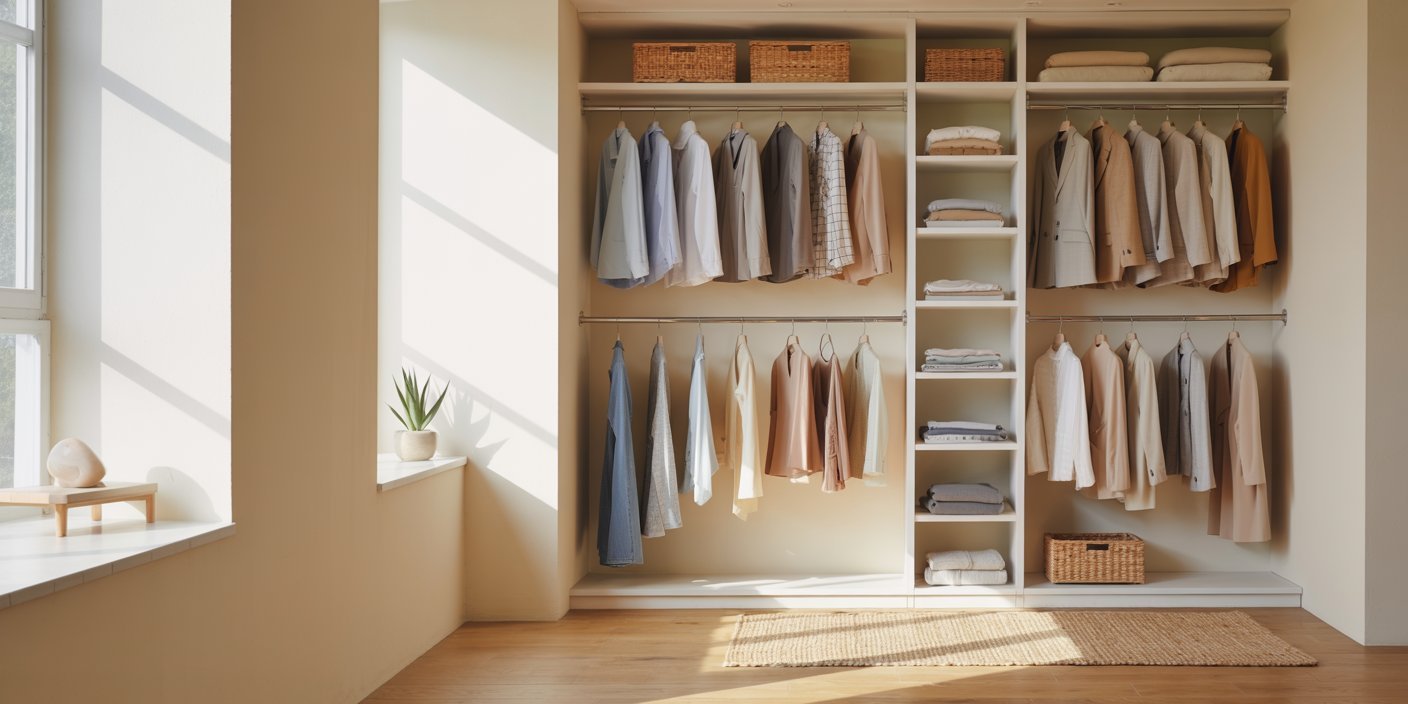

I used to open my closet and feel overwhelmed.
Rows of clothes crammed together, some with tags still on, others I hadn’t worn in years, and a few that didn’t even fit anymore.
Every morning, picking out an outfit felt like a battle.
I kept telling myself I might wear this “someday” or that I had spent too much on certain pieces to let them go.
Slowly, my wardrobe became a source of stress instead of joy.
One Saturday, after tripping over a pile of shoes while rushing to make breakfast for the kids, I knew it was time to take control.
I needed a systematic plan to stop hoarding clothes and truly declutter my wardrobe. Not just a quick tidy, but a long-term approach that would help me keep only what I love and use.
Over weeks of trial and error, I developed a step-by-step routine that completely transformed my closet — and even made getting dressed in the mornings enjoyable again.
Disclaimer: This post may contain affiliate links, which means I may earn a small commission at no extra cost to you. Decluttering is a personal process, and everyone’s comfort level with possessions is different. Focus on creating a wardrobe that supports your needs and lifestyle rather than following a specific number of items.
Amazon Shopping List: How to Stop Hoarding Clothes (A Step-by-Step Plan to Declutter Your Wardrobe)
- Slim Velvet Hangers (Space-Saving Closet Organizers)
- Large Donation Bags or Moving Bags
- Under-Bed Storage Containers
- Closet Shelf Dividers
- Clothing Rack for Sorting Outfits
- Storage Labels and Marker Set
- Foldable Fabric Storage Bins
Step 1: Set Aside Time and Mental Space
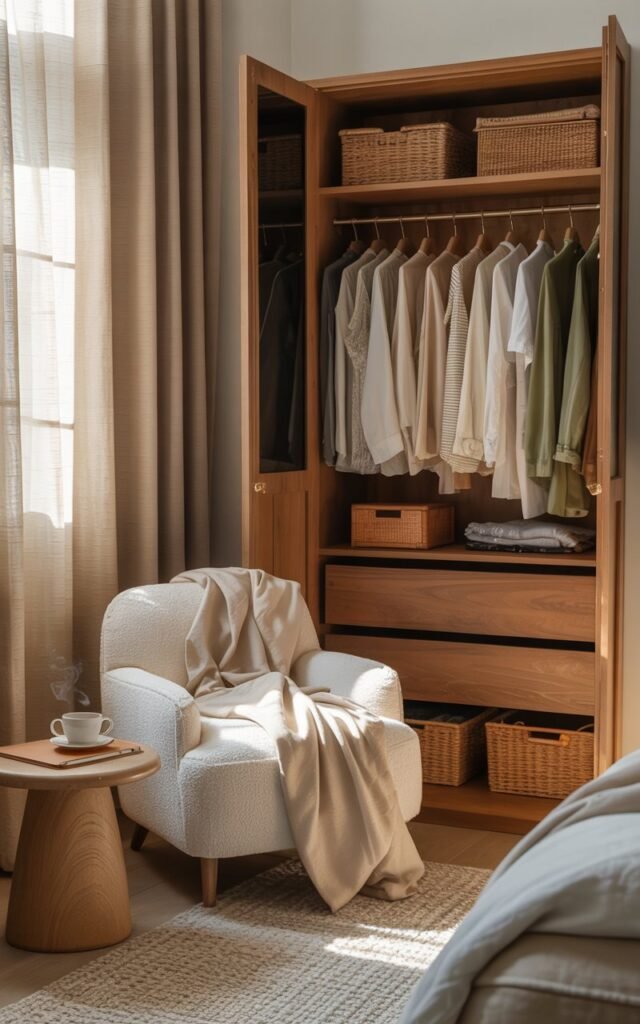
The first thing I did was set aside a whole day — no distractions, no errands, no phone calls.
Decluttering is as much mental as it is physical. I reminded myself that letting go of clothes doesn’t mean giving up memories; it means making space for what truly matters.
I made a cup of tea, played soft music in the background, and mentally committed to the process.
Having a calm, focused environment made it easier to face piles of clothes without feeling anxious or guilty.
Step 2: Empty Your Closet Completely
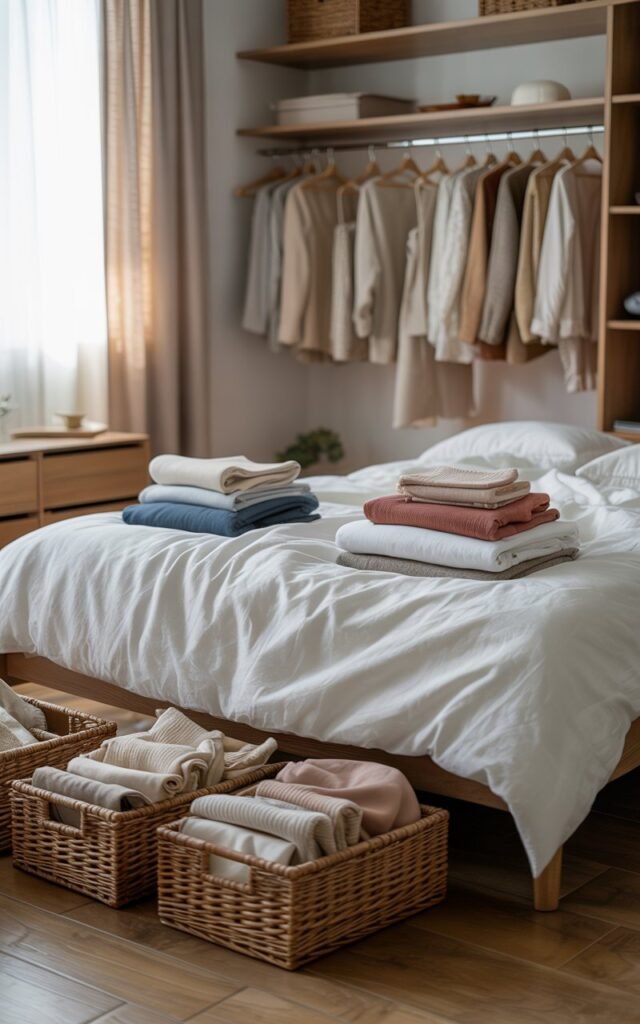
It sounds intimidating, but removing everything from your closet is the most effective first step.
I pulled every shirt, dress, and jacket out and laid them on the bed. Shoes, accessories, and handbags went on the floor.
Seeing all my clothes at once was eye-opening — I realized how many things I’d forgotten I even owned.
This step helped me assess what I had, and it made decisions easier because I wasn’t constantly comparing items to what was still hanging.
I could see clearly which pieces brought me joy and which were simply taking up space.
Step 3: Sort Into Four Piles
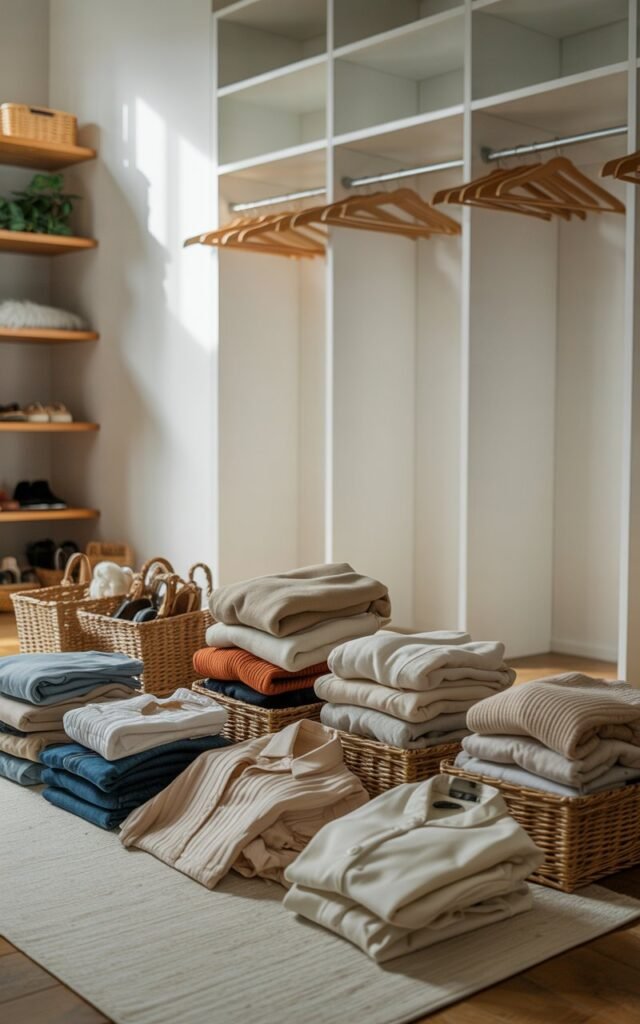
Once everything was out, I created four distinct piles:
- Keep: Clothes I wear regularly, feel confident in, and truly love.
- Donate/Sell: Items in good condition that no longer fit or suit my style.
- Repurpose/Upcycle: Pieces I could alter, cut into rags, or transform.
- Discard: Worn-out clothes, broken shoes, or anything beyond repair.
I took my time with this step. Sometimes I held up a shirt and remembered a special occasion, but I asked myself honestly, “
Will I actually wear this again?” If the answer was no, it went in the donation pile.
Step 4: Evaluate Emotional Attachments
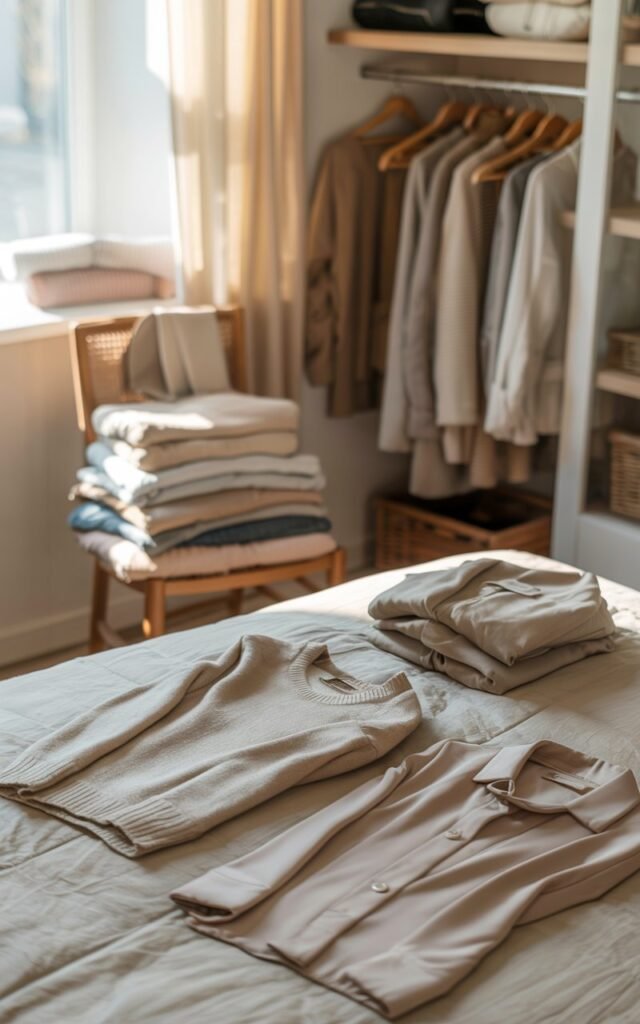
Hoarding isn’t just about physical items; it’s often emotional.
I found old dresses I bought for events I’d barely remembered and sweaters my sister gifted me years ago. Letting go was tough at first.
I reminded myself that memories aren’t in the clothes — they’re in my mind and heart.
Taking a photo of a sentimental item before donating it helped me release it without guilt. For items that truly held meaning but weren’t wearable, I created a small keepsake box.
Step 5: Organize What You Keep
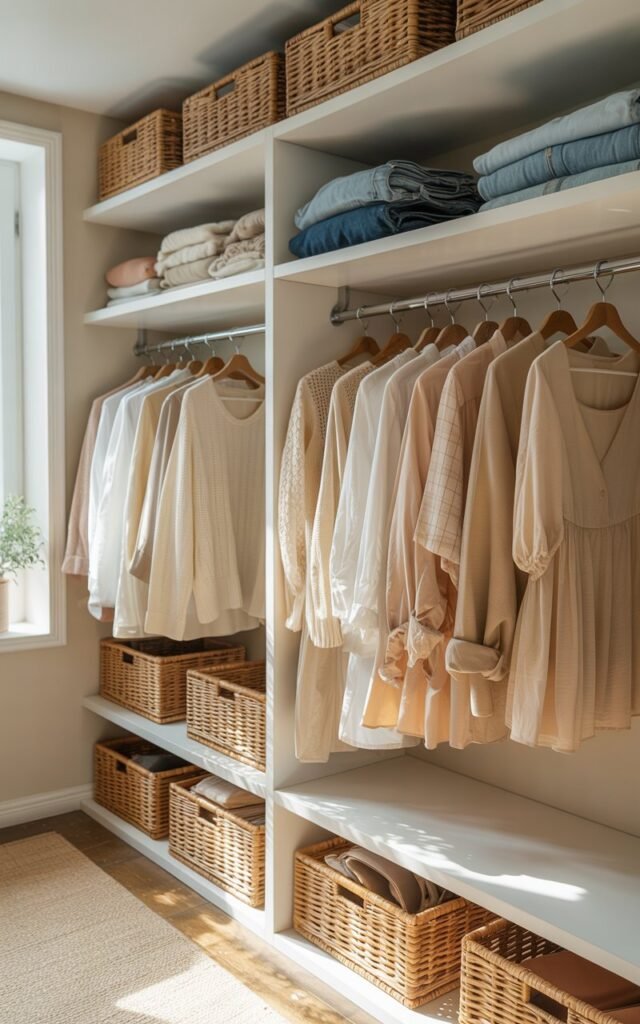
After sorting, it was time to put everything back neatly.
I organized my clothes by type and color — dresses, pants, tops, jackets — and even folded seasonal pieces separately.
I invested in matching hangers and drawer dividers, which made a huge difference in the visual appeal of my closet.
I also placed items I wear most at eye level and easy reach. Clothes I rarely use but want to keep were stored higher or in under-bed boxes.
This simple reorganization made daily dressing effortless and reduced the temptation to overfill my closet again.
Step 6: Commit to a One-In, One-Out Rule
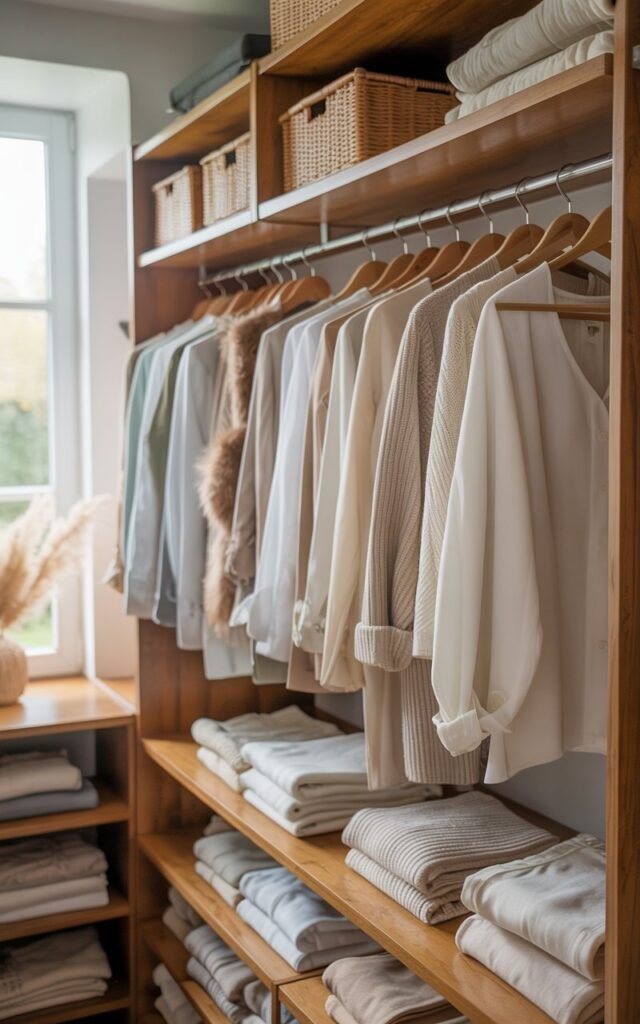
To prevent hoarding from creeping back, I created a one-in, one-out rule.
Whenever I buy a new piece of clothing, I commit to donating or discarding another.
This small habit has kept my wardrobe manageable and intentional.
I also track what I actually wear each week.
If I notice items lingering untouched for months, I evaluate whether they truly deserve to stay.
Over time, this practice made a huge difference in maintaining a decluttered, functional wardrobe.
Step 7: Maintain With Regular Check-Ins
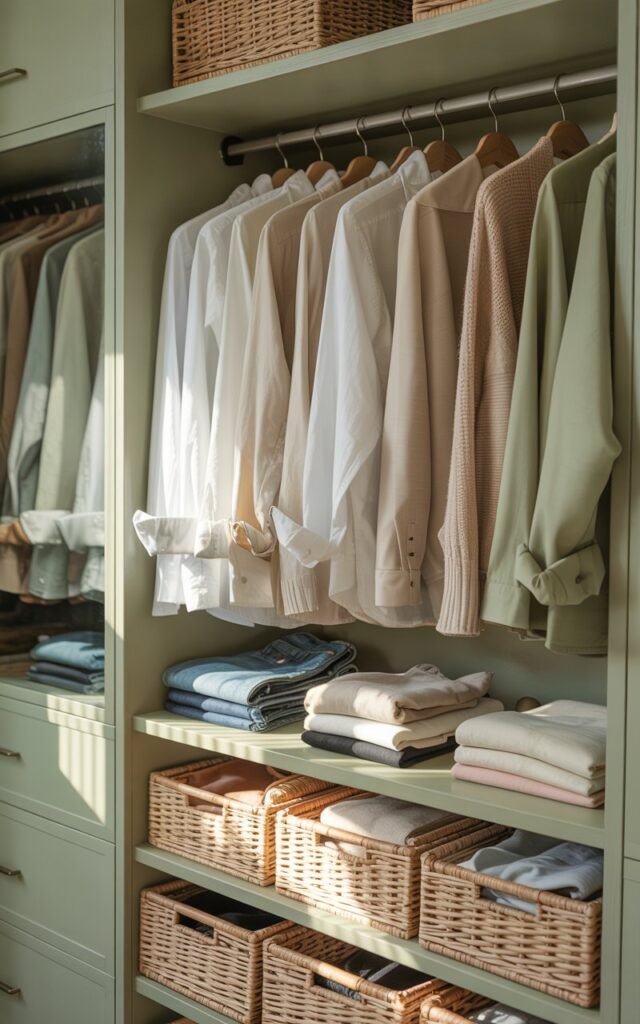
Decluttering isn’t a one-time event.
I schedule a mini-check-in every season — a quick review of what I wore, what I didn’t, and what needs to go.
It’s surprisingly satisfying to remove pieces that no longer serve me and make room for fresh items that I love.
These seasonal reviews also help me stay mindful of my spending and prevent impulse buys from taking over my closet again.
It’s become a routine I actually enjoy — almost like a small self-care ritual.
My Results and Takeaways
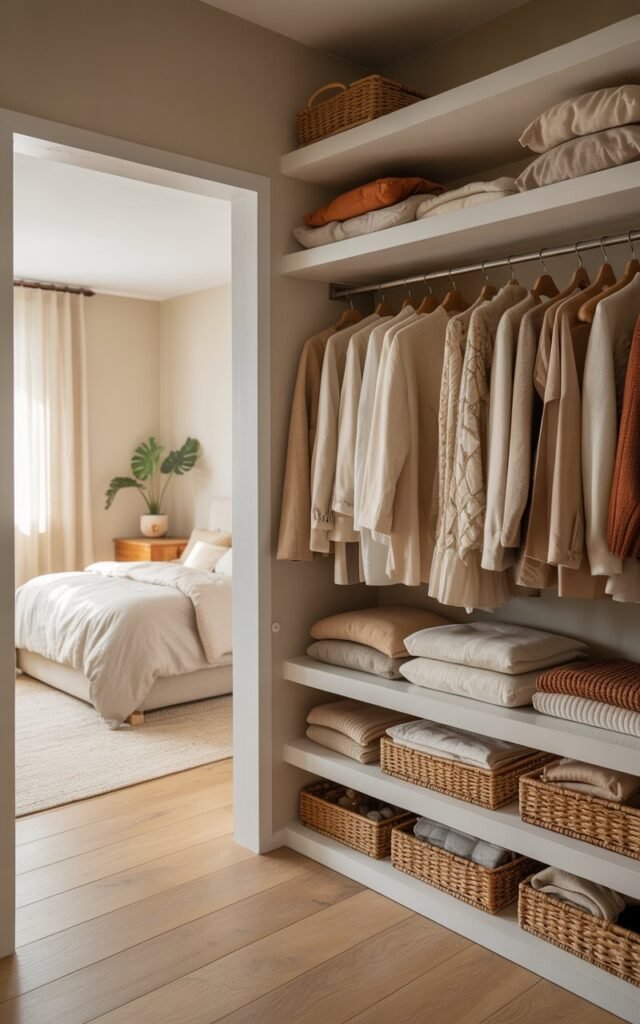
After following this plan, my closet feels airy, organized, and joyful.
I can see every item clearly, and getting dressed in the morning is no longer a stressful task.
I donate regularly, maintain only what I truly love, and even enjoy shopping with intention rather than impulsively buying things I don’t need.
Most importantly, I learned that decluttering is about freedom, not deprivation.
Letting go of hoarded clothes didn’t erase memories or sentimental value — it gave me space, clarity, and a sense of control in my daily life.
Final Thoughts
If you struggle with hoarding clothes, know that change is possible. Start with small steps, create a system, and be patient with yourself.
With intention, consistency, and a little planning, you can transform your wardrobe from chaotic to functional — and discover the joy of a closet full of clothes you actually love and wear.