Building the perfect skincare routine isn’t about copying what everyone else is doing on social media — it’s about understanding your unique skin and giving it exactly what it needs.
Whether you have oily, dry, combination, sensitive, or acne-prone skin, a well-balanced routine can completely transform your complexion.
Think of it as learning the language of your skin — once you get it, every product you use starts working smarter, not harder.
In 2025, skincare isn’t just about looking good; it’s about feeling confident and maintaining long-term skin health.
With countless cleansers, serums, and moisturizers flooding the market, it’s easy to get overwhelmed.
The truth is, you don’t need a 10-step routine to achieve glowing skin — you just need the right steps in the right order, designed for your specific skin type.
This guide breaks down everything you need to know to build a personalized skincare routine that works — no gimmicks, no guesswork.
From identifying your skin type to choosing the right ingredients and layering products correctly, we’ll cover the essentials to help you glow all year long.
So grab your favorite headband, tie your hair back, and let’s get into how to create the perfect skincare routine that actually makes sense for you.
1. Know Your Skin Type
Before you buy any fancy moisturizer or trendy serum, you need to know what you’re working with.
Your skin type is the foundation of your entire skincare routine — get this part wrong, and you’ll spend months wondering why your products aren’t working.

Here’s the deal: everyone’s skin falls into one of five main categories — oily, dry, combination, sensitive, or normal. Knowing yours helps you choose the right formulas, textures, and ingredients.
How to find your skin type:
After washing your face with a gentle cleanser, skip moisturizer and wait about an hour. If your face feels tight and flaky, you’re likely dry.
If your T-zone (forehead, nose, and chin) gets shiny while your cheeks stay normal, you’ve got combination skin.
If your entire face looks glossy and feels slick, you’re dealing with oily skin.
Sensitive types will notice redness or tingling when using certain products, while normal skin usually feels balanced — not too oily or too dry.
Once you identify your skin type, the rest of your skincare routine becomes much easier.
You’ll know exactly what ingredients to look for — like hyaluronic acid for dry skin, salicylic acid for oily or acne-prone types, and niacinamide for combination skin.
Think of this step as the “getting to know you” phase in your relationship with your skin — you can’t care for it properly until you know what it needs.
2. Cleanse the Right Way
Let’s be honest — washing your face sounds like the easiest part of skincare, right? But here’s the twist: most people do it wrong. Cleansing is the foundation of your skincare routine, yet it’s also one of the most overlooked steps.
A proper cleanse does more than just remove makeup or sunscreen — it resets your skin, clears out impurities, and preps it for everything that follows. Think of it as pressing the “refresh” button for your face.

When you cleanse correctly, your serums and moisturizers can actually do their job. But if you’re rushing through it, using the wrong product, or over-washing, you could be stripping your skin barrier — leading to dryness, irritation, and even more breakouts.
Choose the Right Cleanser for Your Skin Type
Here’s where most skincare routines go sideways — using the wrong cleanser. Every skin type has its own needs, and what works for your best friend might be a total disaster for you.
- Oily or Acne-Prone Skin: Look for gel or foaming cleansers with ingredients like salicylic acid, tea tree oil, or niacinamide. These help remove excess oil, unclog pores, and prevent breakouts without over-drying your skin.
- Dry Skin: You’ll want a creamy or hydrating cleanser with ingredients like hyaluronic acid, glycerin, or ceramides. These restore moisture while gently removing dirt.
- Combination Skin: Go for a balanced or gel-cream cleanser that cleanses oily zones without dehydrating your cheeks.
- Sensitive Skin: Stick with fragrance-free and non-foaming cleansers that soothe irritation — look for aloe vera, oatmeal, or chamomile.
- Normal Skin: You have the freedom to choose, but gentle formulas that maintain hydration are your best bet.
Remember, a cleanser shouldn’t make your face feel tight afterward — that’s a red flag that it’s too harsh.
How to Cleanse Properly (Step-by-Step)
- Start with clean hands. Always wash your hands before touching your face — you’d be surprised how much dirt and oil can transfer.
- Use lukewarm water. Hot water might feel nice, but it can strip your skin’s natural oils and cause irritation. Lukewarm is your skin’s best friend.
- Apply the cleanser gently. Use about a nickel-sized amount and massage it in circular motions for at least 60 seconds. Pay attention to areas like the nose, forehead, and chin where oil builds up.
- Don’t rush it. A quick splash and go won’t cut it — the 60-second rule helps your cleanser break down makeup, sweat, and pollutants properly.
- Rinse thoroughly. Make sure no residue remains, as leftover product can lead to dryness or clogged pores.
- Pat dry, don’t rub. Use a clean, soft towel and gently pat your face dry — rubbing creates unnecessary friction and can irritate your skin.
The Magic of Double Cleansing (When to Do It)
If you wear makeup, sunscreen, or live in a polluted city, double cleansing is your secret weapon.
The first cleanse (using an oil-based cleanser or micellar water) breaks down makeup, SPF, and surface oil.
The second cleanse (your regular water-based cleanser) removes deeper dirt and impurities.
This two-step process ensures your pores are clear, your skin feels refreshed, and your serums can penetrate effectively.
It might sound extra, but it’s one of the biggest game changers for clear, glowing skin.
Avoid These Common Cleansing Mistakes
Using harsh scrubs daily: Physical exfoliants can damage your barrier — stick to 2–3 times per week max.
Over-cleansing: Washing more than twice a day can dry out your skin and trigger more oil production.
Using makeup wipes as a cleanser: They don’t actually clean — they just smear residue around.
Skipping the morning cleanse: Even while you sleep, your skin collects oil and bacteria, so a gentle morning wash helps maintain balance.
3. Don’t Skip the Toner
Toner is one of those products people either swear by or completely ignore — but skipping it could be a big mistake.
A well-formulated toner helps balance your skin’s pH, removes any leftover residue, and preps your face for serums and moisturizers.
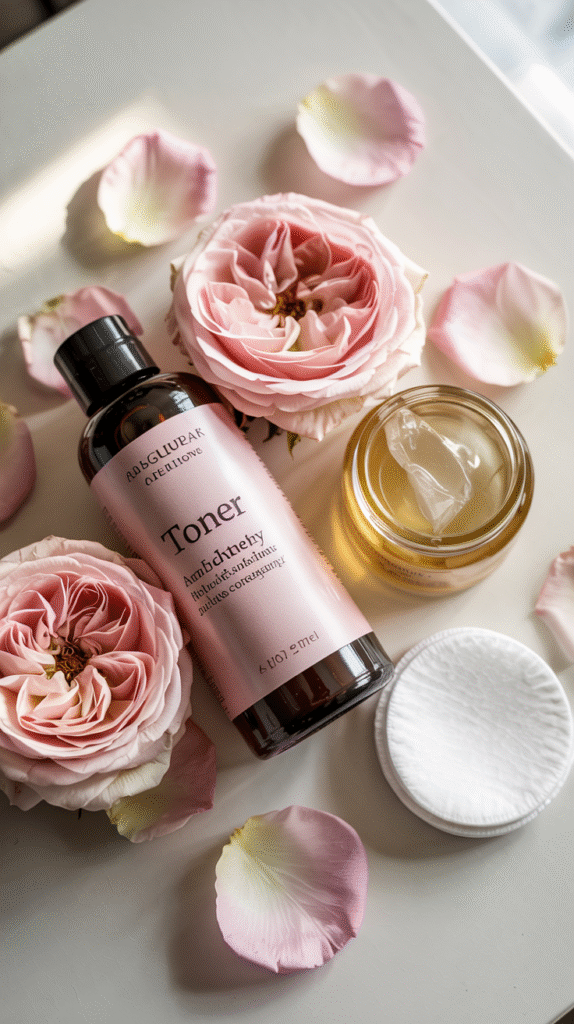
Forget the harsh, alcohol-based toners of the past. Modern toners are packed with hydrating and soothing ingredients like rose water, witch hazel, or green tea extract.
These help tighten pores, calm irritation, and give your skin that smooth, glass-like finish.
How to use toner correctly:
After cleansing, apply toner using a soft cotton pad or your clean hands. Gently pat it onto your face — don’t drag or rub.
Focus on areas that tend to get oily or congested. Let it sink in for a few seconds before moving to the next step.
For dry or sensitive skin, opt for an alcohol-free toner with hyaluronic acid or chamomile. Oily skin types can benefit from toners with niacinamide or salicylic acid to control shine and minimize breakouts.
When used correctly, toner acts like a bridge between cleansing and moisturizing — it gives your skin that extra hydration boost and ensures your next products absorb better.
4. Exfoliate 1–2 Times a Wee
If your skin ever looks dull or feels rough, exfoliation is your best friend — it’s like hitting the “refresh” button for your face.
Exfoliating removes dead skin cells that sit on the surface and block your natural glow. It also helps your skincare products absorb better and reduces the chances of clogged pores or breakouts.
Basically, exfoliation is that secret step between “meh” skin and “wow, you’re glowing” skin.
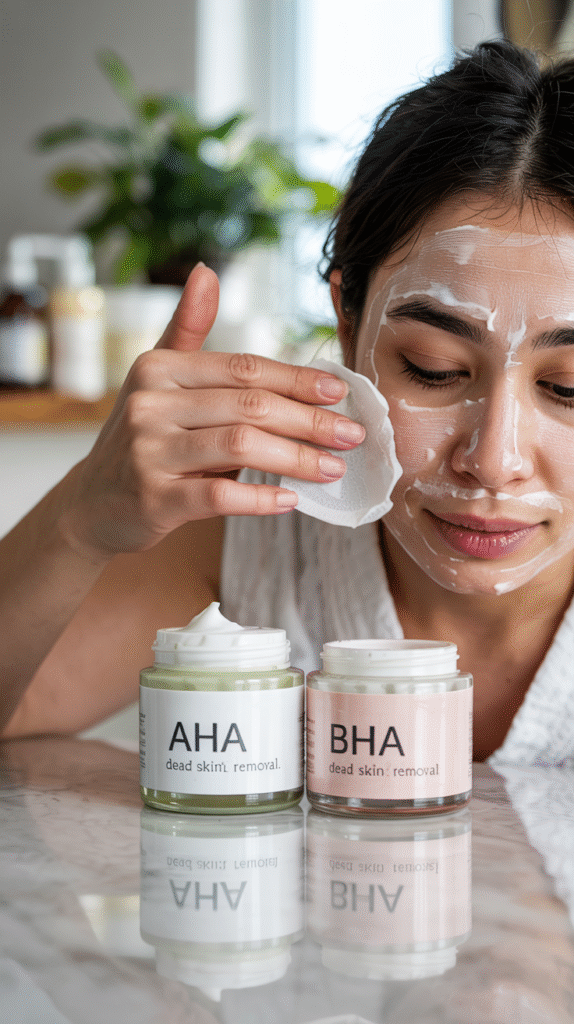
But before you grab a scrub and go to town, let’s talk balance. Too much exfoliation can actually damage your skin barrier, causing redness, dryness, and irritation.
The golden rule? Exfoliate only one to two times per week. That’s enough to keep your skin smooth and fresh without overdoing it.
Types of Exfoliation
There are two main types of exfoliation — and both have their place in your skincare routine:
- Physical exfoliation: This involves using scrubs or brushes to manually remove dead skin. Look for gentle scrubs with fine particles like rice powder or jojoba beads. Avoid anything that feels harsh or scratchy — your skin isn’t a kitchen counter.
- Chemical exfoliation: These use acids like AHAs (glycolic or lactic acid) and BHAs (salicylic acid) to dissolve dead skin cells. AHAs are great for dry or dull skin, while BHAs work wonders for oily or acne-prone skin since they clean deep inside pores.
How to Exfoliate Properly
- Start with a clean face. Always exfoliate after cleansing, never before.
- Apply your exfoliant gently — whether it’s a scrub or chemical formula. Don’t scrub aggressively; let the product do the work.
- If using a chemical exfoliant, follow the instructions on the label. Some should be rinsed off, while others can stay on.
- Always follow up with a hydrating serum or moisturizer — exfoliating can make your skin more vulnerable to dryness.
- And don’t forget sunscreen the next day (or every day). Freshly exfoliated skin is extra sensitive to UV rays.
Pro Tip:
If you’re new to exfoliating acids, start slow — maybe once a week — and see how your skin reacts. You can gradually increase frequency as your skin builds tolerance.
5. Hydrate With a Suitable Moisturizer
If exfoliation is the “reset” step, moisturizing is the “seal the deal” step. No matter your skin type, hydration is non-negotiable.
Moisturizers lock in water, strengthen your skin barrier, and prevent dryness — even oily skin needs it.
Skipping moisturizer is like baking a cake and forgetting the frosting. Sure, it’s edible, but it’s missing the best part.
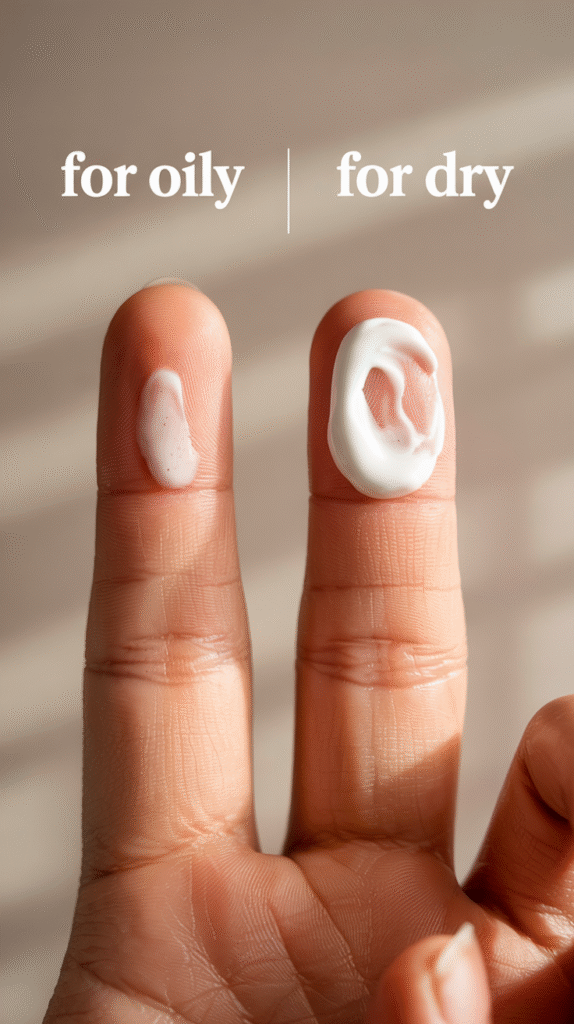
How to Choose the Right Moisturizer for Your Skin Type
- Dry Skin: Go for a rich cream moisturizer with ingredients like shea butter, ceramides, or hyaluronic acid. These deeply hydrate and help rebuild your skin barrier.
- Oily or Acne-Prone Skin: Choose a lightweight, gel-based moisturizer that’s oil-free and non-comedogenic. Look for niacinamide or squalane to balance sebum without clogging pores.
- Combination Skin: Opt for a balancing moisturizer — a gel-cream formula that hydrates dry areas but doesn’t make your T-zone greasy.
- Sensitive Skin: Stick with fragrance-free, soothing moisturizers that contain aloe vera, colloidal oatmeal, or panthenol.
- Normal Skin: You’ve got flexibility, but choose something that maintains hydration and keeps your skin soft throughout the day.
When and How to Apply Moisturizer
- Apply while your skin is still slightly damp. This helps lock in moisture and gives your skin a dewy finish.
- Use a pea-sized amount and gently massage it into your face in upward motions.
- Don’t forget your neck and jawline — they age just as fast as your face.
- Use a lighter moisturizer in the morning and a richer one at night if your skin needs extra nourishment.
Why Moisturizing Matters
Even if your skin produces oil, it still needs water. In fact, dehydrated skin can trigger more oil production, leading to that frustrating cycle of shine and breakouts.
Regular moisturizing keeps your skin balanced, smooth, and ready to handle makeup, sun exposure, or whatever the day throws your way.
Your skin barrier will thank you — and you’ll notice fewer dry patches, less irritation, and a more consistent glow.
6. Treat with Serums or Spot Treatments
This is where your skincare routine goes from basic to powerful. Serums and spot treatments are like your skin’s personal problem-solvers — they target specific concerns like acne, dark spots, fine lines, or dullness.
They’re packed with active ingredients that penetrate deeper than moisturizers can, so they deliver real results over time.
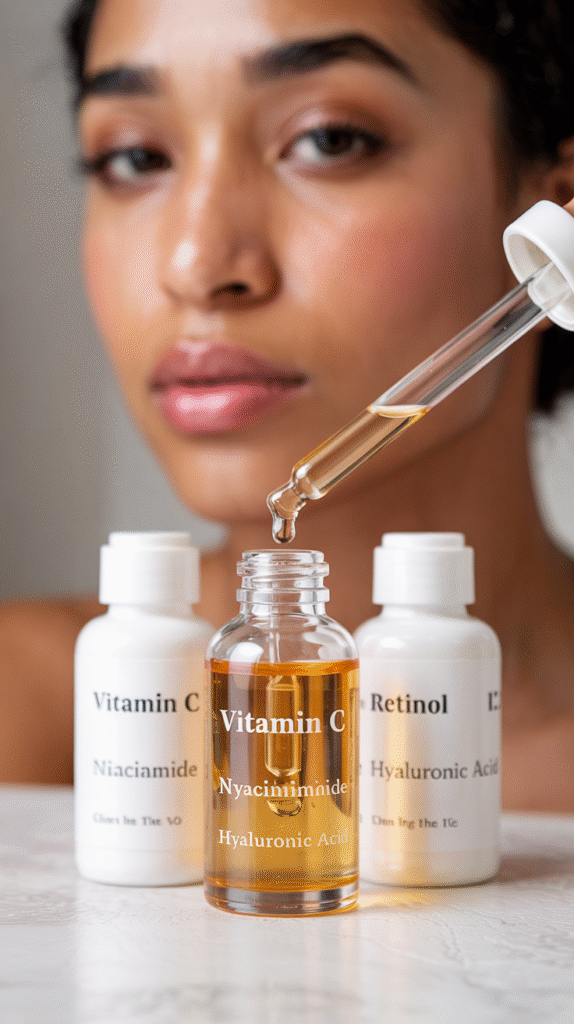
Think of serums as your skin’s daily vitamins — small but mighty. And the best part? You can tailor them to your exact needs.
How to Choose the Right Serum or Treatment
- For Brightening and Glow: Go for a Vitamin C serum to fade dark spots and boost radiance.
- For Hydration: Look for hyaluronic acid or panthenol to plump up dry, tired skin.
- For Acne or Breakouts: Choose salicylic acid or benzoyl peroxide treatments to unclog pores and reduce inflammation.
- For Anti-Aging: Retinol or peptide serums help reduce fine lines and improve firmness over time.
- For Uneven Texture or Redness: Niacinamide is a great all-rounder that calms redness, evens skin tone, and improves texture.
How to Apply Serums or Spot Treatments
- After cleansing and toning (and exfoliating if it’s that day), apply your serum on slightly damp skin.
- Use 2–3 drops — a little goes a long way.
- Gently press it into your skin instead of rubbing. This helps absorption and avoids tugging.
- Wait about one minute before applying moisturizer to lock it all in.
If you’re using multiple serums, layer from thinnest to thickest texture — for example, Vitamin C first, then hyaluronic acid.
For spot treatments, dab the product only where you need it — usually at night — and avoid spreading it across your whole face unless instructed.
Pro Tip:
When using active ingredients like retinol or acids, introduce them slowly. Use them a few nights a week at first to avoid irritation, and always follow with moisturizer and sunscreen in the morning.
The Bottom Line
Treating your skin is where you start seeing the transformation. The glow, the smoothness, the confidence — it all begins when you target your skin’s specific needs. Consistency is everything, and patience pays off.
7. Always Wear Sunscreen (Even Indoors)
If there’s one skincare rule that never goes out of style, it’s this: never skip sunscreen. It doesn’t matter if it’s sunny, cloudy, or you’re working from home — UV rays don’t care about your schedule.
They can penetrate through windows and screens, slowly causing damage that leads to dark spots, premature wrinkles, and uneven skin tone.
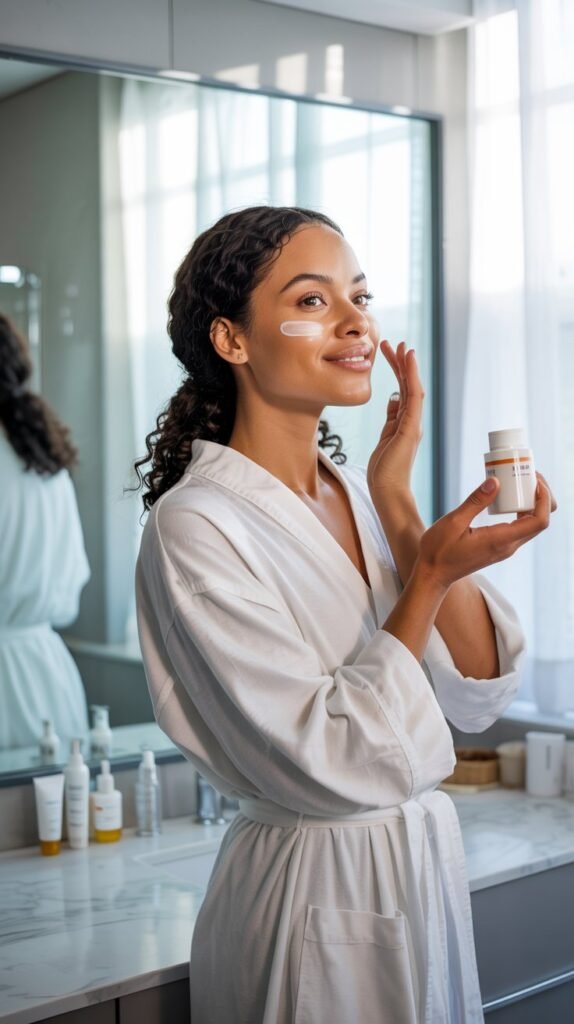
Sunscreen is your ultimate defense against both visible and invisible damage. You can spend hundreds of dollars on serums and moisturizers, but if you’re not protecting your skin from the sun, you’re basically undoing all your hard work.
Why Sunscreen Matters Every Single Day
- Prevents premature aging: Up to 90% of visible aging signs — fine lines, wrinkles, and sagging — are caused by UV exposure.
- Reduces dark spots and hyperpigmentation: Sunscreen prevents existing spots from getting darker and stops new ones from forming.
- Lowers the risk of skin cancer: It’s the most important reason — long-term UV exposure significantly increases risk.
- Protects against blue light: Many modern sunscreens also protect against blue light from phones and computers, which can also contribute to pigmentation.
How to Apply Sunscreen Properly
- Use a broad-spectrum SPF 30 or higher — this protects against both UVA (aging) and UVB (burning) rays.
- Apply it as the last step in your morning skincare routine, right before makeup.
- Use enough product — a nickel-sized amount for your face and neck, or the “two-finger rule” (two lines of sunscreen along your index and middle finger).
- Don’t forget your neck, ears, and hands — they show aging just as much as your face.
- Reapply every two hours if you’re outdoors or after sweating.
Choosing the Right Sunscreen for Your Skin Type
- Oily Skin: Go for oil-free, gel, or matte finish formulas.
- Dry Skin: Choose moisturizing sunscreens with added hyaluronic acid or ceramides.
- Sensitive Skin: Look for mineral-based sunscreens with zinc oxide or titanium dioxide — they’re gentler.
- Dark Skin Tones: Pick sheer or invisible formulas that don’t leave a white cast.
In short, sunscreen is your best anti-aging product. It’s not optional — it’s essential. Even the most advanced skincare routine won’t work if you’re skipping protection.
8. Build a Night Routine for Recovery
If your morning routine protects your skin, your night routine repairs it. Think of nighttime as your skin’s reset button — while you sleep, your body goes into recovery mode, producing new cells and repairing damage from pollution, sun exposure, and stress.
This is when your skincare products can really get to work without interference from makeup, sweat, or UV rays.
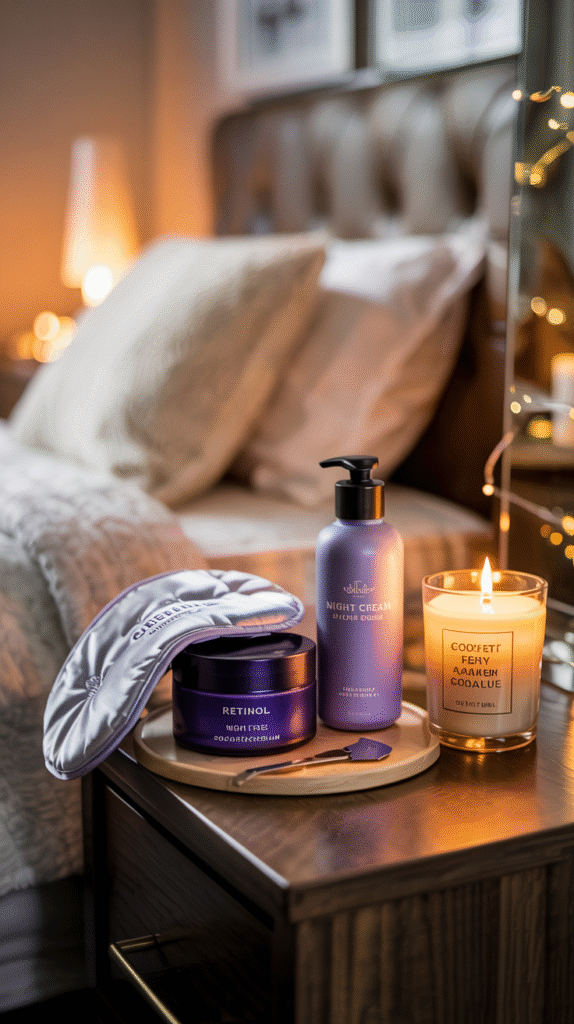
Why a Night Routine Matters
At night, your skin’s natural regeneration process is at its peak. Blood flow increases, collagen production boosts, and pores open up to absorb nutrients better.
Skipping your night routine is like leaving your phone on 1% battery and expecting it to last all day.
What to Include in Your Night Routine
- Double Cleanse: Start by removing makeup and sunscreen with a cleansing balm or oil, then follow up with your regular gentle cleanser. This ensures your pores are completely clean.
- Tone (Optional): If you use toner, apply it to rebalance your skin’s pH and prep it for treatments.
- Apply Treatments or Serums: This is the perfect time to use actives like retinol, peptides, or exfoliating acids. Your skin is most receptive at night.
- Use a Nourishing Moisturizer or Night Cream: Night creams are usually thicker and help seal in hydration so your skin can recover overnight.
- Don’t Forget Your Eyes and Lips: Apply a hydrating eye cream to prevent fine lines and a nourishing lip balm to wake up with soft lips.
Bonus: The Power of Consistency
You don’t need 10 steps every night — consistency is what matters. A simple 3–5 step routine you stick to will always outperform a complicated one you only do twice a week.
Pro Tip:
Change your pillowcase twice a week and avoid sleeping directly on your face — it helps prevent breakouts and fine lines.
Your night routine is your skin’s “me-time.” Treat it that way, and you’ll start noticing a healthier, more radiant complexion in just a few weeks.
9. Use Face Masks Wisely
Face masks are like mini spa treatments you can do right at home. They give your skin an instant boost, whether it’s hydration, detox, or brightness.
But here’s the catch — not every mask suits every skin type, and using them too often can do more harm than good.
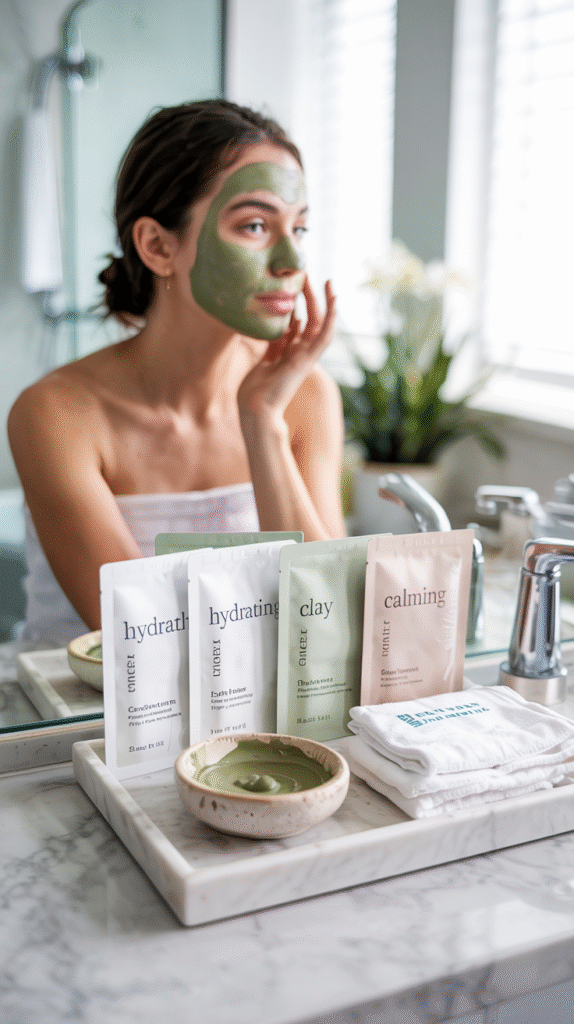
Why Face Masks Work
Face masks work by delivering concentrated ingredients to the skin in a short time. They can help:
- Deeply hydrate and soothe dry skin
- Draw out impurities and unclog pores
- Brighten dull complexions
- Calm redness or irritation
- Give your skin that fresh, post-facial glow
But moderation is key — once or twice a week is plenty for most skin types.
Different Types of Face Masks (and When to Use Them)
- Clay Masks: Great for oily or acne-prone skin. They absorb excess oil and clean out pores. Don’t let them dry completely — rinse when it starts to tighten slightly.
- Sheet Masks: Perfect for hydration and glow. Packed with serums that leave your skin dewy and plump.
- Cream Masks: Ideal for dry or mature skin. They replenish moisture and soothe irritation.
- Gel Masks: Cooling and lightweight — best for sensitive or combination skin.
- Exfoliating Masks: Contain AHAs, BHAs, or enzymes that remove dead skin cells — best used sparingly, maybe once a week.
How to Use a Face Mask Properly
- Start with a clean, dry face — masks work best on bare skin.
- Apply evenly and avoid the eye area.
- Follow the instructions — more time doesn’t equal better results.
- Rinse gently or remove with a damp towel.
- Always follow up with toner and moisturizer to lock in the benefits.
A Quick Reality Check
Face masks are not a substitute for a consistent skincare routine. Think of them as a treat — an enhancement, not a solution.
When used correctly, they boost your results and give your skin that extra glow when you need it most.
10. Stay Consistent With Your Routine
If there’s one secret that every dermatologist and skincare enthusiast agrees on, it’s this — consistency beats perfection every time.
You could have the best products in the world, but if you only use them once in a while, your skin won’t see the results you’re hoping for.

Skincare is a marathon, not a sprint. The magic happens when you stick with your routine day after day — even when you’re tired, busy, or not seeing immediate changes.
Think of it like going to the gym: one workout won’t give you abs, but showing up regularly absolutely will.
Why Consistency Matters So Much
Your skin has its own natural renewal cycle that typically lasts around 28 days. That means it takes about a month of consistent care to truly notice visible improvement — smoother texture, fewer breakouts, and a more even tone.
Constantly switching products or skipping steps resets that progress, and your skin never gets a chance to balance itself.
Consistency also helps your skin adapt to ingredients. Some active ingredients like retinol or vitamin C need time for your skin to build tolerance.
When you stick with them, they start delivering their full benefits — brighter, firmer, and healthier skin over time.
Tips for Staying Consistent
- Keep it simple. A three-step routine done every day is better than a 10-step one you give up on.
- Make it a ritual. Turn your skincare time into something relaxing — light a candle, play music, or treat it as your personal self-care break.
- Be patient. Real results take time. Track your progress with photos instead of relying on memory — it helps you stay motivated.
Consistency builds confidence — both in your skin and in yourself. When you show up for your skin daily, it shows up for you with that healthy, effortless glow.
11. Adjust Seasonally
Your skin doesn’t stay the same all year — so your skincare routine shouldn’t either.
Just like you swap out your wardrobe when the seasons change, your skincare needs a few adjustments to keep up with the weather, humidity, and temperature.

Why Seasonal Skincare Changes Are Important
Environmental conditions can drastically affect how your skin behaves. In the summer, heat and humidity increase oil production and sweat, often leading to clogged pores or breakouts.
In the winter, cold air and indoor heating can strip your skin of moisture, leaving it dry and flaky.
By making small seasonal tweaks, you can keep your skin balanced and happy all year long.
How to Adjust Your Skincare for Each Season
- Summer:
Go for lightweight, oil-free moisturizers and switch to gel cleansers. Don’t forget to reapply sunscreen more often since UV exposure is higher. Exfoliate regularly to prevent sweat buildup from clogging pores. - Winter:
Hydration is your best friend. Use cream-based cleansers and richer moisturizers to lock in moisture. Add hyaluronic acid serums and facial oils if your skin feels tight or dry. - Spring:
Think renewal — exfoliate gently to shed dull winter skin, and introduce antioxidants like Vitamin C to brighten your complexion. - Fall:
Transition back to slightly heavier moisturizers and soothing products to prepare your skin for colder air. Consider adding a mild exfoliant to keep your skin clear as it adjusts.
Pro Tip:
Listen to your skin. It often tells you what it needs — if it’s dry, it’s craving moisture; if it’s shiny, it might need balance. Adjust your routine accordingly instead of sticking rigidly to the same products all year.
A well-adjusted skincare routine keeps your glow consistent through every season — whether it’s summer sunshine or winter chill
12. Don’t Forget Your Neck and Chest
Let’s be real — most of us are guilty of stopping our skincare right at the jawline. But your neck and chest (or décolletage) deserve just as much attention as your face.
These areas are often the first to show signs of aging, sun damage, and dehydration — mainly because we tend to neglect them.

Why the Neck and Chest Need Skincare Too
The skin on your neck and chest is thinner and more delicate than your face, meaning it loses elasticity faster.
Years of sun exposure, perfume, and friction from clothing can lead to uneven tone, fine lines, and sagging skin over time.
How to Care for Your Neck and Chest Properly
- Extend every step downward. Whatever you apply to your face — cleanser, toner, serum, moisturizer, sunscreen — bring it down to your neck and chest.
- Be gentle. Use upward strokes when applying skincare to the neck. Avoid harsh rubbing or pulling, as that can lead to creasing and irritation.
- Exfoliate once a week. A gentle exfoliant helps remove dead skin and keeps the area smooth. Don’t overdo it — once a week is enough.
- Hydrate daily. Use a nourishing moisturizer or even a dedicated neck cream to keep the skin firm and supple.
- Always apply sunscreen. Your neck and chest get just as much sun as your face, especially if you wear open tops — protect them daily.
Extra Care Tips
If you notice early signs of aging or pigmentation, try adding products with peptides, niacinamide, or retinol (in lower concentrations) to help firm and smooth the skin.
Your neck and chest complete your skincare picture — when you care for them, your glow looks uniform, elegant, and timeless. After all, what’s the point of having radiant facial skin if the rest tells a different story?
Frequently Asked Questions (FAQs)
1. What is the correct order for a skincare routine?
The general rule is simple: start with the lightest product and end with the heaviest.
Here’s the proper order: cleanser → toner → serum → moisturizer → sunscreen (morning).
At night, swap sunscreen for a night cream or sleeping mask.
This layering method helps each product absorb properly and ensures that your actives (like serums) can work effectively without being blocked by heavier products.
2. How long does it take to see results from a new skincare routine?
Patience is key when it comes to skincare. You’ll usually start to notice subtle improvements like smoother texture and better hydration after 2–4 weeks.
For major results, especially with concerns like acne, hyperpigmentation, or fine lines, it can take 8–12 weeks of consistent use.
Remember — results depend on consistency, your skin type, and the potency of the ingredients you’re using.
3. Do I really need a toner?
Yes — but only the right kind. Modern toners aren’t harsh like the alcohol-based ones of the past.
They now serve to rebalance your skin’s pH, add hydration, and prep your skin to absorb the next products better.
If your skin is dry or sensitive, go for a hydrating toner with hyaluronic acid or rose water.
For oily or acne-prone skin, look for toners with witch hazel or niacinamide to help control shine and breakouts.
4. How often should I exfoliate my skin?
For most skin types, exfoliating 1–2 times a week is ideal.
Over-exfoliation can strip your skin barrier and cause irritation or dryness.
If you’re new to exfoliating, start slowly and choose gentle chemical exfoliants (like AHAs or BHAs) instead of harsh physical scrubs.
Those with oily or acne-prone skin can handle exfoliation more frequently than those with dry or sensitive skin.
5. Is it okay to mix different skincare brands in one routine?
Absolutely. The key is not the brand — it’s the ingredients.
As long as the products complement each other and don’t contain conflicting actives (like using vitamin C and retinol together if you’re a beginner), mixing is perfectly fine.
Always introduce new products one at a time to see how your skin reacts before layering too many new formulas at once.
6. Can I skip moisturizer if I have oily skin?
No — oily skin still needs hydration!
Skipping moisturizer can actually make your skin produce more oil to compensate for dryness.
Use a lightweight, oil-free, gel-based moisturizer that keeps your skin hydrated without clogging pores.
Hydrated skin helps balance oil production and reduces breakouts over time.
7. What’s the difference between day and night skincare routines?
Your day routine focuses on protection — cleansing, hydrating, and shielding your skin from UV rays and pollution with sunscreen.
Your night routine is about repair — using serums, moisturizers, and sometimes retinol to help your skin regenerate while you sleep.
Think of it like this: Daytime defends, nighttime restores.
8. Do I need to change my skincare routine with the seasons?
Yes — your skin’s needs shift with the weather.
In the summer, you might need lighter products and more oil control, while winter calls for richer moisturizers and added hydration.
Adjusting seasonally ensures your skin stays balanced, comfortable, and glowing year-round.
9. How can I tell if a product is working for my skin type?
Signs it’s working: your skin feels soft, balanced, and looks brighter or more even-toned.
Signs it’s not: increased breakouts, redness, burning, or tightness.
If you notice irritation, stop using the product immediately and reintroduce it slowly, or switch to something gentler.
10. Can I build an effective skincare routine on a budget?
Definitely! Skincare doesn’t have to be expensive to be effective.
There are plenty of affordable brands that offer quality formulations with proven ingredients like niacinamide, hyaluronic acid, and ceramides.
Focus on the basics — cleanser, moisturizer, and sunscreen — then add extras like serums or masks as your budget allows.
Consistency matters far more than price tags.
Final Thoughts:
Building the perfect skincare routine for your skin type isn’t about perfection — it’s about progress and paying attention to what your skin is telling you.
Some days, it might need a little more hydration; other days, it might crave a deep cleanse or a calming serum. The secret is consistency and care.
When you commit to a thoughtful, customized skincare routine, you’re doing more than improving how your skin looks — you’re investing in its long-term health.
Over time, you’ll notice smoother texture, fewer breakouts, and that natural glow that no highlighter can fake.
And remember, skincare isn’t one-size-fits-all. Your routine should evolve with your environment, your hormones, and even the seasons. So, don’t be afraid to tweak, test, and find what truly works for you.
Because at the end of the day, great skin isn’t about trends or expensive products — it’s about understanding your skin, treating it with respect, and showing up every day to care for it. Do that, and glowing skin won’t be a goal — it’ll be your new normal.