Every woman’s body is unique — and that’s exactly what makes style so beautiful. Yet, one of the biggest challenges many women face is understanding what works best for their body.
You may love fashion, follow trends, and fill your closet with the latest pieces, but somehow, your outfits don’t always look as flattering or cohesive as you imagined.
The truth is, the key to effortless, confident dressing isn’t owning designer clothes or chasing trends — it’s understanding your body shape.
When you know your body shape, fashion becomes less about hiding “flaws” and more about celebrating what makes you uniquely you.
The right silhouette, neckline, and fit can transform the way your clothes look and feel.
Suddenly, everything falls into place — jeans fit better, dresses highlight your best features, and even casual outfits appear thoughtfully styled.
It’s not about changing your body; it’s about dressing in harmony with it.
Many women underestimate how much understanding their proportions can simplify their wardrobe decisions.
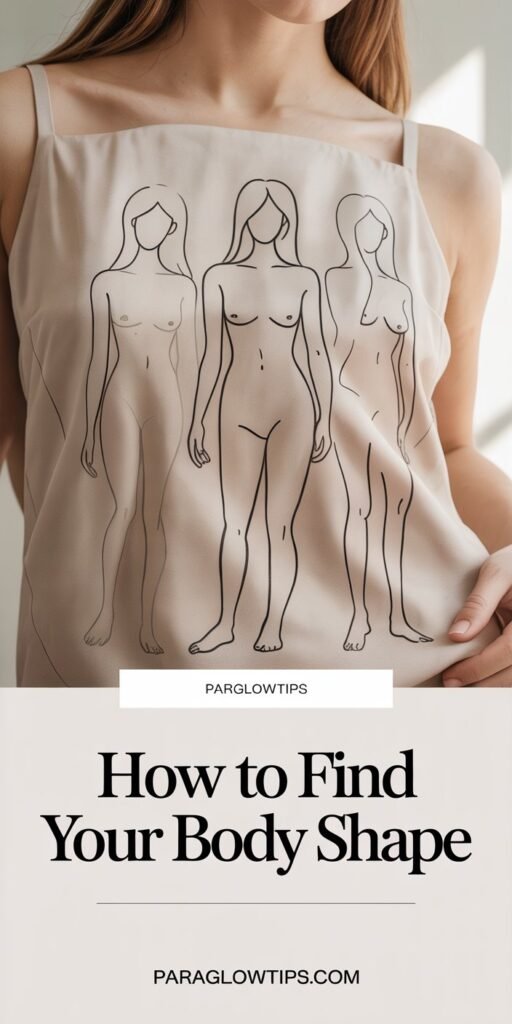
For instance, a pear-shaped woman (narrow shoulders, wider hips) will shine in outfits that balance her frame — such as structured tops and A-line skirts.
An hourglass body type, with a naturally defined waist, looks stunning in wrap dresses and fitted styles that highlight her curves.
Meanwhile, rectangular and athletic shapes can create the illusion of curves through layers, belts, and textures.
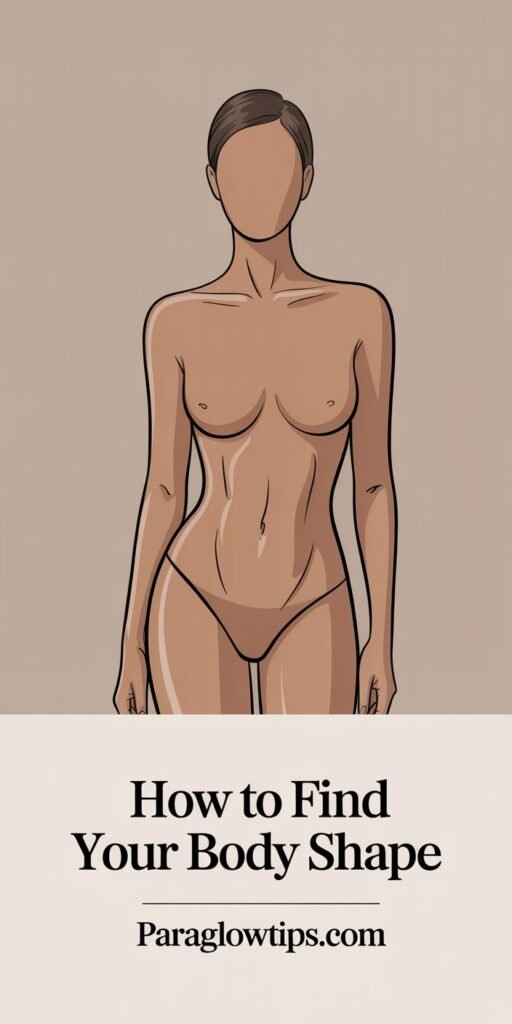
In this comprehensive styling guide, we’ll help you find your body shape step-by-step using simple measurements and visual cues.
We’ll explore the five main body types — hourglass, pear (triangle), apple (inverted triangle), rectangle, and oval — and show you exactly how to dress each shape beautifully.
You’ll also learn what to wear, what to avoid, and how to choose clothes that enhance your best features, from your shoulders to your hips.
Whether you’re redefining your style, curating a capsule wardrobe, or simply looking to feel more confident in your everyday outfits, this guide will help you transform the way you view your body and your fashion choices.
Because when you truly understand your shape, style becomes effortless.
Disclaimer: Style recommendations are general suggestions and not requirements. Every person’s proportions, preferences, and comfort levels are different, and there is no single “correct” way to dress for any body shape.
Amazon Shopping List: Styling Guide for Apple Body Shape Women
- V-Neck Basic Tops Collection
- Longline Blazer or Lightweight Jacket
- High-Rise Straight-Leg Jeans
- A-Line Midi Dress
- Structured Crossbody Handbag
- Comfortable Pointed-Toe Flats
- Full-Length Mirror for Outfit Planning
Why Body Shape Matters More Than Trends
Trends come and go, but your body shape is what truly defines how clothes fit and flatter you. Think of it this way:
- A trendy piece can look different on every shape. The same dress that’s perfect on an hourglass might feel unflattering on a rectangle.
- You save money. No more wasting on clothes that don’t feel right — you’ll shop with purpose.
- You build confidence. Outfits stop being about hiding flaws and start being about celebrating your best features.
- It simplifies your wardrobe. Once you know what works, your closet naturally becomes more functional.
Step 1: Take the Right Measurements
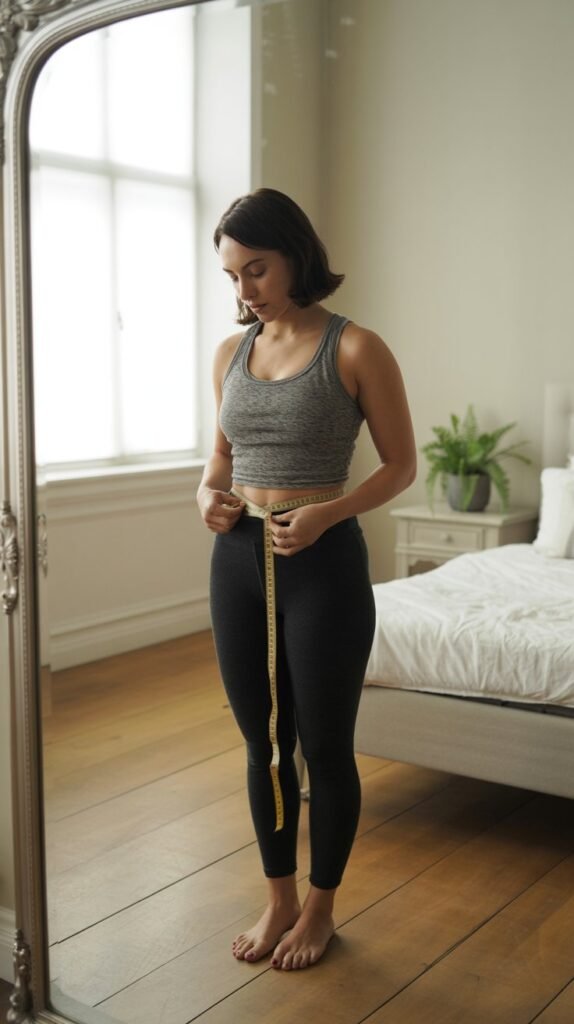
Before you can determine your body shape, you need to start with accurate measurements. Think of this step as building the foundation for everything that follows — the more precise your numbers are, the clearer your body shape results will be.
Don’t worry, it’s simple and only takes a few minutes. All you’ll need is a flexible measuring tape, a mirror, and ideally, someone to help you for accuracy (though you can easily do it yourself).
When taking measurements, make sure you’re wearing form-fitting clothing or undergarments, stand straight, and keep the measuring tape snug but not tight.
Write each number down as you go — these will help you identify which part of your body is most prominent.
Here are the four key areas to measure:
- Shoulders – Wrap the tape around the fullest part of your shoulders, making sure it runs evenly across your back and around to the front. If possible, ask someone to help since this can be tricky to do solo.
- Bust – Measure around the fullest part of your bust, keeping the tape level across your back and under your arms. Don’t pull too tight; the goal is to capture your natural size.
- Waist – Find your natural waistline, which is usually just above your belly button and below your ribcage. This is typically the narrowest part of your torso. Keep the tape comfortable — not squeezing your skin.
- Hips – Measure around the widest part of your hips and buttocks. The tape should sit straight and parallel to the floor for the most accurate result.
Once you have these four numbers — shoulder, bust, waist, and hips — you can start comparing their proportions. These differences will reveal your body shape.
For instance, if your hips are wider than your bust and shoulders, you likely have a pear-shaped body.
If your shoulders and hips are roughly the same width with a defined waist, you’re likely an hourglass.
Taking these measurements accurately is the first step toward truly understanding your proportions — and ultimately, learning how to dress in a way that highlights your natural beauty.

Key Measurements:
Before diving deeper into identifying your body shape, it’s essential to understand which measurements matter most and what each one reveals about your proportions.
These numbers aren’t just random figures — they give you valuable insight into how your body is naturally balanced, where your curves fall, and which areas stand out most.
Once you understand your key measurements, styling becomes much easier and more intuitive.
Here are the four key body measurements you should focus on:
- Shoulders:
Your shoulder width helps determine the top portion of your silhouette. Women with broader shoulders often have an inverted triangle or apple shape, while those with narrower shoulders in comparison to their hips may fall into the pear shape category. Measuring your shoulders helps you understand whether your upper body is wider, narrower, or balanced with your hips. - Bust:
The bust measurement reveals whether your chest is proportionate to your shoulders and hips. If your bust and hips are roughly equal, with a well-defined waist, you likely have an hourglass figure. However, if your bust is more prominent than your hips, your body may lean toward the apple or inverted triangle type. - Waist:
This is the most defining measurement for distinguishing between straight and curvy body shapes. A clearly smaller waist compared to your bust and hips typically indicates a curvy figure (hourglass or pear). A more equal measurement between waist, bust, and hips points to a rectangle or athletic body shape. - Hips:
Your hip measurement defines the lower half of your frame. Women with hips that measure wider than their shoulders or bust usually have a pear or triangle body shape, while those with narrower hips compared to shoulders may have an inverted triangle shape. Balanced hips and shoulders typically signal an hourglass or rectangle shape.
When viewed together, these four key numbers paint a complete picture of your natural proportions.
The difference — even just a few inches — between your shoulders, bust, waist, and hips determines your body silhouette.
Knowing these measurements helps you:
- Choose clothes that enhance your proportions.
- Identify where to add structure or volume.
- Understand how certain fabrics and cuts interact with your frame.
Your key measurements are more than just numbers — they’re your personal style map.
Once you’ve taken them accurately, you’re ready to compare and discover your true body shape.
Step 2: Identify Your Body Shape
Now that you’ve carefully taken your key measurements — shoulders, bust, waist, and hips — it’s time to put all that information together and identify your body shape.
Understanding your body shape is about celebrating your natural proportions and learning how to dress in ways that highlight your best features.
It’s not about limitations or trying to fit a specific ideal; it’s about working with your body to feel confident, comfortable, and stylish.
By comparing your measurements, you can determine which of the five most common female body shapes best matches your frame.
Each shape has its own unique characteristics, and knowing yours will make shopping, outfit planning, and even packing for trips much easier.
1. Hourglass Shape
Characteristics:
- Bust and hips are roughly the same width.
- Waist is well-defined and noticeably smaller than the bust and hips.
How to Identify:
If your shoulders and hips are balanced and your waist is clearly narrower, congratulations — you likely have an hourglass figure.
This body type is often considered naturally proportionate, with soft curves that flow from the bust to the hips.
Styling Tips Preview:
Hourglass figures shine in fitted dresses, wrap styles, and high-waisted pants that emphasize the waist while showing off your natural curves.
The key is to avoid overly baggy or shapeless clothing that hides your silhouette.
2. Pear (Triangle) Shape
Characteristics:
- Hips are wider than shoulders.
- Bust is smaller or moderate.
- Waist is defined.
How to Identify:
If your hip measurement is noticeably larger than your shoulders and bust, you have a pear-shaped body. This shape tends to have a narrower upper body compared to a fuller lower half.
Styling Tips Preview:
The goal for pear shapes is to balance proportions. Highlight the shoulders and neckline with structured tops, bright colors, or patterns, while choosing skirts and pants that skim over the hips without clinging too tightly. A-line skirts and bootcut pants work especially well.
3. Apple (Inverted Triangle) Shape
Characteristics:
- Broad shoulders and/or a larger bust compared to hips.
- Less defined waist.
- Slimmer hips and legs.
How to Identify:
If your shoulders or bust are significantly wider than your hips, you may have an apple-shaped body.
This silhouette often carries more weight around the midsection, with a torso that appears fuller.
Styling Tips Preview:
Apple shapes benefit from clothing that draws attention away from the midsection.
Empire waist dresses, V-neck tops, and straight or slightly flared pants help elongate the torso. Accessories like statement necklaces can also shift focus upward.
4. Rectangle (Athletic) Shape

Characteristics:
- Bust, waist, and hips are fairly similar in width.
- Shoulders and hips may be aligned.
- Minimal curves, with a straighter silhouette.
How to Identify:
If your measurements show little difference between bust, waist, and hips, you have a rectangular or athletic shape.
Your figure is naturally lean, with a balanced, straight frame.
Styling Tips Preview:
The aim for rectangle shapes is to create the illusion of curves.
Belts, peplum tops, layered pieces, and fitted clothing can define your waist and add feminine lines to your silhouette.
Patterns, textures, and ruching also help break up a straight frame.
5. Oval (Round) Shape
Characteristics:
- Waist is the widest part of the body.
- Bust and hips may be smaller in comparison.
- Soft curves, with a fuller midsection.
How to Identify:
If your waist measurement is larger than your bust and hips, you likely have an oval or round body shape. This shape typically has a fuller torso with slimmer legs and arms.
Styling Tips Preview:
For oval shapes, the focus is on elongating the torso and highlighting your legs. V-neck tops,
A-line dresses, and vertical stripes create a slimming effect, while empire waist styles and flowy layers can help balance proportions. Avoid clothing that adds bulk around the midsection.
Once you’ve identified your body shape, dressing becomes less about guessing and more about strategic styling.
Each shape has clothing cuts, fabrics, and outfit combinations that naturally flatter your proportions, making shopping easier and boosting your confidence every day.
Knowing your body shape also helps you invest in versatile wardrobe pieces, save time trying on endless outfits, and make every ensemble feel intentional and polished.
With this foundation, you’re ready to explore the specific styling tips for each body shape, so your wardrobe works for your unique figure rather than against it.
1. Rectangle (Athletic Shape)
Traits:
- Bust, waist, and hips are similar in size.
- Waist is not well defined.
- Straight silhouette.
Goal: Create curves and define the waist.
Best Styles:
- Belted dresses and peplum tops
- High-waisted jeans and skirts
- Layering with jackets, cardigans, and scarves
- Ruffles and details on tops to add volume
Avoid: Oversized clothing without waist definition — it can make you look boxy.
2. Inverted Triangle
Traits:
- Broad shoulders or bust
- Narrow hips
- Often an athletic or strong upper body look
Goal: Balance the lower body with the upper body.
Best Styles:
- V-necklines to soften shoulders
- A-line skirts and wide-leg pants to add volume to hips
- Darker tops with lighter bottoms
- Wrap tops and dresses to create curves
Avoid: Shoulder pads or high-neck tops that add bulk to your upper body.
3. Triangle (Pear Shape)
Traits:
- Hips wider than shoulders
- Defined waist
- Fuller thighs and bottom
Goal: Highlight upper body, balance the hips.
Best Styles:
- Off-the-shoulder tops and wide necklines
- Statement jewelry and bold tops
- Fit-and-flare dresses
- A-line skirts
Avoid: Bottoms with heavy embellishments or horizontal stripes that draw attention downward.
4. Hourglass
Traits:
- Bust and hips are nearly equal
- Defined waist
- Balanced proportions
Goal: Highlight curves without overwhelming them.
Best Styles:
- Wrap dresses and bodycon silhouettes
- High-waisted skirts and fitted trousers
- Crop tops with high-rise bottoms
- Tailored blazers and jackets
Avoid: Baggy clothing that hides your waist.
5. Oval (Apple Shape)
Traits:
- Fuller midsection
- Slimmer legs
- Often larger bust
Goal: Elongate torso and define waist.
Best Styles:
- Empire waist dresses
- Flowing tops with structured bottoms
- V-necks and long necklaces to create vertical lines
- Straight-leg pants and dark bottoms
Avoid: Tight belts or clingy fabrics around the waist.
Step 3: Seasonal Dressing by Body Shape

Your body shape doesn’t change, but how you style it can shift with each season. Here’s how to adapt:
Spring
- Rectangle: Flowy skirts, pastel belted dresses
- Pear: Floral blouses with white jeans
- Hourglass: Lightweight wrap dresses
- Apple: Long cardigans over tanks
- Inverted Triangle: Wide-leg linen pants with halter tops
Summer
- Rectangle: Bikinis with ruffles, cut-out dresses
- Pear: Off-shoulder tops and A-line skirts
- Hourglass: Fitted tank dresses, high-waist shorts
- Apple: Flowy maxi dresses
- Inverted Triangle: Flared skirts with crop tops

Fall
- Rectangle: Layered cardigans and belts
- Pear: Structured blazers over slim pants
- Hourglass: Knit dresses with boots
- Apple: Empire waist sweaters with leggings
- Inverted Triangle: Wide-leg trousers with sweaters
Winter
- Rectangle: Belted coats, layered scarves
- Pear: Dark trousers with statement coats
- Hourglass: Fitted turtleneck with pencil skirts
- Apple: Longline jackets with skinny jeans
- Inverted Triangle: Flared pants with tailored jackets
Step 4: Common Styling Myths (Debunked)
When it comes to fashion and dressing for your body shape, there are plenty of myths that can leave you confused or even hesitant to try certain styles.
The good news? Most of these myths are just that — myths. By separating fact from fiction, you can make confident style choices that enhance your natural proportions rather than limit them.
Myth 1: You Can Only Wear Certain Colors If You’re a Specific Body Shape
Many people believe that certain colors or prints are “off-limits” based on their shape. For example, pear-shaped women are often told to avoid bright colors on the bottom, while apple shapes are told to stick to dark shades.
Reality: Color doesn’t have rules tied to body shape. The key is balance. You can wear bold colors anywhere; just pair them thoughtfully.
For instance, a pear-shaped woman can rock bright pants if she balances it with a structured, patterned top. Confidence is always the best accessory.
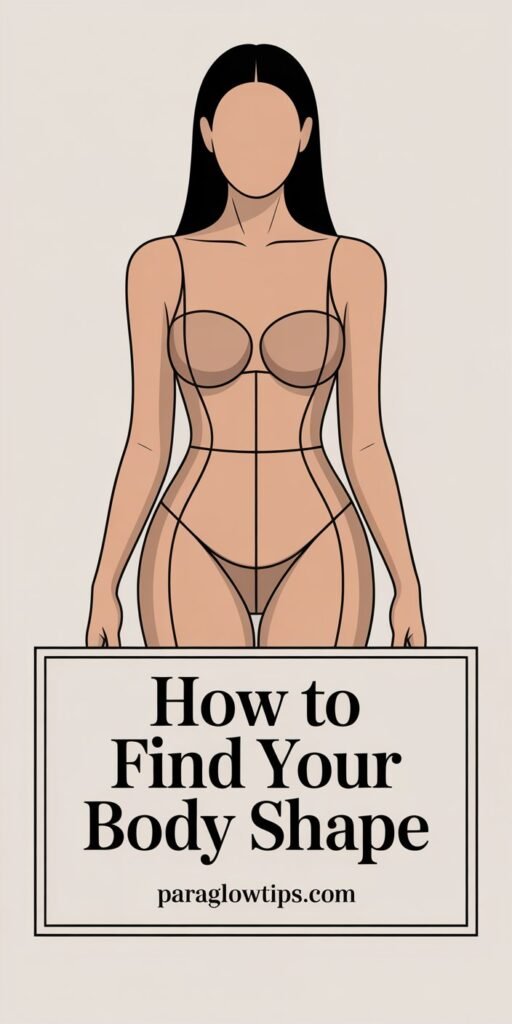
Myth 2: You Must Hide Curves to Look Slimmer
Some styling advice suggests that covering curves with baggy clothes will make you look slimmer.
While loose clothing can be comfortable, it often hides your natural silhouette and can make proportions appear unbalanced.
Reality: Embracing your curves with well-fitted clothing enhances your shape and gives a polished, confident look.
Choosing the right cuts and fabrics matters more than simply covering up.
Structured tops, tailored pants, and A-line skirts can all showcase curves without adding bulk.
Myth 3: Certain Shapes Can’t Wear Prints or Patterns
It’s common to hear that stripes, polka dots, or bold prints are only for certain body types.
For example, rectangle shapes are sometimes told to avoid horizontal stripes, and apple shapes are advised against bold patterns.
Reality: Patterns are versatile and can be used to create illusions or highlight features.
Horizontal stripes can add curves, vertical stripes can elongate, and bold prints can draw attention to your best features.
The trick is to strategically place patterns where they flatter your proportions.

Myth 4: You Have to Follow Trends to Look Fashionable
Fashion magazines and social media often make it seem like trends are the ultimate style guide. While trends can be fun, they shouldn’t dictate your wardrobe.
Reality: Understanding your body shape matters more than trends.
A trend may look great on someone else, but if it doesn’t suit your proportions, it won’t feel comfortable or flattering.
Focus on classic staples and pieces that enhance your shape, and mix in trends that genuinely work for your silhouette.
Myth 5: Hourglass Figures Can Wear Anything, Others Can’t
There’s a common misconception that only hourglass shapes are “versatile” in fashion, while other body types have limited options.
Reality: Every body shape can look amazing with the right styling choices.
Pears, apples, rectangles, and ovals can all wear dresses, pants, and jackets — it’s just about choosing the right cuts, fabrics, and layering techniques to highlight your strengths and balance your proportions.
By debunking these common styling myths, you can make more informed and confident fashion choices.
Dressing for your body shape is not about restrictions or hiding flaws; it’s about enhancing your natural proportions, feeling comfortable, and creating a wardrobe that works for your lifestyle and personality.
Step 5: Building a Capsule Wardrobe for Your Shape
Once you understand your body shape and know how to dress it through seasonal styling, the next step is creating a capsule wardrobe tailored to your proportions.

A capsule wardrobe is a carefully curated collection of versatile, high-quality pieces that can be mixed and matched to create multiple outfits.
This approach not only saves time and money but also ensures that every item in your closet flattering to your body shape and makes you feel confident.
Why a Capsule Wardrobe Matters
A capsule wardrobe is about quality over quantity. Instead of buying trendy items that may not suit your figure, you invest in pieces that:
- Enhance your natural body shape
- Can be combined in various ways for different occasions
- Work across multiple seasons with simple layering
- Reduce decision fatigue when getting dressed
By focusing on versatile essentials that flatter your shape, you can build a wardrobe that is functional, stylish, and timeless.
Core Pieces for Every Body Shape
While your body shape will influence the exact cuts and styles you choose, certain staples are essential in any capsule wardrobe:
- Fitted Tops and Blouses
- Tailored shirts, blouses, or knit tops highlight your waist and provide structure.
- For rectangle or apple shapes, consider peplum or wrap tops to create curves.
- High-Waisted Pants and Skirts
- These pieces accentuate the waist and elongate the legs.
- Pear shapes benefit from A-line skirts or wide-leg pants to balance the hips.
- Dresses that Flatter Your Silhouette
- Wrap dresses, sheath dresses, or A-line styles are versatile and flattering.
- Hourglass figures shine in fitted or wrap dresses, while apple shapes can opt for empire waist or shift styles.
- Layering Essentials
- Blazers, structured jackets, cardigans, and light coats can add dimension and balance to your figure.
- Use layers to emphasize your waist, elongate the torso, or broaden shoulders depending on your shape.
- Neutral Basics
- A few neutral-colored pieces, such as black trousers, white button-downs, and nude flats, act as a foundation for mixing and matching.
- These essentials provide flexibility and can be dressed up or down for different occasions.
- Statement Accessories
- Belts, scarves, and jewelry can shift focus, highlight your best features, and break up your silhouette in flattering ways.
- Use accessories strategically to draw attention to your strengths.

Tips for Building a Shape-Friendly Capsule Wardrobe
- Prioritize Fit: Ill-fitting clothes, even expensive ones, can make any outfit look unbalanced. Tailoring is key.
- Stick to a Cohesive Color Palette: Choose colors that complement each other and can be mixed easily.
- Invest in Versatile Pieces: One well-chosen blazer or dress can work across multiple seasons and occasions.
- Seasonal Rotation: Adjust layers and fabrics as the seasons change, keeping the core pieces consistent.
- Experiment Mindfully: Trends can be incorporated into your capsule wardrobe, but only if they suit your body shape and personal style.
A capsule wardrobe tailored to your body shape ensures that every item in your closet works for you, reducing wasted space, clutter, and shopping stress.
More importantly, it empowers you to look put-together effortlessly, feel confident in your outfits, and embrace your natural proportions without struggle.
Quick Reference Body Shape Chart
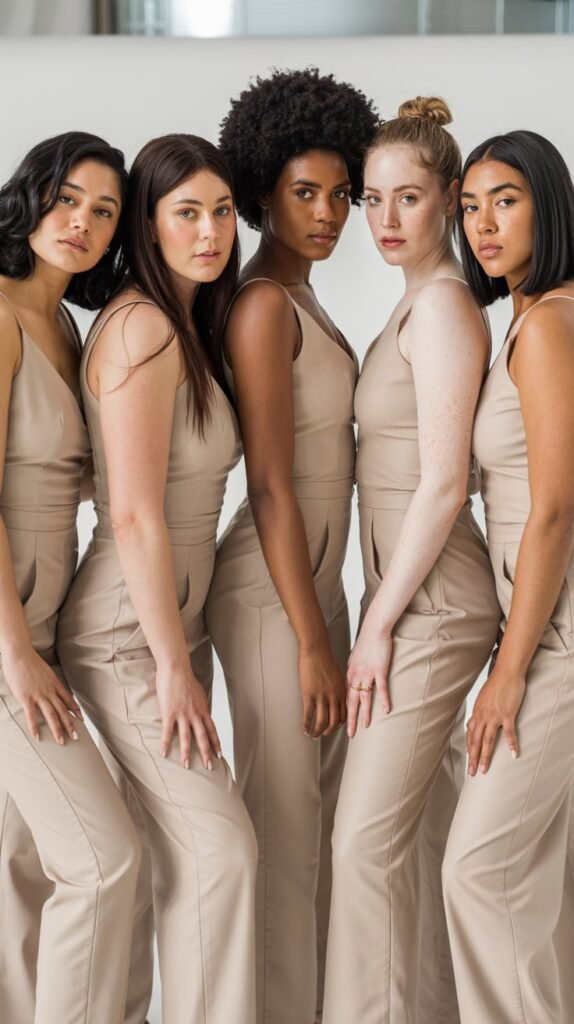
| Shape | Shoulders/Bust | Waist | Hips | Key Goal |
|---|---|---|---|---|
| Rectangle | Balanced | Straight | Balanced | Create curves |
| Inverted Triangle | Broad | Narrow | Slimmer | Balance lower body |
| Triangle (Pear) | Narrower | Defined | Wider | Highlight upper body |
| Hourglass | Balanced | Defined | Balanced | Emphasize curves |
| Oval (Apple) | Broad | Fuller | Narrower | Define waist, elongate |
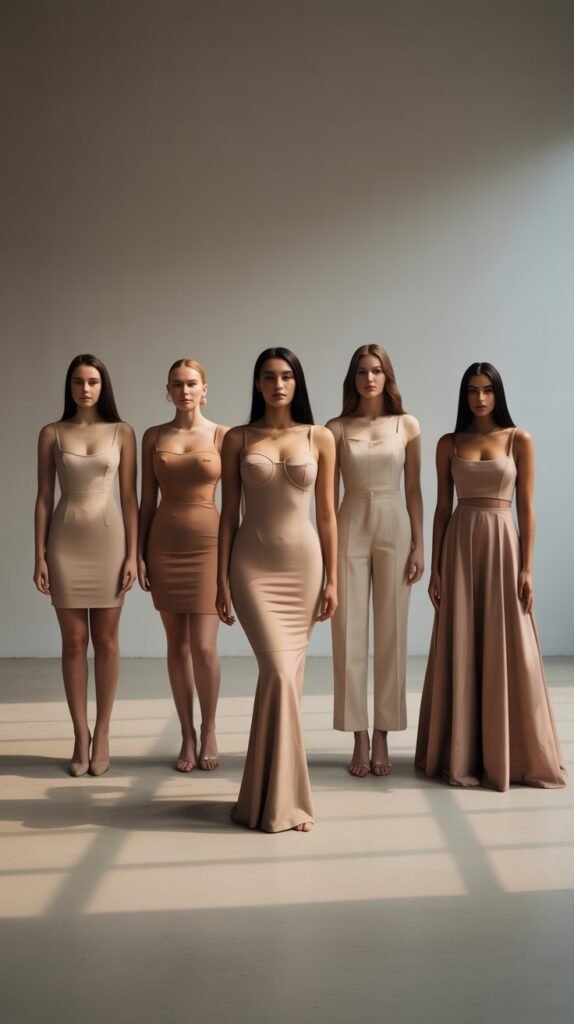
FAQs About Body Shapes
Understanding your body shape can transform the way you shop, dress, and feel about your wardrobe.
Here are some frequently asked questions to help clarify common concerns and give practical guidance for styling every figure.
1. How do I know my body shape?
To identify your body shape, take accurate measurements of your shoulders, bust, waist, and hips. Compare the proportions:
- Hourglass: Bust and hips roughly equal, defined waist.
- Pear: Hips wider than shoulders, smaller bust, defined waist.
- Apple: Bust and shoulders wider than hips, less defined waist.
- Rectangle: Bust, waist, and hips roughly the same width, straight silhouette.
- Oval: Waist is widest, with softer curves and slimmer limbs.
2. Can my body shape change over time?
Yes. Weight fluctuations, pregnancy, muscle gain, or aging can affect your proportions. It’s important to reassess your measurements periodically to ensure your wardrobe continues to flatter your current shape.
3. Do body shapes determine what I can or cannot wear?
Not at all. Body shapes are a guide to highlighting your strengths and balancing proportions, not a set of strict rules.
Experimenting with different cuts, patterns, and fabrics allows every shape to look stylish and confident.
4. How can I dress to make my body shape appear more proportionate?
The goal is to balance your proportions:
- Pear shapes: emphasize the upper body with structured tops or patterns.
- Apple shapes: elongate the torso with V-necks or empire waists.
- Rectangle shapes: create curves with peplum tops, belts, or layered pieces.
- Hourglass shapes: accentuate the waist with fitted or wrap styles.
- Oval shapes: elongate the torso and highlight legs with vertical lines or A-line silhouettes.
5. Can accessories change how my body shape looks?
Absolutely. Belts, scarves, statement jewelry, and shoes can draw attention to or away from certain areas, creating balance and enhancing your overall look. For example, a belt can define your waist, while statement earrings draw attention upward.
6. Are body shape styling tips different for every season?
Yes. Seasonal fabrics and layers can affect how proportions are perceived. Winter coats, fall jackets, summer dresses, and spring layering can be adapted to flatter your body shape without compromising comfort or style.
7. Is it necessary to buy new clothes for my body shape?
Not always. Often, small adjustments and strategic styling are enough. Tailoring existing pieces, adding belts, layering, or incorporating different textures can make your current wardrobe more flattering without needing to shop for all new items.
Final Thoughts
Understanding your body shape is one of the most powerful tools you can use to look and feel your best every day.
It’s not about fitting into a mold or following strict fashion rules—it’s about embracing your unique proportions and making styling choices that highlight your strengths while balancing your silhouette.
By taking the time to measure your body, identify your shape, and learn which cuts, fabrics, and layering techniques work best, you can build a versatile wardrobe that flatters you year-round.
Seasonal dressing, capsule wardrobes, and thoughtful accessories all play a role in creating outfits that are both practical and stylish.
Remember, fashion should be fun, empowering, and confidence-boosting. Don’t get caught up in myths or trends that don’t serve your figure.
Instead, focus on pieces that make you feel comfortable and confident, and don’t be afraid to experiment.
Even small adjustments—like a well-placed belt, a V-neck top, or the right pair of shoes—can transform an outfit and enhance your natural proportions.
Ultimately, dressing for your body shape is about celebrating your individuality.
Every shape has its strengths, and with the tips, tricks, and wardrobe strategies outlined in this guide, you can create a style that is uniquely yours.
Embrace your figure, dress with intention, and enjoy the confidence that comes from knowing your body and your style.