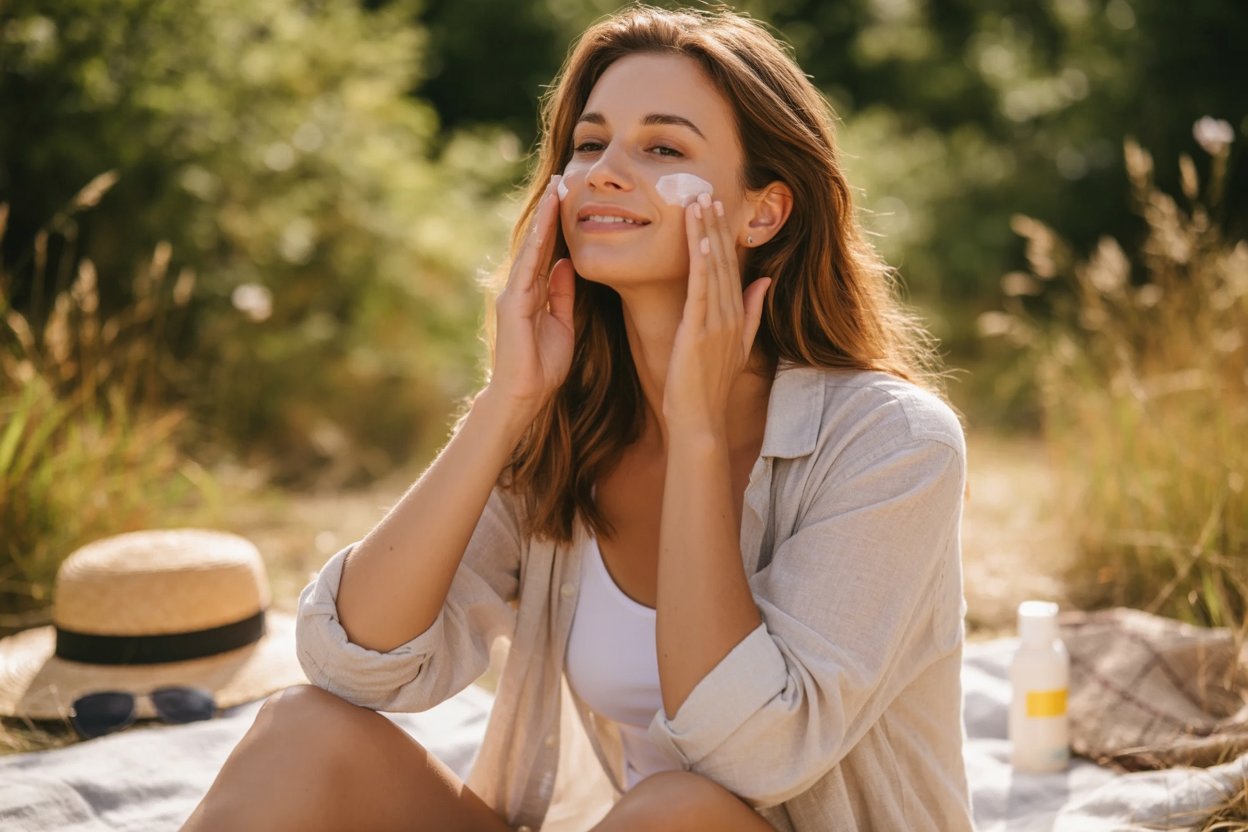

When I first saw a sunscreen labeled SPF 100, I was tempted. “Surely this must block everything!” I thought.
But after a few weeks of using it, I began to wonder: was it really doing more for my skin, or was it just a clever marketing trick?
I decided to dig deeper. I read studies, talked to dermatologists, and experimented with different SPF products myself.
What I discovered surprised me.
High SPF numbers don’t always mean significantly better protection, and sometimes they can give a false sense of security.
In this post, I’ll share what I learned about SPF ratings, how much protection you actually get from SPF 100, and what really matters for keeping your skin safe and healthy.
Whether you’re someone who spends hours outdoors or just wants to protect your skin daily, these tips will help you make an informed choice.
1. What SPF Numbers Actually Mean
When I first started paying attention to sunscreen, I thought higher SPF numbers automatically meant way more protection.
SPF 100 sounded like it would block everything!
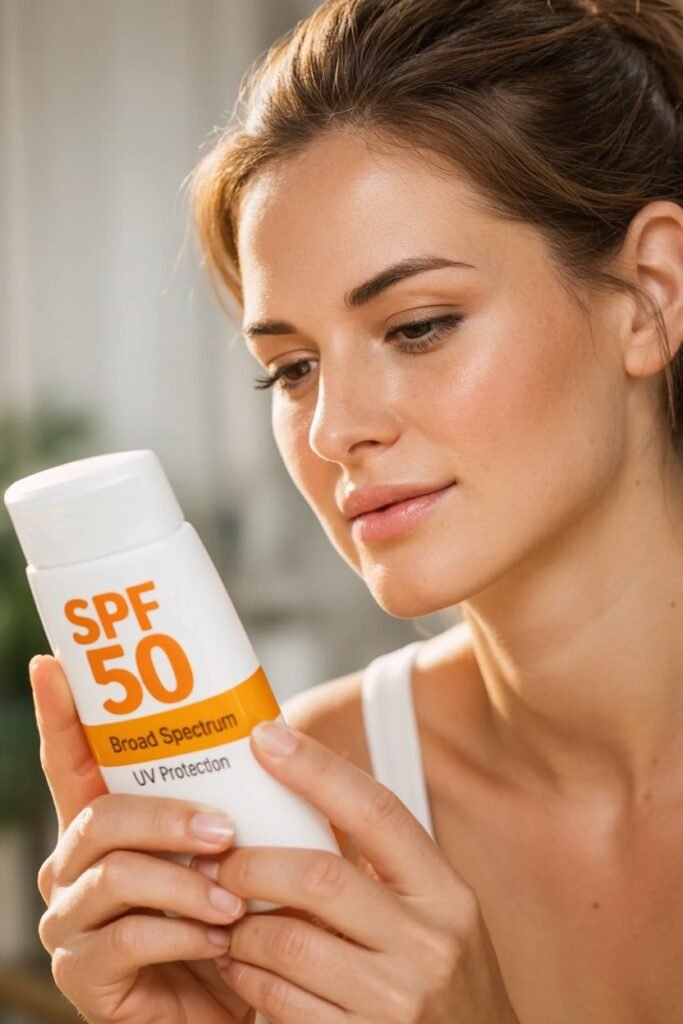
In reality, SPF measures how long your skin can stay in the sun without burning compared to no sunscreen. For example:
- SPF 30 blocks about 97% of UVB rays
- SPF 50 blocks about 98%
- SPF 100 blocks around 99%
The difference between SPF 50 and 100 is actually very small.
Yet, the labels can make us feel invincible, which isn’t true.
Understanding this was eye-opening for me and changed how I approached sun protection.
2. Why SPF 100 Can Be Misleading

At first, I thought SPF 100 would let me stay in the sun all day without worrying.
But I quickly realized it can give a false sense of security.
Many people, including me, tend to apply too little sunscreen or skip reapplying because they assume a super high SPF is “enough.”
In reality, even SPF 100 won’t fully protect your skin if it’s applied too thinly or not reapplied after sweating, swimming, or long sun exposure.
The key takeaway I learned? High SPF doesn’t replace proper application and frequent reapplication.
It’s a safety net, not a magic shield.
3. The Role of Proper Application (Expanded Version)
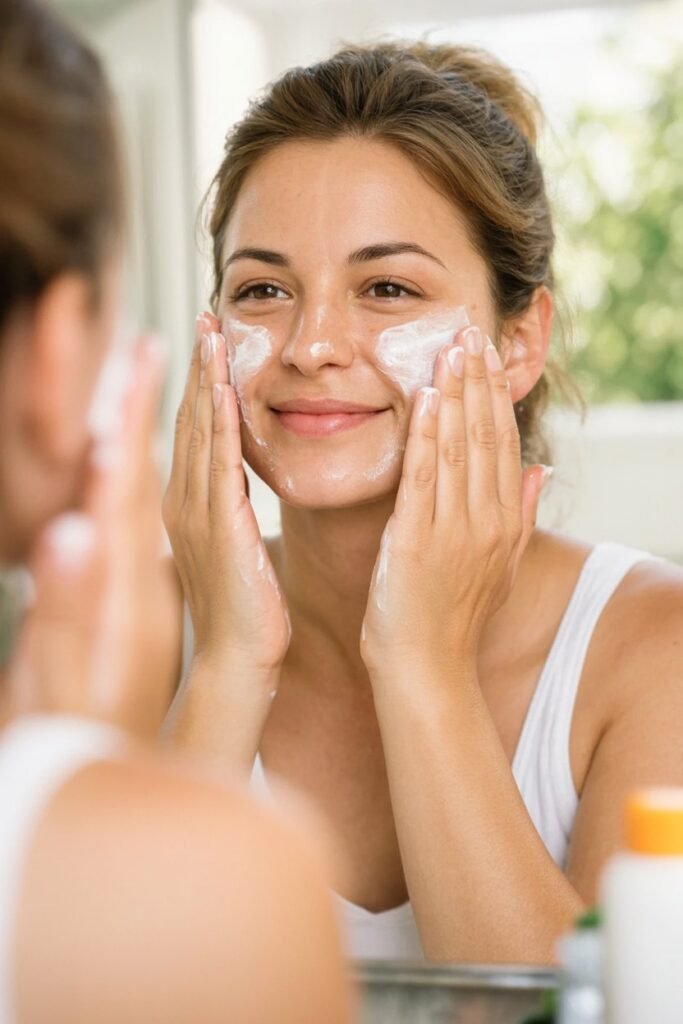
Biggest lessons I learned about sunscreen is that how you apply it matters more than the SPF number.
I used to think a quick swipe across my face or arms was enough, but that’s far from true.
For proper protection, you need a generous layer covering all exposed areas, including ears, neck, and even the tops of your feet if you’re outdoors.
I was surprised to learn that most adults use only about half the recommended amount, which cuts the SPF effectiveness dramatically.
I also discovered that reapplying is just as important. I used to put sunscreen on once in the morning and assume it would last all day.
After a few hours at the park, my skin still got sunburned in spots I missed or didn’t reapply.
Even SPF 30, applied properly and reapplied regularly, can outperform SPF 100 that’s used incorrectly.
This really changed how I think about sunscreen.
It’s not about chasing the highest number — it’s about consistent, proper use every time you step outside.
4. Physical vs Chemical Sunscreens
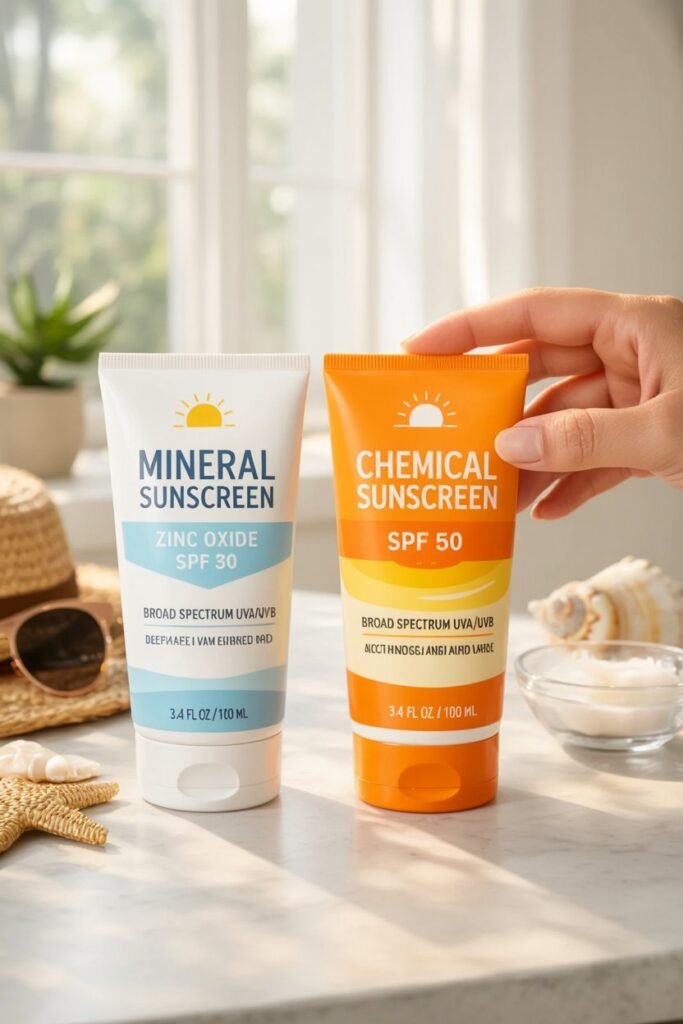
When I first started exploring sunscreens,
I didn’t realize there were two main types: physical (mineral) and chemical.
I just picked whichever bottle looked convenient.
I learned that your skin type and lifestyle matter more than the SPF number.
Physical sunscreens contain ingredients like zinc oxide or titanium dioxide, which sit on top of the skin and reflect UV rays.
I noticed these feel heavier on my skin, but they start working immediately and are less likely to irritate sensitive skin.
Chemical sunscreens, on the other hand, absorb UV rays.
They often feel lighter and more comfortable under makeup, but they need 20–30 minutes to activate and can sometimes cause irritation if you have sensitive skin.
For me, choosing the right sunscreen became a balance between comfort and protection.
On busy days when I needed something light under makeup, I went with chemical sunscreen.
For outdoor activities or long sun exposure, I preferred a physical sunscreen for extra reliability.
Understanding the difference helped me stop chasing super high SPF numbers and focus on using the right type correctly and consistently.
5. Are There Risks to Very High SPF?
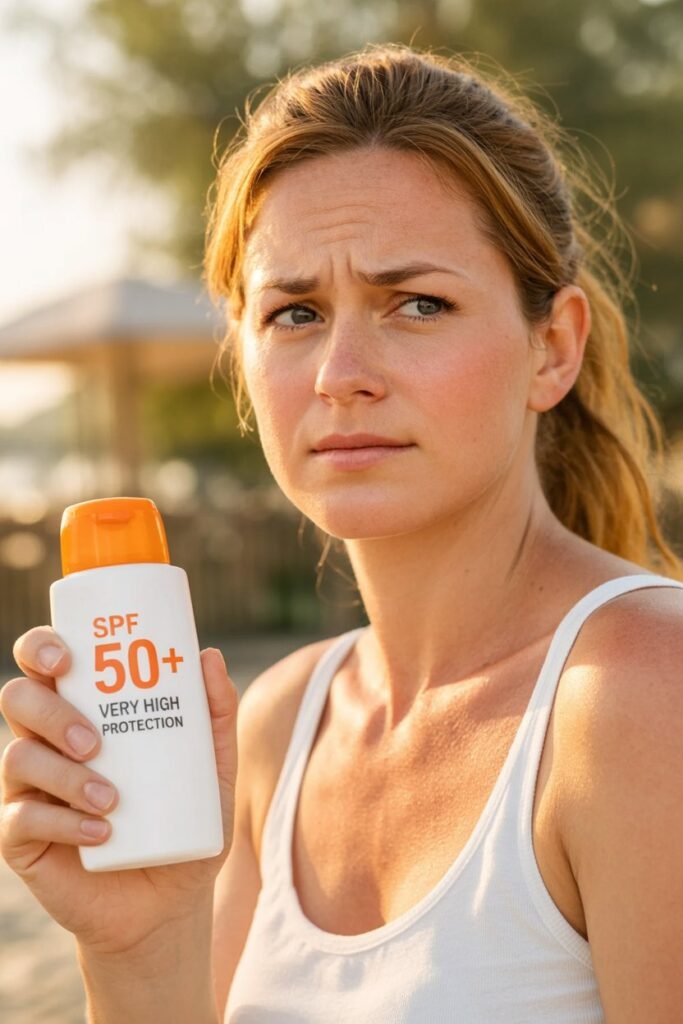
At first, I thought “the higher, the better” when it came to SPF.
But after some research and personal experience, I realized that very high SPF products aren’t risk-free.
One issue is that they can give a false sense of security. I noticed that when I used SPF 100, I sometimes stayed in the sun longer than I should have, thinking my skin was fully protected.
Over time, this can actually increase UV exposure instead of reducing it.
Another concern is that very high SPF sunscreens often contain higher concentrations of active ingredients.
For sensitive skin, this can cause irritation, redness, or breakouts.
I personally had a few days where my skin felt a bit itchy after using SPF 100.
The takeaway for me was simple: chasing extreme SPF numbers isn’t necessary for most daily situations.
Consistent use of SPF 30–50, combined with proper application, gives excellent protection without the extra risks.
6. Daily SPF Habits That Actually Work
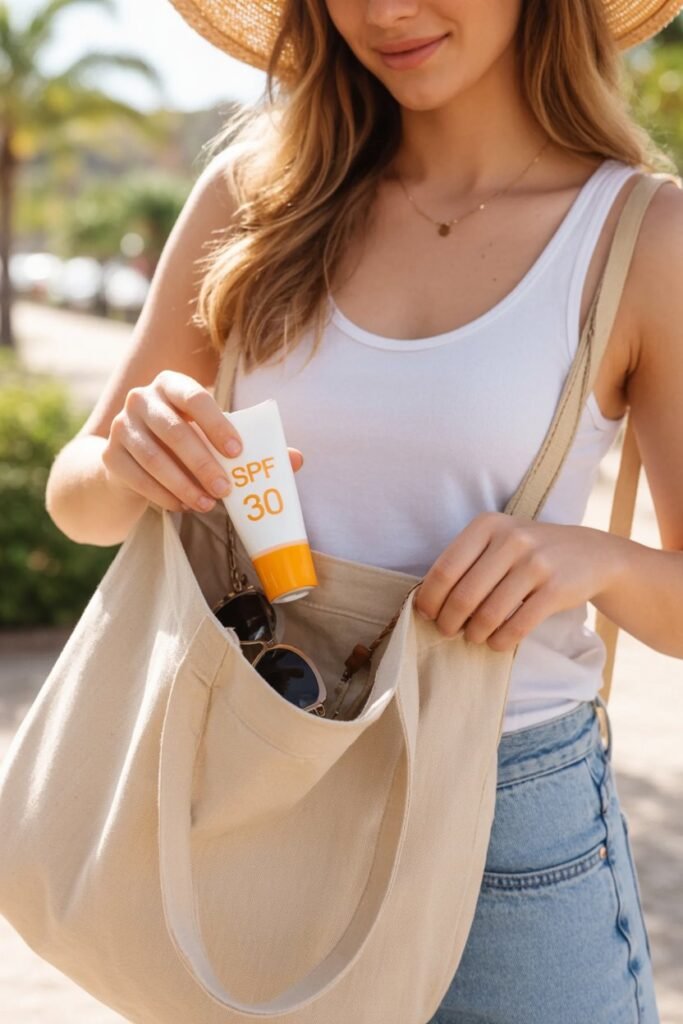
I realized that consistent daily habits are far more effective than relying on a super high SPF number.
Even SPF 30, if used correctly every day, can protect your skin better than SPF 100 used haphazardly.
For me, these simple habits made a huge difference:
- Apply SPF every morning, even on cloudy days or when indoors near windows.
- Reapply every two hours if you’re outside, especially when sweating or swimming.
- Cover up with hats, sunglasses, and clothing whenever possible.
I also noticed that keeping sunscreen easily accessible—like in my bag or next to my bathroom mirror—made me more likely to remember it consistently.
These small habits kept my skin protected and healthier, without ever needing to chase extreme SPF numbers.
7. Who Might Benefit From SPF 100

While SPF 100 isn’t necessary for most daily situations, I’ve found that there are a few cases where it can be useful.
- Extreme sun exposure: Long beach days, high-altitude hikes, or desert vacations.
- Very fair or sensitive skin: People who burn easily may get extra reassurance.
- Certain medical conditions: Some skin treatments make the skin more sensitive to UV rays.
For my everyday routine, I realized SPF 30–50 works perfectly fine when applied correctly and consistently.
SPF 100 can be helpful in special situations, but it shouldn’t replace proper sun habits like reapplying, wearing protective clothing, or seeking shade.
The key lesson I learned: protection, not the number, matters most.
Even the highest SPF won’t help if it’s applied incorrectly or skipped altogether.
Conclusion
After experimenting and learning from dermatologists, I realized that SPF numbers alone don’t guarantee better protection.
Even SPF 100 can give a false sense of security if applied incorrectly or not reapplied.
For me, the most effective strategy has been consistent daily SPF habits: applying generously, reapplying every two hours, wearing protective clothing, and choosing the right type of sunscreen for my skin.
The takeaway? Focus on proper application and routine protection, not chasing the highest SPF number.
Your skin will thank you for it in the long run.