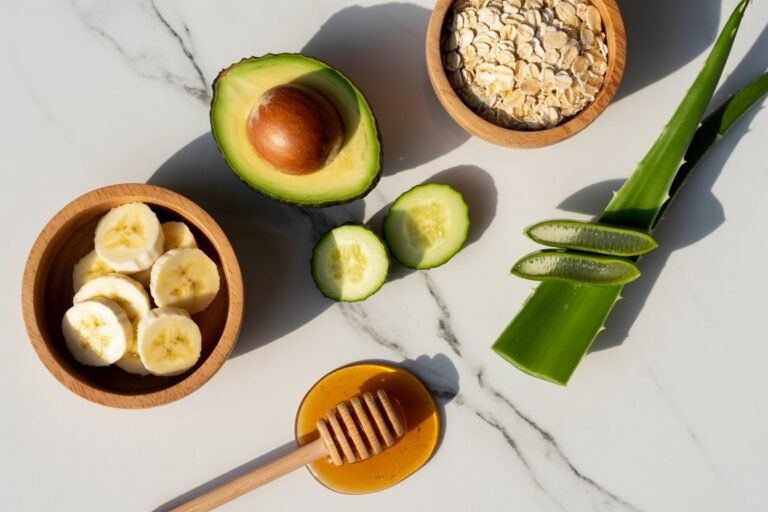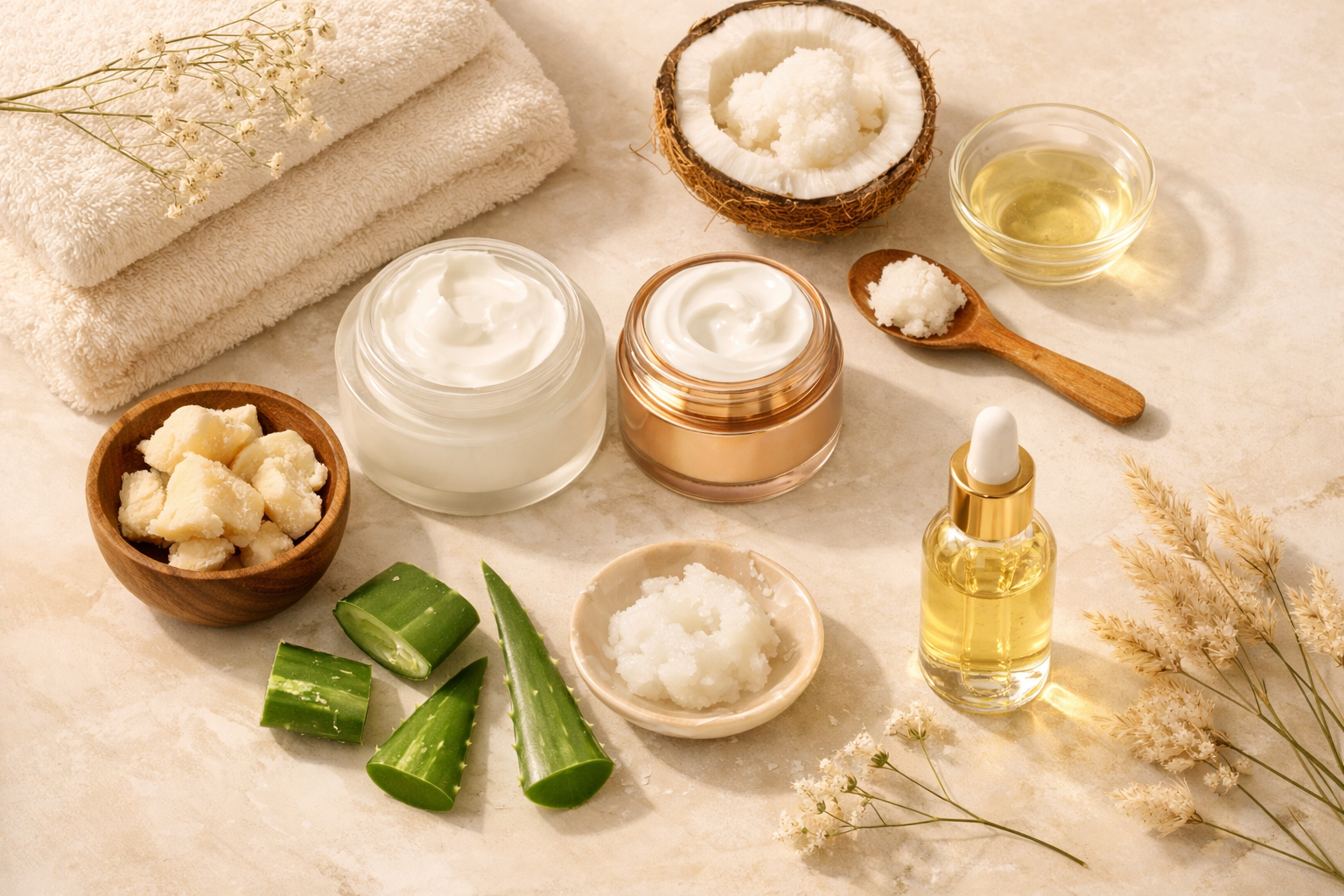

Dry skin isn’t just a minor inconvenienceit can affect how your skin looks, feels, and even how confident you are in your own glow.
That tight feeling after washing your face.
The flakiness that shows up under makeup.
The dullness that makes your skin look tired no matter how much rest you get.
If you’ve been dealing with any of these, you’re not alone and more importantly, you’re not stuck with it.
With the right moisturizers, ingredients, and routines, you can transform your skin from dry, irritated, and uncomfortable to soft, hydrated, and radiant.
This guide is your complete, no-confusion roadmap to:
- Understanding why your skin is dry
- Choosing the best natural and dermatologist-approved moisturizers
- Building a routine that actually works
- And keeping your skin hydrated all day, every day
Let’s get into it.
What Causes Dry Skin
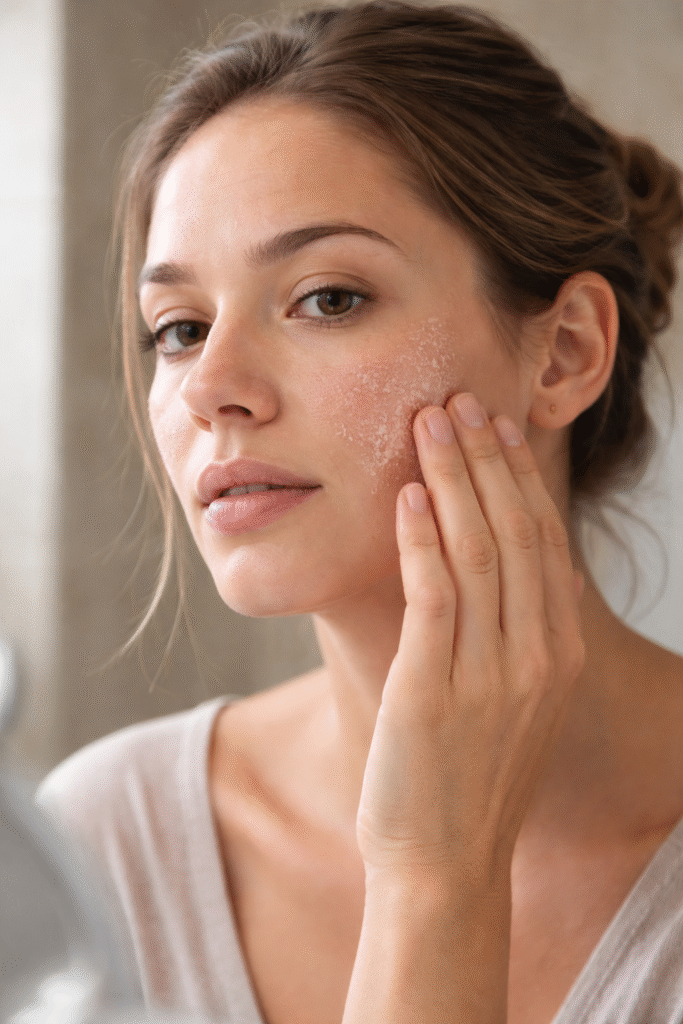
Before we talk about moisturizers, it’s important to understand why your skin is dry in the first place.
Because here’s the truth:
If you don’t fix the root cause, no cream no matter how expensive will fully solve the problem.
Your Skin Barrier: The Real Key
Your skin has a natural protective layer called the skin barrier. Think of it as a shield that:
- Locks in moisture
- Keeps irritants out
- Maintains softness and elasticity
When this barrier is damaged, water escapes from your skin faster than it should. This is called transepidermal water loss (TEWL) and it’s the main reason your skin feels dry, tight, and flaky.
Common Causes of Dry Skin
1. Cold Weather & Low Humidity
When the air is dry, it literally pulls moisture from your skin.
That’s why your skin often feels worse during:
- Harmattan seasons
- Air-conditioned environments
- Cold, windy days
2. Harsh Cleansers
Foaming cleansers that contain sulfates can strip your skin of its natural oils.
If your face feels “squeaky clean,” it’s actually a sign your skin barrier may be compromised.
3. Long, Hot Showers
As relaxing as they are, hot showers:
- Break down your skin’s natural oils
- Increase moisture loss
- Leave your skin feeling tight afterward
4. Aging
As we age:
- Oil production decreases
- Skin becomes thinner
- Moisture retention weakens
This is why dryness becomes more noticeable over time.
5. Dehydration
If you’re not drinking enough water, your skin will show it.
Hydration starts from within and no moisturizer can fully replace that.
6. Medical Conditions
Conditions like:
- Eczema
- Psoriasis
- Dermatitis
can severely affect your skin’s ability to retain moisture.
How to Tell If Your Skin Is Truly Dry
You may have dry skin if you experience:
- Tightness after cleansing
- Flaky or rough patches
- Dull appearance
- Increased sensitivity
- Fine lines appearing more visible
Best Natural Moisturizers for Dry Skin
Coconut Oil
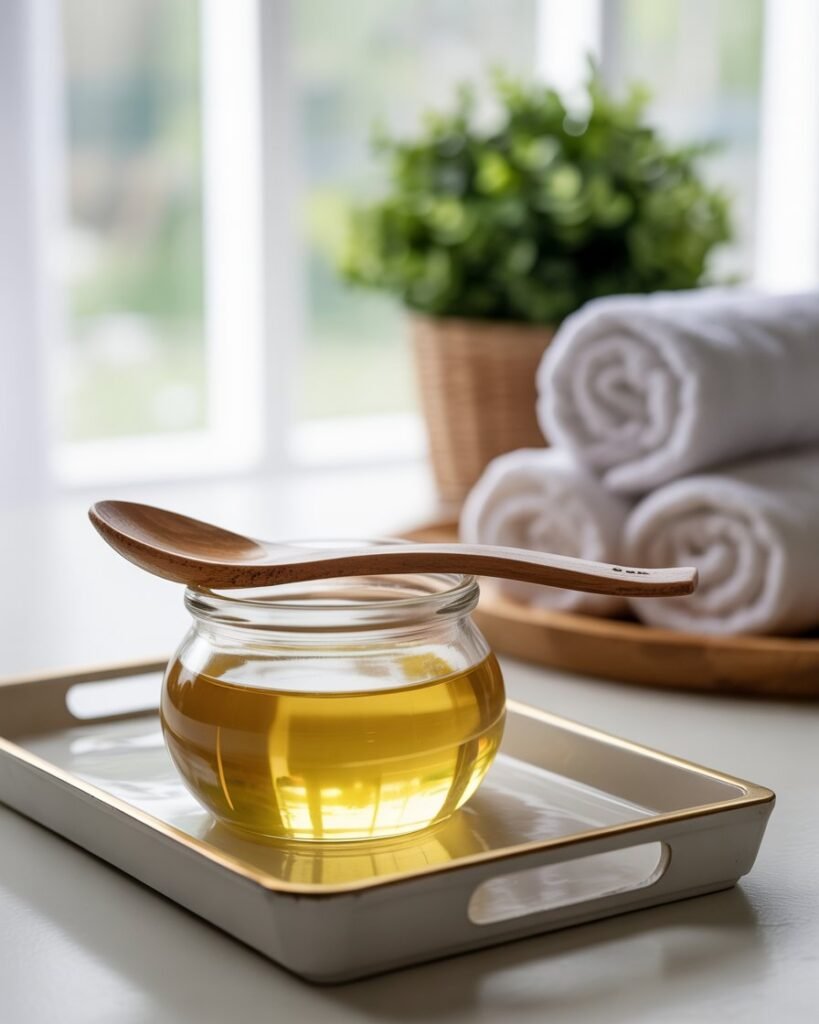
Coconut oil is one of the most popular natural moisturizers and for good reason.
Why It Works
- Rich in fatty acids
- Helps reduce water loss
- Soothes irritated skin
- Has mild antibacterial properties
How to Use It
- Apply a small amount after showering
- Use on damp skin to lock in moisture
- Best for body and very dry areas
Important Note
If you have acne-prone skin, use it carefully it can clog pores for some people.
Shea Butter
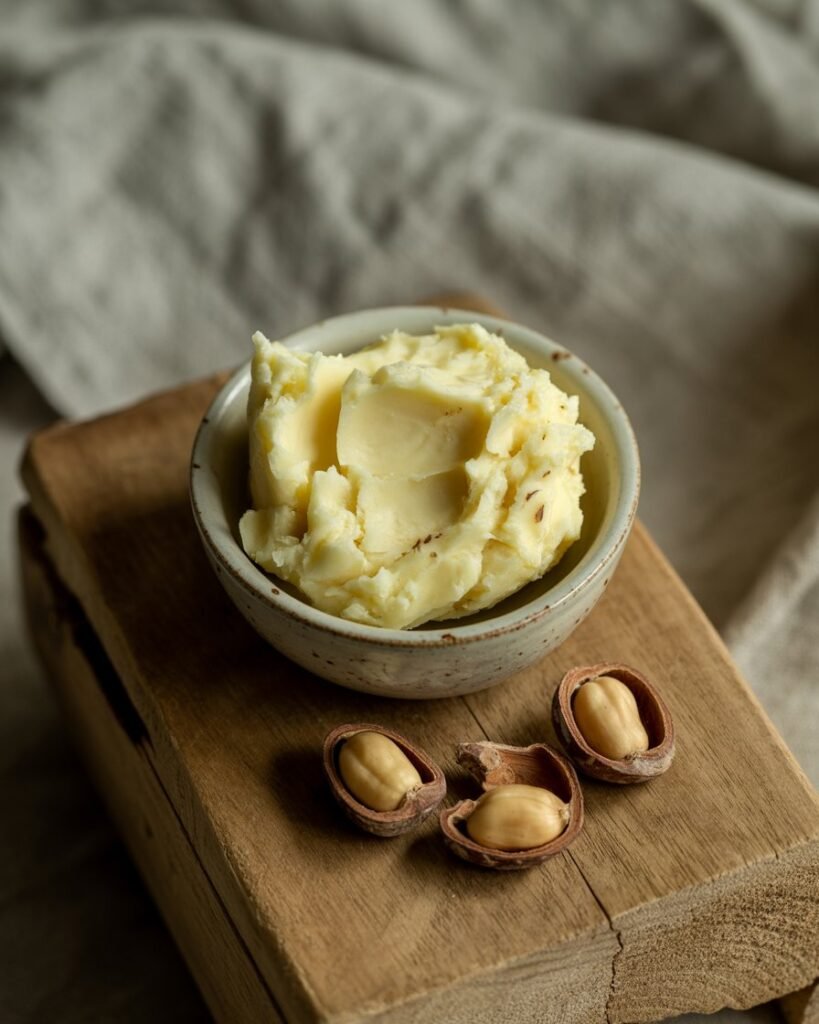
Coconut oil is one of the most popular natural moisturizers and for good reason.
Why It Works
- Rich in fatty acids
- Helps reduce water loss
- Soothes irritated skin
- Has mild antibacterial properties
How to Use It
- Apply a small amount after showering
- Use on damp skin to lock in moisture
- Best for body and very dry areas
Important Note
If you have acne-prone skin, use it carefully it can clog pores for some people.
Aloe Vera Gel + Vitamin E
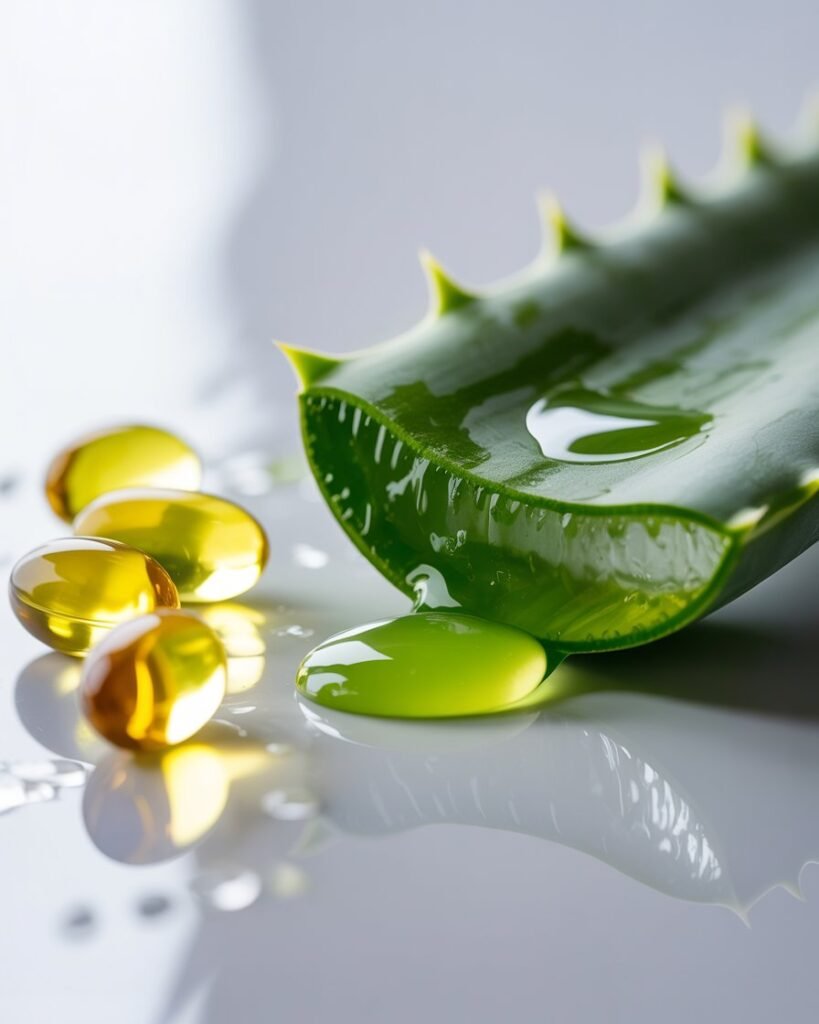
Aloe Vera + Vitamin E
This combination is perfect if your skin is both dry and sensitive.
Why It Works
- Aloe hydrates and soothes
- Vitamin E repairs and protects
- Helps reduce redness and irritation
How to Use
Leave overnight for best results
Mix fresh aloe gel with a few drops of vitamin E oil
Apply before bed
Other Natural Options Worth Trying
Honey
- Natural humectant (draws moisture into the skin)
- Antibacterial and soothing
Oat Extract or Oat Paste
- Calms irritation
- Perfect for eczema-prone skin
Avocado Oil
- Rich in healthy fats
- Deeply nourishing
Dermatologist-Recommended Moisturizer
Natural remedies are wonderful—but sometimes, your skin needs something more targeted and clinically formulated.
These moisturizers are widely recommended because they focus on repairing the skin barrier.
CeraVe Moisturizing Cream
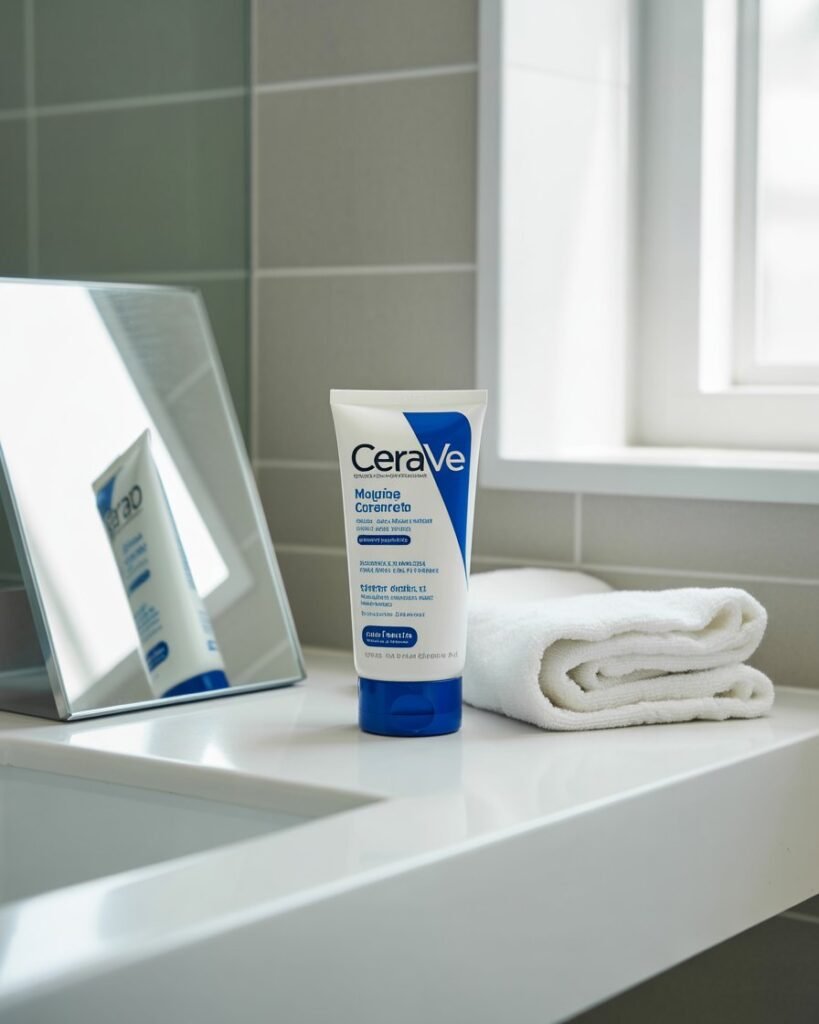
Why It’s Loved
- Contains ceramides to repair the barrier
- Includes hyaluronic acid for hydration
- Fragrance-free and gentle
Best For
- Sensitive skin
- Everyday use
- Face and body
Eucerin Advanced Repair Cream
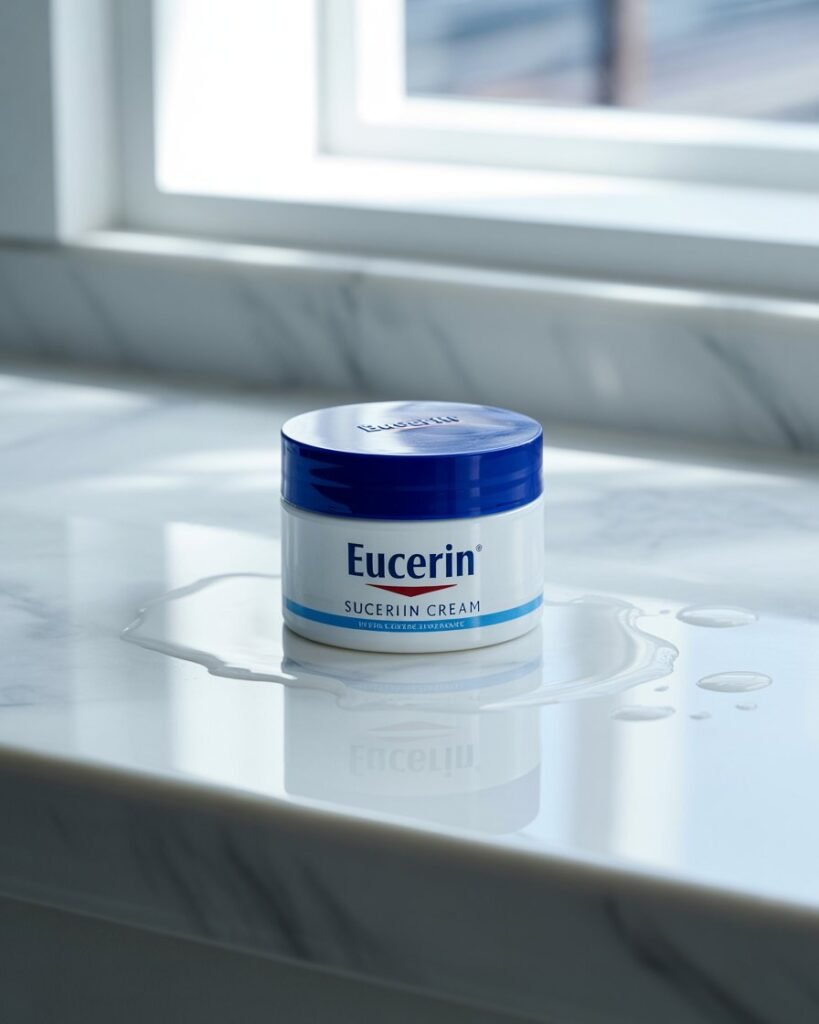
Why It’s Loved
- Contains ceramides to repair the barrier
- Includes hyaluronic acid for hydration
- Fragrance-free and gentle
Best For
- Sensitive skin
- Everyday use
- Face and body
La Roche-Posay Lipikar Balm AP+
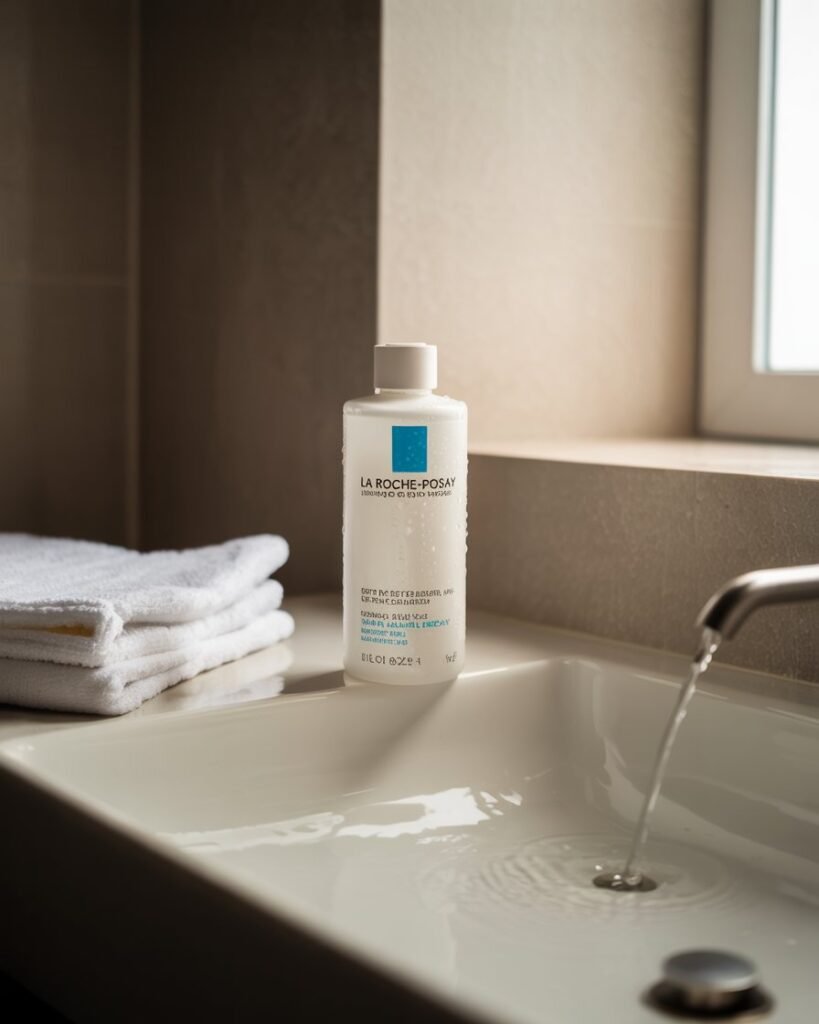
Why It Stands Out
- Designed for eczema-prone skin
- Soothes itching and irritation
- Lightweight but deeply nourishing
Why It Stands Out
- Designed for eczema-prone skin
- Soothes itching and irritation
- Lightweight but deeply nourishing
Hydrating Ingredients to Look For
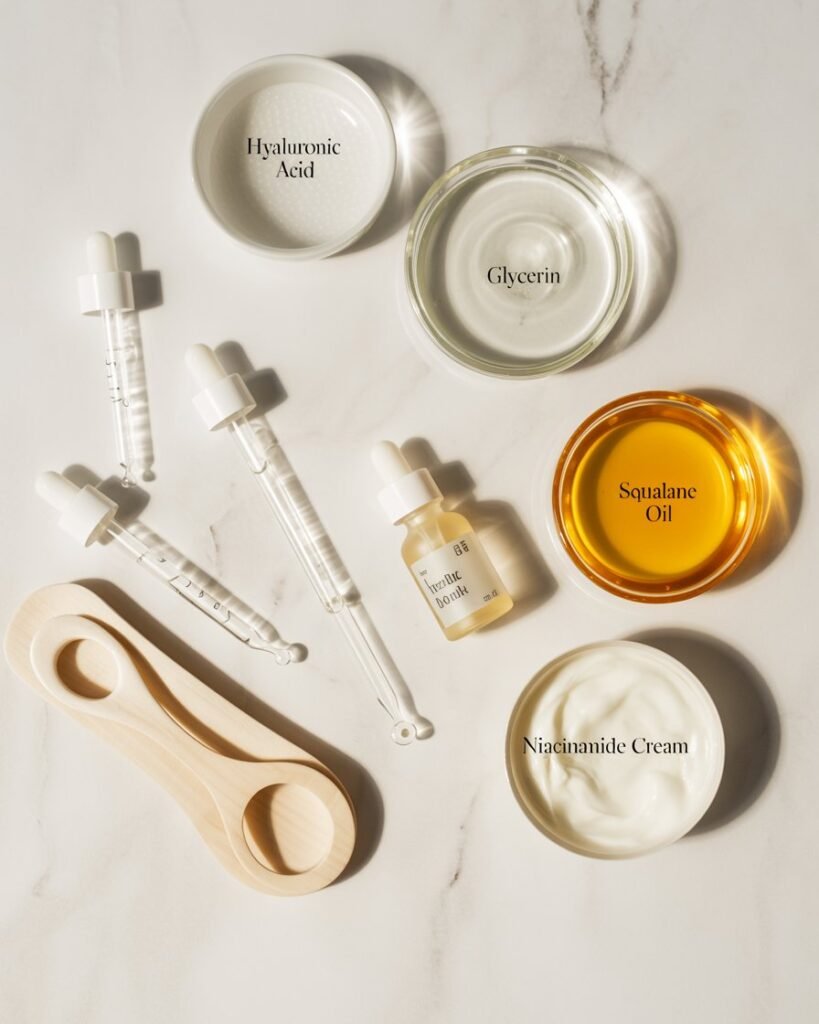
Understanding ingredients will completely change how you shop for skincare.
Here are the most important ones:
Hyaluronic Acid
- Holds up to 1000x its weight in water
- Plumps and hydrates skin
- Works best on damp skin
Glycerin
- Attracts moisture from the environment
- Keeps skin soft and smooth
Ceramides
- Repair the skin barrier
- Prevent moisture loss
- Essential for dry skin
Squalane
- Lightweight but deeply moisturizing
- Mimics natural skin oils
Niacinamide
- Reduces redness
- Strengthens the barrier
- Improves hydration
Occlusives (Sealants)
These include:
- Petroleum jelly
- Lanolin
- Beeswax
They don’t hydrate but they lock in moisture.
Nighttime Moisturizing Routine for Dry Skin
Nighttime is when your skin repairs itself so your routine matters more than you think.
Step 1: Gentle Cleanser
Use a cream or oil-based cleanser.
Avoid:
- Sulfates
- Alcohol-based formulas
Step 2: Hydrating Toner (Optional)
Adds an extra layer of moisture.
Step 3: Serum
Look for:
- Hyaluronic acid
- Niacinamide
Apply on damp skin for best results.
Step 4: Moisturizer
Use a richer, thicker formula at night.
Step 5: Seal It In (Optional but Powerful)
Apply a thin layer of petroleum jelly or balm.
This technique called slugging helps prevent overnight moisture loss.
Best Morning Routine for Dry Skin
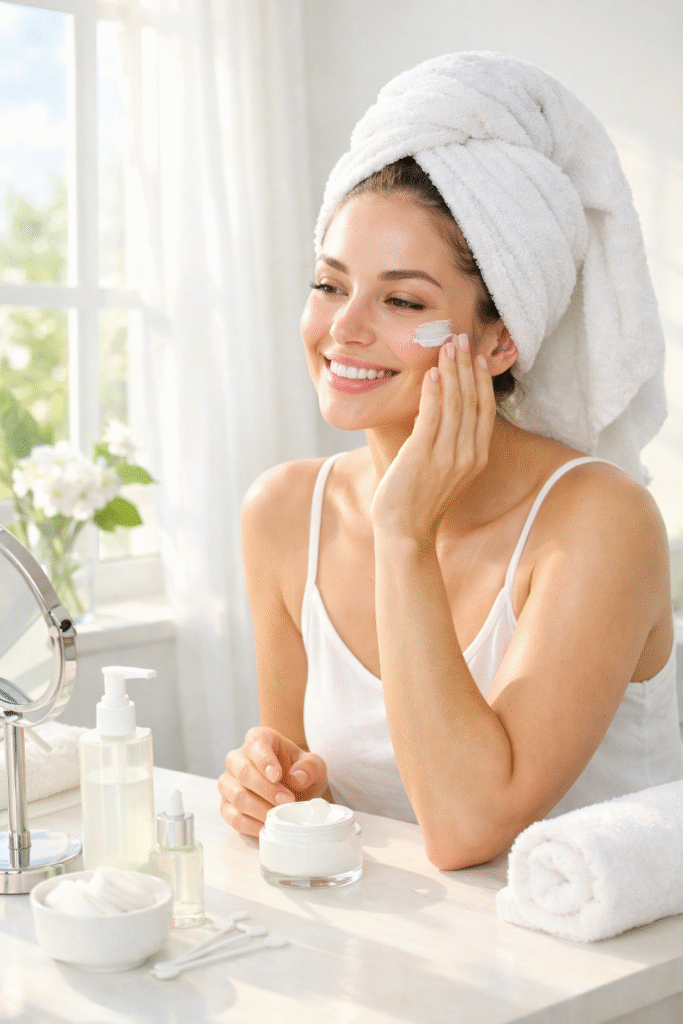
Your morning routine should focus on protection and hydration.
Step 1: Gentle Cleanse
Or simply rinse with water if your skin is very dry.
Step 2: Hydrating Serum
Helps prep your skin.
Step 3: Lightweight Moisturizer
Choose something that:
- Absorbs quickly
- Doesn’t feel heavy
Step 4: Sunscreen (Very Important)
Use SPF 30 or higher.
Sun exposure worsens dryness and damages the skin barrier.
DIY Moisturizing Face Masks
Milk and Honey Mask
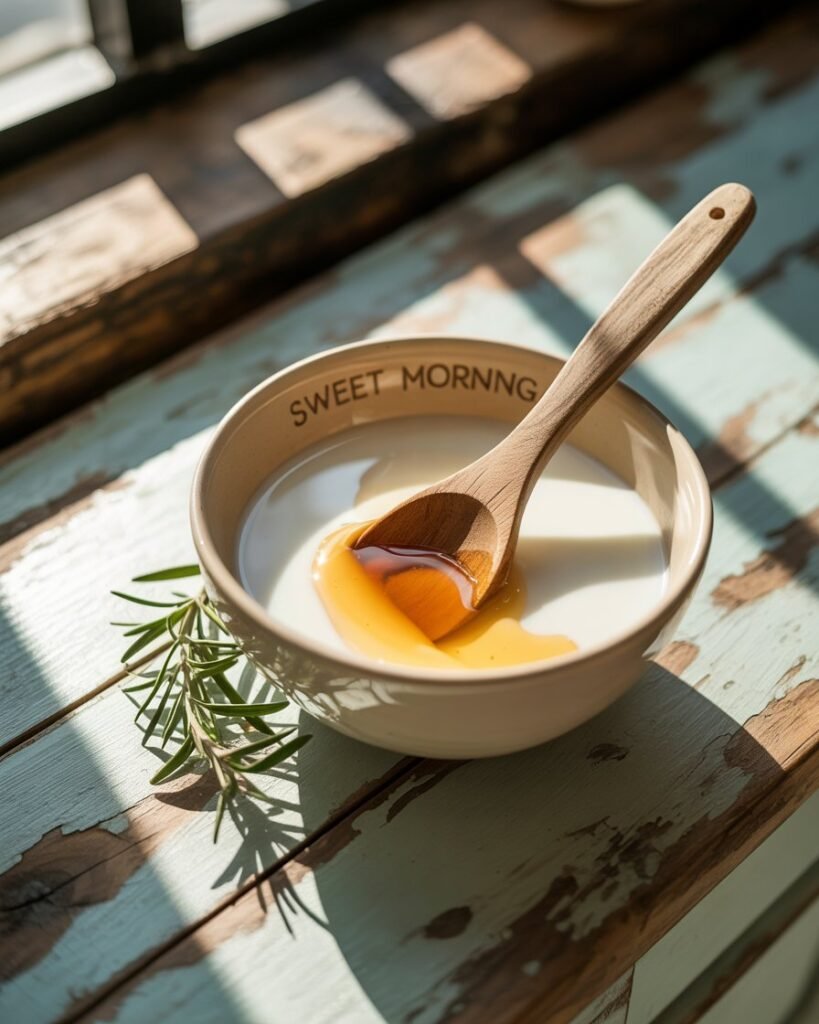
Benefits
- Hydrates
- Softens
- Brightens
How to Use
- Mix 1 tablespoon milk + 1 teaspoon honey
- Apply for 10 minutes
- Rinse gently
Banana and Yogurt Mask
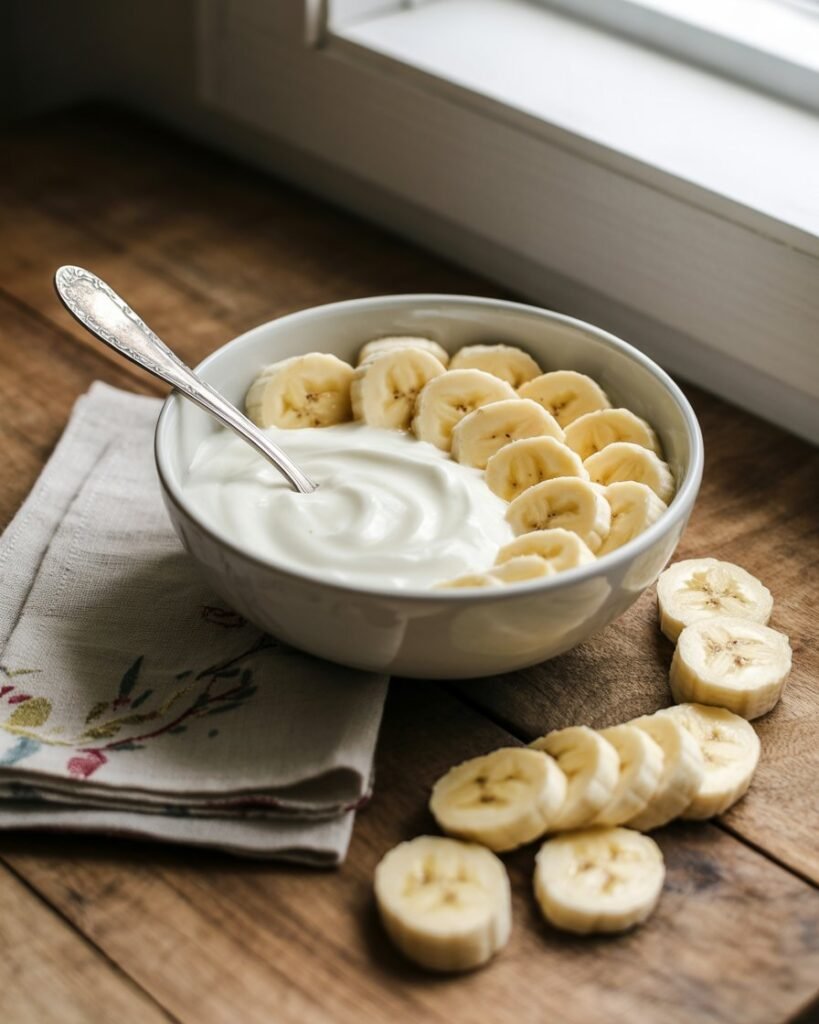
Benefits
- Deep nourishment
- Smooth texture
- Gentle exfoliation
How to Use
- Mash half a banana
- Add 1 tablespoon yogurt
- Leave for 15 minutes
Tips to Keep Skin Moisturized All Day
- Avoid hot showers
- Use a humidifier indoors
- Apply moisturizer on damp skin
- Choose fragrance-free formulas
- Stay hydrated with at least eight glasses of water per day
FAQ: Moisturizer for Dry Skin
Q1: Can oily skin be dry too?
Yes. You can have oily skin and still be dehydrated. Use a water-based moisturizer.
Q2: What’s the best time to apply moisturizer?
Right after cleansing—morning and night—while the skin is still damp.
Q3: How often should I moisturize?
Twice daily. You can reapply to dry patches as needed.
Q4: Are natural oils better than store-bought moisturizers?
Both can be effective. Oils work well when paired with water-based products for maximum hydration.