
A bright smile has a way of making you look healthier, fresher, and more confident — even on days when you barely got enough sleep.
The good news is that you don’t need expensive whitening treatments or complicated routines to improve the appearance of your teeth.
In many cases, the biggest difference comes from the small habits you repeat every single day.
If you’ve been wondering why your teeth don’t look as white as they used to, you’re definitely not alone.
Coffee, tea, sugary snacks, stress, dehydration, and even certain healthy foods can slowly stain the teeth over time.
And honestly, most people don’t realize how much their daily lifestyle affects the color of their smile.
The best approach isn’t trying random viral whitening hacks overnight. It’s building a realistic routine that protects your enamel, reduces stains, and keeps your mouth healthier overall.
Here are the easy daily habits that can help your teeth look naturally whiter and cleaner over time.
Why Teeth Start Looking Yellow or Dull
Before talking about whitening habits, it’s important to understand why teeth become stained in the first place.
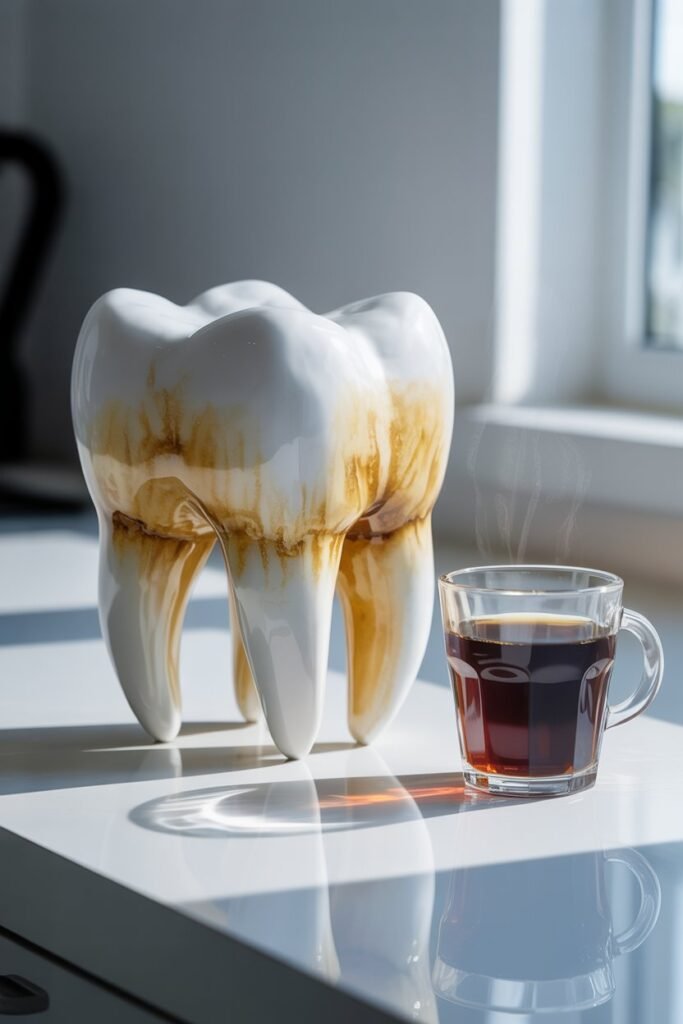
Your teeth are covered by a protective outer layer called enamel. Underneath that enamel is dentin, which naturally has a more yellow tone.
As enamel becomes thinner or stained, the yellow color underneath becomes more visible.
Some of the most common reasons teeth lose their brightness include:
- Drinking coffee or tea daily
- Smoking or vaping
- Poor brushing habits
- Plaque buildup
- Sugary drinks
- Dark-colored foods
- Aging
- Dry mouth
- Certain medications
- Excessive acidic foods
Sometimes teeth are not actually unhealthy — they simply have surface stains that build up little by little.
That’s why consistent daily care matters so much.
Start Your Morning With Water Before Anything Else

One habit that many dentists recommend is drinking water immediately after waking up.
During sleep, bacteria naturally build up inside the mouth. Your mouth also becomes drier overnight, which can make morning breath worse and allow bacteria to stay longer on the teeth.
Drinking water first thing in the morning helps:
- Rinse away bacteria
- Stimulate saliva production
- Reduce acid buildup
- Rehydrate the mouth
- Prepare your mouth before eating or drinking coffee
If you drink coffee every morning, this habit becomes even more important.
A simple glass of water before coffee can actually help reduce staining over time.
Brush Properly — Most People Rush It
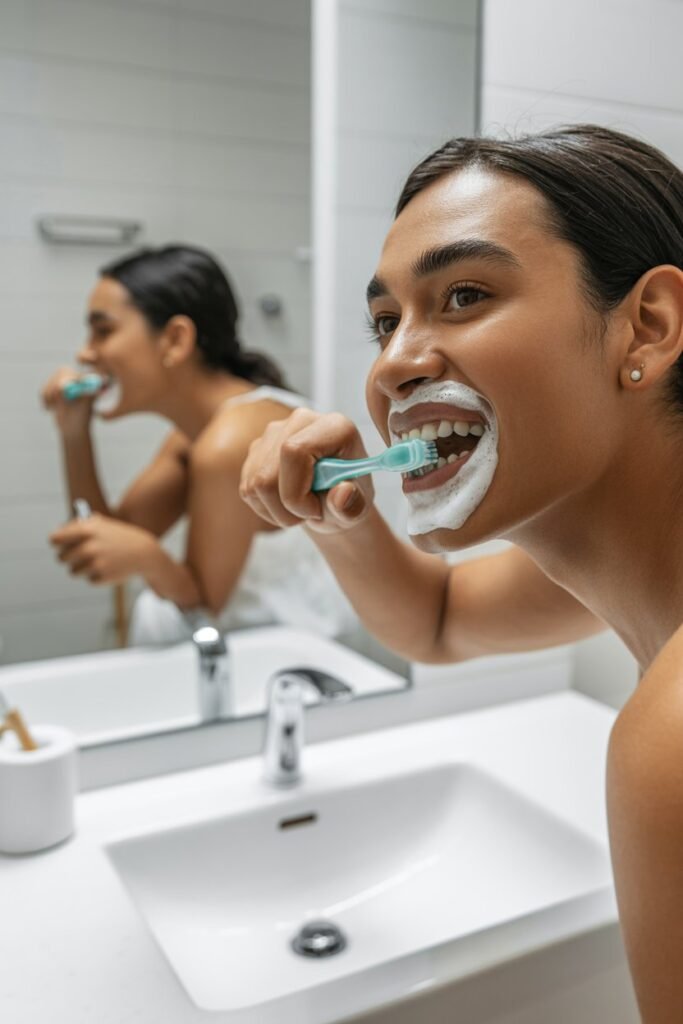
Many people brush their teeth every day but still struggle with yellowing because they brush too quickly or incorrectly.
A good brushing routine should take at least two full minutes.
Tips for brushing correctly:
- Use gentle circular motions
- Brush twice daily
- Don’t scrub aggressively
- Clean along the gumline
- Brush your tongue too
- Use a soft-bristled toothbrush
- Replace your toothbrush every 3 months
Brushing too hard may actually wear down enamel. Once enamel becomes thinner, teeth can appear more yellow instead of whiter.
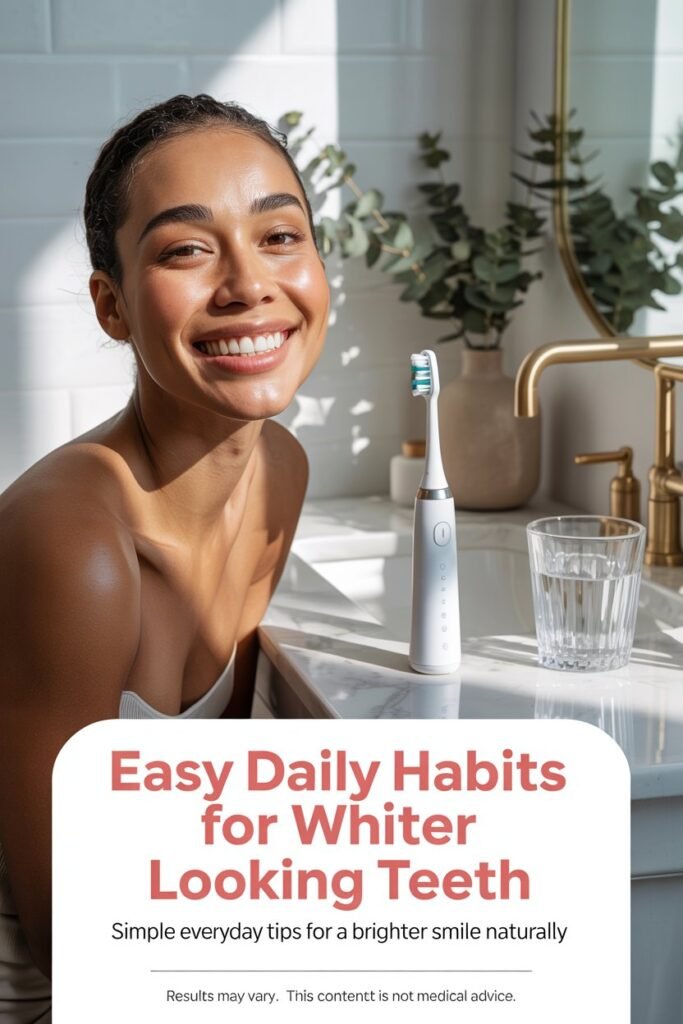
Electric toothbrushes can also help improve plaque removal if you struggle with consistency.
Whitening Toothpaste Can Help — But Don’t Overdo It
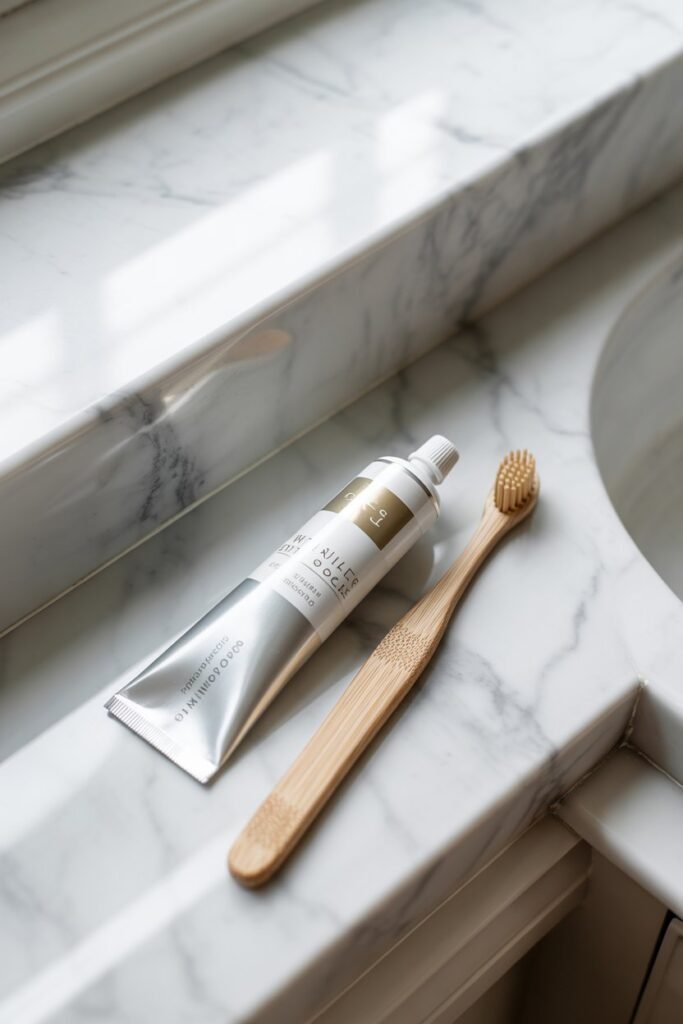
Whitening toothpaste works best for surface stains caused by coffee, tea, or food.
However, many people expect dramatic results too quickly.
Most whitening toothpastes:
- Remove surface stains gradually
- Polish the teeth gently
- Help prevent new discoloration
They usually do not bleach the teeth deeply like professional treatments.
Important tip:
Avoid using harsh whitening toothpaste multiple times a day if your teeth are sensitive. Overuse can sometimes increase sensitivity or irritate enamel.
The safest approach is consistency instead of aggressive whitening.
Flossing Is More Important Than Most People Think
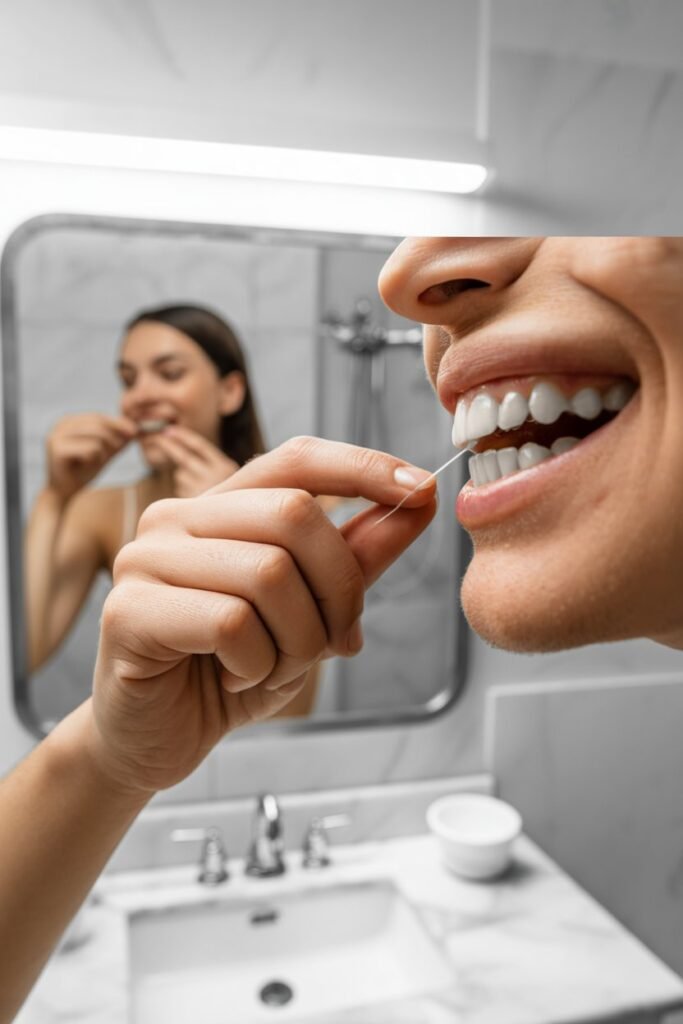
One of the biggest mistakes people make is focusing only on brushing while ignoring flossing completely.
Food particles and plaque easily hide between the teeth, creating:
- Yellow buildup
- Bad breath
- Gum irritation
- Staining near the gumline
Flossing daily helps keep those hidden areas clean.
If regular floss feels difficult, you can try:
- Water flossers
- Floss picks
- Soft interdental brushes
Many people notice their smile looks cleaner overall once they begin flossing consistently.
Drink Less Soda and Sugary Drinks
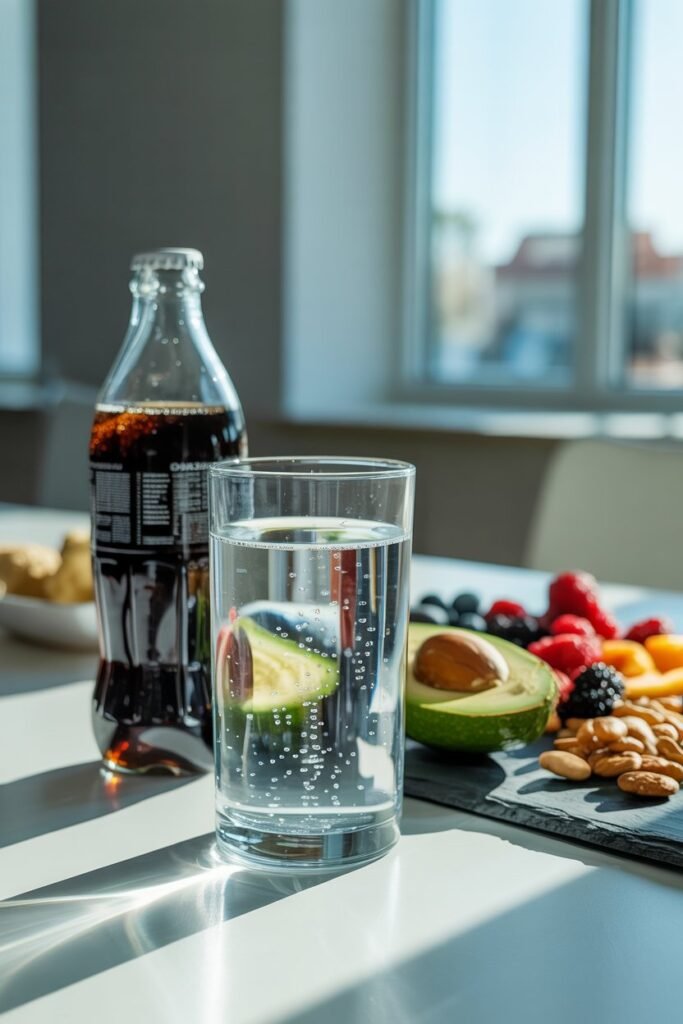
Sugary drinks don’t just affect your weight or skin — they can seriously impact your teeth too.
Soft drinks contain:
- Sugar
- Acids
- Artificial coloring
These ingredients weaken enamel and make staining happen faster.
Dark sodas are especially known for causing discoloration over time.
If quitting soda completely feels unrealistic, try these smaller changes:
- Drink it less often
- Use a straw
- Rinse your mouth afterward
- Avoid sipping slowly for hours
Tiny habits like these can make a major difference.
Coffee Lovers: You Don’t Have to Quit

Coffee is one of the biggest causes of teeth staining, but realistically, many people are not giving it up anytime soon.
The goal is reducing damage — not perfection.
Smart coffee habits for less staining:
- Drink water after coffee
- Avoid holding coffee in your mouth
- Use a straw for iced coffee
- Brush 30 minutes later
- Limit multiple cups throughout the day
You can also add milk to coffee, which may slightly reduce staining intensity compared to black coffee.
Eat Foods That Naturally Clean Teeth

Certain crunchy fruits and vegetables can help clean the teeth naturally while chewing.
Some of the best options include:
- Apples
- Carrots
- Celery
- Cucumbers
- Pears
These foods stimulate saliva production and help remove minor surface buildup.
Saliva is incredibly important because it naturally:
- Neutralizes acids
- Protects enamel
- Washes away food particles
- Reduces bacteria
A dry mouth often leads to faster staining and plaque buildup.
Calcium-Rich Foods Support Stronger Enamel

Strong enamel helps teeth stay brighter longer.
Foods rich in calcium and minerals can help support healthier teeth, including:
- Yogurt
- Cheese
- Milk
- Almonds
- Leafy greens
Cheese is especially interesting because it may help balance acids inside the mouth after meals.
Healthy enamel reflects light better, making teeth appear naturally whiter.
Smoking Can Quickly Destroy a Bright Smile
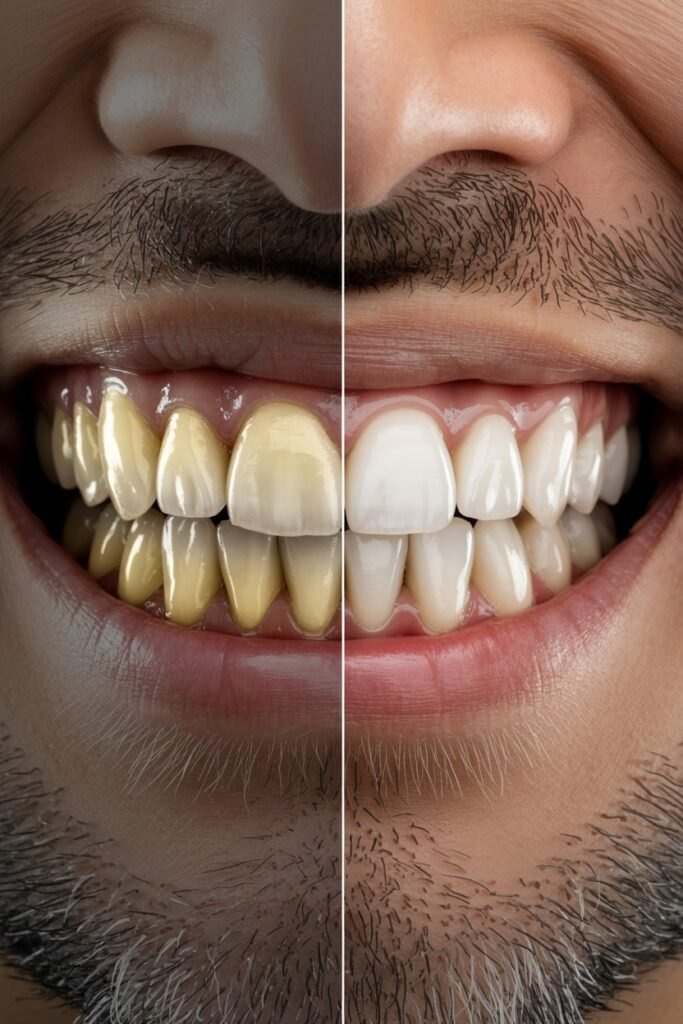
Smoking and tobacco products are among the fastest ways to stain teeth.
Nicotine and tar create:
- Yellow stains
- Brown discoloration
- Bad breath
- Gum damage
Even whitening treatments often become less effective if smoking continues regularly.
Many people notice visible improvements in their teeth within months of quitting smoking.
Don’t Brush Immediately After Acidic Foods

This surprises a lot of people.
After consuming acidic foods or drinks like:
- Orange juice
- Lemon water
- Soda
- Vinegar
- Wine
your enamel temporarily softens.
Brushing immediately afterward can actually wear down the enamel faster.
Instead:
- Rinse with water
- Wait about 30 minutes
- Then brush gently
This simple habit helps protect the surface of your teeth.
Try Oil Pulling for a Cleaner Feeling

Oil pulling has become increasingly popular in natural wellness routines.
It involves swishing coconut oil in your mouth for about 10–15 minutes before brushing.
Some people use it to:
- Freshen breath
- Reduce bacteria
- Support oral hygiene
- Help teeth appear cleaner
While it won’t magically whiten teeth overnight, many people enjoy how fresh and polished their mouth feels afterward.
Your Tongue Holds More Bacteria Than You Think
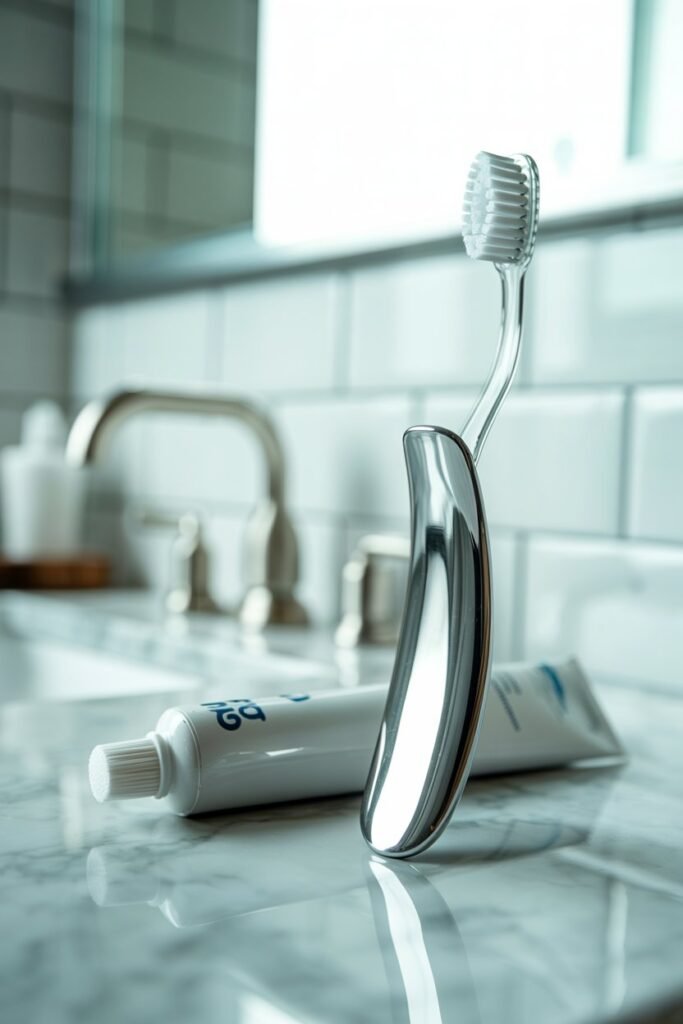
A coated tongue can contribute to:
- Bad breath
- Bacteria buildup
- Poor oral hygiene
Using a tongue scraper daily can help your mouth feel noticeably cleaner.
It’s a small step, but it makes a surprisingly big difference in overall freshness.
Stay Hydrated Throughout the Day

Dehydration affects more than your energy levels.
A dry mouth creates an environment where bacteria grow more easily and stains stick to the teeth longer.
Try to sip water consistently during the day, especially:
- After meals
- After coffee
- After sugary snacks
- After workouts
Hydration supports both oral health and fresher breath.
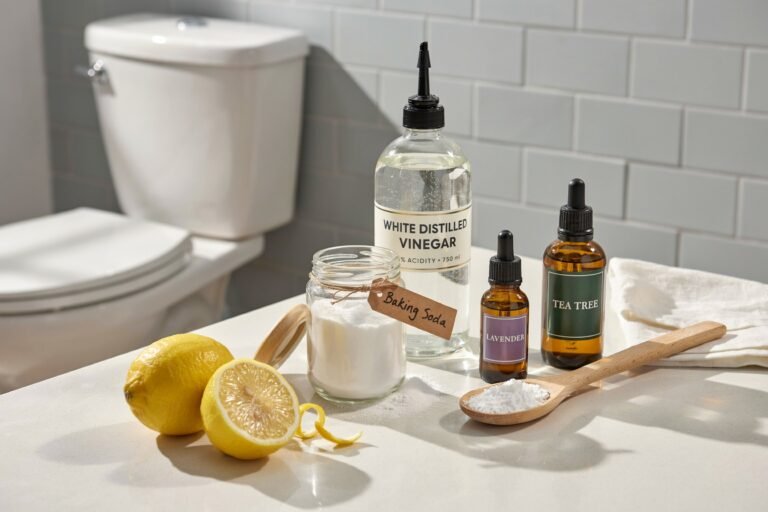
Be Careful With Viral DIY Whitening Hacks
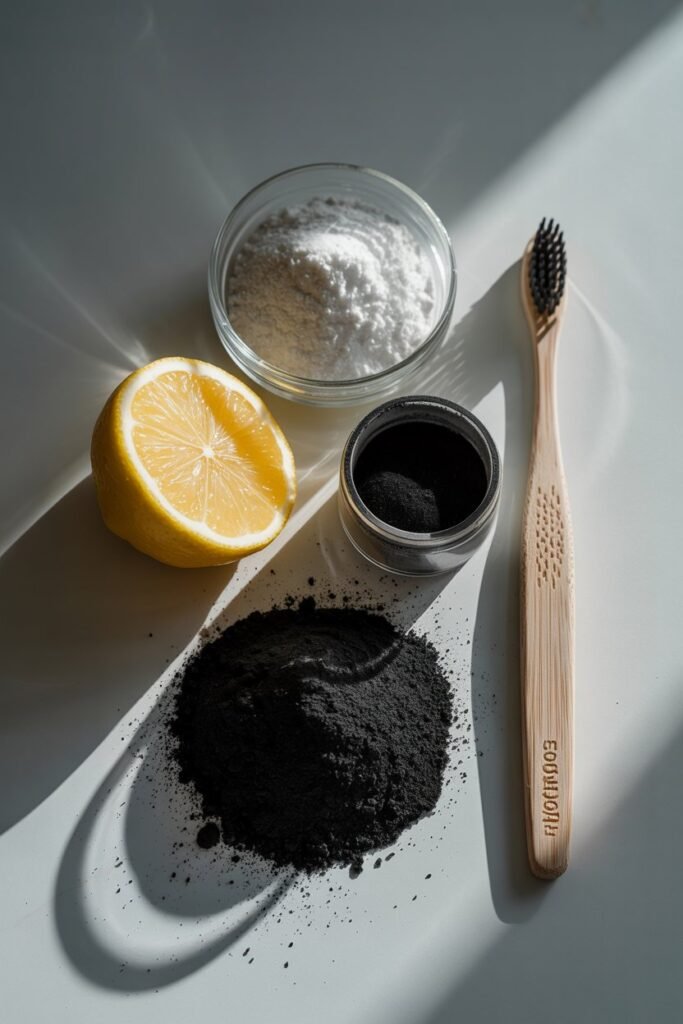
Social media is full of whitening tricks using:
- Lemon juice
- Baking soda
- Charcoal
- Hydrogen peroxide mixtures
Some methods may temporarily remove surface stains, but overusing harsh ingredients can damage enamel permanently.
Once enamel is worn down, teeth may become:
- More yellow
- Sensitive
- Rougher
- Harder to whiten
Gentle consistency is usually safer than aggressive shortcuts.
Professional Dental Cleanings Matter More Than People Realize
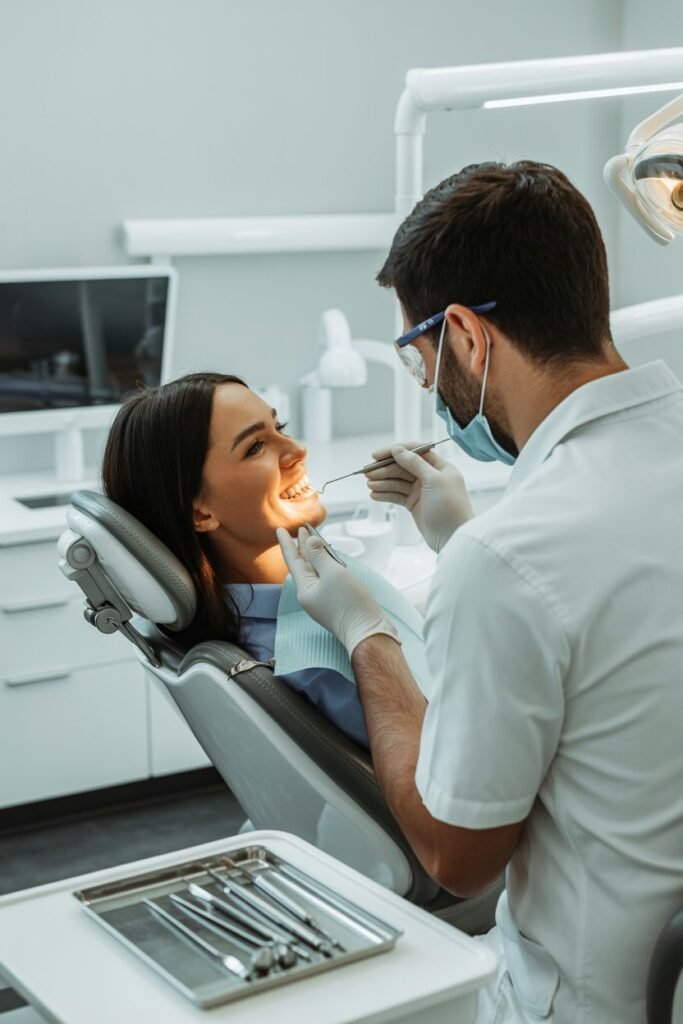
Even if you brush well, tartar can still build up over time.
Professional cleanings help:
- Remove hardened plaque
- Polish away stains
- Improve gum health
- Brighten the appearance of teeth
Sometimes a professional cleaning alone makes teeth look dramatically whiter without any whitening treatment.
Most dentists recommend regular cleanings every 6 months.
A Realistic Daily Routine for Whiter Looking Teeth
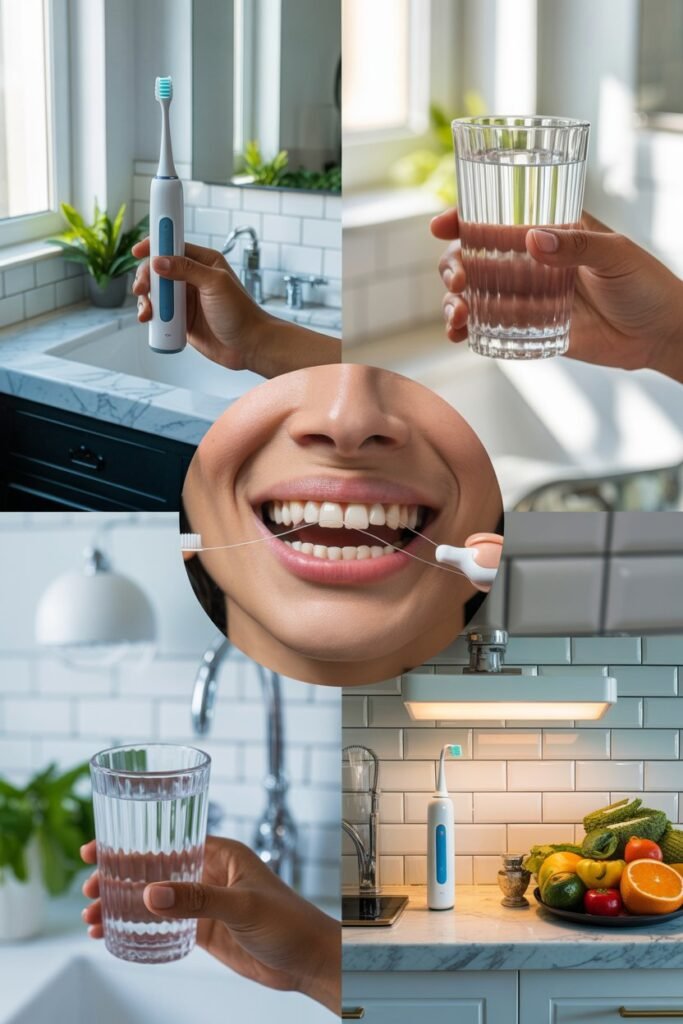
If you want a simple routine that actually feels manageable, here’s a realistic example:
Morning
- Drink water first
- Brush gently for 2 minutes
- Clean tongue
- Eat a healthy breakfast
During the Day
- Drink more water
- Limit sugary drinks
- Rinse after coffee
- Snack on crunchy fruits or vegetables
Night
- Brush thoroughly
- Floss carefully
- Avoid late-night sugary snacks
Consistency matters far more than trying extreme whitening methods once in a while.
The Truth About Naturally White Teeth
Perfectly white teeth are often unrealistic — especially compared to edited photos online.
Healthy teeth naturally vary in shade, and genetics also play a role in tooth color.
The real goal should be:
- Cleaner teeth
- Stronger enamel
- Healthier gums
- Fresher breath
- A naturally brighter smile
When your teeth are healthy, they almost always look better too.
Final Thoughts
A brighter smile usually starts with small daily habits, not expensive treatments.
Simple things like drinking more water, brushing properly, flossing consistently, and protecting your enamel can make a noticeable difference over time.
You don’t need perfection. You just need routines that you can realistically stick to every day.
The healthier your mouth becomes, the brighter and cleaner your smile naturally begins to look.
Disclaimer: This post is for informational purposes only and is not intended as medical or dental advice. Always consult a dental professional for personalized oral care recommendations.