
I didn’t always think about collagen.
For the longest time, skincare for me meant a good cleanser, a simple moisturizer, and hoping for the best. But over time, I started noticing subtle changes my skin didn’t bounce back the way it used to, my hair felt a little thinner, and my joints well, they started reminding me I wasn’t getting any younger.
That’s when I realized something important:
Healthy skin doesn’t start in your skincare routine it starts in your kitchen.
Once I began focusing on collagen-supporting foods, the difference wasn’t overnight but it was real. My skin looked more hydrated, my hair felt stronger, and even my energy improved.
If you’ve been chasing glowing skin with products alone, this post will shift your perspective.
Let’s talk about the foods that actually help your body build collagen naturally.
I didn’t always think about collagen.
For the longest time, skincare for me meant a good cleanser, a simple moisturizer, and hoping for the best. But over time, I started noticing subtle changes my skin didn’t bounce back the way it used to, my hair felt a little thinner, and my joints well, they started reminding me I wasn’t getting any younger.
That’s when I realized something important:
Healthy skin doesn’t start in your skincare routine it starts in your kitchen.
Once I began focusing on collagen-supporting foods, the difference wasn’t overnight but it was real. My skin looked more hydrated, my hair felt stronger, and even my energy improved.
If you’ve been chasing glowing skin with products alone, this post will shift your perspective.
Let’s talk about the foods that actually help your body build collagen naturally.
What Is Collagen (And Why It Matters More Than You Think)

Collagen is the most abundant protein in your body. Think of it as the “glue” that holds everything together—your skin, joints, bones, muscles, and even your gut lining.
It’s responsible for:
- Skin elasticity and firmness
- Smooth, wrinkle-free texture
- Strong hair and nails
- Flexible joints and healthy cartilage
But here’s the catch:
Your natural collagen production starts declining in your mid-20s.
And things like stress, sugar, smoking, and sun exposure speed up that decline.
That’s why feeding your body the right nutrients is essential not just for beauty, but for long-term health.
The Truth About Collagen Foods
Before we dive in, here’s something most people don’t realize:
- Some foods contain collagen directly (like bone broth or fish skin)
- Others help your body produce collagen (like vitamin C-rich fruits)
You need both.
That’s exactly what this list gives you a complete, balanced approach.
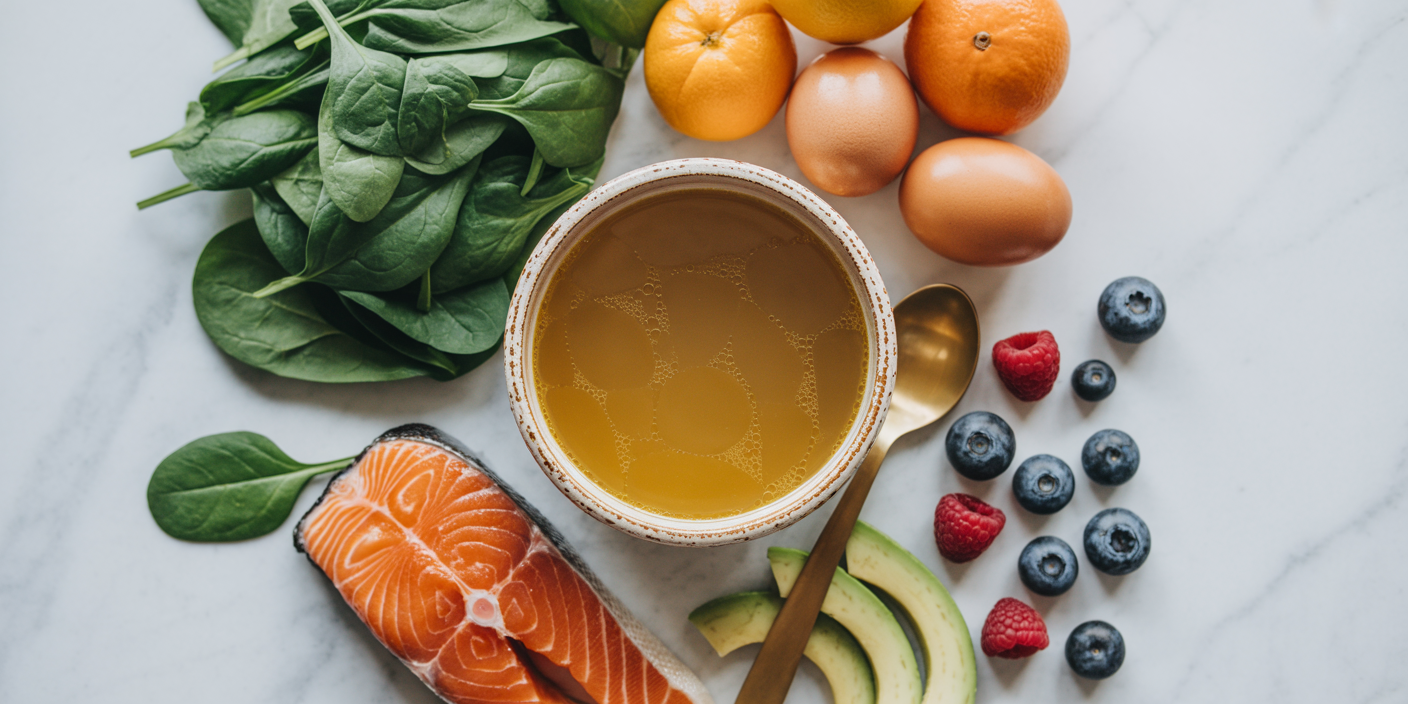
1. Bone Broth
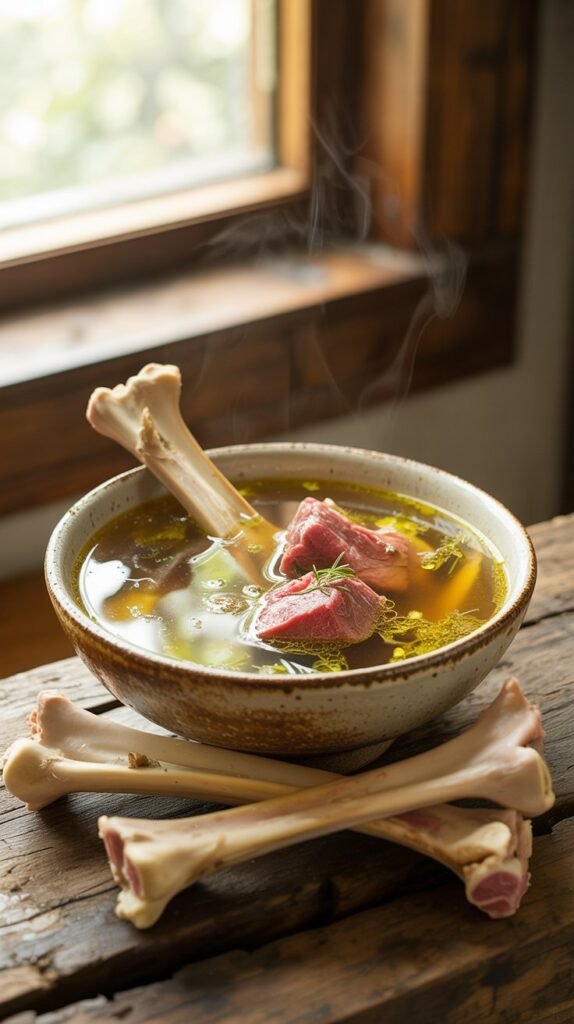
Bone broth is one of those things I underestimated for years.
But once I started adding it to my routine even just a few times a week I noticed a difference in my skin hydration and digestion.
It’s made by slowly simmering animal bones, which releases:
- Collagen
- Gelatin
- Amino acids like glycine and proline
Why It Works
These compounds directly support:
- Skin repair
- Gut health
- Joint strength
How to Use It
- Sip it warm in the morning
- Use it as a base for soups
- Cook rice or vegetables in it
Pro Tip
Go for grass-fed or organic bones the quality matters more than you think.
2. Chicken (Skin & Cartilage)

Chicken is one of the easiest ways to add collagen to your diet—especially the parts most people avoid.
The skin and connective tissues are packed with type II collagen, which supports:
- Joint health
- Skin firmness
- Ligament strength
Real-Life Tip
Instead of always trimming off the skin, try:
- Roasting chicken with skin occasionally
- Using whole chicken for soups
Balance is key you don’t need it daily, just consistently.
3. Fish (With Skin)

Fish became a game-changer for me.
Not just because of collagen but because of how it made my skin feel.
Fish skin contains marine collagen, which is:
- Highly absorbable
- Effective for skin hydration
- Linked to anti-aging benefits
Best Options
- Salmon
- Sardines
- Mackerel
- Tuna
Bonus Benefit
They’re also rich in omega-3 fatty acids, which reduce inflammation and protect collagen from breaking down.
4. Egg Whites

Egg whites don’t contain collagen itself, but they’re rich in proline, one of the main amino acids your body uses to produce collagen.
Why This Matters
Without amino acids, your body cannot build collagen even if you’re eating collagen-rich foods.
Easy Ways to Add Them
Smoothies (pasteurized whites)
Boiled eggs for breakfast
Omelets with vegetables
5. Beef
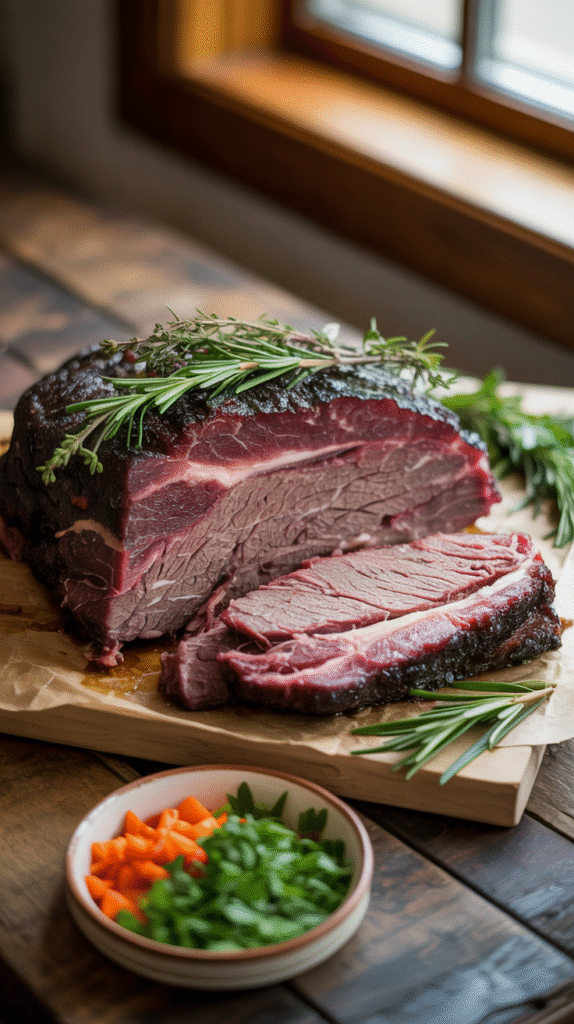
Beef especially tougher cuts contains connective tissue rich in collagen.
Think:
- Brisket
- Chuck
- Oxtail
Why It’s Effective
It provides:
- Collagen
- Iron
- Zinc
All of which support skin repair and regeneration.
Best Approach
Slow-cooked meals (like stews) help break down collagen, making it easier for your body to use.
6. Gelatin
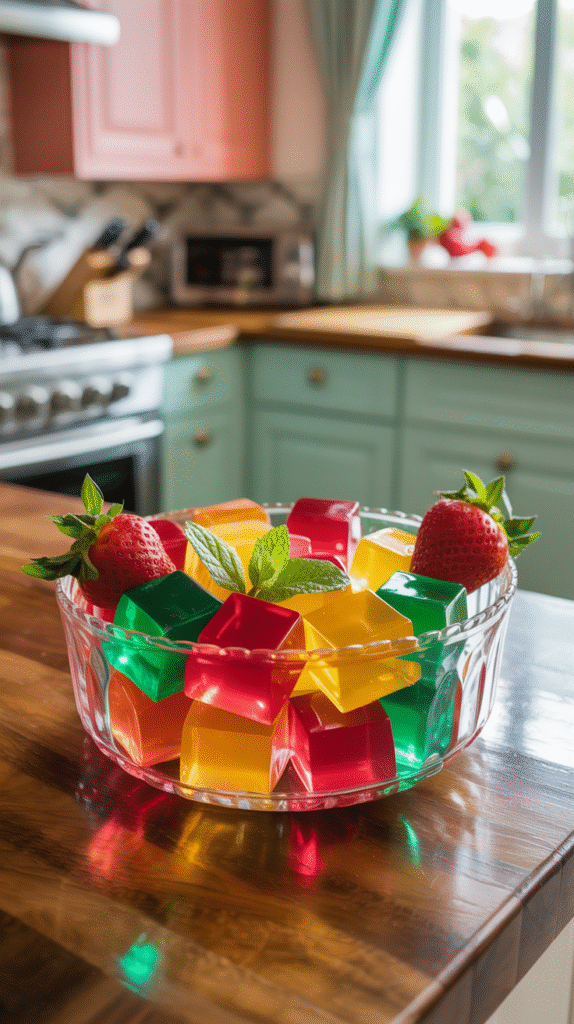
Gelatin is essentially cooked collagen, and it’s one of the easiest ways to boost your intake.
Benefits
- Improves skin elasticity
- Strengthens nails
- Supports joints
Simple Uses
Stir into soups
Add to tea or coffee
Make homemade gummies
7. Shellfish (Shrimp, Oysters, Lobster)

Shrimp, oysters, and lobster don’t just offer collagen they’re also rich in zinc, which plays a major role in collagen production.
Why Zinc Matters
Zinc helps:
- Repair damaged tissue
- Support skin healing
- Boost collagen synthesis
Practical Tip
Even small portions once or twice a week can make a difference.
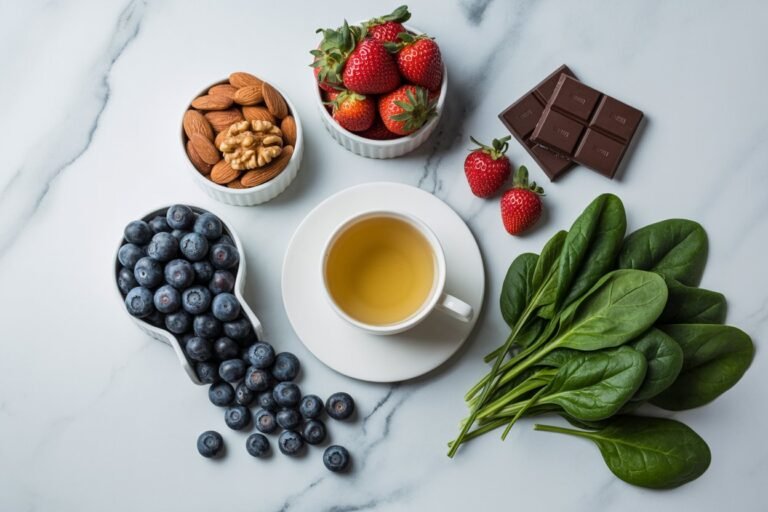
8. Leafy Greens (Spinach, Kale)
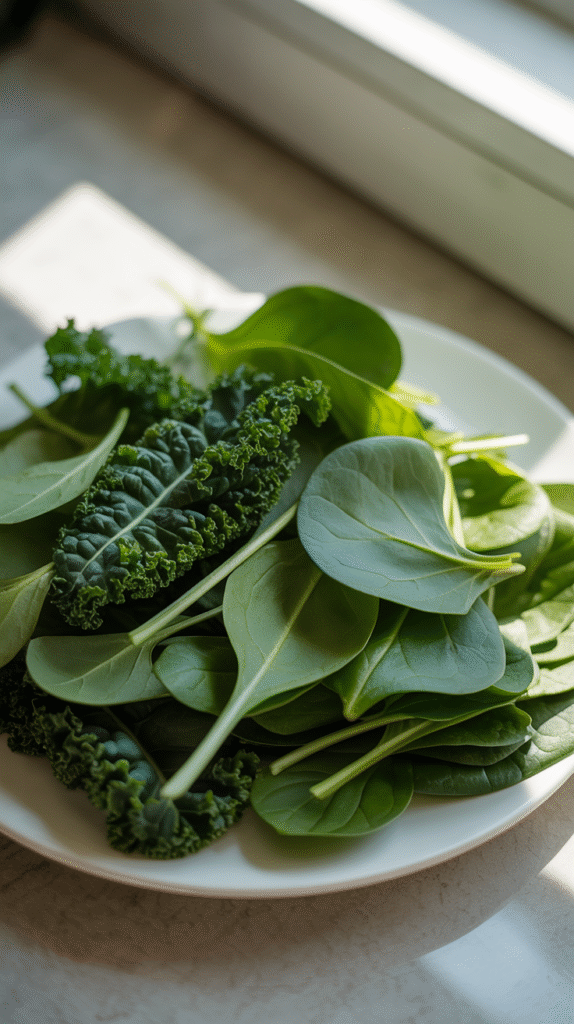
I used to overlook greens when thinking about skin health but they’re essential.
Spinach, kale, and other greens are rich in:
- Vitamin C
- Chlorophyll
- Antioxidants
What They Do
They:
Protect against collagen breakdown
Stimulate collagen production
9. Citrus Fruits
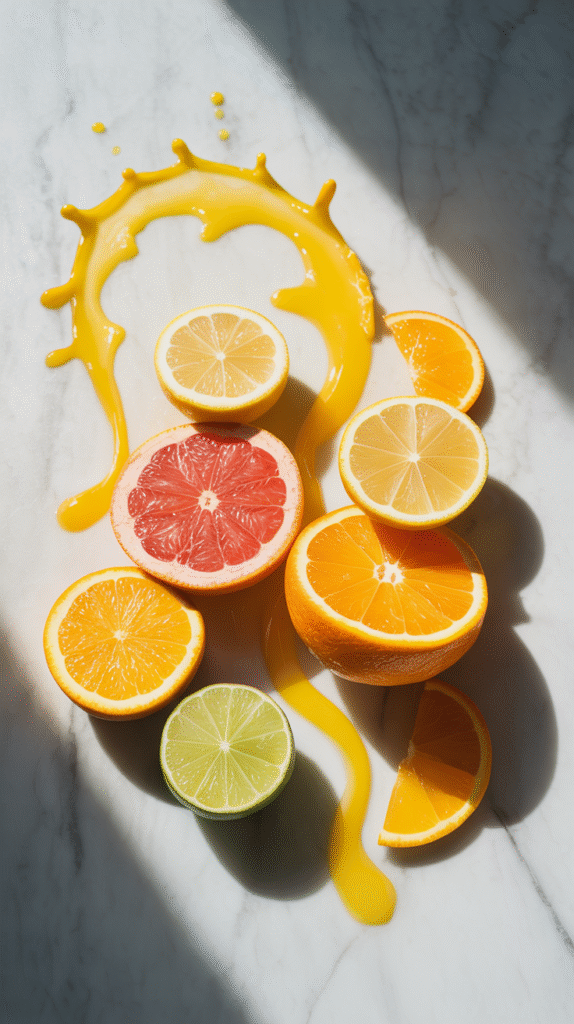
If there’s one nutrient you don’t want to miss, it’s vitamin C.
Without it, your body simply cannot produce collagen.
Top Choices
- Oranges
- Lemons
- Grapefruits
Easy Habit
Start your day with warm lemon water it’s simple but effective.
10. Berries (Blueberries, Strawberries, Raspberries)

Berries don’t just help produce collagen they protect what you already have.
They’re rich in:
- Vitamin C
- Ellagic acid
- Antioxidants
Why This Matters
They fight free radicals that break down collagen.
11. Avocados
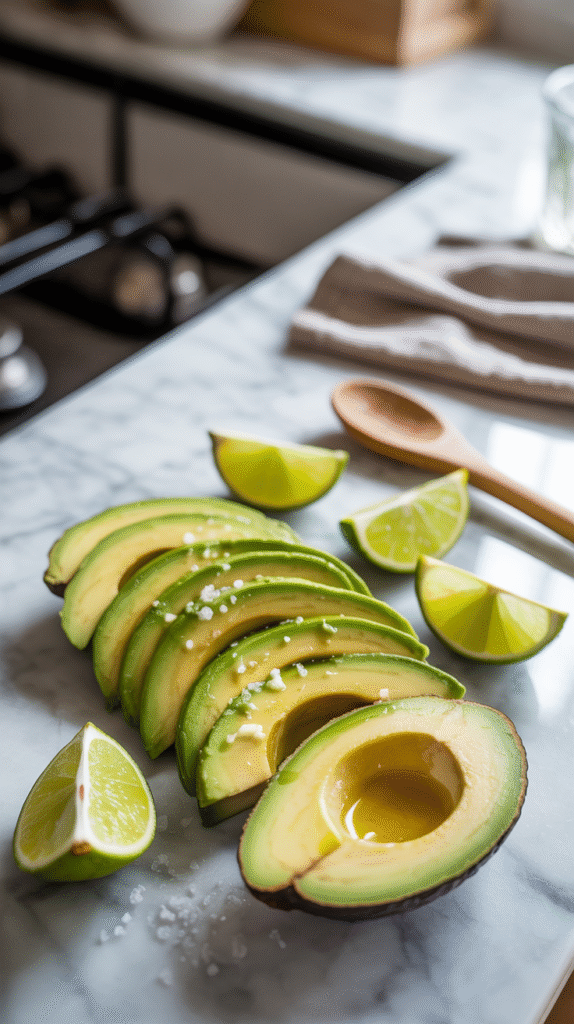
Avocados became a staple in my meals once I realized how powerful they are.
They’re loaded with:
- Vitamin E
- Healthy fats
- Antioxidants
Benefits
Keep skin hydrated
Improve skin elasticity
Prevent collagen breakdown
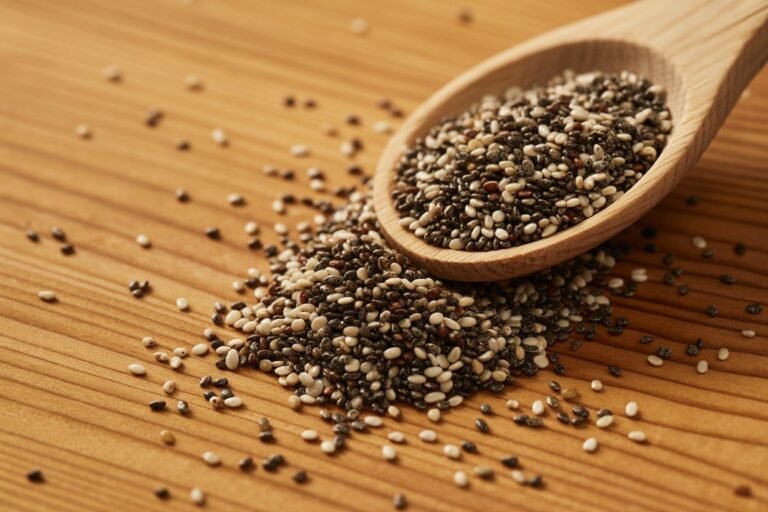
12. Nuts & Seeds (Pumpkin, Chia, Sunflower)
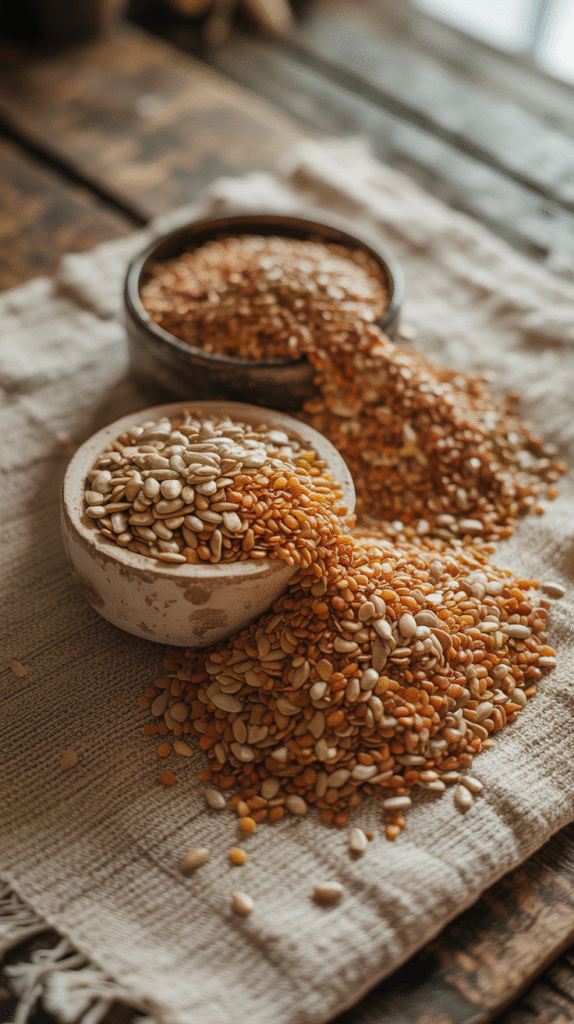
Pumpkin seeds, chia seeds, and sunflower seeds provide:
- Zinc
- Copper
- Healthy fats
Why They Matter
These nutrients act as co-factors they help your body actually use collagen effectively.
13. Sweet Potatoes

Sweet potatoes are rich in beta-carotene, which converts to vitamin A.
Benefits
Enhances natural glow
Supports skin regeneration
Protects against UV damage
14. Tomatoes

Tomatoes are a top source of lycopene, a powerful antioxidant.
What It Does
Supports overall skin health
Protects collagen from sun damage
Improves skin texture
15. Garlic
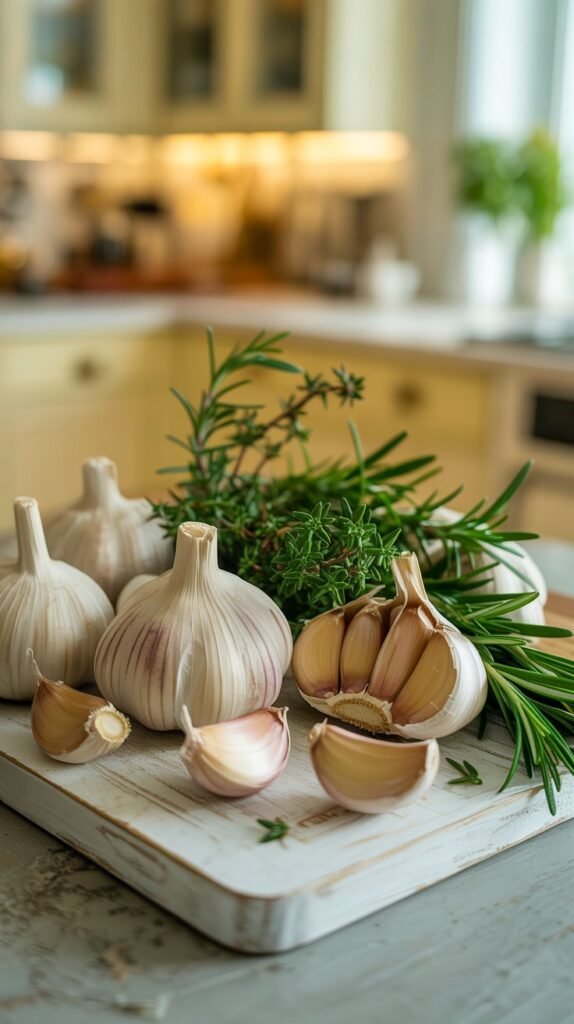
Garlic might not be glamorous, but it’s incredibly effective.
It contains:
- Sulfur
- Taurine
Why It’s Important
These compounds help:
Prevent collagen breakdown
Rebuild collagen fibers
Bonus: A Simple Collagen-Boosting Meal Plan
Here’s a realistic, easy-to-follow meal idea:
Breakfast
- Eggs with sautéed spinach
- Citrus fruit
Lunch
- Grilled salmon with avocado
- Sweet potato
Dinner
- Bone broth soup with chicken and vegetables
Snack
- Berries with nuts and seeds
How to Maximize Collagen Absorption
This is where most people go wrong.
1. Pair Nutrients Smartly
Combine:
- Protein + Vitamin C
Example: chicken + lemon
2. Cut Back on Sugar
Sugar damages collagen through a process called glycation.
3. Stay Hydrated
Collagen needs water to function properly.
4. Sleep Matters
Your body repairs and produces collagen while you sleep.
FAQ: Collagen Foods and Results
Q1. Can you rebuild collagen naturally with food?
Yes. Consistent intake of collagen-rich and collagen-supporting foods helps your body produce it effectively.
Q2. Are plant-based options enough?
They don’t contain collagen, but they provide the nutrients needed to build it.
Q3. When will I see results?
Most people notice improvements in:
- Skin hydration: 2–4 weeks
- Elasticity & glow: 4–8 weeks
Q4. Are supplements necessary?
Not always. Whole foods provide a broader range of nutrients and long-term benefits.
Final Thoughts
You don’t need an expensive routine to improve your skin, hair, or joints.
What you eat every day matters more than any product you apply occasionally.
Start small.
Add one or two of these foods into your routine this week. Stay consistent. Pay attention to how your body responds.
Because real transformation doesn’t come from doing everything at once
It comes from doing the right things consistently.