

Most people don’t think about their teeth until something goes wrong—pain, sensitivity, bleeding gums, or a sudden visit to the dentist they weren’t planning for.
Yet oral health is one of the easiest areas of personal care to maintain when you understand the basics.
The truth is, you don’t need a complicated dental routine or expensive products to keep your teeth healthy.
What you need is a simple system that fits naturally into your daily life and prevents problems before they start.
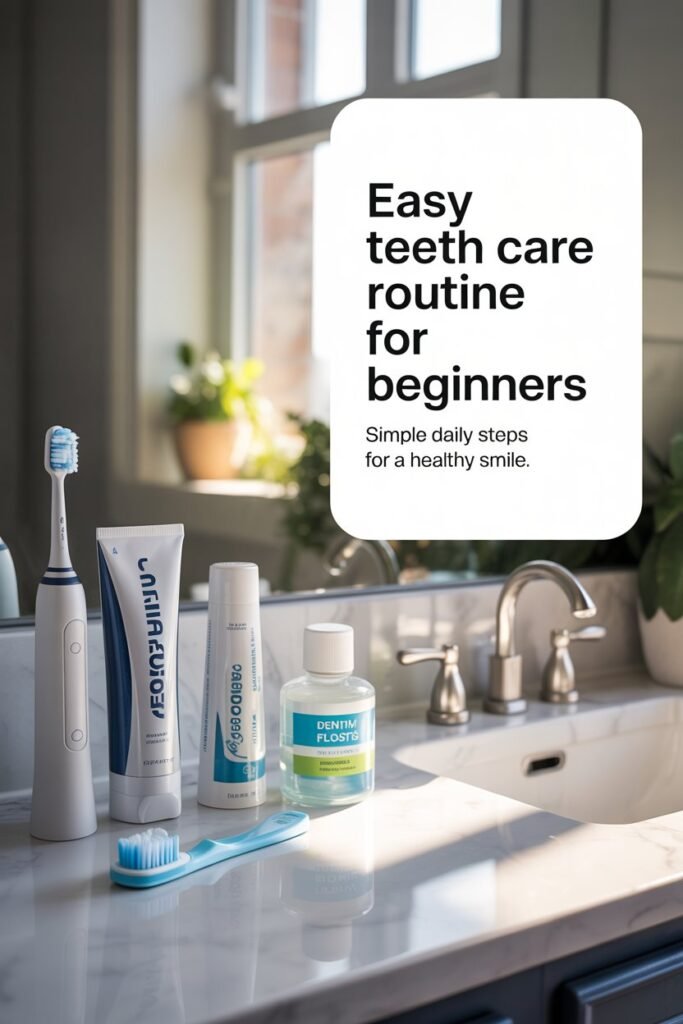
This guide is designed specifically for beginners who want a clear, realistic, and stress-free approach to teeth care.
No confusing dental jargon. No overwhelming routines. Just practical steps you can follow every day to build strong teeth, healthy gums, and long-lasting fresh breath.
By the end, you’ll not only know what to do, but also why it matters and how to make it stick for life.
Why Teeth Care Is a Big Deal (More Than Just a Smile)

Teeth care is often treated as cosmetic—something about looks or fresh breath—but it goes much deeper than that.
Your mouth is directly connected to your overall health, and neglecting it can create problems far beyond cavities.
When you eat, drink, and breathe, bacteria constantly interact with your teeth and gums.
Without proper cleaning, these bacteria form plaque—a sticky film that slowly damages enamel and irritates the gums.
Over time, this leads to:
Tooth Decay and Cavities
Cavities don’t appear overnight. They start as tiny weak spots in enamel caused by acid-producing bacteria. If ignored, these grow into holes that require fillings or even tooth removal.
Gum Disease
Gum disease begins with inflammation (gingivitis). If untreated, it progresses to periodontitis, where gums pull away from teeth, causing pain, infection, and potential tooth loss.
Persistent Bad Breath
Bad breath is often caused by bacteria trapped between teeth and on the tongue. Without proper cleaning, it becomes constant rather than occasional.
Systemic Health Links
Studies have linked poor oral health with conditions such as heart disease, diabetes complications, and inflammation in the body.
Confidence and Social Impact
A healthy smile affects how you speak, smile, and interact with others. People often underestimate how much oral confidence influences self-esteem.
Taking care of your teeth is not just a hygiene habit—it’s a long-term investment in your health and confidence.
The Foundation: Building a Simple Daily Teeth Care System
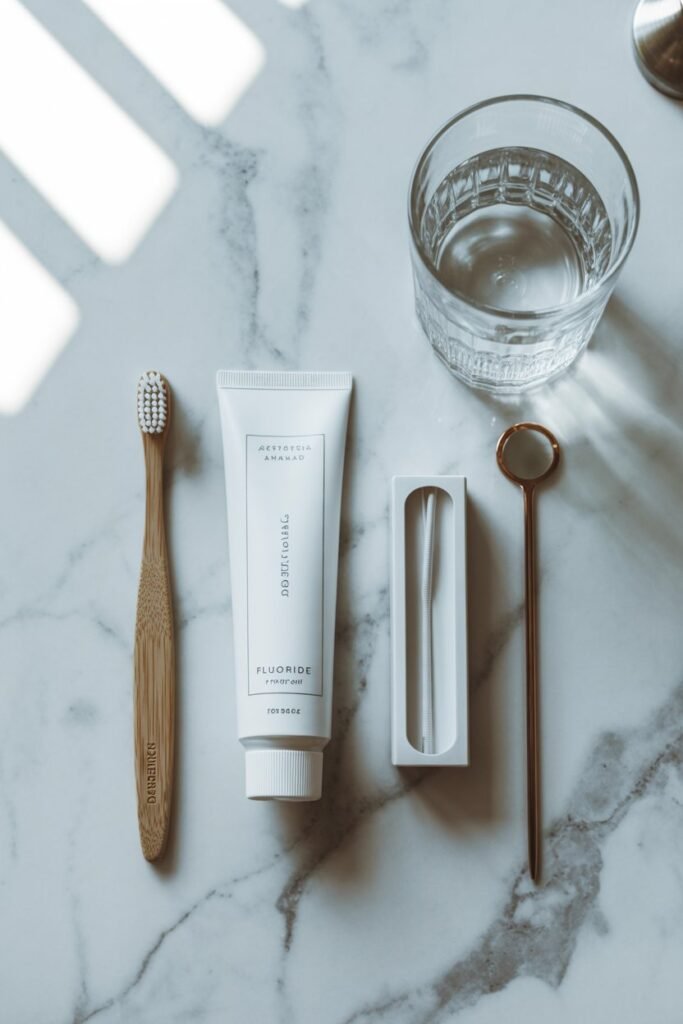
If you’re a beginner, the key is not doing everything at once, but building a system that you can maintain effortlessly.
A strong routine has just three core pillars:
- Brushing
- Cleaning between teeth (flossing)
- Cleaning the tongue
Everything else supports these basics.
1. Brushing Properly (The Most Important Habit)
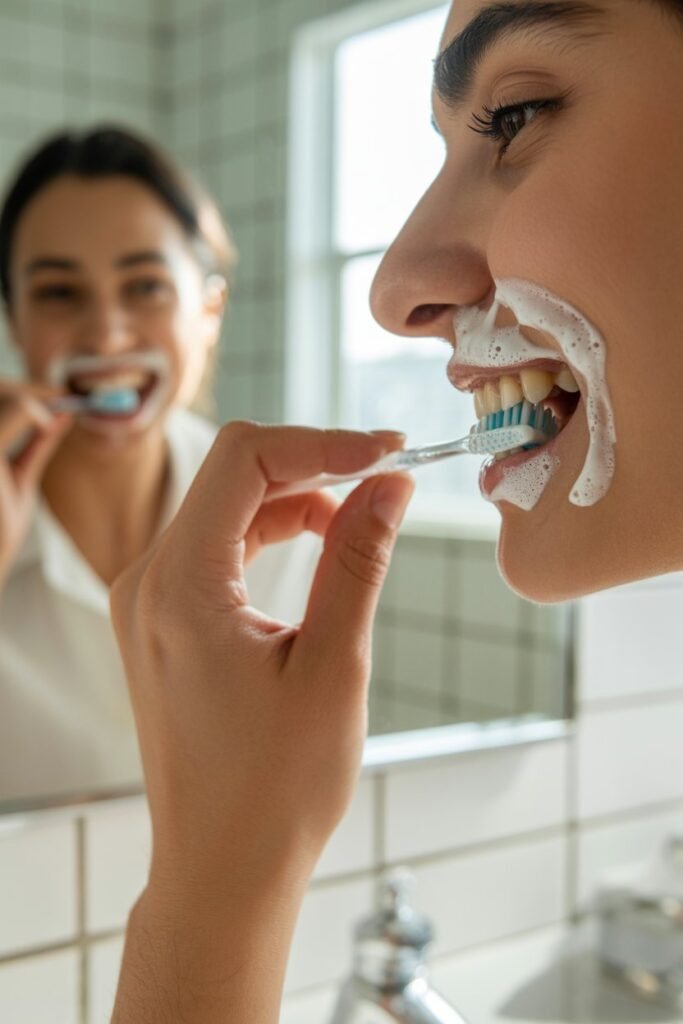
Brushing is the foundation of oral hygiene, but many people do it incorrectly or inconsistently
How Often Should You Brush?
You should brush twice daily:
- Morning: Removes bacteria that built up overnight
- Night: Removes food particles and plaque from the day (this is the most important session)
Skipping night brushing is one of the fastest ways to develop cavities.
How to Brush Correctly
Brushing is not about force—it’s about technique.
Follow these steps:
- Use a soft-bristled toothbrush
- Apply a pea-sized amount of fluoride toothpaste
- Hold the brush at a slight angle toward the gums
- Use gentle circular or sweeping motions
- Brush all surfaces: front, back, and chewing surfaces
- Spend at least 2 full minutes brushing
Important Areas People Miss:
- Back molars (very cavity-prone)
- Gumline (where plaque builds up most)
- Inner surfaces of front teeth
Common Brushing Mistakes
Many beginners unknowingly damage their teeth by:
- Brushing too hard (wears down enamel)
- Using hard toothbrush bristles
- Brushing for less than 1 minute
- Rushing through the process
Proper brushing should feel gentle, not aggressive.
2. Flossing (The Step Most People Ignore—but Shouldn’t)
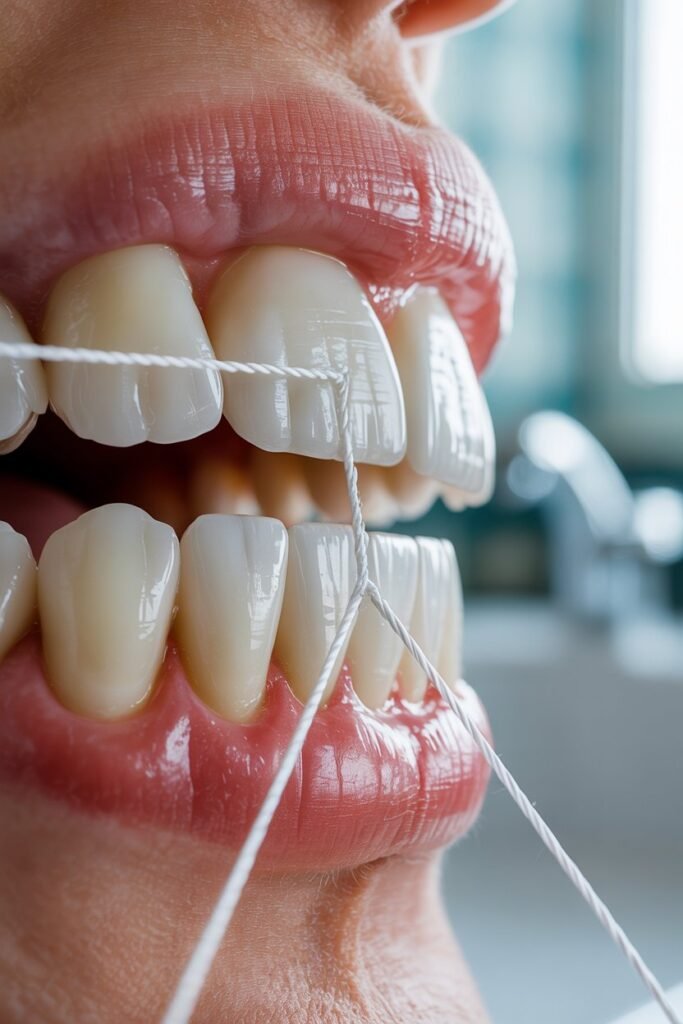
If brushing is the foundation, flossing is the hidden protection system.
A toothbrush cleans only about 60% of your tooth surfaces. The remaining 40%—the tight spaces between teeth—is where most cavities begin.
Why Flossing Matters
Flossing helps:
- Remove trapped food particles
- Prevent gum inflammation
- Reduce plaque buildup
- Prevent hidden cavities between teeth
How to Floss Correctly
- Use about 18 inches of floss
- Wrap most around your fingers
- Gently slide between teeth (don’t snap it in)
- Curve the floss into a “C” shape around each tooth
- Move up and down gently along the sides
If traditional floss feels difficult, you can use:
- Floss picks (easier for beginners)
- Water flossers (great for gum sensitivity)
How Often Should You Floss?
Once daily is enough—preferably at night before brushing.
3. Cleaning Your Tongue (The Hidden Key to Fresh Breath)
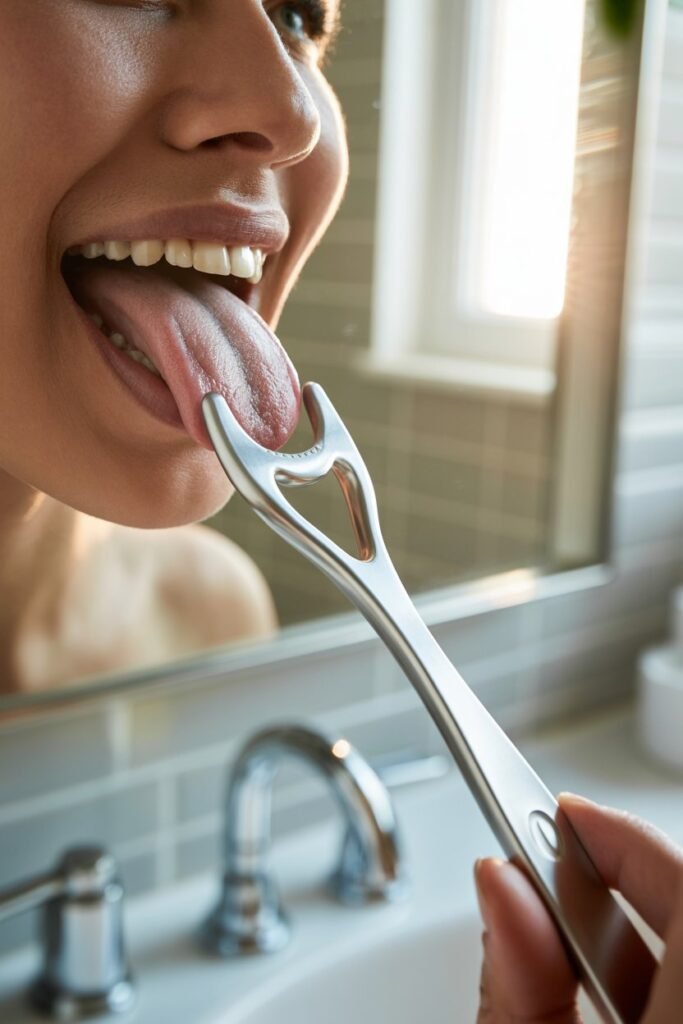
Most people focus only on teeth and forget the tongue. Yet the tongue holds a large amount of bacteria responsible for bad breath.
Why Tongue Cleaning Is Important
The tongue’s surface has tiny grooves where bacteria and food particles get trapped. If not cleaned, this leads to:
- Persistent bad breath
- Poor taste sensation
- Increased bacterial growth in the mouth
How to Clean Your Tongue
You can use:
- A tongue scraper (best option)
- Or your toothbrush
Steps:
- Start from the back of the tongue
- Gently scrape forward
- Repeat 1–3 times
- Rinse your mouth afterward
It only takes 10–15 seconds but makes a big difference.
4. Mouthwash (Optional but Useful Support)

Mouthwash is not essential, but it adds an extra layer of cleanliness.
Benefits:
- Reduces bacteria in hard-to-reach areas
- Helps freshen breath
- Supports gum health
- Adds protection after brushing
How to Use It:
- Use once daily (preferably at night)
- Swish for 30–60 seconds
- Do not rinse immediately with water after
Choose alcohol-free mouthwash if you have sensitive gums.
5. Hydration and Its Role in Oral Health

Water is one of the simplest yet most overlooked parts of oral care.
How Water Helps:
- Washes away food particles
- Prevents dry mouth (which increases bacteria growth)
- Helps saliva neutralize acids
- Reduces plaque buildup
A dry mouth creates an ideal environment for bacteria, so staying hydrated is essential.
6. Morning vs Night Routine (Step-by-Step Breakdown)

Morning Routine:
- Brush for 2 minutes
- Clean tongue
- Rinse mouth
- Drink water
Purpose: Start the day with a clean mouth and fresh breath.
Night Routine (Most Important):
- Floss thoroughly
- Brush for 2 minutes
- Clean tongue
- Use mouthwash (optional)
- Avoid eating afterward
Purpose: Remove all buildup before long hours of sleep.
7. Foods That Affect Your Teeth

Your diet plays a major role in oral health.
Teeth-Friendly Foods:
- Apples (natural cleansing effect)
- Carrots (stimulate saliva)
- Cheese (strengthens enamel)
- Yogurt (supports healthy bacteria)
- Leafy greens (rich in minerals)
- Water (natural cleanser)
Foods to Limit:
- Sugary snacks and candy
- Soft drinks and energy drinks
- Sticky sweets (caramel, toffee)
- Constant snacking throughout the day
It’s not about complete restriction—it’s about balance and cleaning afterward.
Common Beginner Mistakes (And How to Fix Them)

Many people follow routines but still get dental issues because of small mistakes.
Mistake 1: Brushing Too Hard
Fix: Use gentle pressure—let the brush do the work.
Mistake 2: Skipping Flossing
Fix: Start with floss picks if traditional floss feels hard.
Mistake 3: Inconsistent Routine
Fix: Tie brushing to daily habits like waking up and sleeping.
Mistake 4: Not Brushing Long Enough
Fix: Use a timer for 2 minutes.
Mistake 5: Ignoring Dental Checkups
Fix: Visit a dentist every 6 months.
How to Build a Routine That Actually Sticks

Consistency is more important than perfection.
Practical Tips:
- Start with just brushing twice daily
- Add flossing after one week
- Keep your toothbrush visible
- Use reminders on your phone
- Don’t aim for perfection—aim for consistency
Habits become automatic when repeated daily.
Simple Tools You Actually Need
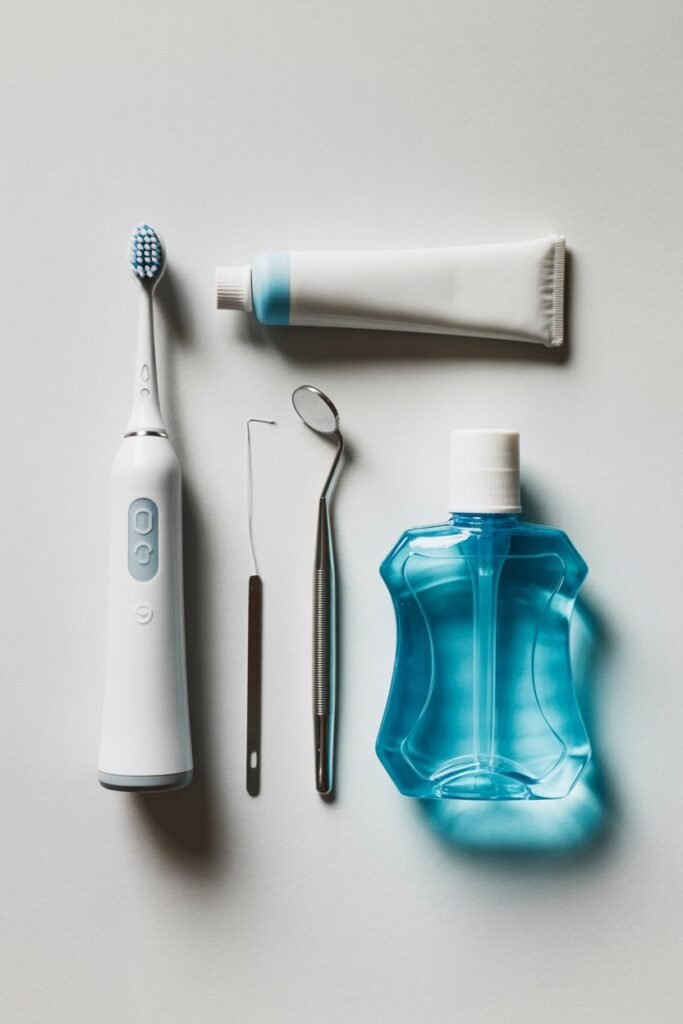
You don’t need expensive products.
Basic essentials:
- Soft toothbrush
- Fluoride toothpaste
- Dental floss or floss picks
- Tongue scraper
- Optional mouthwash
Replace your toothbrush every 3 months.
Dental Visits: Why They Still Matter
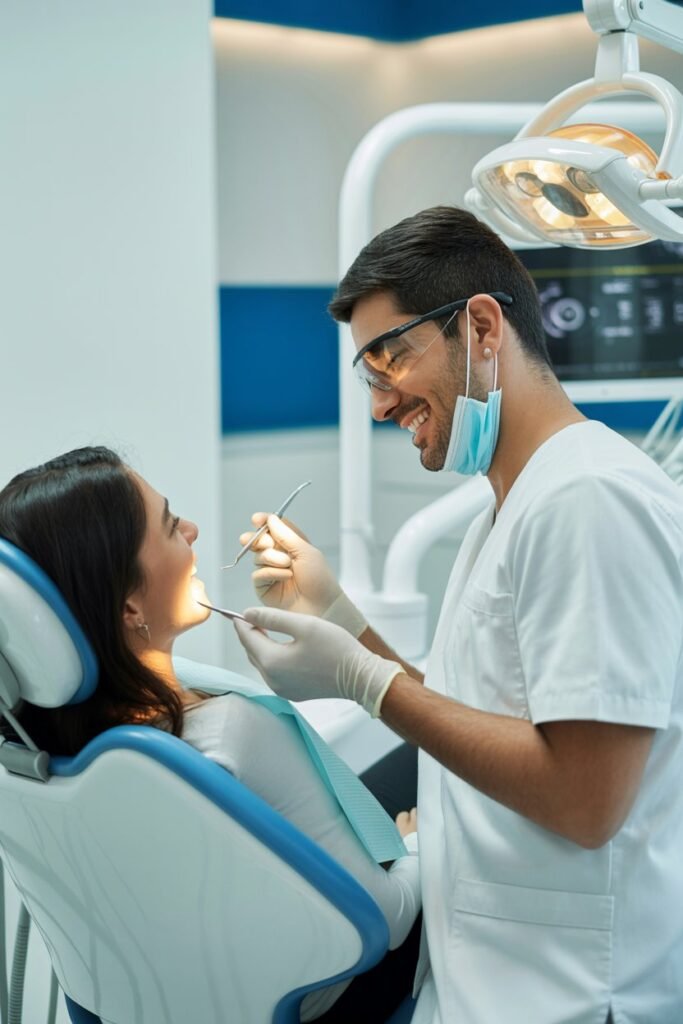
Even with perfect home care, professional cleaning is necessary.
Dentists:
- Remove hardened tartar
- Detect early problems
- Prevent serious complications
- Keep gums healthy
Recommended: Every 6 months.
Conclusion: Small Habits, Big Results
An easy teeth care routine doesn’t need to be complicated. The secret is consistency with simple actions that protect your teeth every single day.
If you remember nothing else, focus on this:
- Brush twice daily
- Floss once daily
- Clean your tongue
- Drink enough water
- Visit your dentist regularly
These small habits compound over time, giving you not just a cleaner smile, but better health, confidence, and long-term protection.
Your future smile is built by what you do today.