
When I started paying more attention to healthy eating, I originally focused on energy and feeling better throughout the day. One thing I did not expect was how much my skin seemed to respond too.
I noticed that some foods left me feeling refreshed, while others made my skin look dull or tired after a while.
Although skincare products can help, what we eat can also play an important role in supporting healthy-looking skin from the inside out. Healthy skin is not about expensive routines or trying extreme diets.
Skin health often works best when your body gets a consistent supply of nutrients, hydration, healthy fats, protein, vitamins, and minerals. Small daily food choices can make a bigger difference than quick fixes.
Why Your Diet Can Affect Your Skin
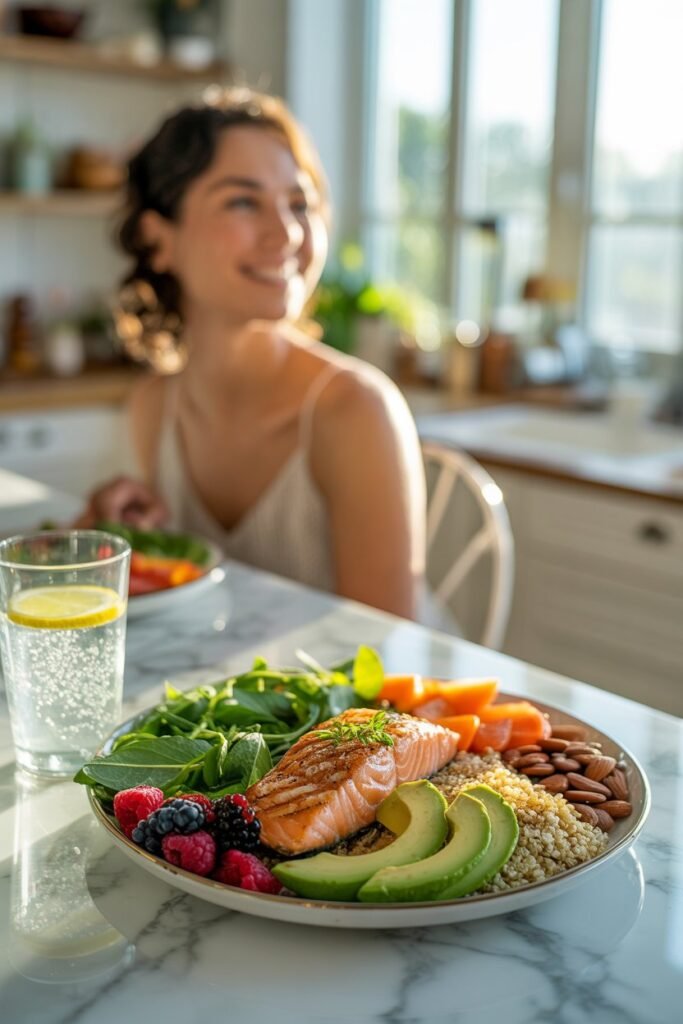
Your skin is your body’s largest organ, and like every other organ, it relies on nutrients to function well.
Certain foods may help support hydration, collagen production, and the skin barrier, while eating patterns low in important nutrients can sometimes affect overall skin appearance.
Some important nutrients that support skin health include:
- Vitamin C for collagen support
- Vitamin E for antioxidant support
- Healthy fats for skin moisture
- Protein for skin repair and maintenance
- Zinc for skin function
- Omega-3 fatty acids for overall skin support
- Water for hydration
Healthy skin usually comes from long-term habits rather than one “miracle” food.
Nutrients Your Skin Loves
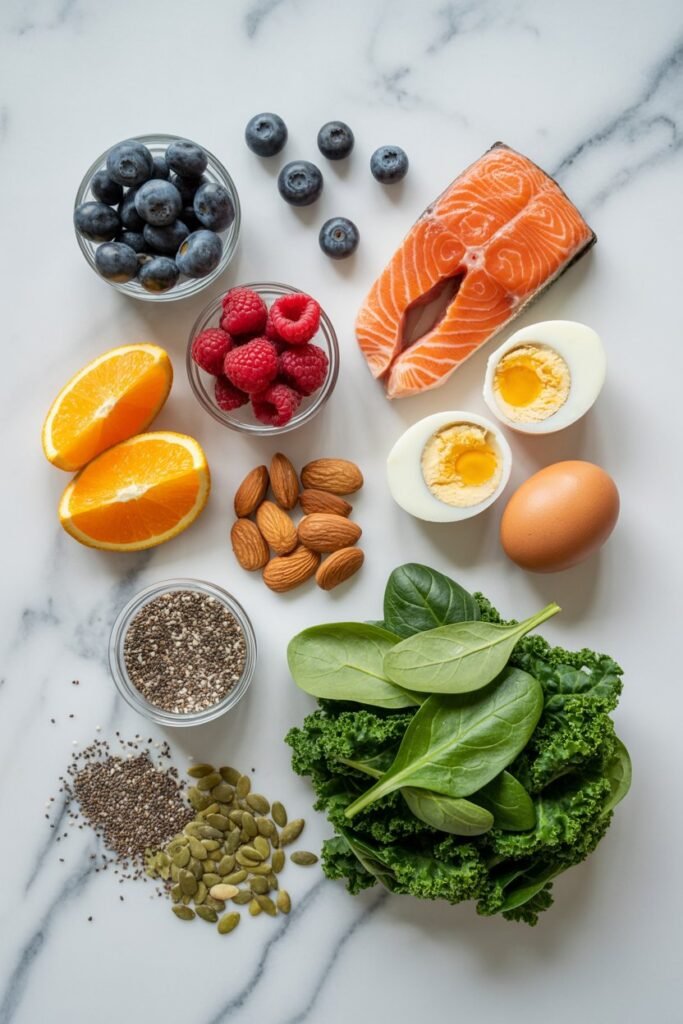
Before getting into the diet ideas, here are a few nutrients commonly associated with healthy skin:
- Antioxidants
- Omega-3 fats
- Protein
- Vitamin A
- Vitamin C
- Vitamin E
- Zinc
- Selenium
- Water-rich foods
- Fiber
Now let’s get into the ideas.
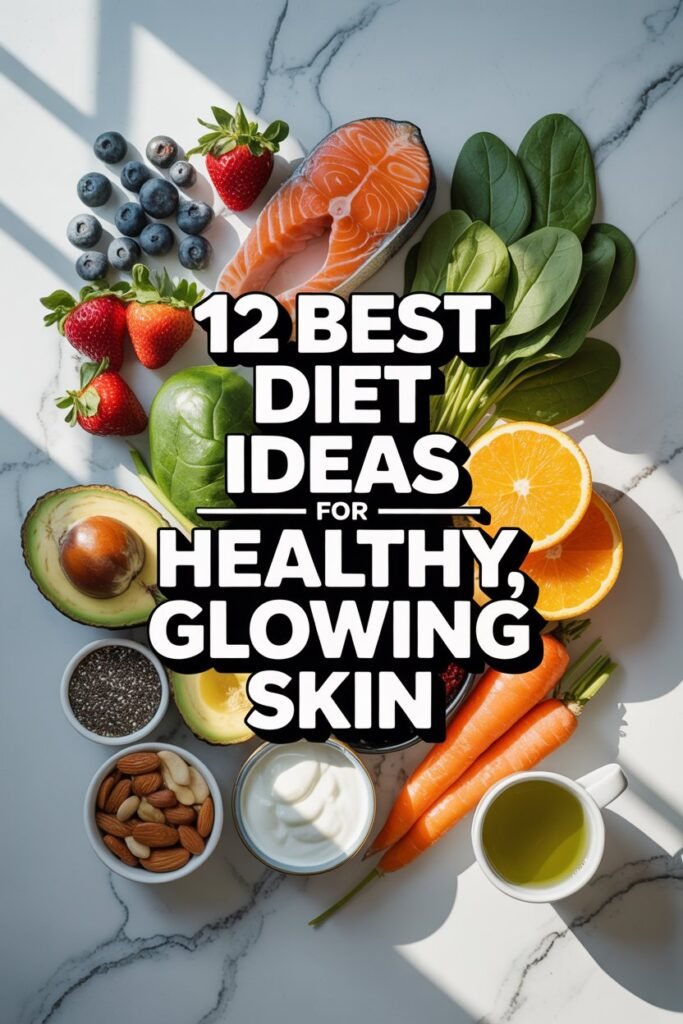
Here Are the 12 Best Diet Ideas for Healthy, Glowing Skin
Here are the 12 best diet ideas you can easily add to your daily routine to support healthier, glowing skin.
These simple food habits focus on giving your body the nutrients it needs from the inside out, helping you build better skin health through balanced and realistic eating choices.
1. Fill Your Plate With Colorful Fruits and Vegetables
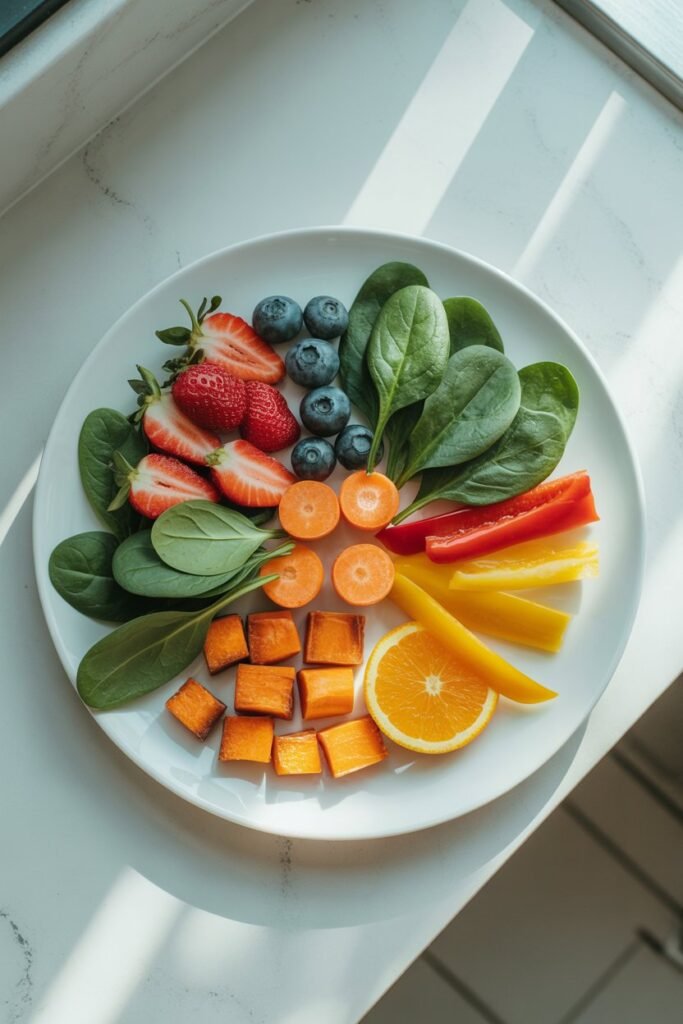
One of the simplest habits that made healthy eating feel easier for me was focusing on color instead of counting every little thing.
I started adding more colorful foods to meals, and it naturally helped me eat a wider variety of nutrients.
Bright fruits and vegetables contain vitamins, antioxidants, and nutrients that help support overall skin health.
Some great choices include:
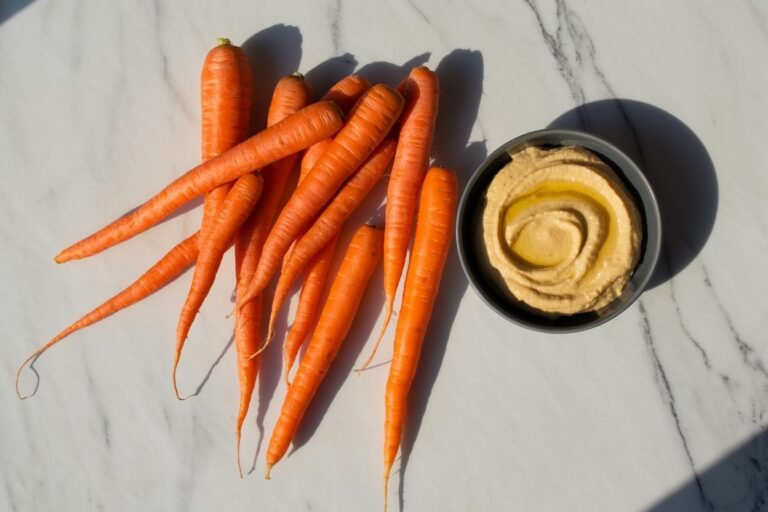
- Carrots
- Bell peppers
- Tomatoes
- Spinach
- Sweet potatoes
- Blueberries
- Strawberries
- Oranges
A quick habit I like is trying to include at least two or three different colors on my plate during meals.
A salad with greens, tomatoes, and orange peppers or a bowl of berries added to breakfast can make meals more balanced without feeling complicated.
Why it may help support skin:
- Provides antioxidants that help protect cells
- Adds vitamins important for skin function
- Increases hydration and fiber intake
2. Include Healthy Fats Instead of Avoiding Them
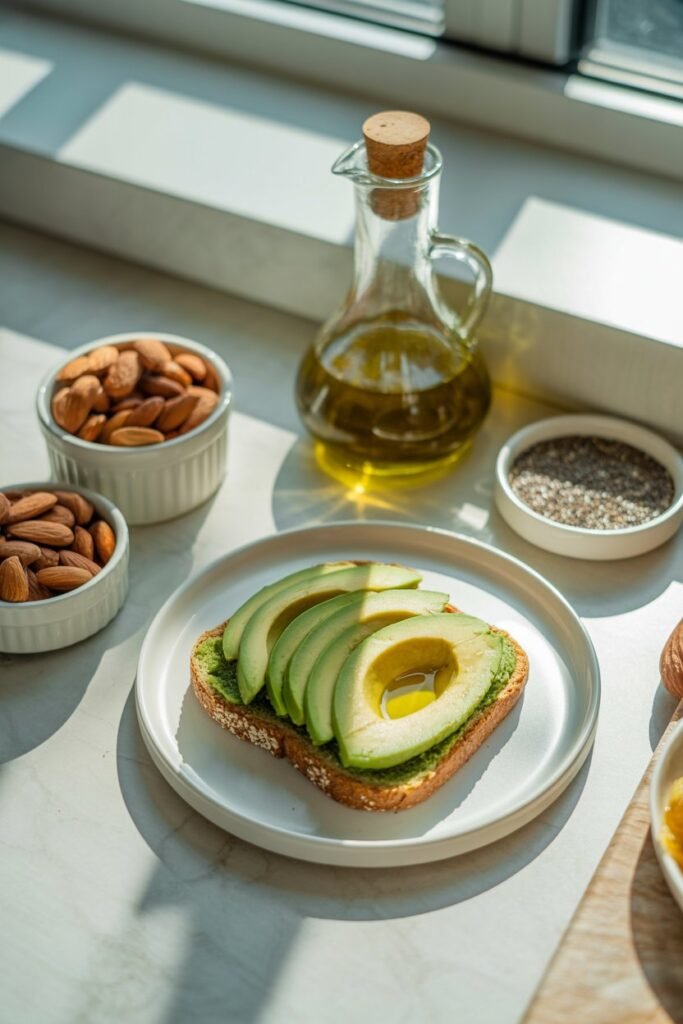
For a long time, I thought eating less fat automatically meant eating healthier.
After learning more about nutrition, I realized that healthy fats play an important role in supporting the body, including the skin.
The goal is not avoiding fats completely, but choosing better sources.
Foods rich in healthy fats include:
- Avocados
- Olive oil
- Nuts
- Seeds
- Fatty fish
Healthy fats may help support the skin barrier and help keep skin from feeling dry.
They can also help meals feel more satisfying, which is a bonus if you are trying to maintain healthier eating habits.
Simple ways to add healthy fats:
- Add avocado slices to toast
- Drizzle olive oil over salads
- Sprinkle nuts or seeds onto yogurt or oatmeal
- Add nut butter to smoothies
Small changes like these are easy to maintain and can fit naturally into everyday meals.
3. Add Omega-3 Rich Foods to Your Weekly Meals
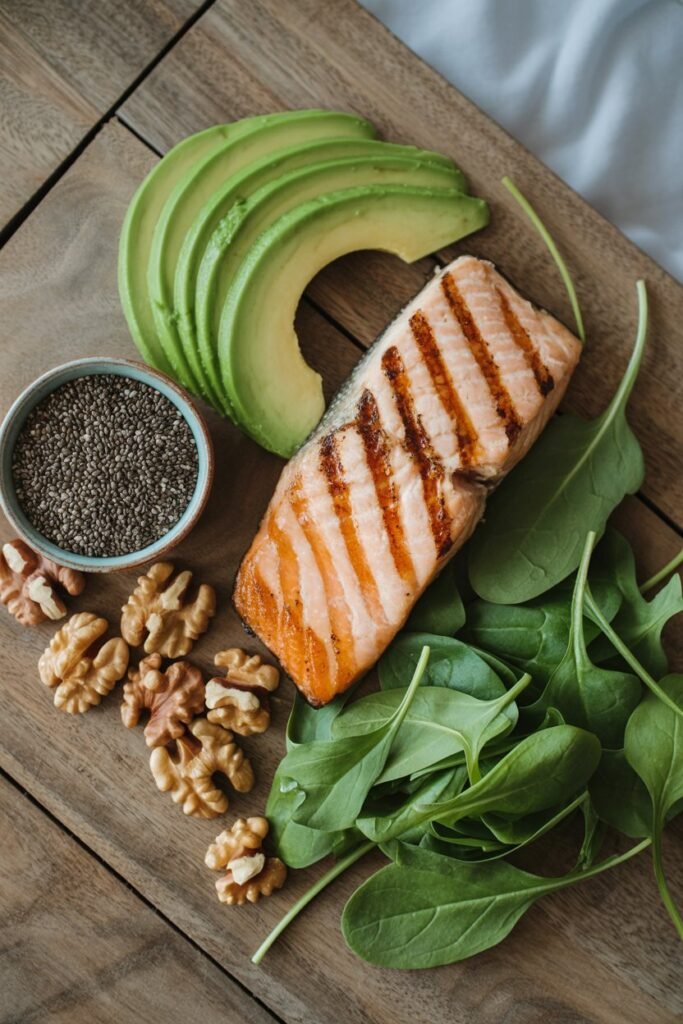
When I started paying closer attention to balanced eating, I realized I was eating plenty of protein and carbs but not many foods rich in healthy fats.
Adding more omega-3 foods felt like a small change, but it also helped me create more nutritious meals overall. Omega-3 fats are important nutrients that support many functions in the body, including skin health.
Foods rich in omega-3s include:
- Salmon
- Sardines
- Tuna
- Mackerel
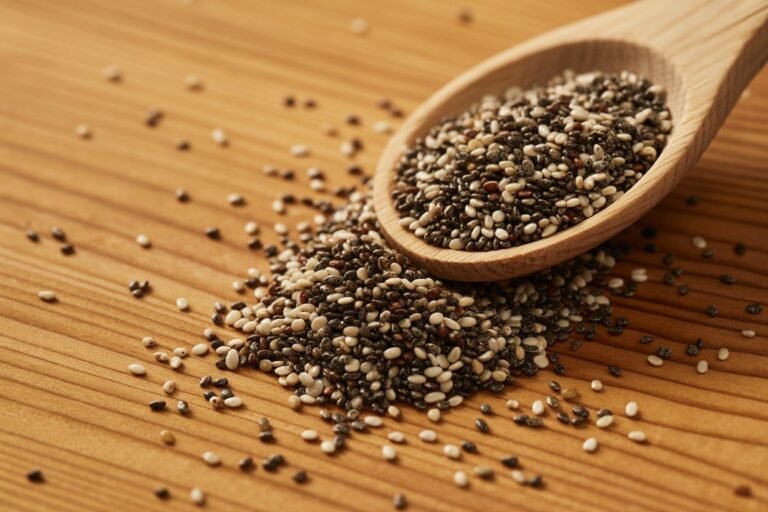
- Chia seeds
- Flaxseeds
- Walnuts
You do not need to eat fish every day. Even adding omega-3 foods a few times throughout the week can help create a more balanced diet.
Easy ideas:
- Add chia seeds to smoothies
- Sprinkle flaxseeds over oatmeal
- Include fish in lunch or dinner meals
- Snack on a small handful of walnuts
Why it may support skin:
- Provides healthy fats
- Supports overall nutrition
- Helps build balanced meals
4. Make Protein Part of Every Meal
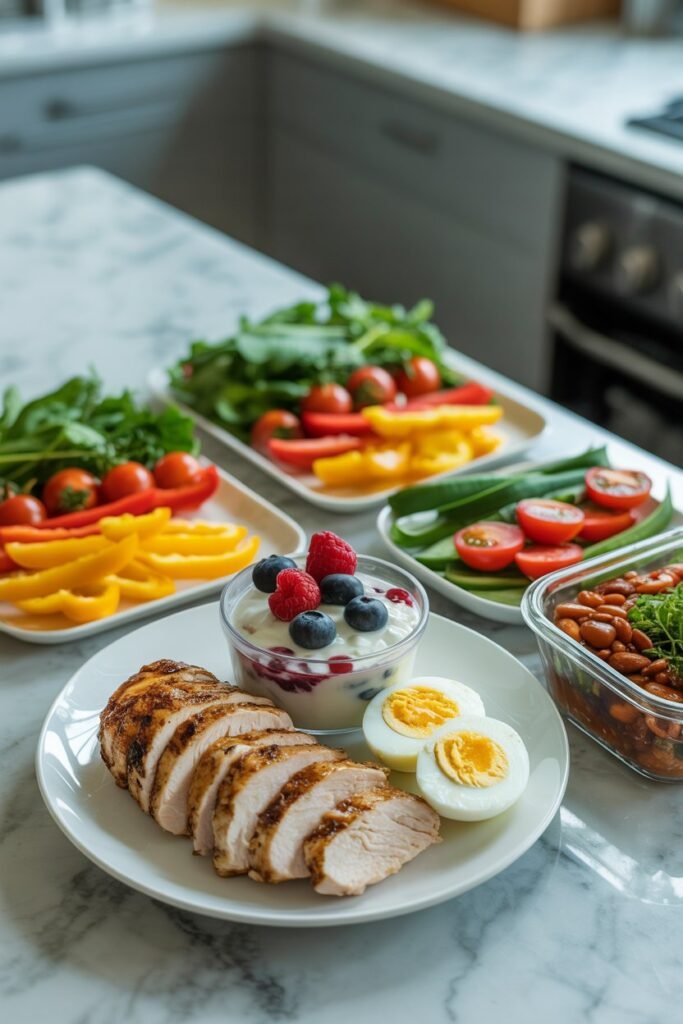
One thing I noticed is that meals with enough protein usually keep me feeling satisfied longer. Protein is important because the body uses it to build and repair tissues, including skin.
Good protein sources include:
- Eggs
- Chicken
- Greek yogurt
- Beans
- Lentils
- Fish
- Lean meats
- Tofu
Adding protein does not have to be difficult. Even simple meals can include it.
Simple ideas:
- Add eggs to breakfast
- Mix Greek yogurt with berries
- Include grilled chicken in salads
- Add beans to rice bowls or soups
Why it may support skin:
- Helps support tissue repair
- Provides important nutrients
- Makes meals more balanced and filling
5. Stay Hydrated Throughout the Day
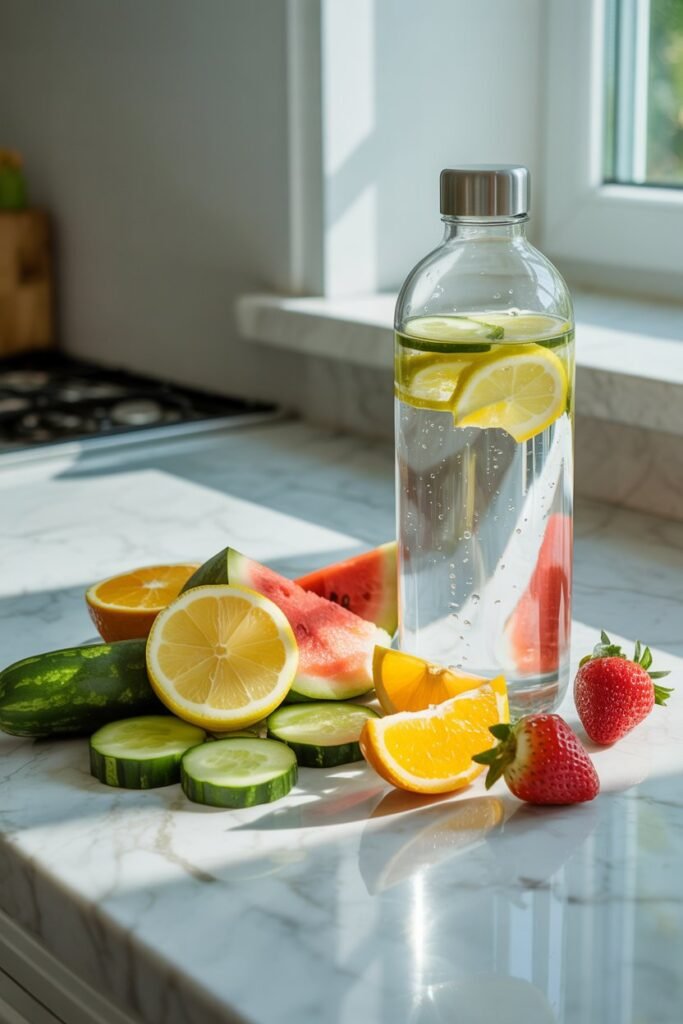
One habit I constantly have to remind myself about is drinking enough water.
Sometimes during busy days, it becomes easy to focus on meals and forget hydration.
While no drink creates instant glowing skin, staying hydrated supports your body and helps maintain overall skin health.
Water is important because your body uses it for many daily functions, and hydration can also affect how refreshed you feel throughout the day.
Simple ways to drink more water:
- Carry a reusable water bottle
- Add lemon, cucumber, or fruit slices for flavor
- Drink herbal tea
- Set reminders if you often forget
- Eat foods with high water content
Foods with high water content include:
- Watermelon
- Cucumbers
- Oranges
- Strawberries
- Lettuce
Why it may support skin:
- Helps maintain hydration
- Supports overall body function
- Pairs well with a healthy eating routine
6. Eat More Antioxidant-Rich Foods
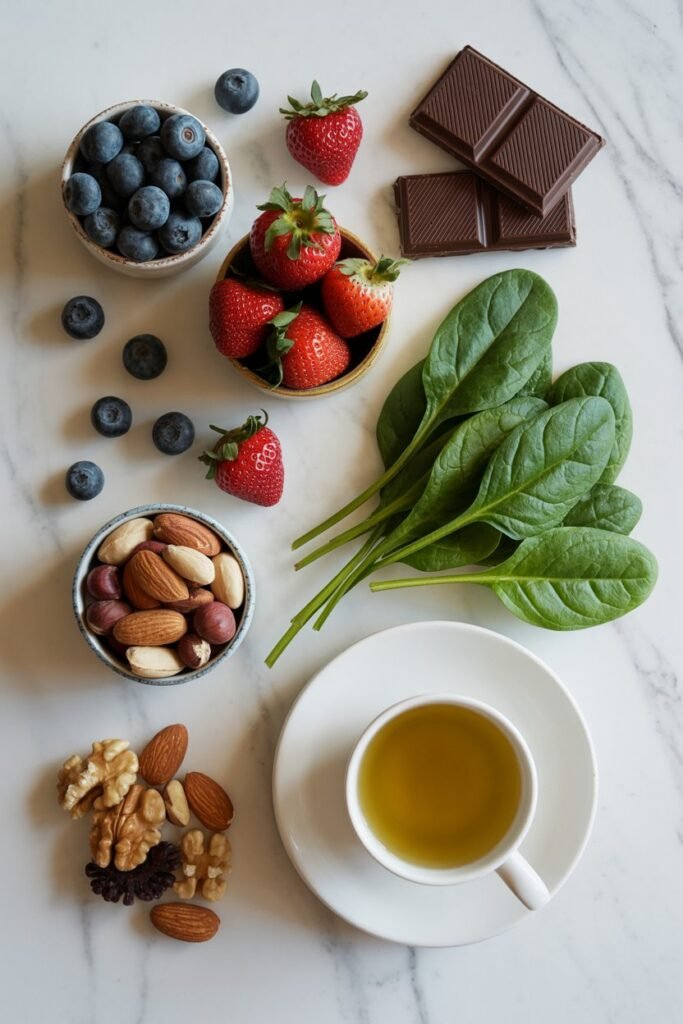
I like thinking of antioxidants as extra support for an already healthy routine.
Instead of searching for one perfect food, I found it easier to simply include more antioxidant-rich foods throughout the week.
Antioxidants are found naturally in many fruits, vegetables, nuts, and plant foods.
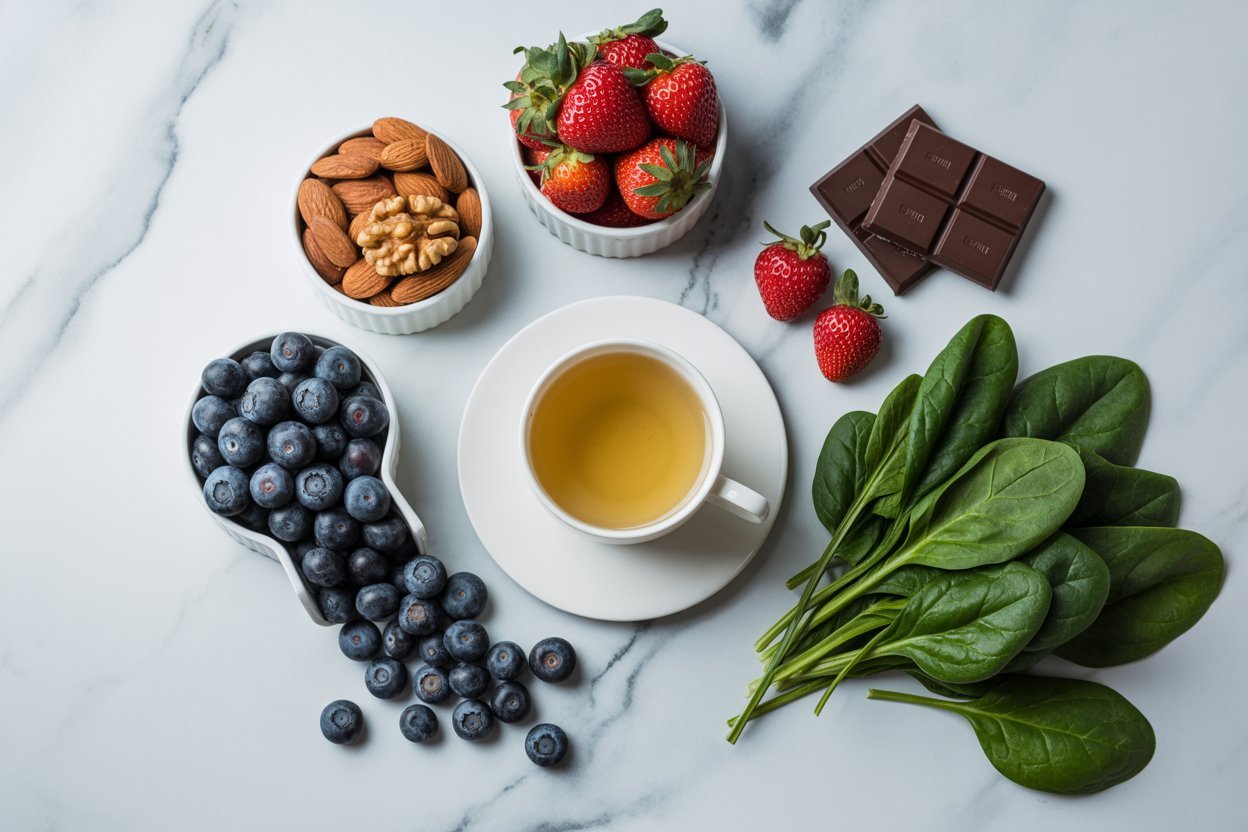
Foods rich in antioxidants include:
- Blueberries
- Strawberries
- Dark leafy greens
- Tomatoes
- Green tea
- Nuts
- Dark chocolate in moderation
Simple ideas to include more antioxidants:
- Add berries to breakfast
- Drink green tea during the day
- Add spinach to smoothies
- Snack on nuts and fruit
Why it may support skin:
- Provides important nutrients
- Supports overall health
- Helps create a more nutrient-rich eating pattern
7. Include More Vitamin C-Rich Foods in Your Daily Diet
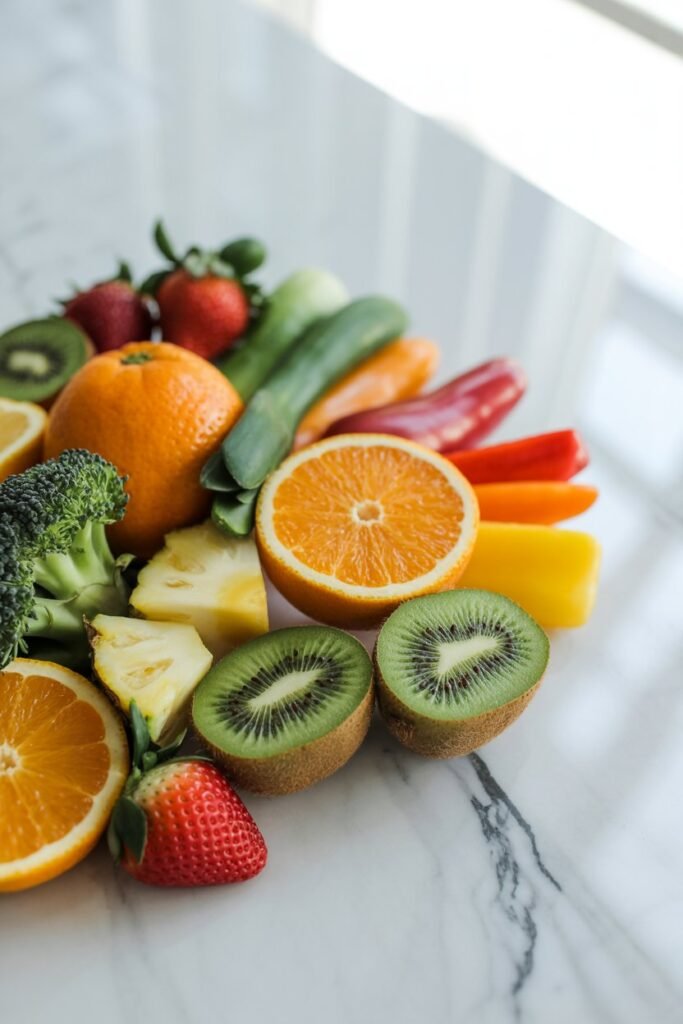
One thing I started noticing when trying to eat healthier was that adding fresh fruits and vegetables automatically improved the variety in my meals.
Vitamin C-rich foods are especially useful because vitamin C plays a role in collagen production and supports overall skin health.
The good part is that you do not need expensive supplements or fancy ingredients. Many everyday foods naturally contain vitamin C.
Foods high in vitamin C include:
- Oranges
- Strawberries
- Kiwi
- Pineapple
- Bell peppers
- Broccoli
- Grapefruit
Simple ways to add more vitamin C foods:
- Add fruit to breakfast
- Blend berries into smoothies
- Include bell peppers in salads
- Snack on fresh fruit during the day
Why it may support skin:
- Helps support collagen production
- Provides antioxidants
- Adds nutrients that support overall health
8. Choose Whole Grains More Often
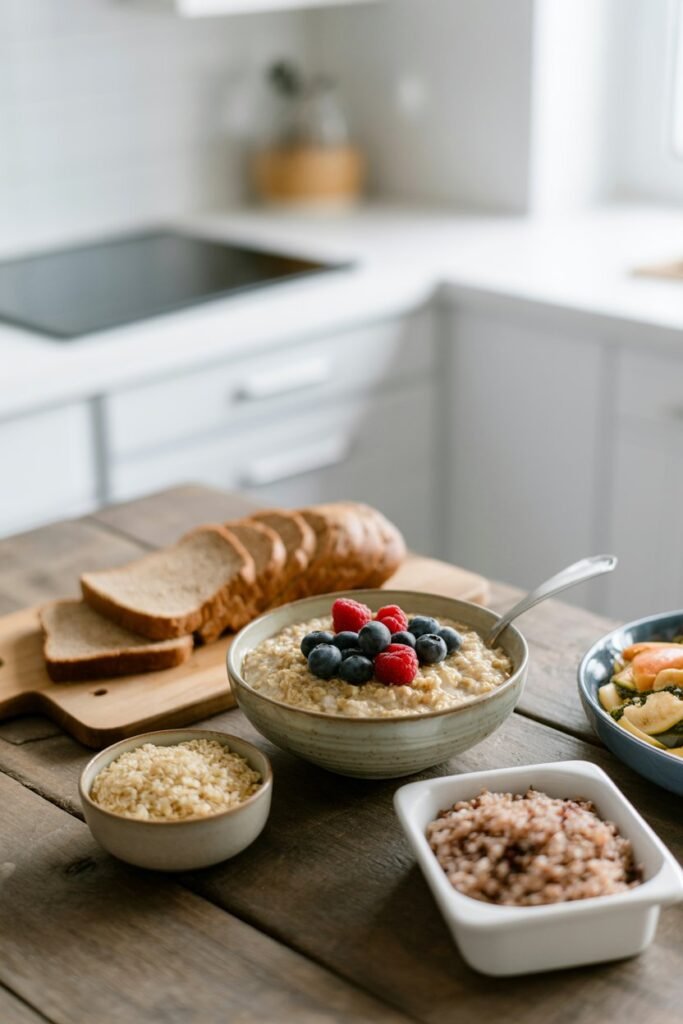
For a while, I focused only on calories and ignored the quality of foods I was eating.
One small change that felt realistic was replacing some heavily processed foods with more whole-grain options.
Whole grains contain fiber and important nutrients that help create balanced meals.
You do not need to change everything at once. Even a few simple swaps can make healthy eating feel easier.
Examples of whole grains:
- Oatmeal
- Brown rice
- Quinoa
- Whole wheat bread
- Whole grain pasta
- Whole grain cereals
Easy swaps to try:
- Choose oatmeal instead of sugary breakfast foods
- Replace white rice with brown rice sometimes
- Pick whole grain bread for sandwiches
- Add quinoa to bowls and salads
Why it may support skin:
- Provides fiber and nutrients
- Helps create more balanced meals
- Supports overall health and nutrition
9. Add Nuts and Seeds to Your Everyday Snacks
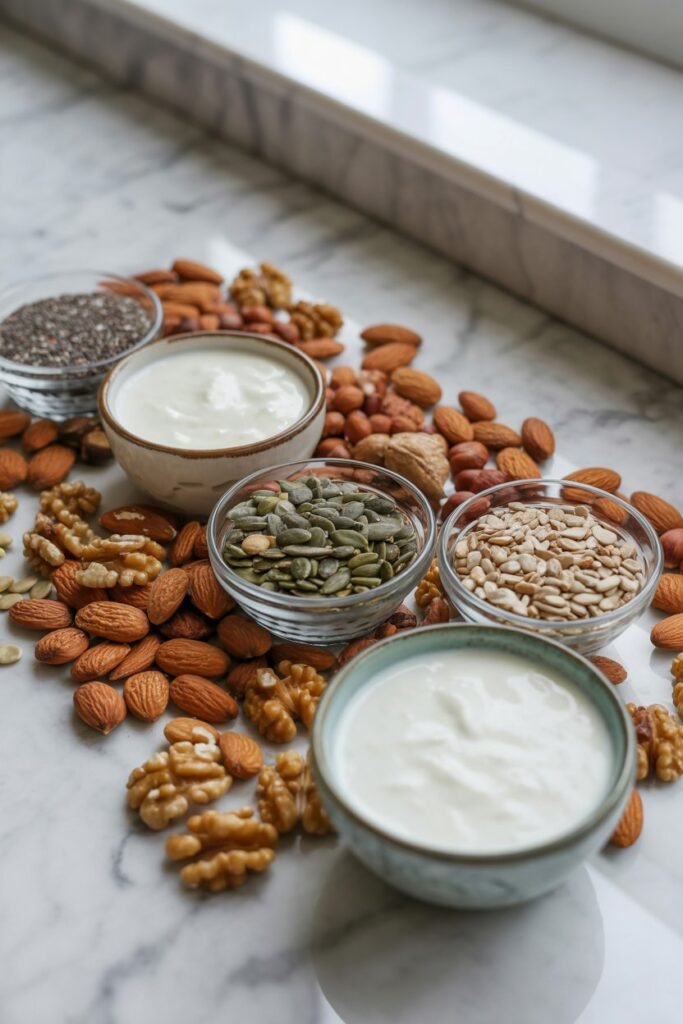
I used to think snacks had to come from a package or be something quick I grabbed without thinking.
After paying more attention to healthier eating habits, I realized that simple foods like nuts and seeds could make snacks feel more filling and nutritious.
They are small, but they contain healthy fats, vitamins, minerals, and other nutrients that support overall health.
Some good options include:
- Almonds
- Walnuts
- Pumpkin seeds
- Sunflower seeds
- Chia seeds
- Flaxseeds
Simple ways to add them to your day:
- Sprinkle chia seeds into smoothies
- Add walnuts to oatmeal
- Mix seeds into yogurt
- Pair nuts with fruit for a quick snack
- Add seeds to salads
Why it may support skin:
- Provides healthy fats
- Contains vitamins and minerals
- Helps create more balanced snacks
10. Cut Back on Highly Processed Foods When Possible
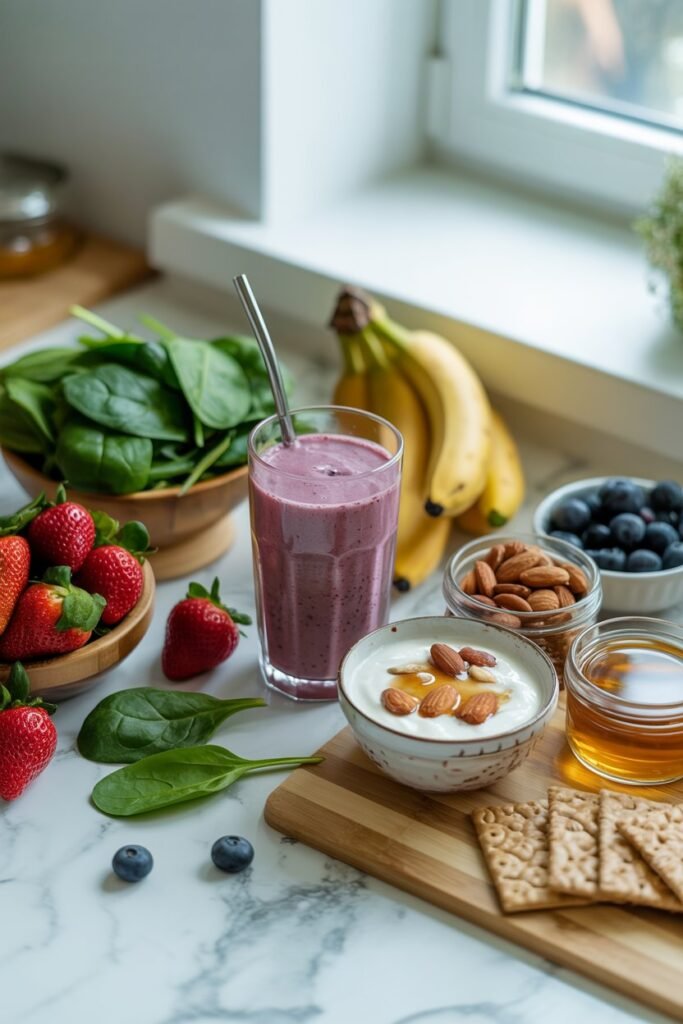
I found that healthy eating felt much easier when I focused less on strict rules and more on simple swaps.
The goal is not to completely avoid favorite foods but to create more balance.
Highly processed foods can sometimes replace meals that provide more nutrients your body needs.
Examples of foods to reduce when possible:
- Sugary drinks
- Excess sweets
- Frequent fast-food meals
- Highly processed snacks
- Foods with very little nutritional value
Better alternatives include:
- Fresh fruit with yogurt
- Homemade smoothies
- Nuts with fruit
- Whole-food meals
- Protein-rich snacks
Why it may support skin:
- Helps improve overall diet quality
- Makes room for more nutrient-rich foods
- Supports healthier long-term eating habits
11. Follow a Balanced Skin-Friendly Eating Pattern Instead of Chasing Quick Fixes
I used to think healthy eating meant searching for one perfect food that would magically change everything.
Over time, I realized that healthy skin usually comes from consistent habits rather than one single ingredient.
Eating one salad today and expecting overnight changes rarely works. Small daily choices often matter more.
A balanced eating pattern simply means including a mix of nutrients throughout the day instead of focusing on one food group.
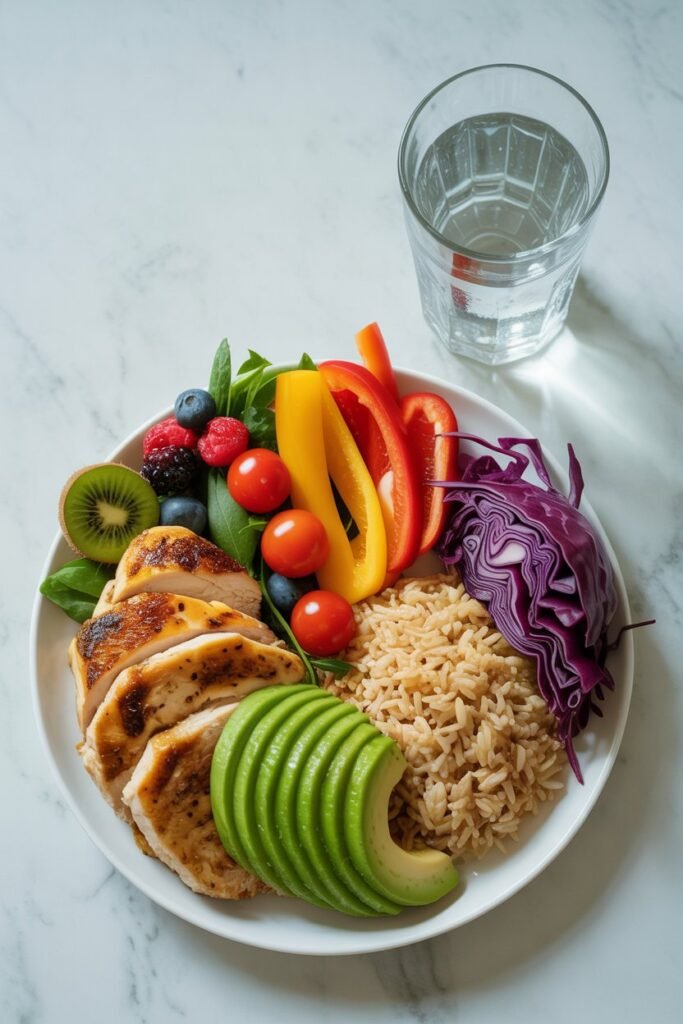
A skin-friendly plate can include:
- Lean protein
- Colorful vegetables
- Healthy fats
- Fruits
- Whole grains
- Plenty of water
Simple meal example:
- Grilled chicken or fish
- Brown rice or quinoa
- Mixed vegetables
- Avocado slices
- Fruit on the side
Why it may support skin:
- Helps create balanced nutrition
- Provides a variety of vitamins and minerals
- Can be easier to maintain long term
12. Eat Foods That Naturally Support Collagen Production
Collagen is a protein naturally found in the body and plays a role in skin structure.
As people get older, natural collagen production gradually changes, which is why many people focus on foods that provide nutrients associated with collagen support.
Instead of relying only on supplements, many everyday foods already contain nutrients connected to collagen production.
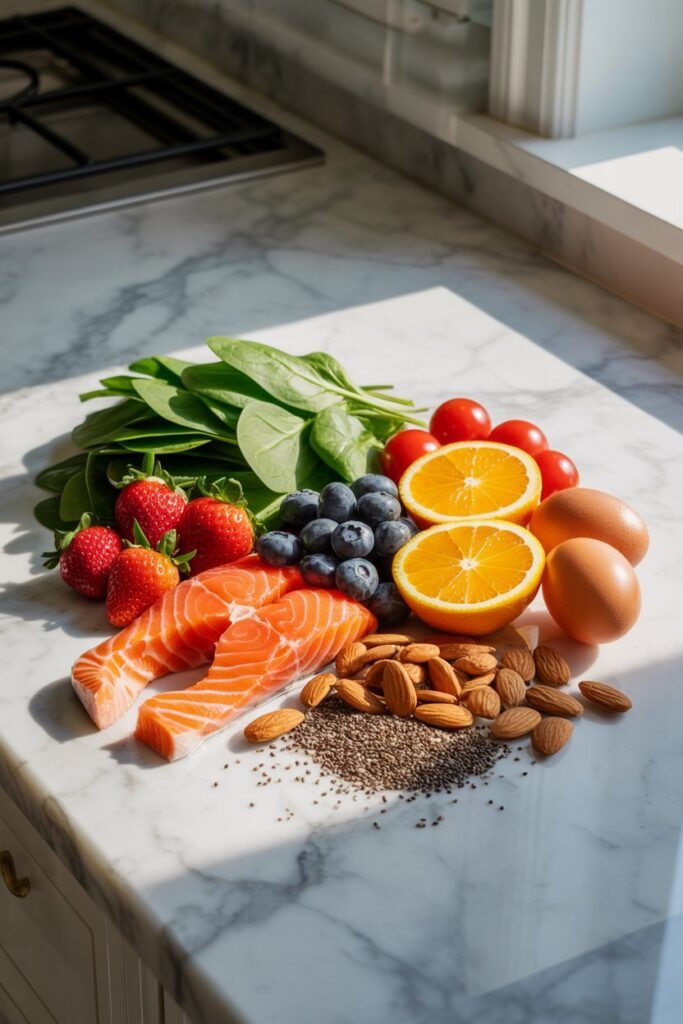
Foods that may support collagen production include:
- Eggs
- Citrus fruits
- Berries
- Fish
- Chicken
- Leafy greens
- Tomatoes
- Nuts and seeds
Simple ideas:
- Add berries to breakfast
- Include eggs in morning meals
- Pair protein with vegetables at lunch and dinner
- Snack on nuts and fruit
Why it may support skin:
- Provides nutrients involved in collagen production
- Supports overall skin health
- Helps build a more nutrient-rich eating routine
Foods That May Support Healthy Skin
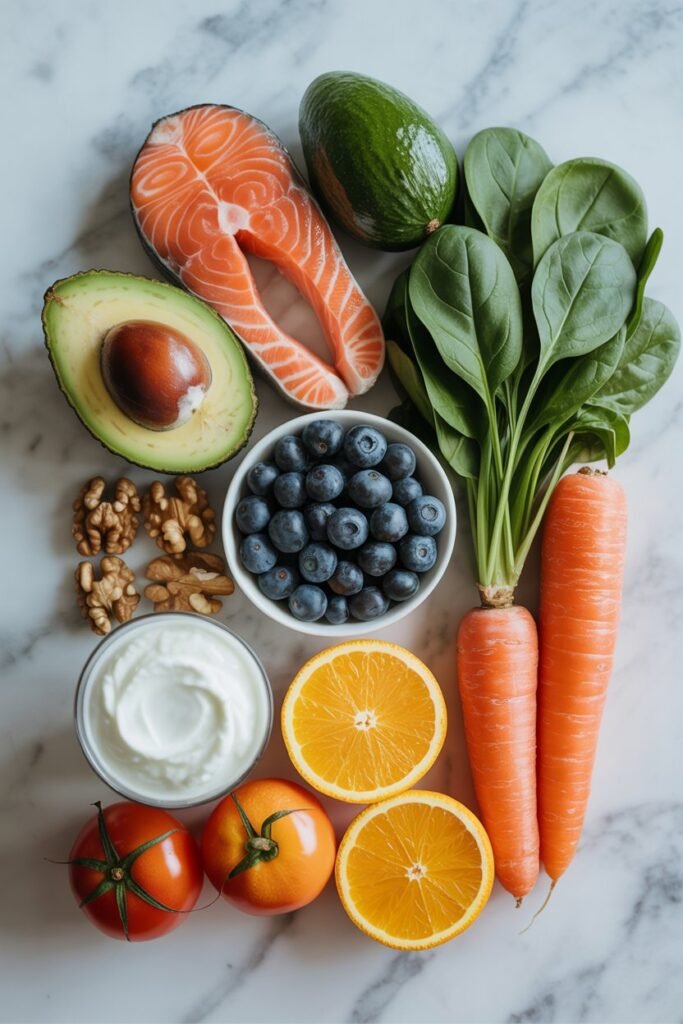
Here are some foods people commonly include in skin-focused diets:
| Food | Potential Skin Support |
|---|---|
| Salmon | Omega-3 fats |
| Avocados | Healthy fats |
| Berries | Antioxidants |
| Sweet potatoes | Vitamin A |
| Tomatoes | Antioxidants |
| Nuts | Healthy fats and vitamin E |
| Eggs | Protein |
| Spinach | Vitamins and minerals |
| Oranges | Vitamin C |
| Yogurt | Protein |
Daily Skin-Friendly Meal Example
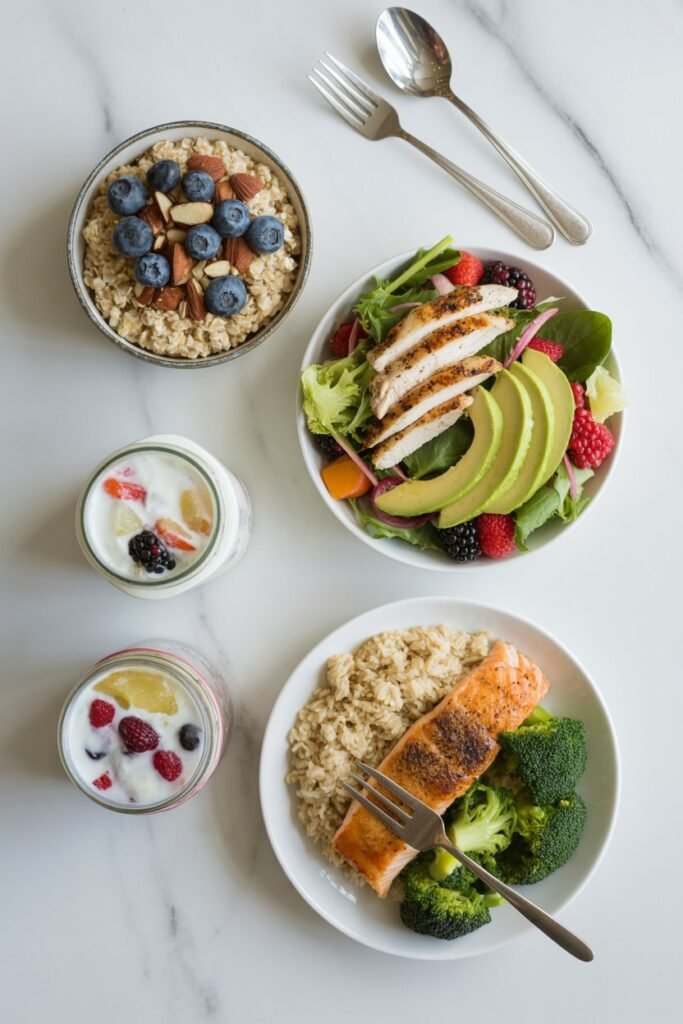
Breakfast:
Oatmeal with berries and nuts
Snack:
Apple with almond butter
Lunch:
Grilled chicken salad with avocado
Snack:
Greek yogurt with fruit
Dinner:
Salmon, brown rice, and vegetables
Hydration:
Water throughout the day
Common Mistakes That Can Affect Skin Health
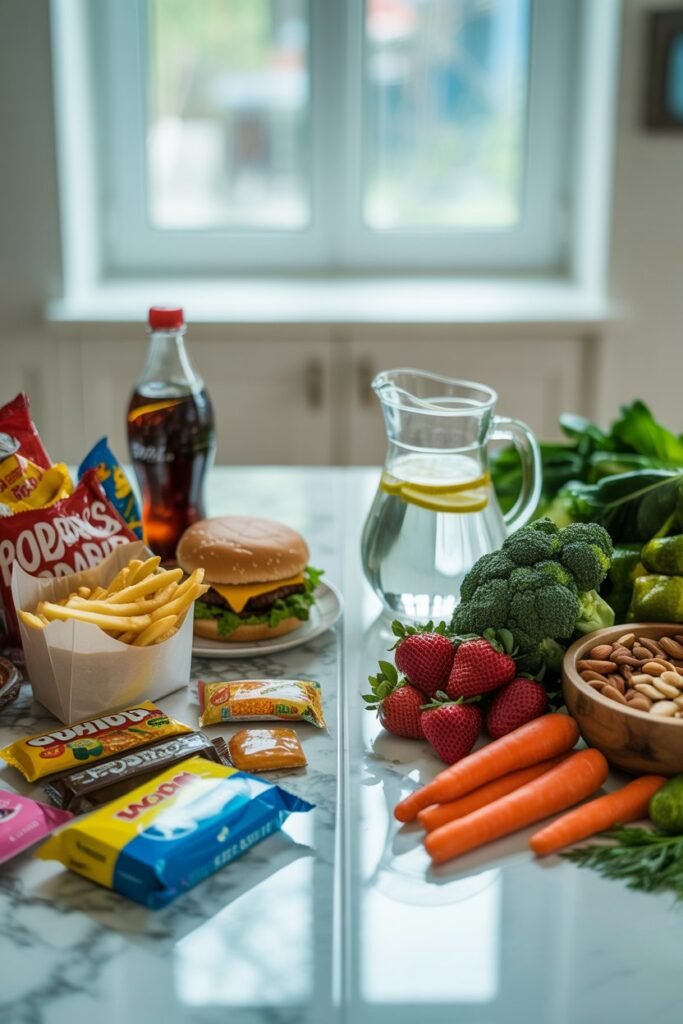
1. Drinking very little water
Hydration matters for overall health.
2. Depending only on skincare products
Healthy habits and skincare often work together.
3. Eating too little protein
Protein supports body maintenance and repair.
4. Following very restrictive diets
Extreme eating patterns can make it harder to get balanced nutrition.
5. Looking for instant results
Changes in eating habits usually take time.
Additional Tips for Healthier Looking Skin
- Aim for consistent sleep
- Wear sunscreen regularly
- Stay physically active
- Manage stress when possible
- Eat balanced meals
- Avoid skipping meals often
- Stay hydrated
Frequently Asked Questions
Can food improve skin?
Diet is one factor that can support overall skin health, but many things can influence skin, including genetics, hormones, sleep, stress, and skincare habits.
How long does it take to notice changes?
Results vary. Skin changes usually happen gradually rather than overnight.
Which fruit is considered good for skin?
Berries, oranges, kiwi, and watermelon are commonly included because they provide nutrients and hydration.
Is drinking more water enough?
Water is important, but healthy skin generally benefits from a combination of hydration, balanced nutrition, sleep, and overall habits.
Do I need expensive superfoods?
No. Many affordable foods like eggs, oats, beans, fruits, and vegetables can fit into a skin-friendly eating pattern
Final Thoughts
Healthy skin usually starts with consistent habits rather than extreme diets.
I have found that focusing on balanced meals, drinking enough water, and eating more nutrient-rich foods feels more realistic than chasing quick fixes.
Small choices repeated daily often matter more than trying to change everything at once.