
For the longest time, I believed skincare was all about what you put on your skin cleansers, serums, moisturizers, and sunscreen. I tried everything. Some products worked temporarily, others didn’t, but the results never truly lasted.
It wasn’t until I started paying attention to what I was putting into my body that things began to shift in a real, noticeable way.
My skin didn’t just look better it behaved differently. It became more balanced, less reactive, and honestly, much easier to manage. That’s when I realized something important: healthy skin starts from within.
In this post, I’m going to walk you through the 7 supplements that made the biggest difference for me. Not just what they do on the surface but how they actually work inside your body, what happens if you stop taking them, and the potential side effects you need to be aware of.
1. Vitamin C – The Collagen Booster
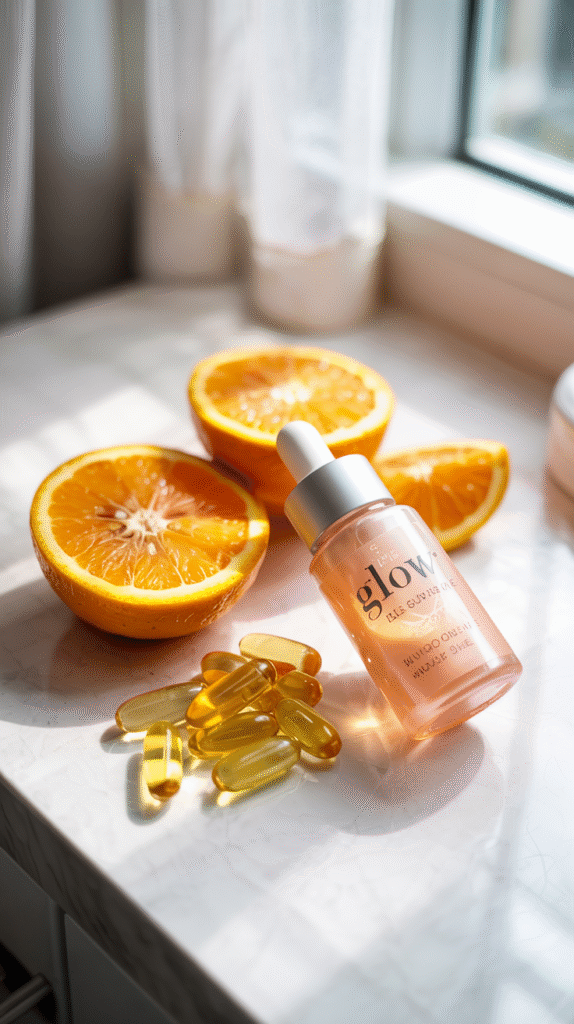
Vitamin C was the first supplement I added consistently, and it made a noticeable difference in my skin’s brightness within weeks.
What It Does in the Body
Vitamin C plays a key role in collagen synthesis. Collagen is the structural protein that keeps your skin firm, elastic, and youthful. Without enough vitamin C, your body simply cannot produce collagen efficiently.
It also:
- Neutralizes free radicals caused by sun exposure and pollution
- Helps repair damaged skin cells
- Improves iron absorption, which indirectly supports skin health
What Happened When I Took It
After about 4–6 weeks:
- My skin looked brighter and more even
- Dark spots started fading gradually
- My skin felt firmer and less dull
What Happens When You Stop
When I stopped taking it for a while:
- My skin lost some of its glow
- Hyperpigmentation became more noticeable again
- Overall tone looked uneven
Side Effects to Watch
Some people experience mild cramps
High doses can cause stomach upset
May lead to diarrhea if overused
2. Vitamin E – The Skin Protector
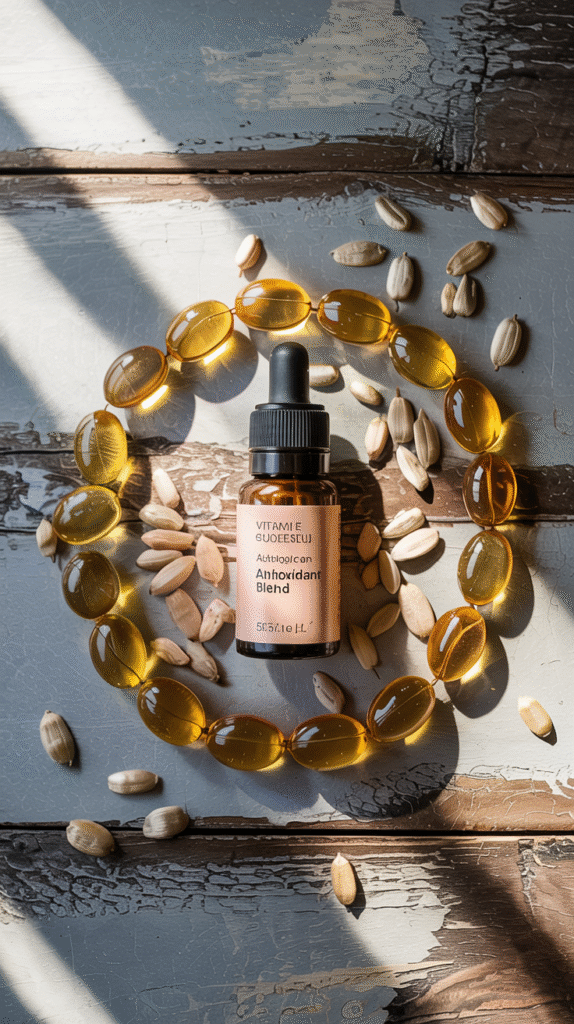
Vitamin E felt more subtle at first, but over time I realized how much it helped with hydration and overall skin resilience.
What It Does in the Body
Vitamin E is a fat-soluble antioxidant that protects your skin cells from oxidative stress. It works closely with vitamin C to repair and defend your skin.
It also:
- Strengthens the skin barrier
- Prevents moisture loss
- Helps reduce inflammation
My Experience
After consistent use:
- My skin felt softer and more hydrated
- Irritation and redness reduced significantly
- My skin became less sensitive to harsh weather
What Happens When You Stop
- Skin may become drier over time
- Increased sensitivity
- Slower healing of minor skin damage
Side Effects
Not ideal in very large doses without medical advice
High doses may interfere with blood clotting
Can cause nausea or fatigue in excess
3. Vitamin A (Retinol) – The Skin Transformer
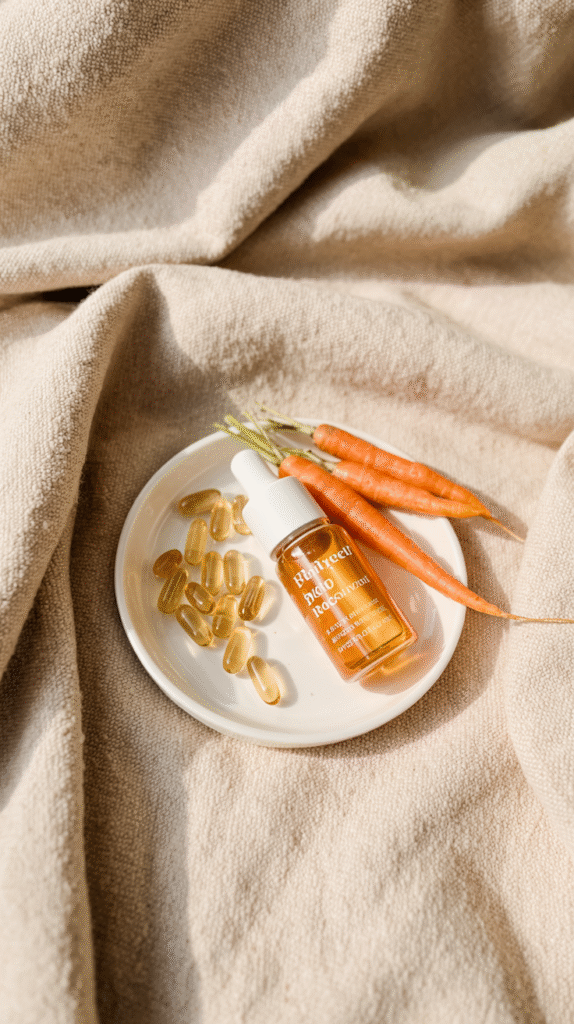
This one is powerful and I learned quickly that it needs to be used carefully.
What It Does in the Body
Vitamin A regulates skin cell production. It helps your body shed old skin cells and replace them with new ones faster.
It also:
- Reduces oil production
- Prevents clogged pores
- Supports immune function in the skin
My Personal Results
- Fewer breakouts after about a month
- Smoother skin texture
- Fine lines became less noticeable
What Happens When You Stop
- Cell turnover slows down again
- Acne may return
- Skin texture may become rougher
Side Effects (Important)
High doses can be toxic (very important to monitor intake)
Dryness and peeling (especially early on)
Increased sun sensitivity
4. Vitamin D – The Sunshine Nutrient
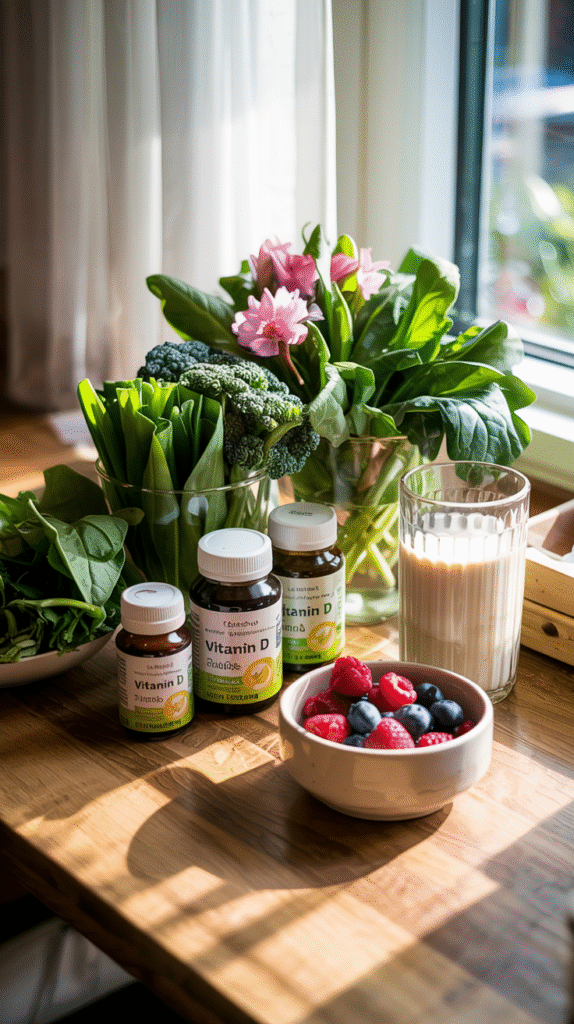
This one surprised me the most because I didn’t realize how deficient I was until I started supplementing.
What It Does in the Body
Vitamin D functions like a hormone and plays a major role in immune regulation.
For skin, it:
- Reduces inflammation
- Supports healing
- Helps manage conditions like acne and eczema
What I Noticed
- Fewer inflammatory breakouts
- Skin healed faster after irritation
- Overall skin felt calmer
What Happens When You Stop
- Inflammation can increase again
- Skin may become more reactive
- Healing slows down
Side Effects
Always stick to recommended doses
Too much can lead to calcium buildup
Symptoms: nausea, weakness, kidney issues in extreme cases
5. Vitamin B3 (Niacinamide) – The Tone Balancer
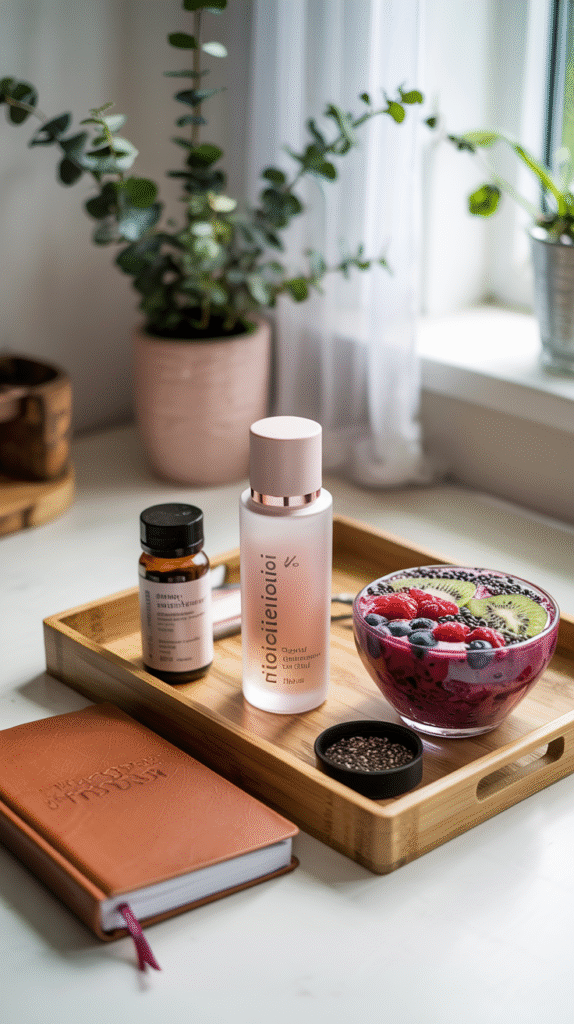
This one worked quietly in the background but made a huge difference over time.
What It Does in the Body
Vitamin B3 improves skin barrier function and supports cellular energy production.
It:
- Regulates oil production
- Improves skin elasticity
- Reduces redness and blotchiness
My Experience
- My pores appeared smaller
- Skin tone became more even
- Less redness overall
What Happens When You Stop
- Oil production may become unbalanced again
- Redness may return
- Skin may look less refined
Side Effects
Rare mild digestive discomfort
Generally very safe
High doses may cause flushing
6. Vitamin B7 (Biotin) – The Beauty Vitamin
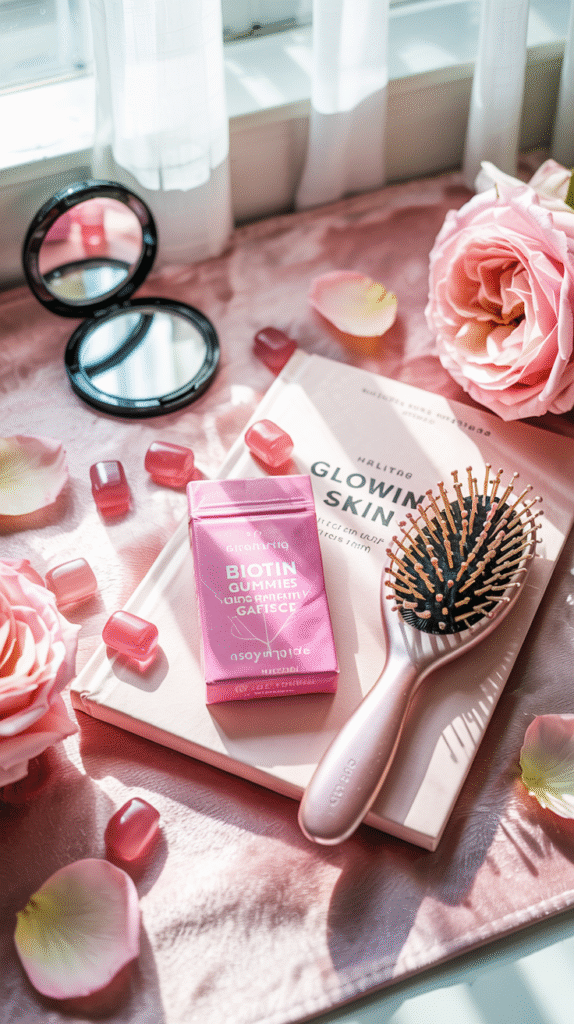
Biotin is often marketed heavily, but I found it works best when you actually need it.
What It Does in the Body
Biotin helps convert nutrients into energy and supports keratin production (important for skin, hair, and nails).
What I Experienced
- Stronger nails
- Slight improvement in skin smoothness
- Hair growth improved more noticeably than skin
What Happens When You Stop
- Benefits fade gradually
- Nails may become brittle again
- Skin hydration may drop slightly
Side Effects
Best taken in moderate doses
Can trigger breakouts in some people
May interfere with lab test results
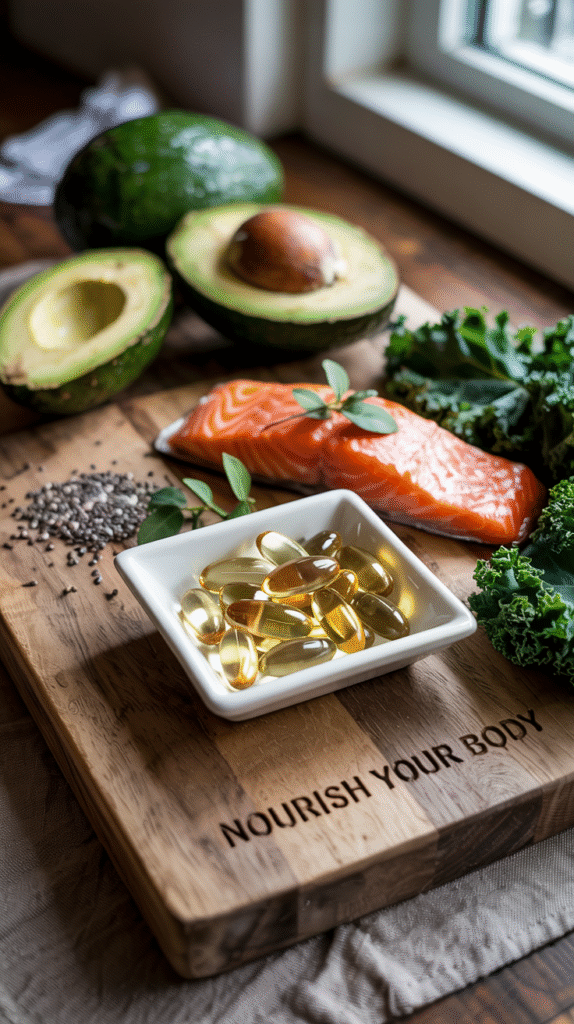
7. Omega-3 Fatty Acids (Technically Not a Vitamin, But Vital!)
Biotin is often marketed heavily, but I found it works best when you actually need it.
What It Does in the Body
Biotin helps convert nutrients into energy and supports keratin production (important for skin, hair, and nails).
What I Experienced
- Stronger nails
- Slight improvement in skin smoothness
- Hair growth improved more noticeably than skin
What Happens When You Stop
- Benefits fade gradually
- Nails may become brittle again
- Skin hydration may drop slightly
Side Effects
Best taken in moderate doses
Can trigger breakouts in some people
May interfere with lab test results
How to Choose a Quality Skin Supplement
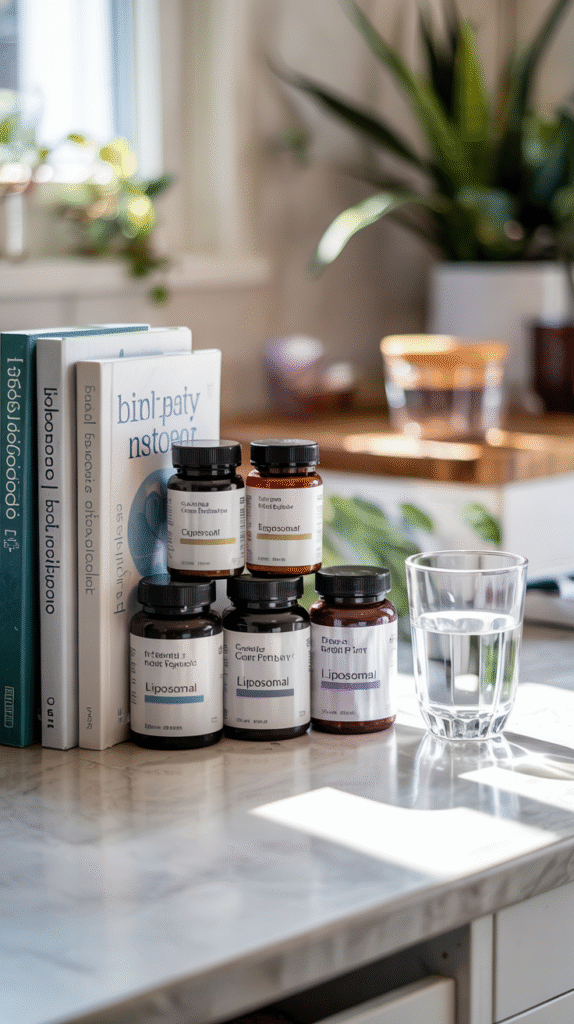
After a lot of trial and error, here’s what actually matters:
- Avoid unnecessary fillers and sugars
- Third-party testing is non-negotiable
- Simple ingredient lists work best
- Bioavailable forms absorb better
Tips for Taking Skin Supplements Effectively
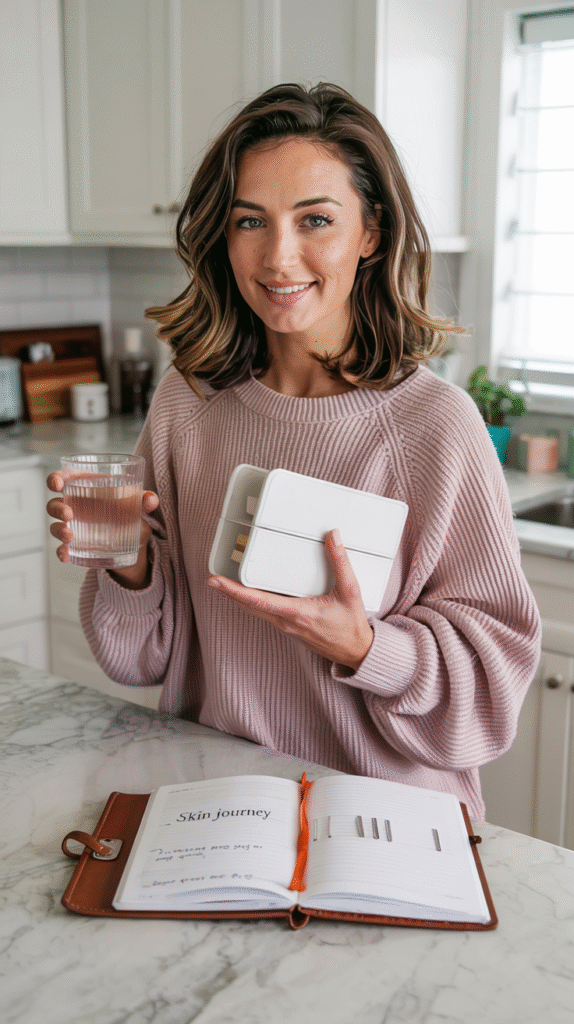
Consistency changed everything.
- I took supplements daily, not occasionally
- I paired them with good hydration
- I focused on a balanced diet instead of relying only on pills
- I tracked changes monthly instead of expecting overnight results
Frequently Asked Questions (FAQs)
Q1: How long does it take for skin supplements to show results?
✔ Most people notice improvements in 4–8 weeks with consistent use.
Q2: Can I take all these vitamins together?
✔ Yes, but consult a healthcare provider for personalized advice and dosages.
Q3: Are natural food sources better than supplements?
✔ Whole foods are ideal, but supplements help fill nutritional gaps.
Q4: Can vitamins help with acne?
✔ Vitamins like A, D, and B3 are especially helpful in managing acne and inflammation.
Q5: What time of day should I take skin vitamins?
✔ Take fat-soluble vitamins (A, D, E) with meals; water-soluble ones like C and B-complex can be taken any time.
Final Thoughts
If there’s one thing I’ve learned, it’s this: no supplement is a magic fix on its own.
But when used correctly and consistently they can completely change how your skin looks and feels over time.
The real transformation happens when you combine internal support with external care. That’s when your skin stops being something you constantly fight… and starts becoming something you understand.
If you want, I can also help you turn this into a SEO-optimized blog post, add product recommendations, or tailor it for your audience (like beginners, acne-focused, or luxury skincare readers).