
For the longest time, I struggled to find a skincare routine that actually worked for me. Between harsh cleansers that left my skin dry and expensive products that didn’t live up to the hype, I started looking for something simpler and more natural.
That’s when I discovered coconut oil. At first, I was skeptical putting oil on my face felt counterintuitive.
But after trying it consistently, I learned a lot about how it works, who it’s best for, and when it can actually cause problems. If you’re considering using coconut oil on your face, here’s everything you need to know.
My First Experience Using Coconut Oil on My Face

I still remember the first night I tried washing my face with coconut oil. I had a full face of makeup on, and instead of reaching for my usual cleanser, I warmed a small amount of coconut oil between my palms and gently massaged it into my skin.
Almost instantly, I noticed how easily it melted everything foundation, mascara, even stubborn sunscreen. It felt nourishing and luxurious, nothing like the stripping cleansers I had used before.
But over time, I also noticed something important: while my skin felt softer, I started getting small breakouts around my T-zone. That’s when I realized coconut oil isn’t a one-size-fits-all solution.
What Makes Coconut Oil So Popular in Skincare?
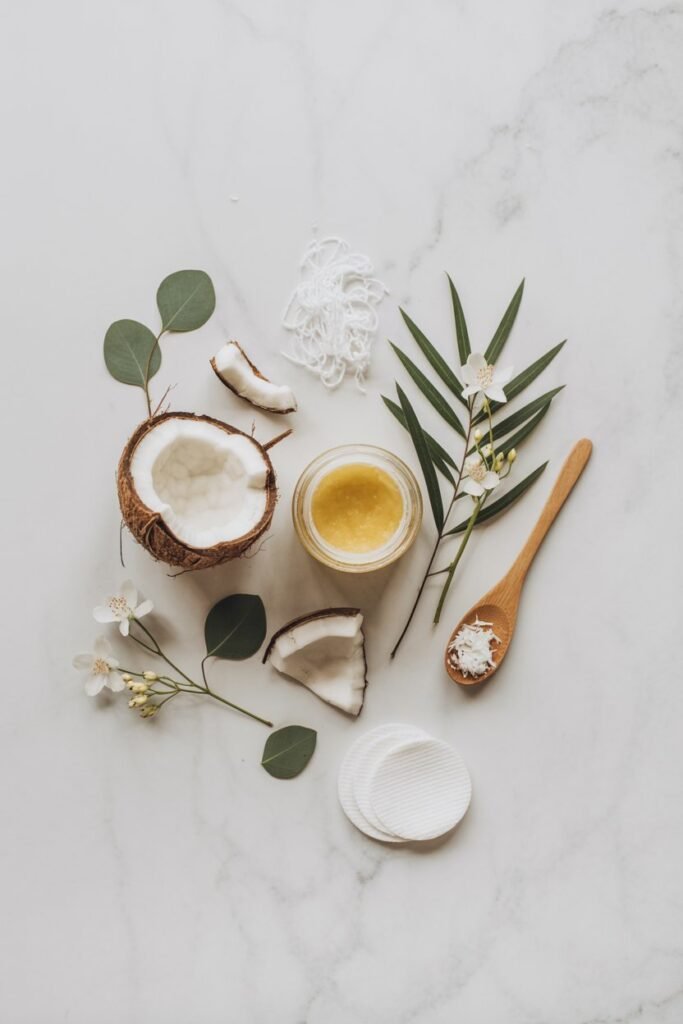
Coconut oil isn’t just a trend it has real properties that make it appealing:
- It’s natural and widely available
- It contains fatty acids that support the skin barrier
- It’s affordable compared to many skincare products
- It doubles as a moisturizer and cleanser
The main components that make coconut oil beneficial include:
- Lauric acid – known for antibacterial properties
- Caprylic acid – helps soothe inflammation
- Capric acid – supports skin hydration
These compounds are why many people, including myself initially, see immediate positive effects.
1. Benefits of Washing Your Face with Coconut Oil

1. It Removes Makeup Effortlessly
One of the biggest advantages I noticed right away was how effective coconut oil is at removing makeup.
Unlike micellar water or wipes, it breaks down:
- Waterproof mascara
- Long-wear foundation
- Sunscreen
- Dirt and excess oil
I didn’t have to rub my skin harshly, which made a huge difference, especially around my eyes.
2. Deep Hydration for Dry Skin
If you have dry skin, coconut oil can feel like a miracle.
There were days when my skin felt tight and flaky, and using coconut oil instantly made it feel:
- Softer
- Smoother
- More elastic
It creates a protective barrier that locks in moisture, which is especially helpful in dry or cold environments.
3. Soothing and Calming Effect
Whenever my skin felt irritated or inflamed, coconut oil helped calm it down.
I noticed reduced:
- Redness
- Dry patches
- Mild irritation
This is likely due to its anti-inflammatory properties.
4. Natural Antibacterial Properties
Coconut oil contains lauric acid, which can help fight certain bacteria.
While it’s not a replacement for acne treatments, it can support overall skin health when used correctly.
5. Simplicity in Skincare
One thing I appreciated most was how simple it made my routine.
Instead of using multiple products, I could:
- Remove makeup
- Cleanse
- Moisturize
All with one ingredient.
2. Side Effects & Risks of Using Coconut Oil on Your Face

While coconut oil has benefits, I quickly learned it also has serious drawbacks especially depending on your skin type.
1. It Can Clog Pores
This was the biggest issue for me.
Coconut oil is highly comedogenic, meaning it can block pores. After about a week of daily use, I started noticing:
- Small bumps
- Blackheads
- Occasional pimples
If you already struggle with acne, this is something to take very seriously.
2. It Leaves a Heavy Residue
Coconut oil doesn’t rinse off easily with water.
At first, I didn’t double cleanse, and my skin felt:
- Greasy
- Coated
- Slightly suffocated
Once I started using a second cleanser, this improved significantly.
3. Not Suitable for All Skin Types
This is where most people go wrong.
Coconut oil works best for:
- Dry skin
- Normal skin
But it’s not ideal for:
Combination skin (especially oily T-zone)
Oily skin
Acne-prone skin
3. Best Skin Types for Coconut Oil
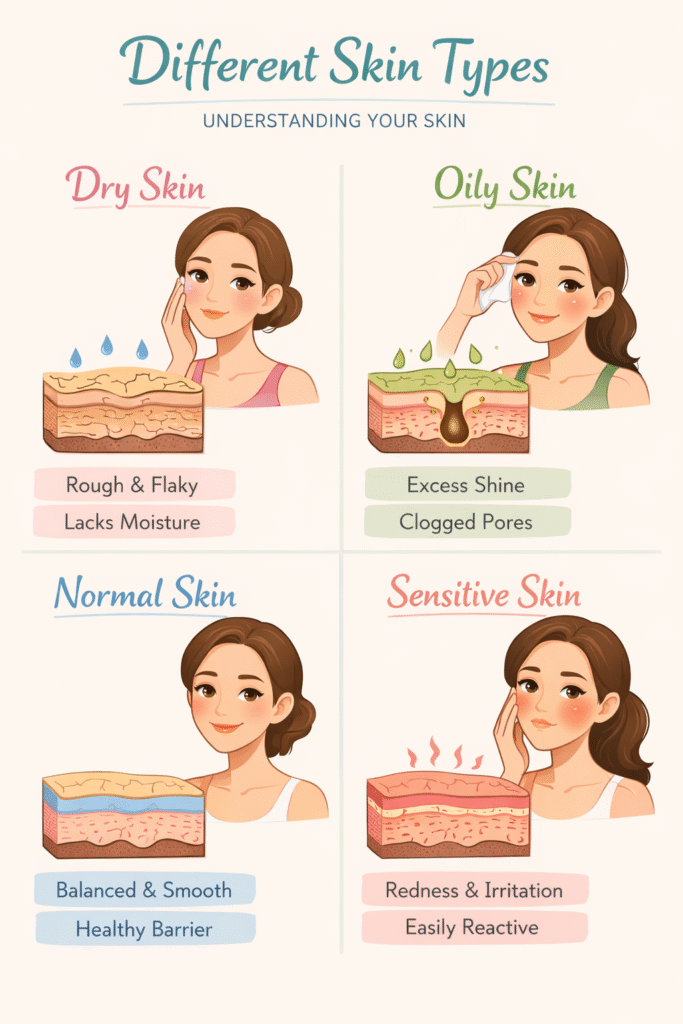
Before you even try coconut oil, you need to know your skin.
Dry Skin
If your skin feels tight, flaky, or rough, coconut oil can be very beneficial.
In my experience, it provided instant relief and long-lasting hydration.
Normal Skin
If your skin is balanced not too oily or dry you may be able to use coconut oil occasionally without issues.
Sensitive Skin
Coconut oil is generally gentle, but I always recommend doing a patch test first.
Even natural ingredients can cause reactions.
Oily or Acne-Prone Skin
This is where you need to be cautious.
From my experience, coconut oil made breakouts worse over time. If you’re prone to acne, it’s better to avoid it or use it very sparingly.
4. How to Wash Your Face with Coconut Oil (Step-by-Step)
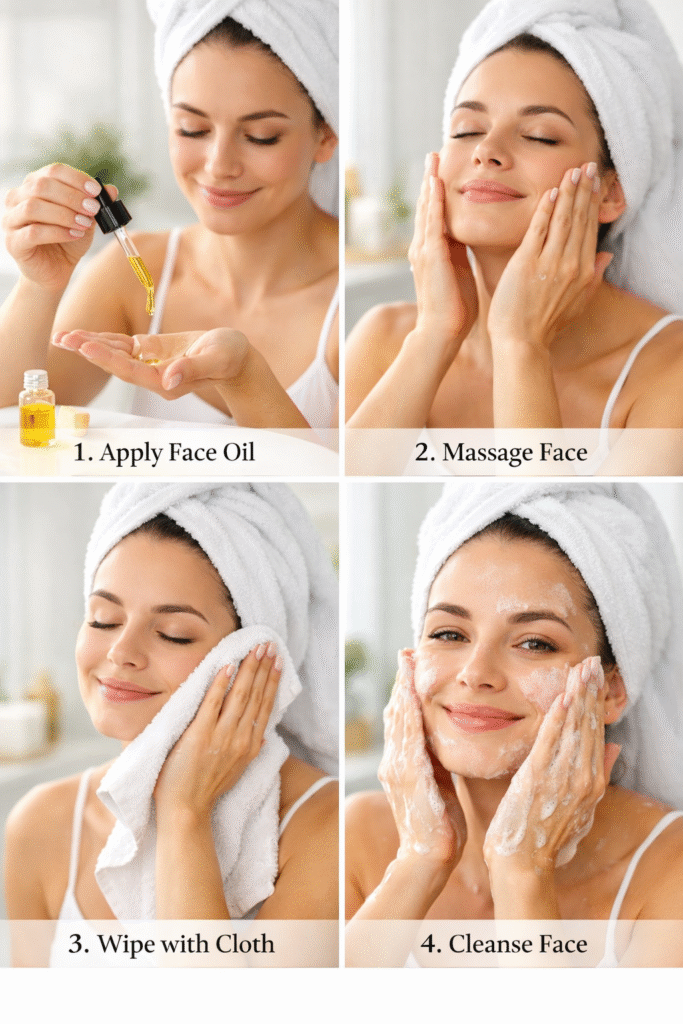
If you’re going to try it, technique matters a lot.
Step-by-Step Routine I Recommend:
- Take about 1 teaspoon of virgin coconut oil
- Warm it between your palms
- Gently massage onto dry skin for 1–2 minutes
- Focus on areas with makeup or buildup
- Use a warm, damp cloth to wipe it off
- Follow with a gentle water-based cleanser (this step is crucial)
- Pat your face dry
- Apply toner, serum, and moisturizer
Skipping the second cleanse is where many people run into problems.
5. Best Coconut Oils for Face Washing
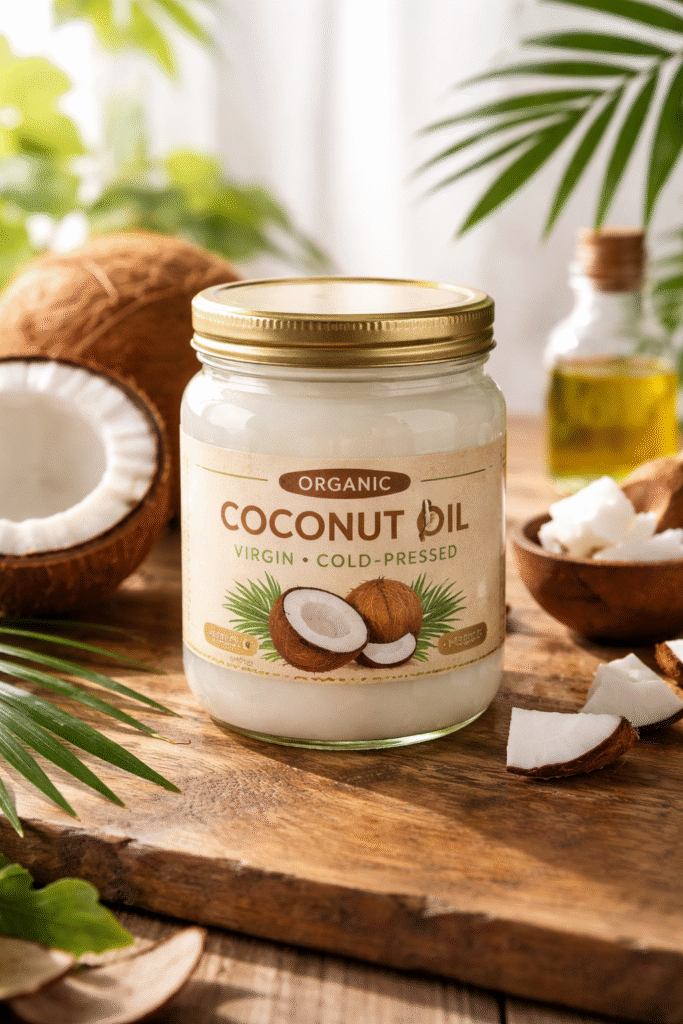
Not all coconut oils are equal.
From trial and error, I learned to always choose:
- Cold-pressed
- Virgin or extra virgin
- Organic (if possible)
Avoid refined coconut oil, as it may lose beneficial properties.
6. Alternatives to Coconut Oil for Acne-Prone Skin
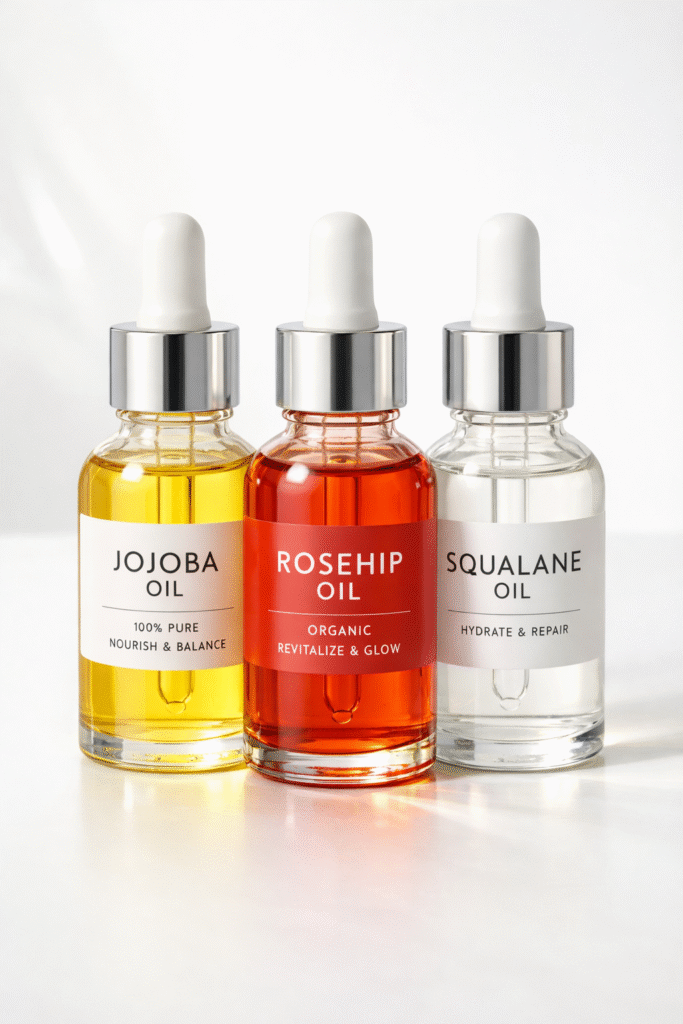
After realizing coconut oil wasn’t perfect for my skin, I experimented with other oils.
Here are the ones that worked better:
Jojoba Oil
This became my favorite.
- Lightweight
- Non-comedogenic
- Mimics natural skin oils
Rosehip Oil
Great for improving skin texture and tone.
- Rich in vitamins
- Helps with inflammation
Squalane
Perfect for sensitive or acne-prone skin.
- Very lightweight
- Doesn’t clog pores
- Absorbs quickly
7. DIY Coconut Oil Face Cleanser Recipes
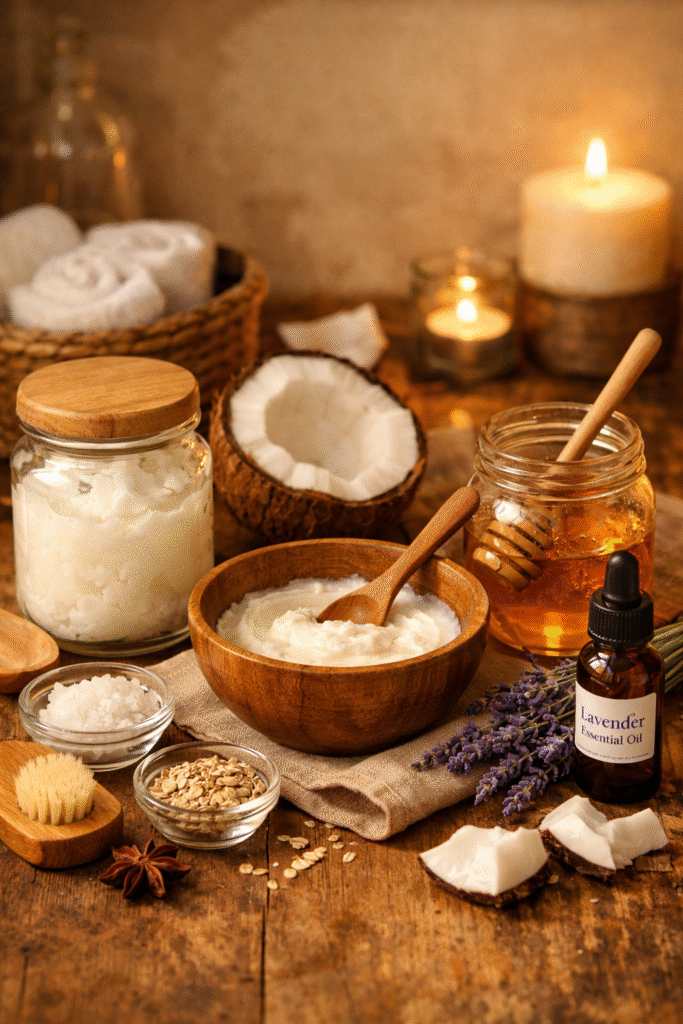
1. Basic Cleanser
- 1 tablespoon coconut oil
- 2 drops lavender essential oil
This felt relaxing and worked well for removing makeup.
2. Exfoliating Scrub
- 1 tablespoon coconut oil
- 1 teaspoon baking soda
I used this once a week. It made my skin smooth, but I had to be gentle.
3. Hydrating Mask
- Coconut oil
- 1 teaspoon raw honey
I left it on for about 10 minutes. My skin felt soft afterward.
FAQs: Coconut Oil in Skincare
Q1: Can I use coconut oil on my face daily?
A: Only if you have dry skin. For others, 2–3 times weekly is safer.
Q2: What if I sleep with coconut oil on my face?
A: It can moisturize dry skin, but it may clog pores for acne-prone types.
Q3: Should I use coconut oil before or after cleansing?
A: Use before as a makeup remover or oil cleanser. Always follow with a gentle cleanser.
Q4: Can coconut oil fade dark spots?
A: It moisturizes but doesn’t fade pigmentation. Try Vitamin C or niacinamide for that.
Q5: Is coconut oil safe for sensitive skin?
A: Yes, but always patch test before full use.
Conclusion: Is Coconut Oil Right for Your Skin?
After months of experimenting, here’s my honest take:
Coconut oil can be amazing but only for the right skin type and when used correctly.
It worked well for me when my skin was dry and needed extra hydration. But when I used it too often or skipped proper cleansing, it caused breakouts.
My Recommendation:
- Use it occasionally, not daily
- Always double cleanse
- Avoid if you’re acne-prone
- Listen to your skin
At the end of the day, skincare is personal. What worked for me might not work for you—but understanding both the benefits and risks will help you make the right choice.