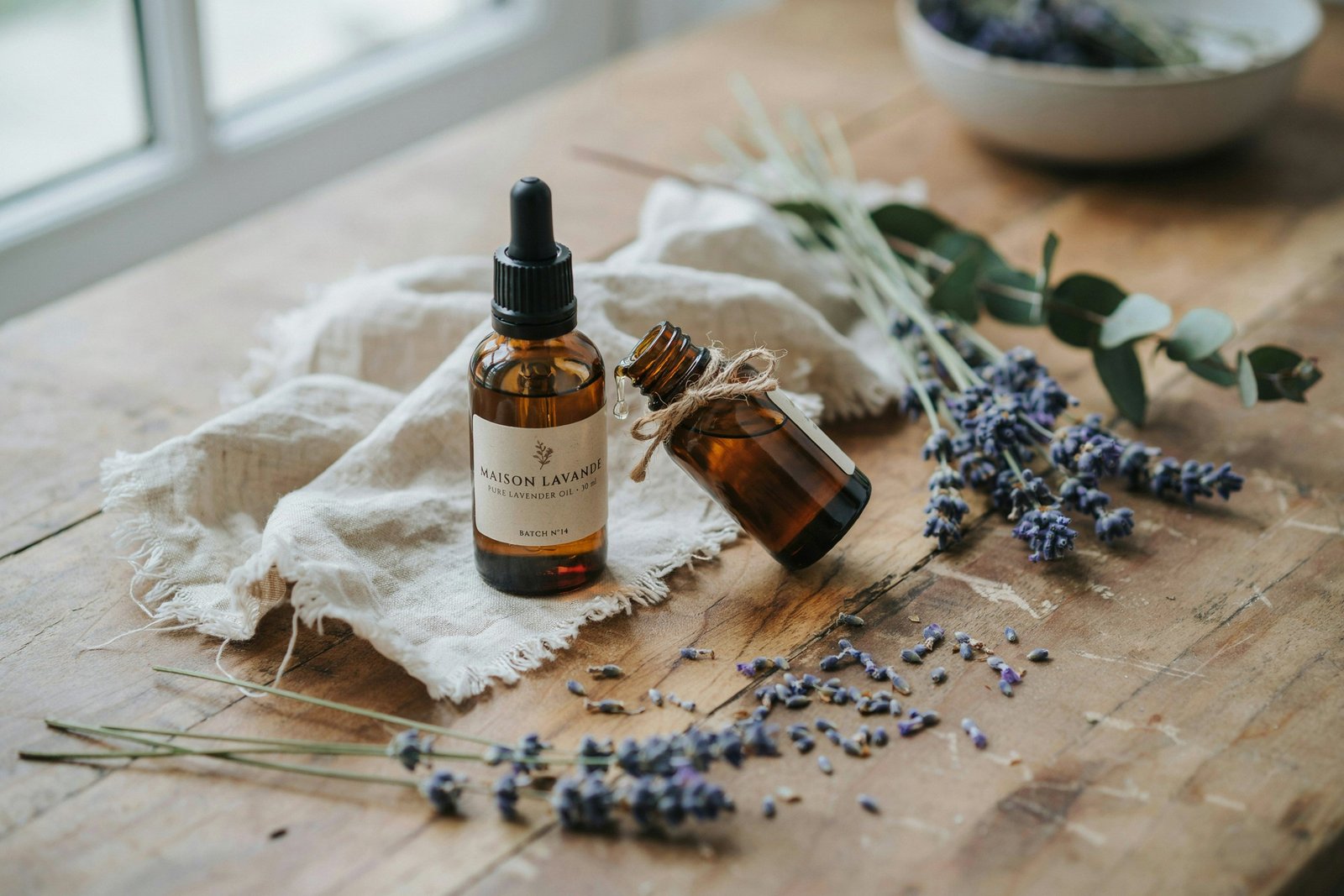

Lavender oil has become one of the most loved natural remedies in the beauty and wellness world — and for good reason.
Its calming scent, soothing properties, and versatility make it a must-have in many homes.
But what many people do not realize is that you can easily make DIY lavender oil at home using simple ingredients and affordable supplies.
Homemade lavender oil is not only budget-friendly, but it also allows you to control the quality of ingredients, avoid unnecessary chemicals, and create a more personalized natural product for your skin, hair, home, and self-care routine.
Whether you want to use lavender oil for relaxation, hair growth, massage, skincare, stress relief, sleep support, or homemade beauty products, this guide will teach you everything you need to know.
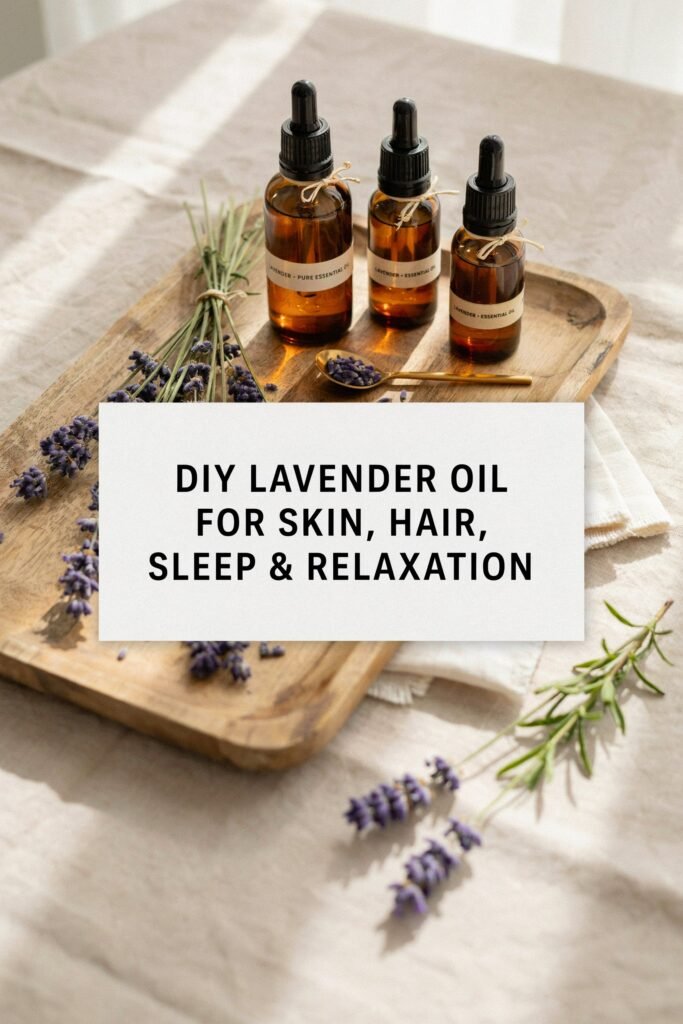
In this complete guide, you will learn:
- What DIY lavender oil is
- Benefits of lavender oil
- Best lavender types to use
- How to make lavender oil at home
- Fast infusion vs slow infusion methods
- How to store lavender oil properly
- Ways to use homemade lavender oil
- Common mistakes to avoid
- Safety tips
- Frequently asked questions
If you love natural beauty, homemade wellness products, and affordable self-care, this DIY lavender oil recipe may become one of your favorite homemade projects.
Disclaimer: This post may contain affiliate links, which means I may earn a small commission at no extra cost to you. Essential oils and infused oils may not be suitable for everyone. Perform a patch test before topical use and consult a healthcare professional if you have allergies, sensitive skin, are pregnant, or have medical concerns.
Amazon Shopping List: DIY Lavender Oil: How to Make Homemade Lavender Oil for Skin, Hair, Sleep & Relaxation
- Dried Lavender Buds (Food or Cosmetic Grade)
- Glass Mason Jars with Airtight Lids
- Sweet Almond Oil or Jojoba Oil (Carrier Oil)
- Fine Mesh Strainer or Cheesecloth
- Amber Glass Dropper Bottles
- Small Funnel Set for Bottling
- Waterproof Labels and Marker Set
Why Homemade Lavender Oil Is So Popular
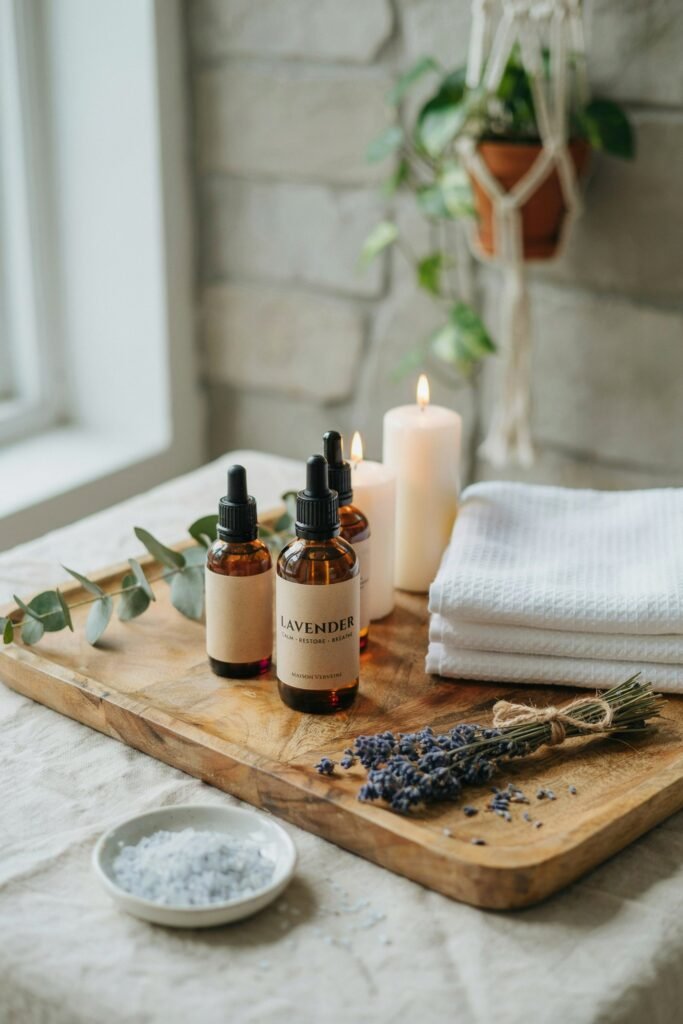
There is something comforting about making your own skincare and wellness products.
Homemade lavender oil feels luxurious, calming, and personal in a way store-bought oils often do not.
Many commercial lavender oils contain synthetic fragrance oils, fillers, preservatives, or diluted ingredients.
Making your own lavender-infused oil gives you complete control over what goes into your product.
Another reason people love DIY lavender oil is because it can be used in so many ways:
- Natural body oil
- Hair oil treatment
- Massage oil
- Sleep aid
- Bath oil
- DIY skincare ingredient
- Aromatherapy
- Homemade gifts
- Lip balm recipes
- Soap making
- Candle making
- Relaxation routines
The soft floral scent of lavender instantly creates a spa-like atmosphere at home.
What Is DIY Lavender Oil?
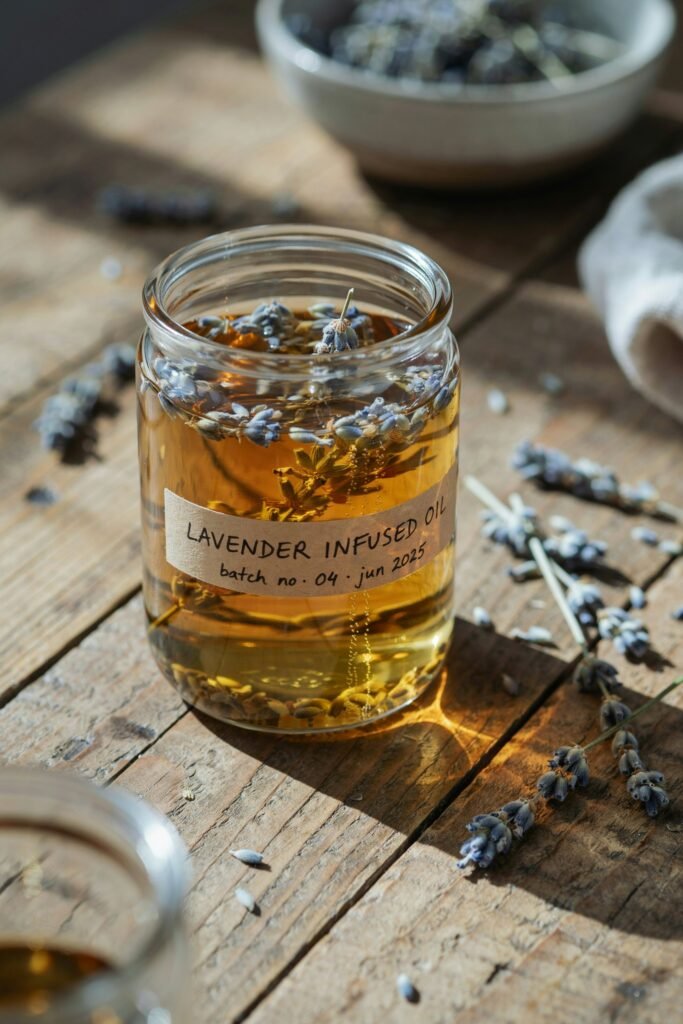
DIY lavender oil is usually a lavender-infused carrier oil made by soaking dried lavender flowers in oils such as olive oil, jojoba oil, almond oil, or coconut oil.
Over time, the oil absorbs the scent, color, and beneficial properties of the lavender buds.
This is different from pure lavender essential oil, which is produced through steam distillation.
Essential oils are extremely concentrated, while infused lavender oil is gentler and easier for beginners to make at home.
Homemade lavender oil is ideal for:
- Sensitive skin
- Natural beauty routines
- Massage oils
- Hair care
- Everyday moisturizing
- Relaxation rituals
Benefits of DIY Lavender Oil
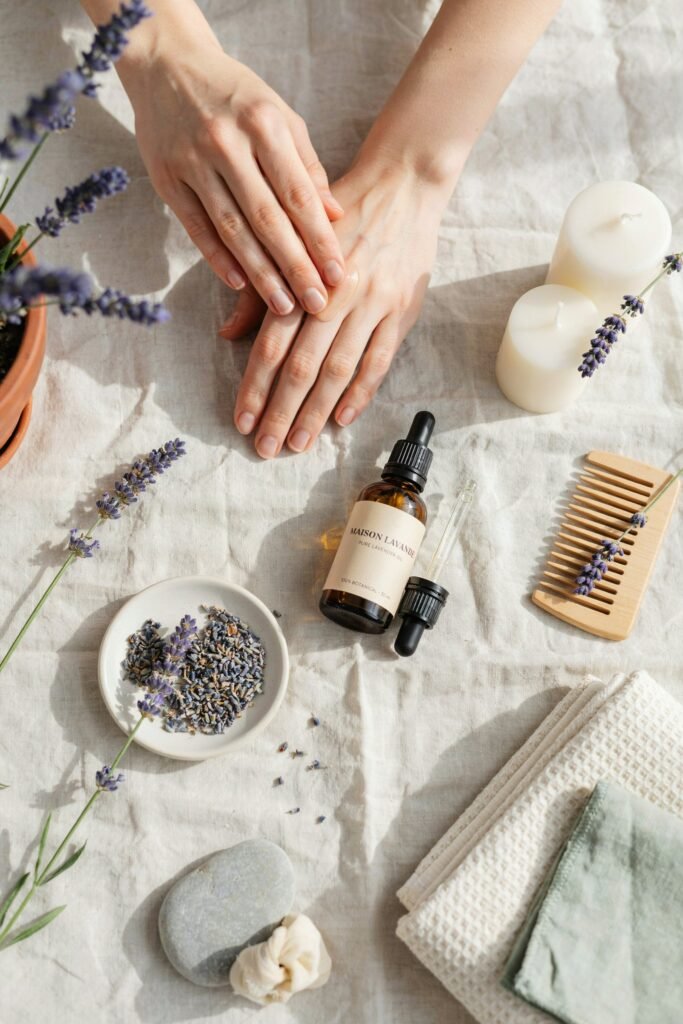
1. Helps Promote Relaxation
Lavender is widely known for its calming aroma. Many people use lavender oil during stressful days or before bedtime to create a peaceful environment.
The scent alone can help make your nighttime routine feel more relaxing and comforting.
2. Moisturizes Dry Skin
Carrier oils combined with lavender can deeply nourish dry or rough skin. Lavender-infused oil works especially well on:
- Elbows
- Knees
- Hands
- Feet
- Dry patches
It leaves skin feeling soft, smooth, and hydrated.
3. Makes Hair Feel Softer
Many people use lavender oil on their scalp and hair because it can help reduce dryness and improve softness.
It is commonly added to:
- Scalp massages
- Hair masks
- Hair oils
- Leave-in treatments
4. Creates a Spa-Like Self-Care Experience
One of the biggest benefits of DIY lavender oil is the experience itself. The scent creates a relaxing atmosphere that makes ordinary routines feel more luxurious.
5. Multi-Purpose and Budget-Friendly
A single jar of homemade lavender oil can be used for multiple beauty and wellness purposes, making it one of the most cost-effective DIY products to make at home.
Best Lavender for Homemade Lavender Oil
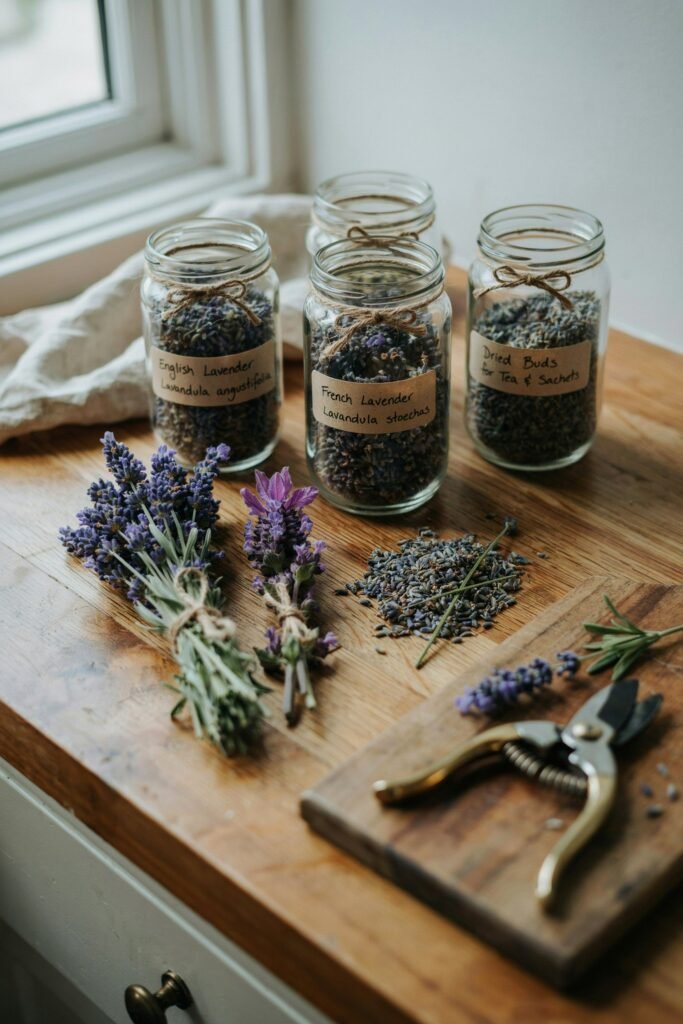
Not all lavender varieties smell exactly the same. Some are sweeter, stronger, or more herbal.
The best types for DIY lavender oil include:
English Lavender
This is the most popular option for homemade beauty recipes because it has a soft, classic lavender scent.
Best for:
- Relaxation
- Skincare
- Sleep blends
French Lavender
French lavender has a slightly sharper herbal aroma.
Best for:
- Aromatherapy
- Home fragrance
- Massage oil
Dried Lavender vs Fresh Lavender
Dried lavender is usually the best option because it contains less moisture.
Fresh lavender can introduce water into the oil, which may shorten shelf life or encourage mold growth.
For beginners, dried lavender buds are highly recommended.
Best Carrier Oils for DIY Lavender Oil
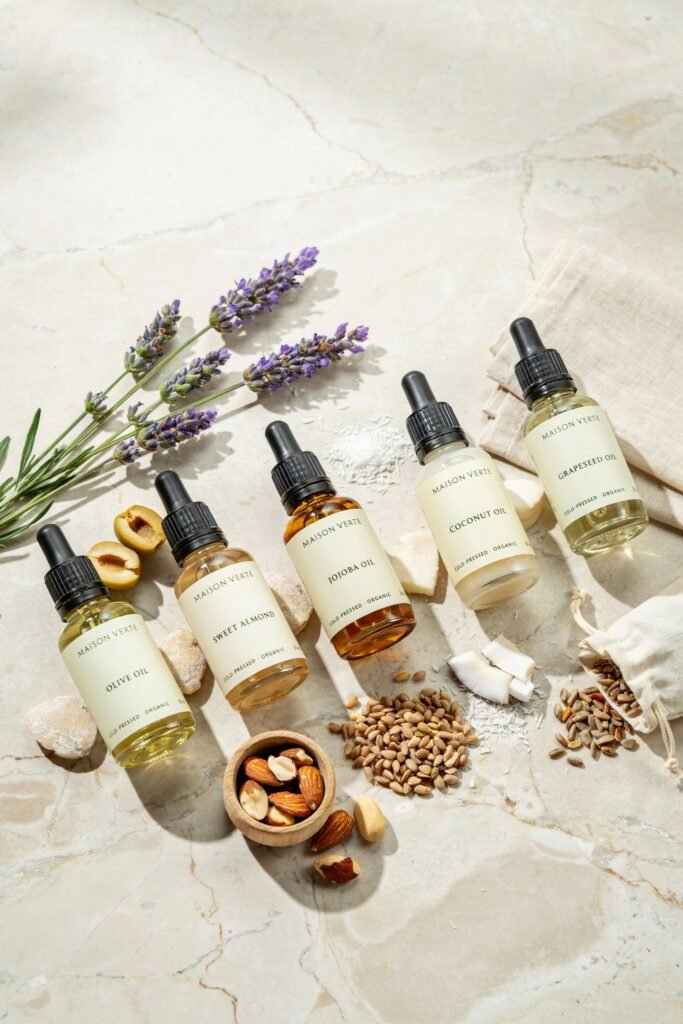
The carrier oil you choose will affect the texture, scent, and skin feel of your lavender oil.
Olive Oil
Affordable and easy to find.
Best for:
- Dry skin
- Massage oil
- Body oil
Sweet Almond Oil
Lightweight and smooth.
Best for:
- Skincare
- Body oil
- Hair care
Jojoba Oil
Very similar to natural skin oils.
Best for:
- Acne-prone skin
- Facial oil
- Scalp care
Coconut Oil
Rich and moisturizing.
Best for:
- Hair treatments
- Body butter
- Dry skin
Grapeseed Oil
Light and non-greasy.
Best for:
- Oily skin
- Lightweight body oil
- Massage blends
Supplies You Need
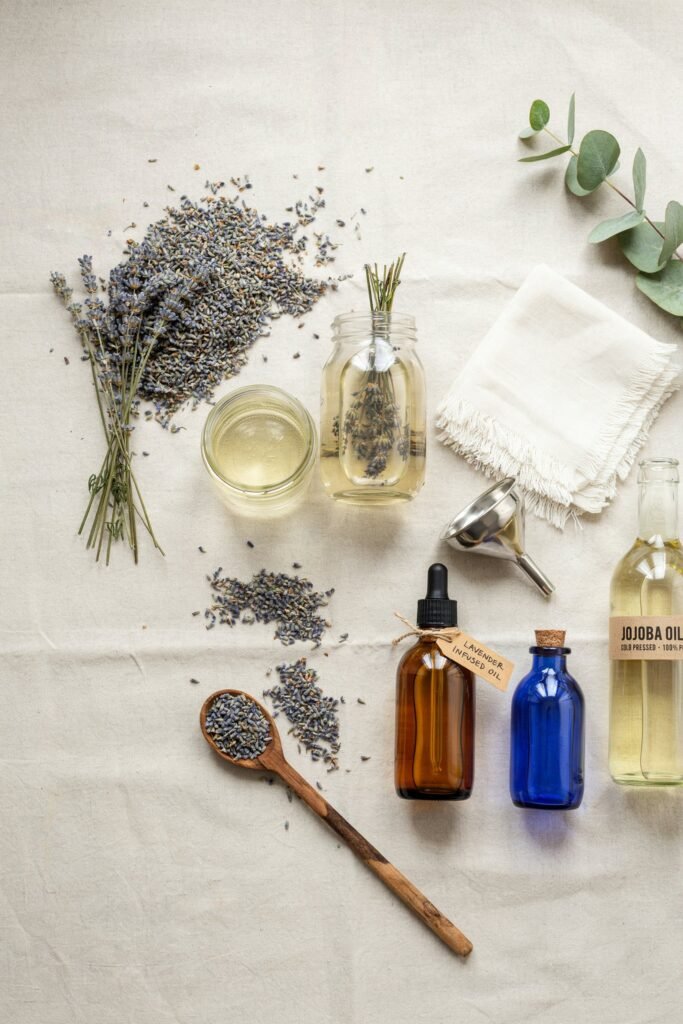
Making lavender oil at home is surprisingly simple.
You will need:
- Dried lavender buds
- Carrier oil of choice
- Clean glass jar
- Spoon
- Cheesecloth or fine strainer
- Dark glass bottle for storage
- Funnel (optional)
How to Make DIY Lavender Oil (Slow Infusion Method)
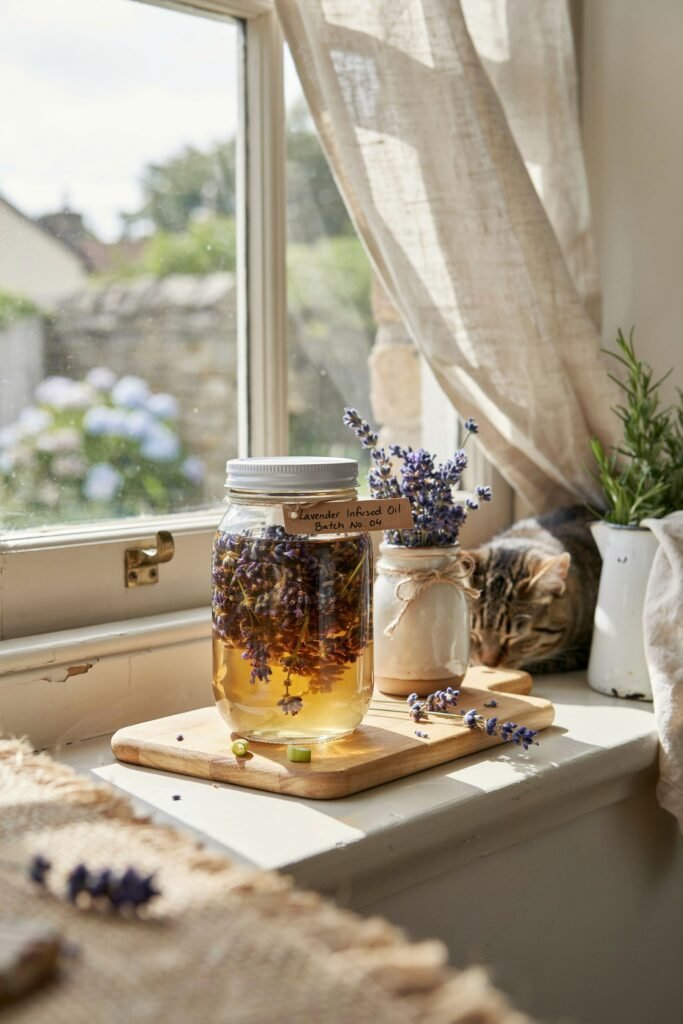
The slow infusion method creates a richer and more natural lavender oil.
Step 1: Fill Your Jar With Lavender
Start by choosing a clean, completely dry glass jar.
Moisture inside the jar can affect the quality of the oil and may even cause mold over time, so make sure everything is fully dry before you begin.
Fill the jar about halfway with dried lavender buds. You can use English lavender or French lavender depending on the scent you prefer.
Dried lavender works best because it contains very little moisture and helps the oil last longer.
Avoid packing the lavender too tightly.
Leaving some space between the buds allows the carrier oil to move around more easily and absorb the natural scent and properties of the lavender more effectively.
For a stronger lavender scent, you can slightly increase the amount of lavender, but do not completely overfill the jar.
Step 2: Add Carrier Oil
Slowly pour your chosen carrier oil into the jar until all the lavender buds are fully covered.
Popular carrier oils include olive oil, sweet almond oil, jojoba oil, coconut oil, and grapeseed oil.
As you pour, you may notice small air bubbles trapped between the lavender buds.
Gently tap the jar on the counter or stir carefully with a clean spoon to release the bubbles.
Leave a small amount of space at the top of the jar to prevent spills when shaking the mixture later.
The carrier oil will slowly absorb the calming scent, color, and natural properties of the lavender during the infusion process.
Step 3: Seal the Jar
Once the lavender and oil are combined, tightly seal the jar with a lid. A secure lid helps keep moisture, dust, and air out while the oil infuses.
Before storing the jar, you can label it with:
- The date
- Type of oil used
- Lavender variety
- Estimated finish date
This is especially helpful if you plan to make different infused oils in the future.
Step 4: Let It Infuse
Place the sealed jar in a warm sunny area such as a windowsill, kitchen shelf, or bright corner of your home.
The warmth helps the lavender slowly release its scent and beneficial compounds into the oil.
Allow the mixture to infuse for about 2 to 6 weeks. The longer it sits, the stronger and more fragrant the lavender oil usually becomes.
Shake the jar gently every few days to help distribute the lavender evenly throughout the oil.
This also helps improve the infusion process.
Over time, you may notice:
- A stronger lavender scent
- Slight color changes in the oil
- A richer herbal aroma
Patience is key during this step because slow infusions often produce the most beautiful homemade lavender oil.
Step 5: Strain the Oil
After the infusion period is complete, it is time to separate the lavender buds from the oil.
Place a cheesecloth, coffee filter, or fine mesh strainer over a clean bowl or measuring cup.
Slowly pour the oil through the strainer to remove all plant material.
For a smoother oil, you can strain it a second time to catch smaller lavender particles.
Once strained, pour the finished lavender oil into a clean dark glass bottle or storage jar.
Dark bottles help protect the oil from sunlight and preserve freshness longer.
At this stage, your homemade lavender oil is ready to use in skincare, haircare, massage oils, bath products, and self-care routines.
Step 6: Store Properly
Store your DIY lavender oil in a cool, dry, and dark place away from direct sunlight and heat.
Proper storage helps maintain the scent, freshness, and quality of the oil for a longer period.
Amber or dark glass bottles work best because they help block light exposure, which can weaken the oil over time.
Always close the lid tightly after each use to prevent air and moisture from getting inside the bottle.
When stored correctly, homemade lavender oil can typically last anywhere from 6 months to 1 year depending on the carrier oil used.
Quick DIY Lavender Oil Method
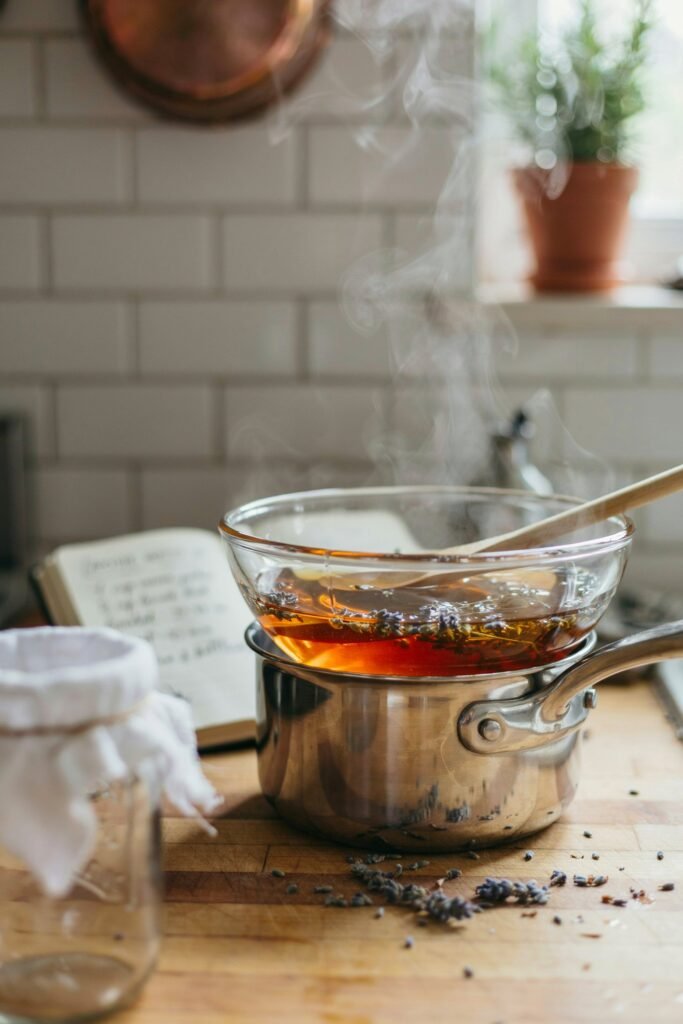
If you do not want to wait several weeks, you can use heat to speed up the infusion process.
Instructions
- Add dried lavender and carrier oil to a heat-safe bowl or double boiler.
- Heat gently on very low heat for 2 to 5 hours.
- Do not boil the oil.
- Allow the mixture to cool.
- Strain and bottle the oil.
This method creates lavender oil much faster, though the scent may be slightly lighter than the slow infusion method.
How to Store DIY Lavender Oil
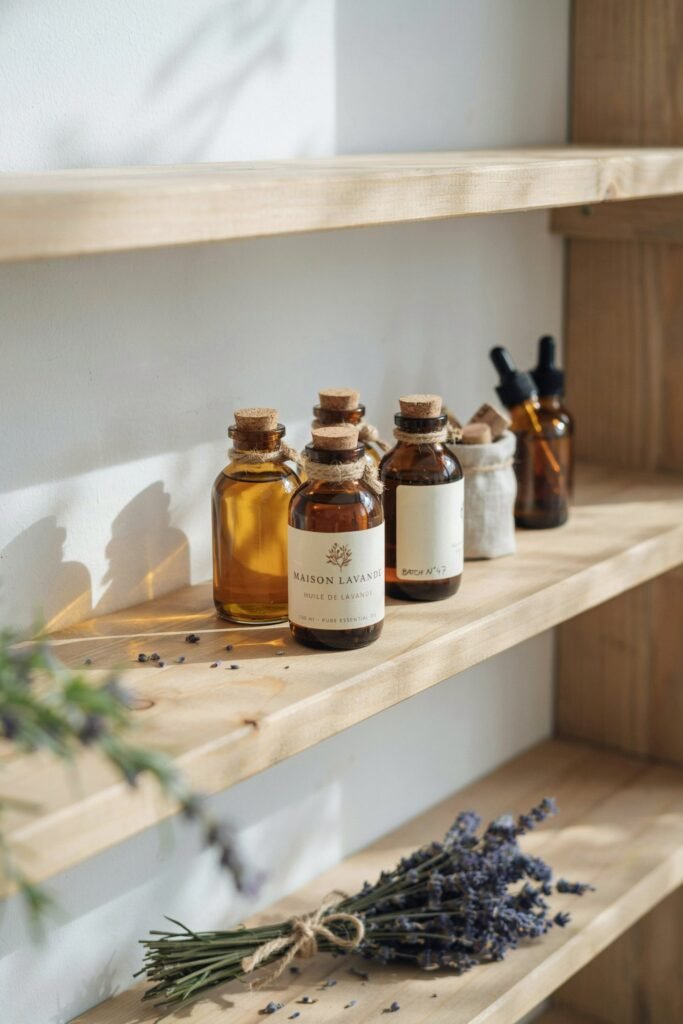
Store your homemade lavender oil in a clean dark glass bottle and keep it in a cool, dry place away from direct sunlight.
Always seal the bottle tightly after use to help preserve the scent and freshness. When stored properly, DIY lavender oil can last between 6 months and 1 year.
How Long Does Homemade Lavender Oil Last?
Most DIY lavender oils last between 6 months and 1 year if stored properly.
To extend shelf life:
- Store in dark glass bottles
- Keep away from sunlight
- Avoid getting water into the oil
- Use clean tools when handling
If the oil develops a strange smell, cloudy texture, or mold, discard it immediately.
Ways to Use DIY Lavender Oil
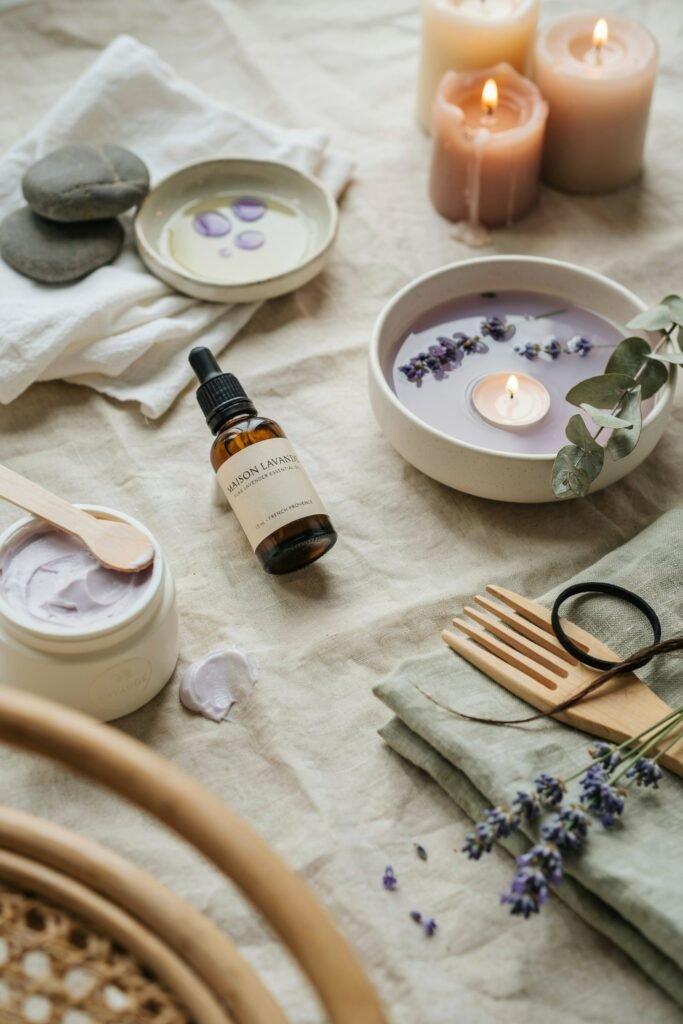
One reason lavender oil is so popular is because it has countless uses.
Use It as a Body Oil
Apply after showering while skin is slightly damp for soft glowing skin.
Add It to Baths
A few drops in warm bath water can create a relaxing spa-like experience.
Use for Massage
Lavender-infused oil works beautifully for shoulder, neck, and foot massages.
Apply to Dry Hair Ends
Use a tiny amount on dry ends for added softness and shine.
Make a Relaxing Bedtime Routine
Apply a little lavender oil to wrists, shoulders, or feet before bed.
DIY Skincare Recipes
Use lavender oil in:
- Sugar scrubs
- Body butters
- Lip balms
- Lotion bars
- Face oils
- Homemade soap
Natural Home Fragrance
Add some lavender oil to homemade room sprays or diffuser blends.
DIY Lavender Oil Blends You Can Try
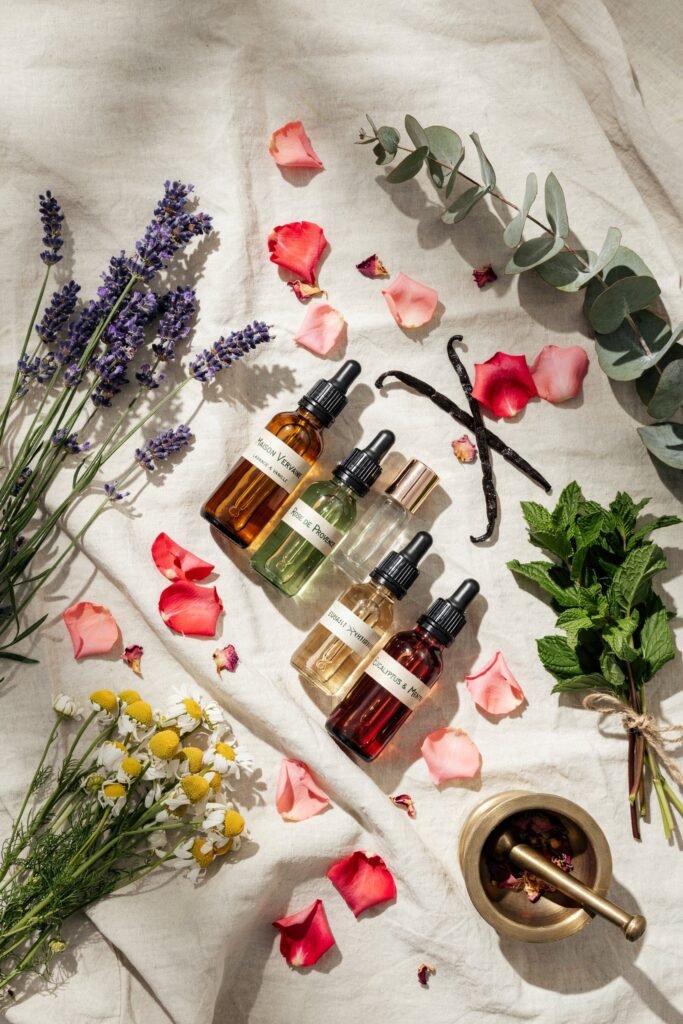
Lavender + Rose
Soft floral and romantic.
Lavender + Chamomile
Perfect for bedtime routines.
Lavender + Peppermint
Refreshing and cooling.
Lavender + Vanilla
Warm and comforting scent.
Lavender + Eucalyptus
Fresh spa-inspired aroma.
Common Mistakes to Avoid
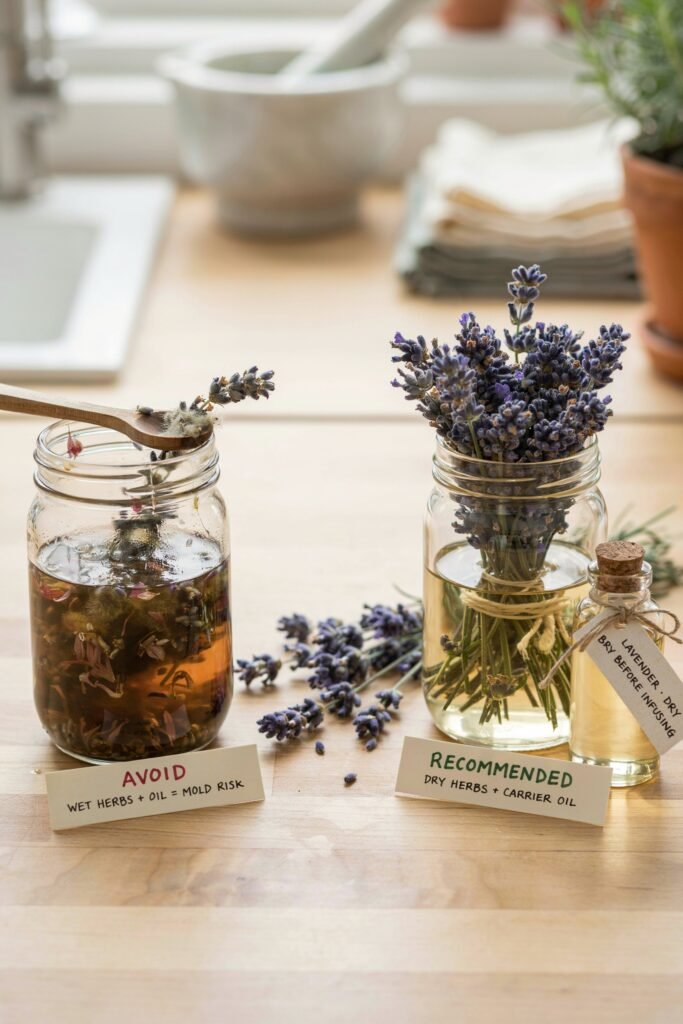
Using Wet Lavender
Moisture can cause mold growth.
Always use properly dried lavender.
Overheating the Oil
Too much heat can damage the beneficial properties of the oil.
Always use low gentle heat.
Storing in Clear Containers
Sunlight can reduce quality over time.
Dark bottles work best.
Using Dirty Jars
Clean jars help prevent contamination.
Can You Use DIY Lavender Oil on Your Face?
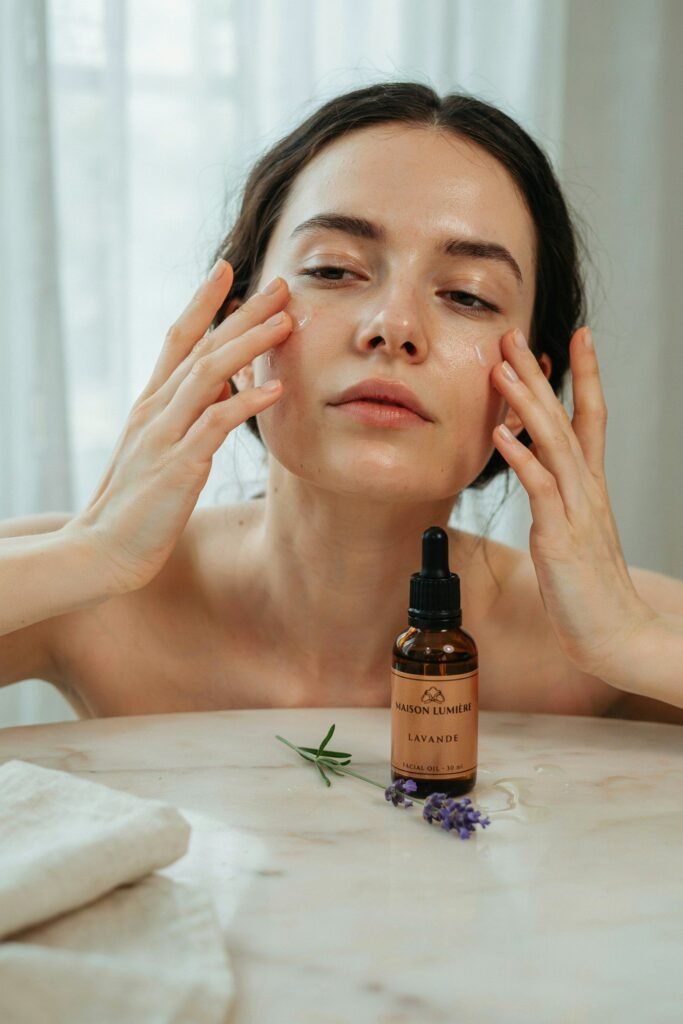
Yes, many people use lavender-infused oil on the face, especially when made with lightweight carrier oils like jojoba or grapeseed oil.
However:
- Always patch test first
- Avoid heavy oils if acne-prone
- Use small amounts
- Stop use if irritation occurs
Is DIY Lavender Oil Safe for Hair?
Lavender oil is commonly used in hair care routines because it helps make hair feel softer and more moisturized.
Ways to use it:
- Scalp massage oil
- Hair mask ingredient
- Hot oil treatment
- Frizz control
- Dry scalp care
Why DIY Lavender Oil Makes a Beautiful Gift
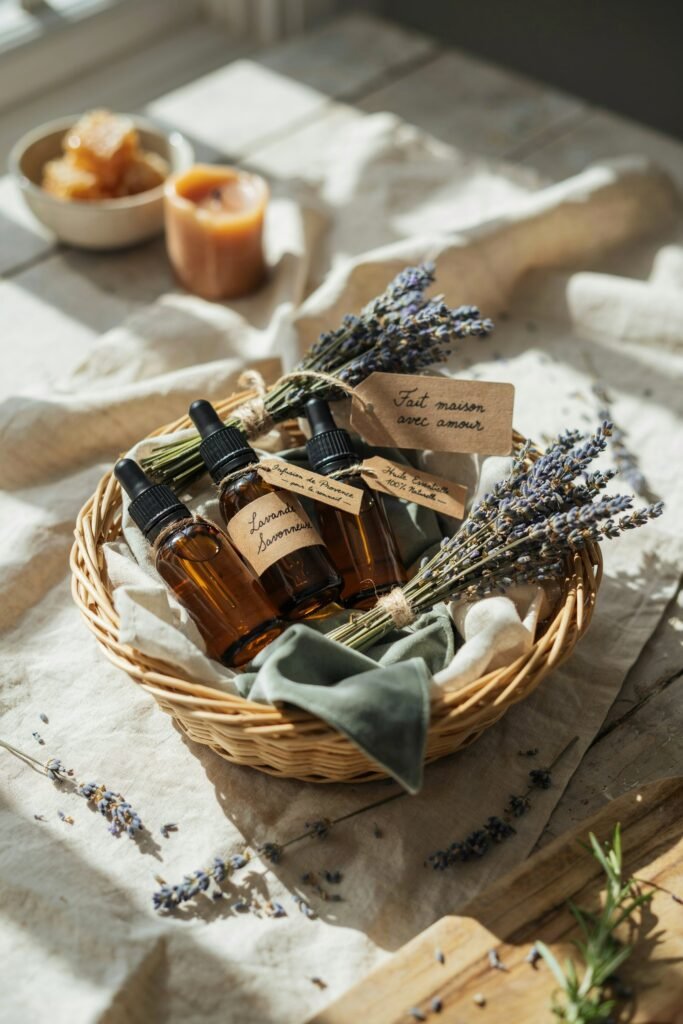
Homemade lavender oil also makes an elegant and thoughtful gift.
You can package it in:
- Amber glass bottles
- Small jars
- Gift boxes
- Spa baskets
Add:
- Dried lavender sprigs
- Personalized labels
- Ribbon
- Handmade tags
It feels luxurious without being expensive.
Creating a Relaxing Lavender Self-Care Routine
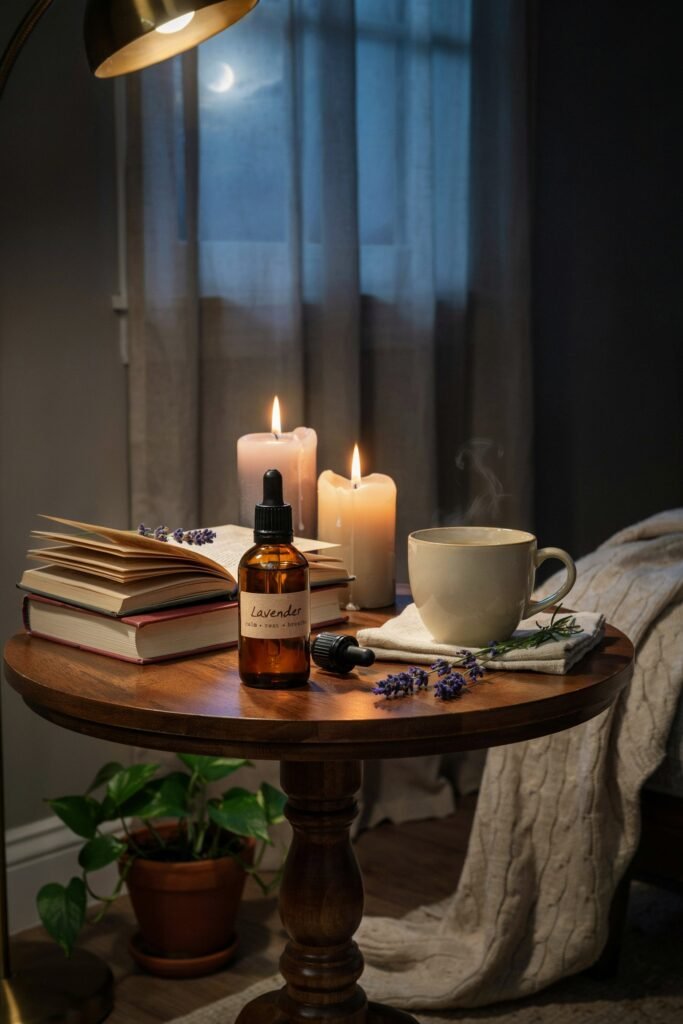
Lavender oil works best when incorporated into calming routines.
Try this simple evening routine:
- Take a warm shower
- Apply lavender body oil
- Light a candle
- Drink herbal tea
- Use lavender oil during a scalp massage
- Read or relax before bed
Small rituals like these can make everyday life feel calmer and more intentional.
Frequently Asked Questions
Can I use fresh lavender to make lavender oil?
Yes, but dried lavender is usually safer because fresh lavender contains moisture that can shorten shelf life.
What is the best carrier oil for lavender oil?
Sweet almond oil, jojoba oil, olive oil, and coconut oil are all popular choices.
How long should lavender infuse in oil?
For the best scent and quality, allow the lavender to infuse for 2 to 6 weeks.
Can I use DIY lavender oil every day?
Yes, many people use it daily for skincare, massage, and relaxation.
Does homemade lavender oil smell strong?
The scent is usually softer and more natural than concentrated essential oils.
Can I add essential oils to homemade lavender oil?
Yes, adding a few drops of lavender essential oil can create a stronger scent.
Final Thoughts
DIY lavender oil is one of the easiest and most rewarding homemade beauty products you can make. It is affordable, versatile, beginner-friendly, and incredibly relaxing to use.
Whether you want softer skin, a calming bedtime routine, a natural hair oil, or a luxurious homemade gift idea, lavender oil is a timeless DIY project worth trying.
The best part is that you can customize it to match your personal preferences using different oils, lavender varieties, and scent combinations.
Once you start making homemade lavender oil, you may never want to go back to store-bought versions again.