
Skin aging is a natural biological process, but the way it appears on your face is influenced heavily by lifestyle, environment, and especially diet.
Over time, the skin gradually loses collagen, elastin, and moisture—three essential components responsible for keeping it firm, smooth, and youthful.
This leads to visible changes such as fine lines, wrinkles, dullness, sagging, and uneven tone.
While these changes are completely normal, they often appear earlier or more severely due to daily habits like poor nutrition, stress, sun exposure, smoking, dehydration, and lack of sleep.
Most people focus only on skincare products like creams, serums, and treatments. While these can help externally, true skin health starts from within.
Your skin is a reflection of what you eat, how your body functions, and how well it repairs itself at the cellular level.
Certain foods contain powerful nutrients—antioxidants, vitamins, healthy fats, and minerals—that help slow down visible aging, protect skin cells from damage, and support collagen production naturally.
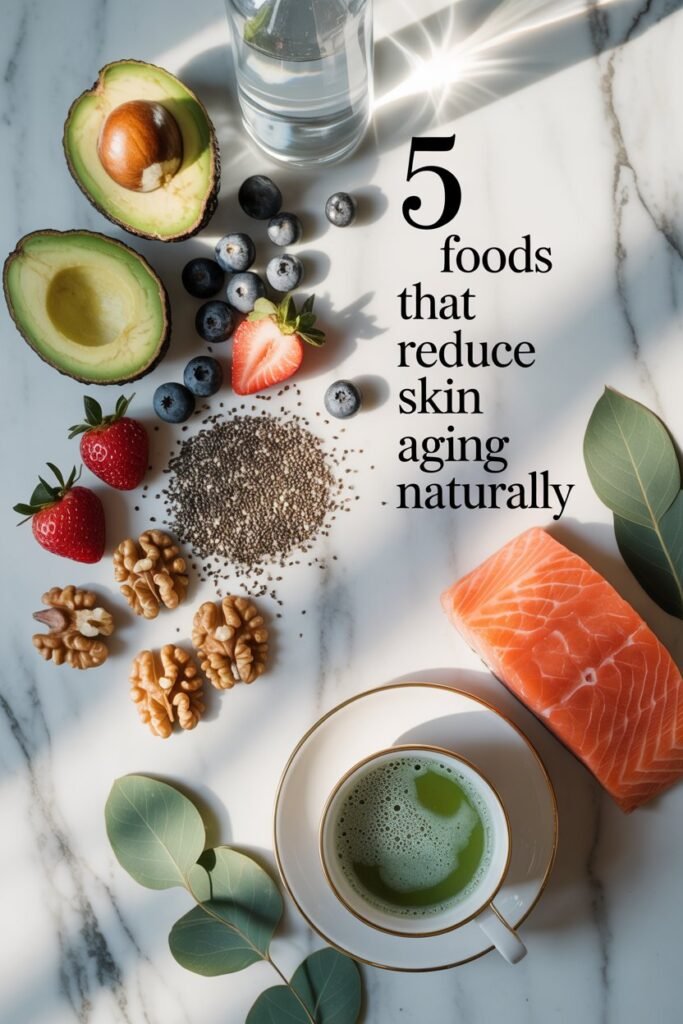
In this guide, you will discover 5 of the most effective foods that help reduce signs of skin aging, how they work inside your body, and how to include them in your daily routine for long-term skin benefits.
Why Skin Ages and What You Can Do About It
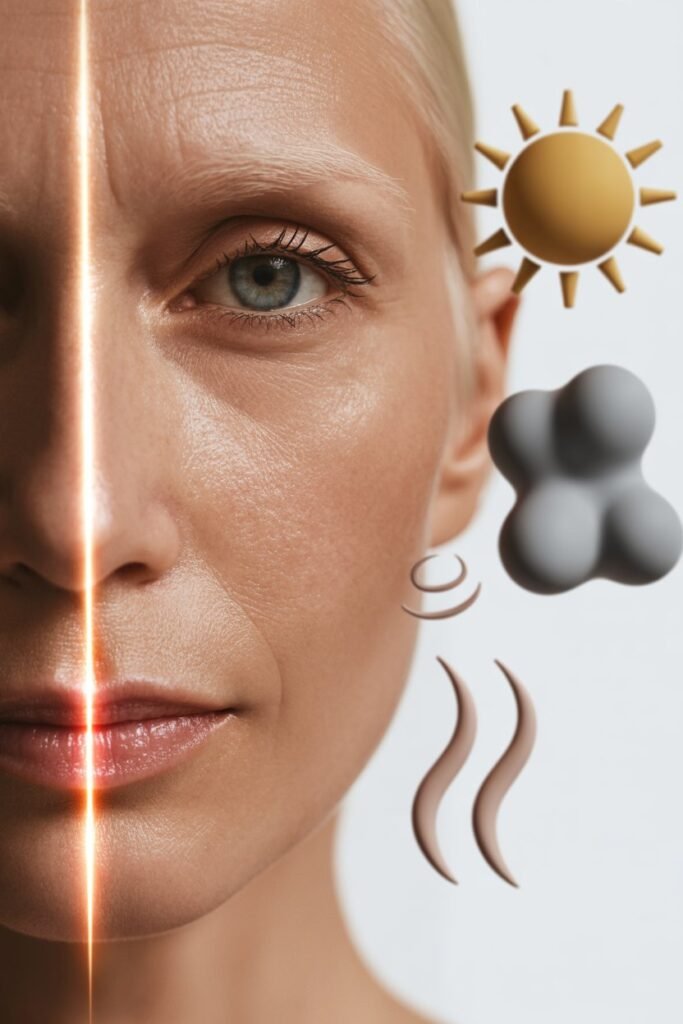
Skin aging happens due to two main processes: intrinsic aging (natural internal aging) and extrinsic aging (environmental and lifestyle factors).
Intrinsic Aging (Natural Aging)
As you get older, your body naturally:
- Produces less collagen and elastin
- Slows down cell regeneration
- Loses fat beneath the skin
- Becomes less efficient at retaining moisture
This results in thinner, less elastic skin that shows wrinkles more easily.
Extrinsic Aging (External Factors)
These are the biggest accelerators of aging:
- UV radiation from the sun
- Pollution and environmental toxins
- Smoking and alcohol consumption
- High sugar diet
- Chronic stress
- Poor sleep habits
These factors increase free radicals in the body, which damage skin cells and break down collagen faster than normal.
What You Can Do About It
Although aging cannot be stopped, it can be significantly slowed down.
The key is to reduce internal inflammation and provide your body with the nutrients it needs to repair and protect the skin.
This is where diet becomes powerful. Foods rich in antioxidants, omega-3 fatty acids, vitamins A, C, E, and zinc help:
- Boost collagen production
- Improve skin hydration
- Repair damaged cells
- Reduce inflammation
- Protect against sun and pollution damage
Now, let’s look at the top 5 foods that actively support younger, healthier-looking skin.
5 Foods That Help Reduce Signs of Skin Aging
Skin aging is a natural process, but how fast it shows can be influenced by what you eat every day.
The right foods can help support collagen, improve hydration, and protect your skin from early signs of wrinkles and dullness.
Here are 5 powerful foods that help keep your skin looking healthier and more youthful over time.
1. Avocados – Natural Skin Hydration Booster
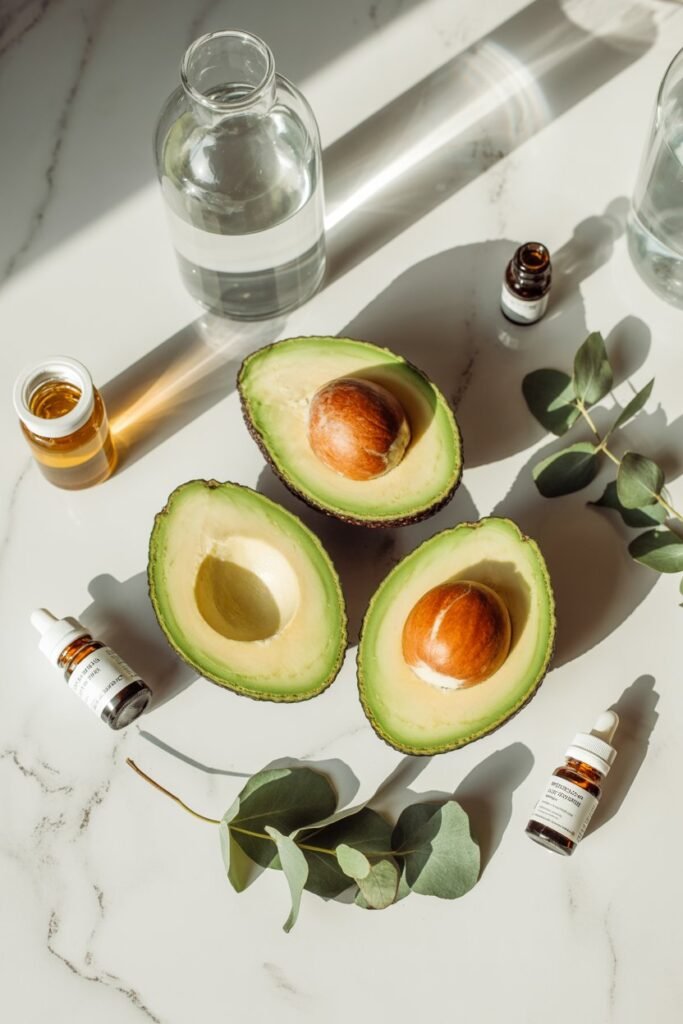
Avocados are one of the most powerful anti-aging foods due to their high content of healthy fats and skin-repairing nutrients.
Why Avocados Are Great for Skin Aging
Avocados contain:
- Monounsaturated fats (support skin elasticity)
- Vitamin E (protects against oxidative stress)
- Vitamin C (boosts collagen production)
- Carotenoids (protect against UV damage)
How They Reduce Signs of Aging
Healthy fats in avocados help strengthen the skin barrier, preventing water loss and keeping skin plump and hydrated. This reduces the appearance of fine lines and dryness.
Vitamin E acts as a protective shield against free radicals that accelerate aging.
Extra Benefit
Studies show that healthy fat intake improves skin elasticity and firmness, especially in women.
How to Include Avocados in Your Diet
- Add to toast with eggs or tomatoes
- Blend into smoothies for creaminess
- Use in salads instead of heavy dressings
- Eat half an avocado daily for visible benefits
2. Fatty Fish – Omega-3 Power for Youthful Skin
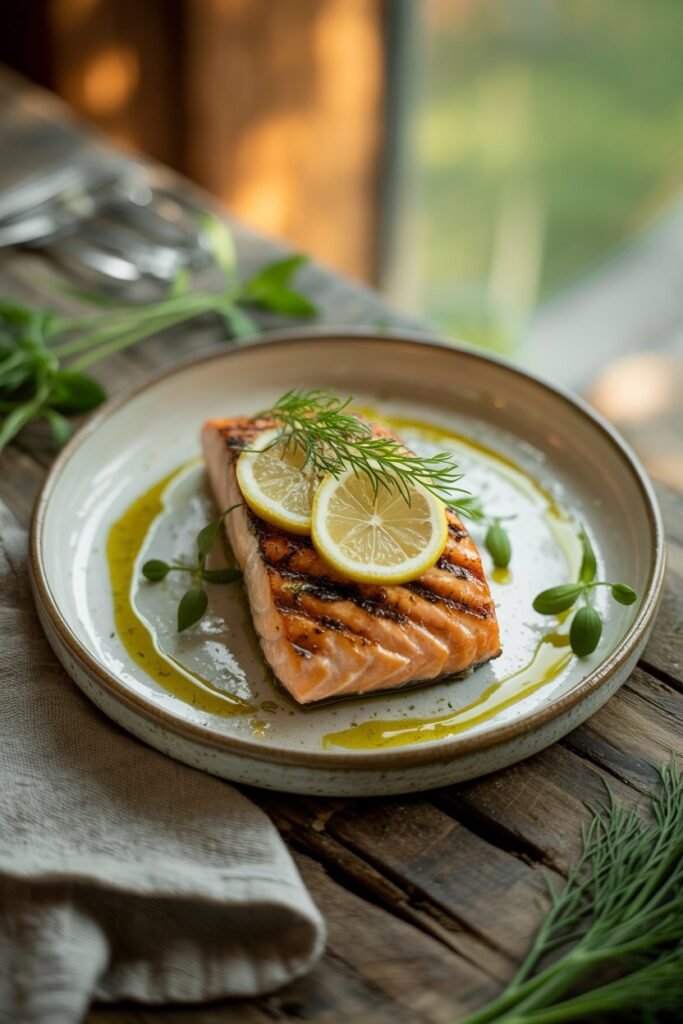
Fatty fish such as salmon, sardines, mackerel, and tuna are rich in omega-3 fatty acids, which are essential for maintaining youthful, resilient skin.
Why Fatty Fish Help Skin Aging
They contain:
- Omega-3 fatty acids (reduce inflammation)
- Protein (supports tissue repair)
- Astaxanthin (a powerful antioxidant in salmon)
- Vitamin D (supports skin cell function)
How They Reduce Skin Aging
Omega-3 fatty acids help maintain the skin’s lipid barrier, which locks in moisture and keeps skin soft and smooth.
They also reduce inflammation, which is a major cause of wrinkles, acne scars, and skin irritation.
Additional Skin Benefits
- Reduces redness and irritation
- Improves skin thickness and resilience
- Protects against sun-induced aging (photoaging)
How to Eat More Fatty Fish
- Grill salmon with herbs and lemon
- Add sardines to salads or toast
- Include fish in meals 2–3 times per week
- Use mackerel in soups or stews
3. Berries – Powerful Antioxidant Protection
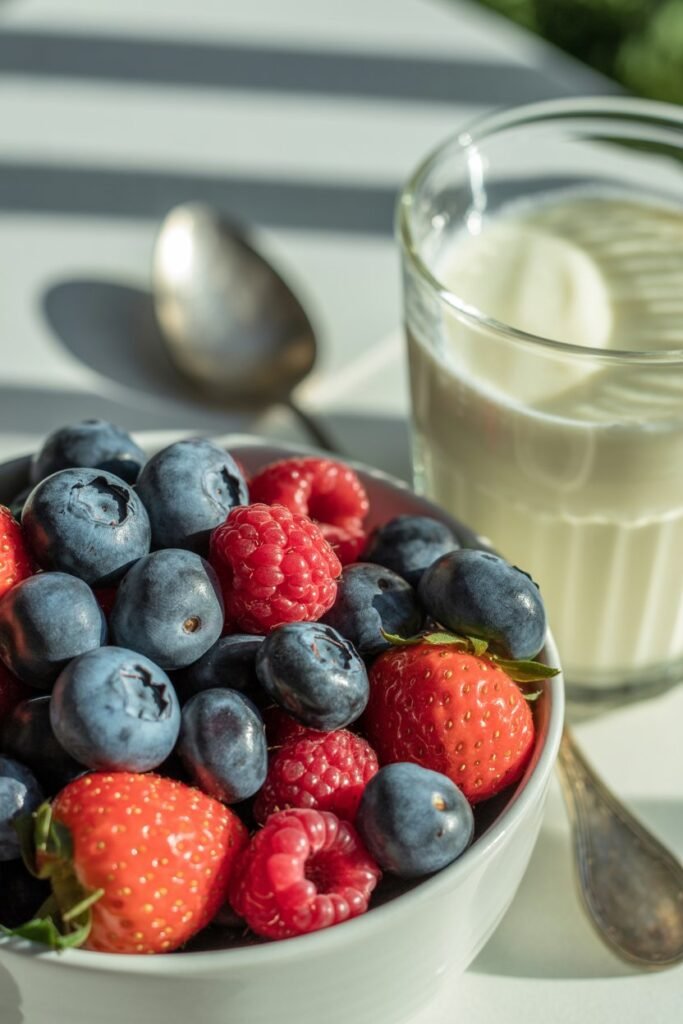
Berries such as blueberries, strawberries, raspberries, and blackberries are some of the most antioxidant-rich foods on the planet.
Why Berries Are Important for Skin Aging
They contain:
- Vitamin C (collagen synthesis)
- Anthocyanins (anti-inflammatory compounds)
- Flavonoids (protect skin cells)
- Fiber (supports gut health, which affects skin)
How They Help Skin Stay Young
Free radicals are unstable molecules that damage skin cells and speed up aging. Berries neutralize these molecules, protecting your skin from damage.
Vitamin C in berries also stimulates collagen production, which helps keep skin firm and smooth.
Bonus Skin Effect
Berries improve skin brightness and help reduce pigmentation and dullness over time.
How to Eat More Berries
- Add to yogurt or oatmeal
- Blend into smoothies
- Snack on fresh or frozen berries
- Use in healthy desserts
4. Nuts and Seeds – Repair and Protection from Within
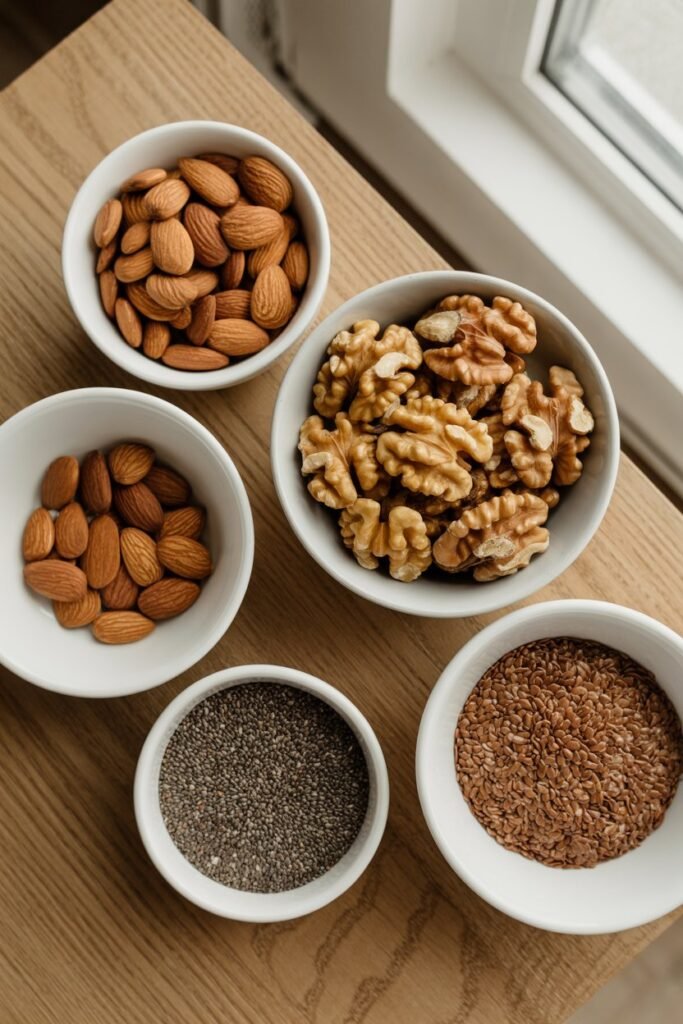
Nuts and seeds are small but extremely powerful when it comes to skin health.
Best Nuts and Seeds for Skin Aging
- Almonds
- Walnuts
- Chia seeds
- Flaxseeds
- Sunflower seeds
Key Nutrients They Contain
- Vitamin E (protects skin cells)
- Omega-3 fatty acids (reduce inflammation)
- Zinc (supports healing and regeneration)
- Selenium (protects against oxidative stress)
How They Reduce Skin Aging
Vitamin E helps protect the skin from environmental damage, while omega-3 fatty acids reduce inflammation that contributes to wrinkles and sagging.
Zinc supports skin repair, helping wounds heal faster and improving overall skin texture.
Additional Benefit
Walnuts contain the highest amount of omega-3 among nuts, making them especially powerful for anti-aging.
How to Include Them
- Add nuts to breakfast bowls
- Sprinkle seeds into salads or smoothies
- Snack on a handful daily
- Use nut butter on whole grain toast
5. Green Tea – Internal Skin Protection Drink

Green tea is one of the most effective anti-aging drinks due to its high concentration of catechins, powerful antioxidants that protect skin cells.
Why Green Tea Helps Skin Aging
It contains:
- EGCG (epigallocatechin gallate)
- Polyphenols (anti-inflammatory compounds)
- Caffeine (improves circulation)
How It Reduces Skin Aging
Green tea protects skin from UV damage, one of the leading causes of premature aging. It also reduces inflammation and improves skin elasticity over time.
Extra Skin Benefits
- Reduces redness and acne
- Improves skin texture
- Helps detoxify the body
How to Drink It
- Drink 1–3 cups daily
- Replace sugary drinks with green tea
- Add lemon for extra vitamin C boost
- Enjoy iced green tea in hot climates
Bonus: Lifestyle Habits That Slow Skin Aging

Even the best foods won’t work alone without healthy habits.
1. Stay Hydrated
Water keeps skin plump and supports detoxification.
2. Reduce Sugar Intake
Sugar damages collagen through glycation, leading to wrinkles.
3. Sleep Well
Skin repairs itself during sleep cycles.
4. Wear Sunscreen Daily
UV rays are the #1 cause of premature aging.
5. Exercise Regularly
Improves blood flow and nutrient delivery to skin.
Common Mistakes That Speed Up Aging

- Relying only on skincare products
- Eating processed foods daily
- Smoking or alcohol use
- Skipping sunscreen
- Poor sleep routine
- Low water intake
Avoiding these can dramatically improve your skin over time.
Frequently Asked Questions (FAQ)
1. Can food really reduce wrinkles?
Yes. Nutrient-rich foods help repair skin cells and support collagen production, which reduces wrinkles over time.
2. How long before I see results?
Most people notice changes in skin glow and texture within 4–8 weeks of consistent healthy eating.
3. Do I still need skincare products?
Yes. Diet works internally, while skincare protects externally. Both work best together.
4. What is the strongest anti-aging food?
Berries and fatty fish are among the most powerful due to antioxidants and omega-3 content.
5. Can young people benefit from these foods?
Absolutely. Starting early helps prevent premature aging later in life.
Conclusion
Skin aging is inevitable, but how fast it appears is largely within your control. By consistently eating nutrient-rich foods like avocados, fatty fish, berries, nuts, seeds, and green tea, you can significantly slow down visible aging and improve overall skin health.
True beauty begins from within. When your body is nourished properly, your skin naturally reflects it—becoming brighter, smoother, and more youthful over time.
If you maintain these habits consistently, your skin will not only look better today but also age more gracefully in the years ahead.