
When people think about firmer-looking skin, workouts are not always the first thing that comes to mind. I used to think skin firmness was only about creams or skincare routines.
But over time, I started noticing something important: how the body looks and feels underneath the skin plays a big role in overall appearance.
Regular movement, strength training, and circulation-focused workouts can help improve muscle tone, support blood flow, and give the body a more lifted, firm look over time.
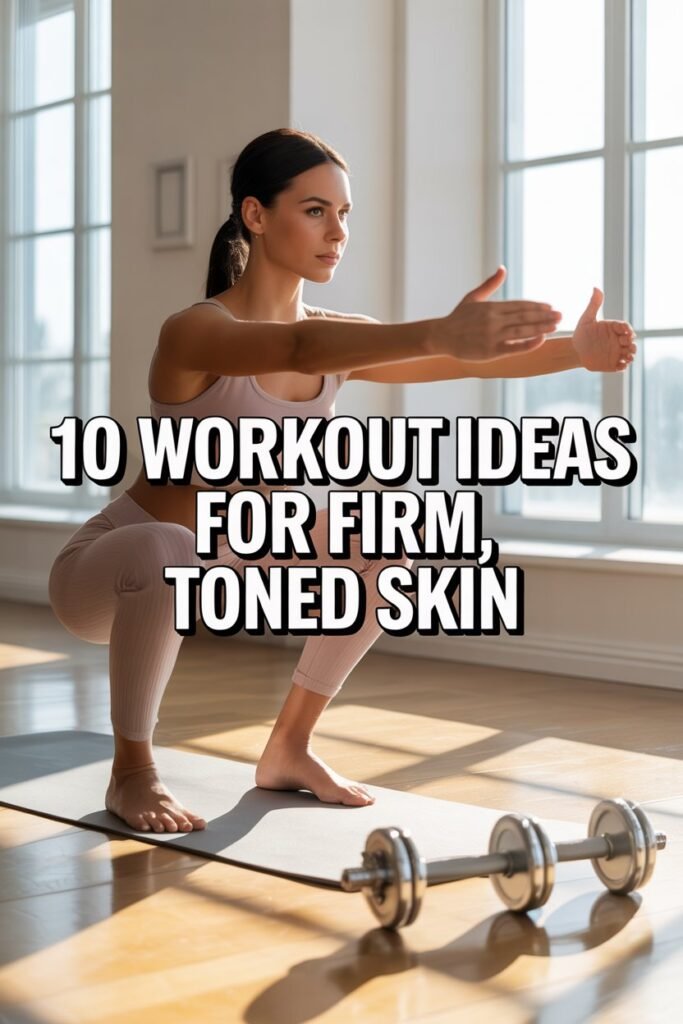
It is not about quick fixes or extreme routines. It is about consistency, movement, and building strength in a way your body can maintain.
This guide breaks down simple, realistic workouts you can do at home or in the gym to support a firmer, more toned appearance naturally.
Disclaimer: This post may contain affiliate links, which means I may earn a small commission at no extra cost to you. Exercise can support overall fitness, muscle tone, and healthy skin appearance, but results vary by individual. Always consult a qualified healthcare or fitness professional before starting a new exercise routine.
Amazon Shopping List: Workout Ideas for Firm Skin
- Adjustable Dumbbell Set
- Resistance Bands Set (Light, Medium & Heavy)
- Non-Slip Exercise Yoga Mat
- Adjustable Kettlebell
- Jump Rope for Cardio Workouts
- Fitness Tracker Watch (Activity & Heart Rate Monitoring)
- Workout Water Bottle (Large Capacity, Leakproof)
Why Workouts Can Support Firmer-Looking Skin
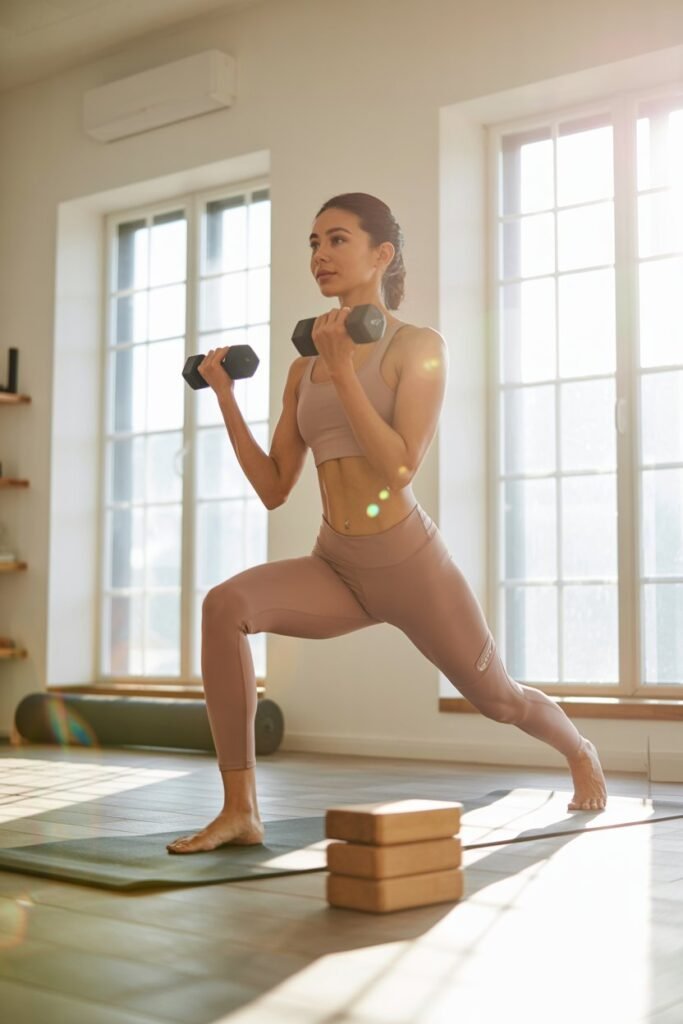
Before jumping into the exercises, it helps to understand why movement matters.
Exercise supports the body in several ways:
- Improves blood circulation
- Supports muscle tone underneath the skin
- Helps maintain healthy body composition
- Encourages better oxygen flow to tissues
- Supports overall skin appearance over time
When muscles become stronger and more defined, the skin above them often appears smoother and firmer because it has better support.
Here Are the 12 Best Workout Ideas for Firm, Toned Skin
Here are the 12 best workout ideas you can add to your routine to help support a firmer, more toned appearance over time.
These simple exercises focus on building strength, improving circulation, and supporting overall body tone, making them easy to follow whether you are a beginner or already active.
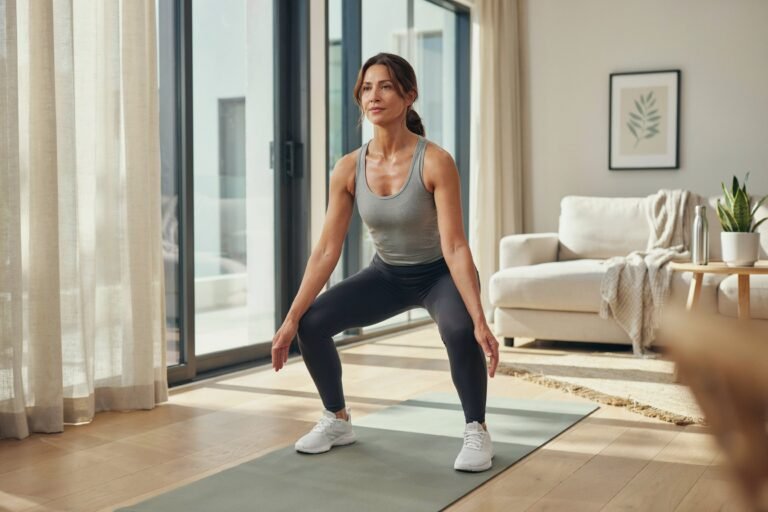
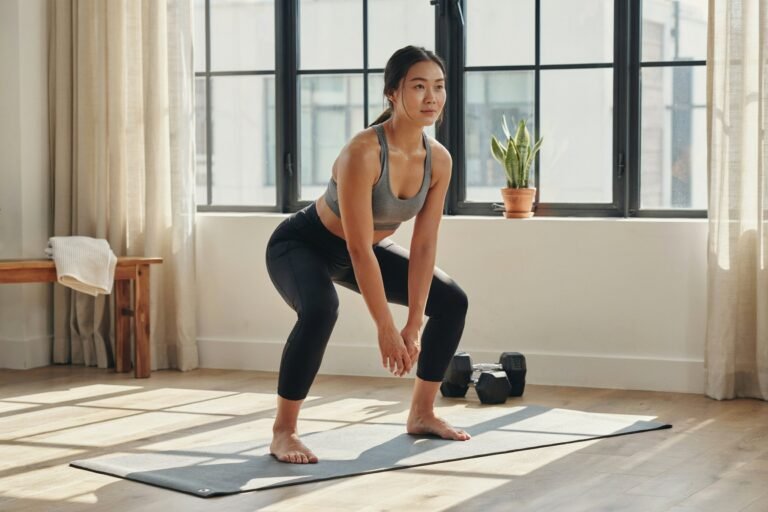
1. Squats for Strong, Toned Lower Body Support
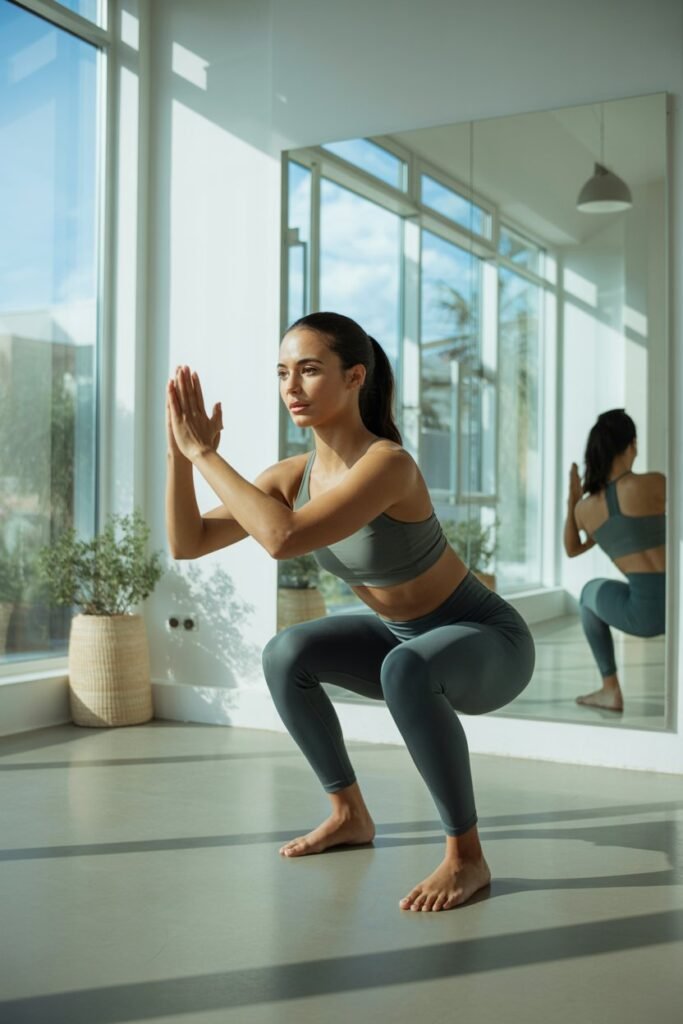
Squats are one of those simple but powerful movements that help build strength in the lower body over time.
When I first started doing them, I underestimated how effective they were because they look basic. But consistency changes everything.
Squats mainly target your thighs, glutes, and lower body muscles, helping to build a stronger foundation underneath the skin.
As these muscles become more toned, the overall appearance of the legs and hips can look firmer and more lifted.
How to do it properly:
- Stand with your feet shoulder-width apart
- Keep your chest upright and core engaged
- Lower your body as if sitting back into a chair
- Make sure your knees stay aligned with your toes
- Push through your heels to return to standing
Beginner tip: Start with shallow squats and slowly increase depth as your strength improves.
Why it helps:
- Builds lower body strength and tone
- Supports a more lifted appearance in the glutes
- Improves balance and posture over time
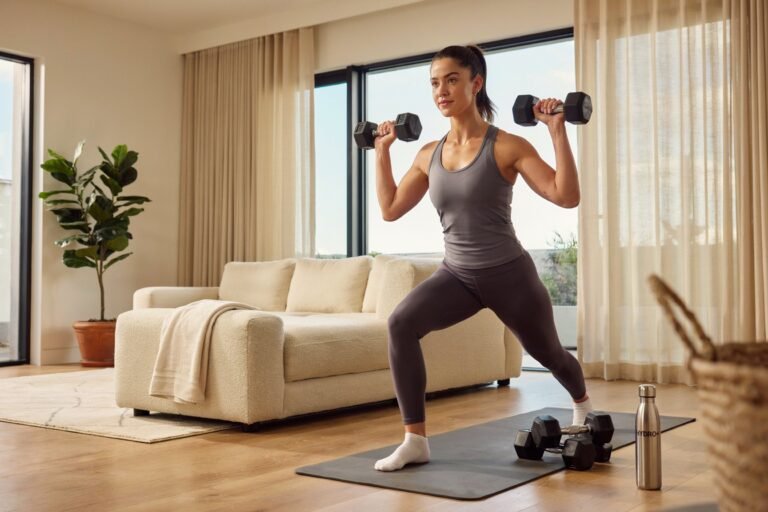
2. Lunges for Balanced Leg Toning and Shape
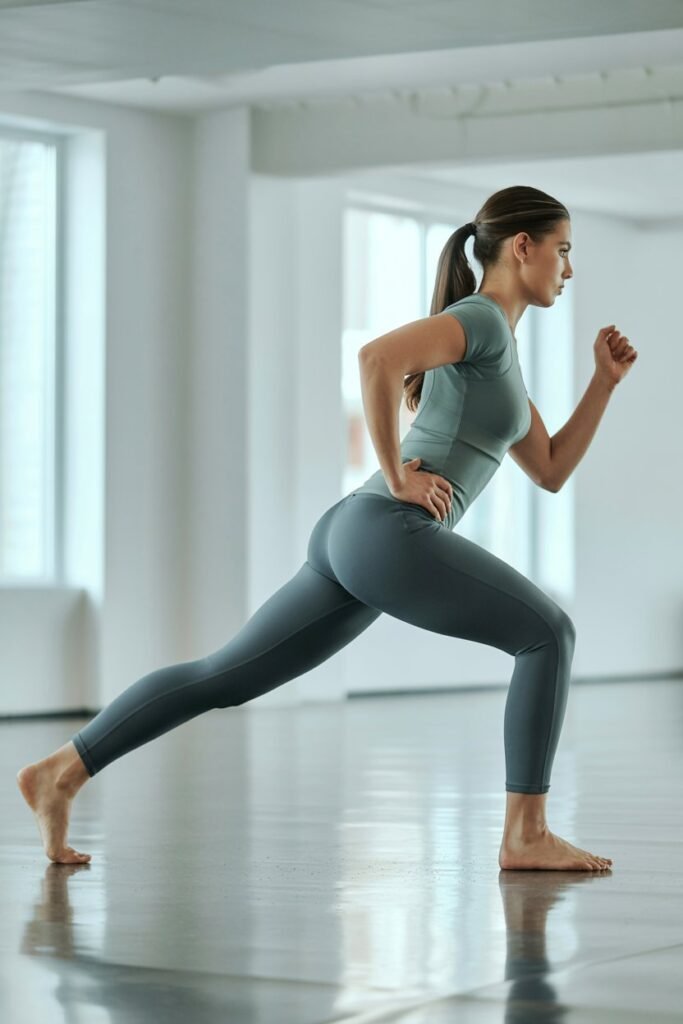
Lunges are another effective lower-body exercise that helps you work each leg individually.
This makes them great for improving balance, coordination, and muscle symmetry.
At first, lunges can feel a bit challenging, but they quickly become easier with practice.
They target the thighs, glutes, and calves while also engaging your core for stability. Over time, this helps the legs look more shaped and balanced.
How to do it properly:
- Stand tall with your feet hip-width apart
- Step one leg forward
- Lower your back knee toward the floor in a controlled motion
- Keep your upper body straight and stable
- Push back to the starting position and switch legs
Beginner tip: Take smaller steps at first to maintain balance and control.
Why it helps:
- Strengthens and tones both legs evenly
- Improves body balance and coordination
- Supports a more defined lower-body shape over time
3. Push-Ups for Upper Body Strength and Toning
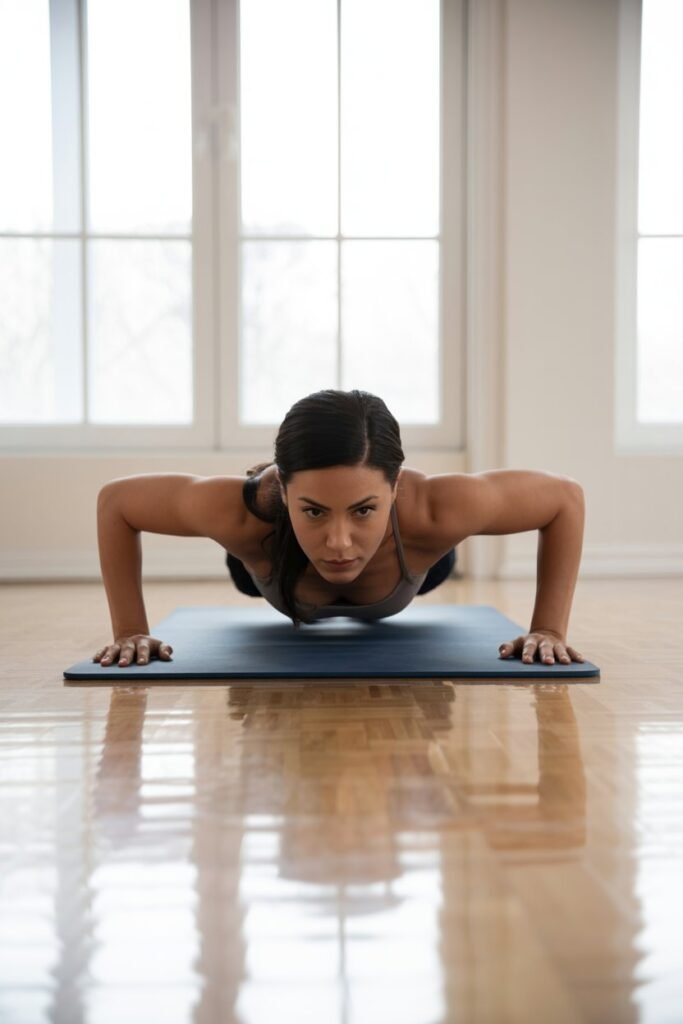
Push-ups are one of the most effective bodyweight exercises for building upper body strength.
At first, they can feel difficult, but even small sets done consistently can create noticeable improvements over time.
This exercise works your chest, shoulders, arms, and also engages your core.
As these muscles become stronger and more defined, the upper body can start to look more toned and supported, which contributes to a firmer overall appearance.
How to do it properly:
- Start in a high plank position with hands under your shoulders
- Keep your body in a straight line from head to heels
- Lower your chest slowly toward the floor
- Push back up without letting your hips drop
- Keep movements controlled, not rushed
Beginner tip: Start with knee push-ups or wall push-ups if full push-ups are too challenging.
Why it helps:
- Strengthens and tones arms, chest, and shoulders
- Improves upper body control and posture
- Builds foundational body strength over time
4. Plank for Core Strength and Full Body Stability
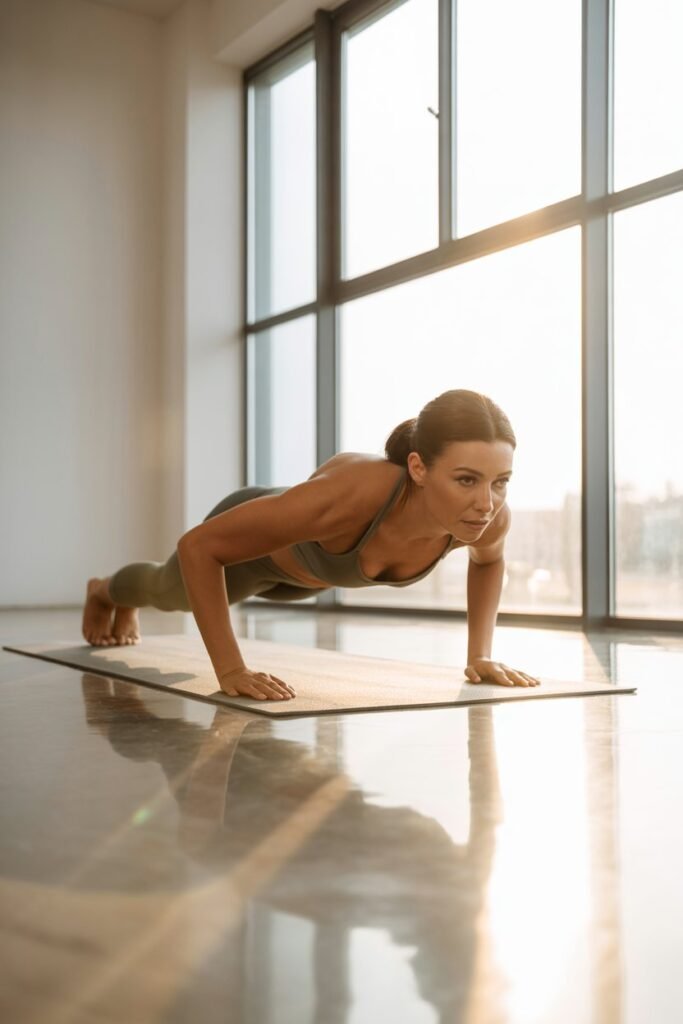
The plank is a simple exercise, but it works almost every part of your body at once.
It is especially effective for strengthening your core, which plays a major role in posture and overall body stability.
When your core is stronger, your body naturally stands and moves better, which can improve the way your body looks and feels overall.
It also helps support the muscles underneath your skin, contributing to a more firm and controlled appearance.
How to do it properly:
- Place your forearms on the floor with elbows under shoulders
- Extend your legs behind you and keep your body straight
- Engage your stomach muscles
- Avoid letting your hips drop or rise too high
- Hold the position while breathing steadily
Beginner tip: Start with 15–20 seconds and slowly increase your time as you get stronger.
Why it helps:
- Strengthens core muscles and stability
- Improves posture and body alignment
- Supports full-body muscle engagement and control
5. Glute Bridges for Lower Body Lift and Activation
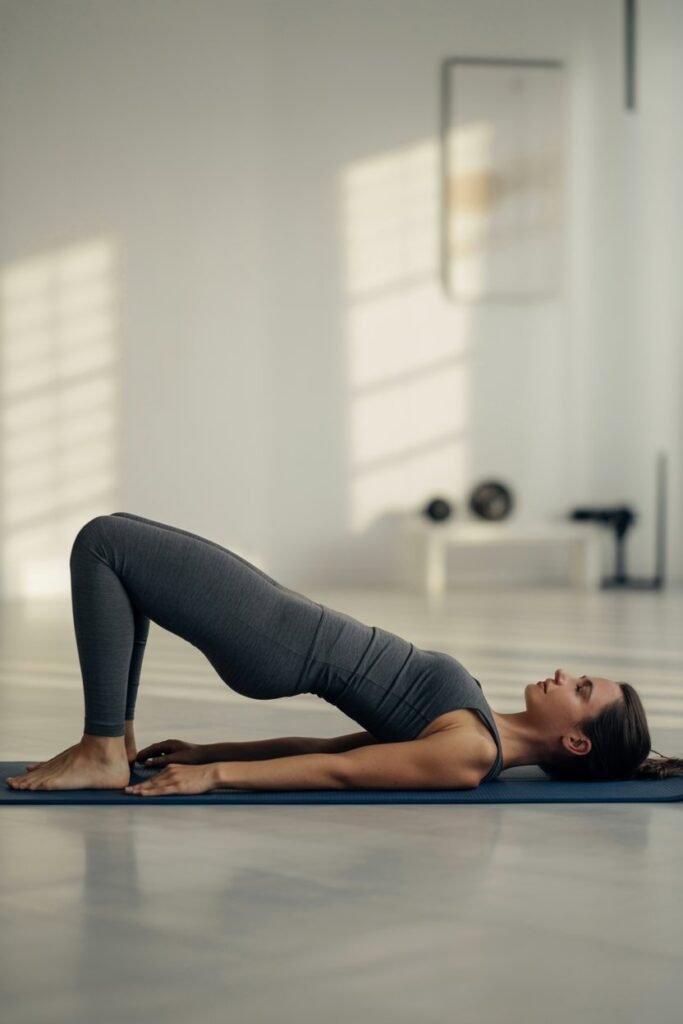
Glute bridges are a simple but very effective exercise for activating the muscles in your lower body, especially the glutes and lower back.
When I first tried them, I realized how much difference controlled movements can make compared to fast, unfocused workouts.
This exercise helps “wake up” the glute muscles, which are often underused from sitting too much.
Over time, stronger and more active glutes can improve lower body shape, posture, and overall balance.
How to do it properly:
- Lie flat on your back with your knees bent and feet planted on the floor
- Keep your arms relaxed by your sides
- Push through your heels to lift your hips upward
- Squeeze your glutes at the top of the movement
- Lower your hips slowly back down
Beginner tip: Focus on slow, controlled lifts instead of speed for better muscle activation.
Why it helps:
- Strengthens and activates glute muscles
- Supports lower body tone and shape
- Helps improve posture and hip stability
6. Jump Rope for Full Body Activation and Circulation
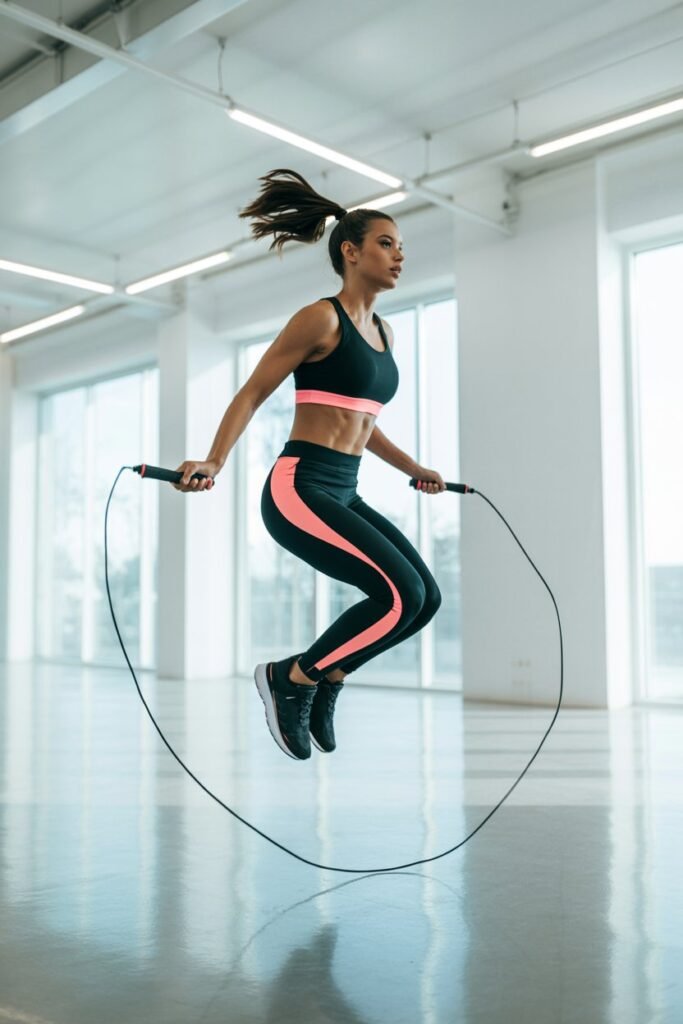
Jump rope is one of the simplest cardio workouts you can do, but it is also one of the most effective for full-body movement. It gets your heart rate up quickly and helps improve circulation throughout the body.
When your circulation improves, more oxygen and nutrients are delivered through your body, which supports overall health and can contribute to a more energized and refreshed appearance over time.
How to do it properly:
- Hold the rope with relaxed shoulders
- Keep your jumps small and controlled
- Land softly on the balls of your feet
- Maintain a steady rhythm
- Start with short intervals and rest in between
Beginner tip: Start with 30 seconds of jumping and gradually increase your time as your stamina improves.
Why it helps:
- Improves blood circulation and endurance
- Supports calorie burn and full-body movement
- Helps increase energy and overall fitness levels
7. Yoga for Flexibility, Stress Relief, and Body Balance
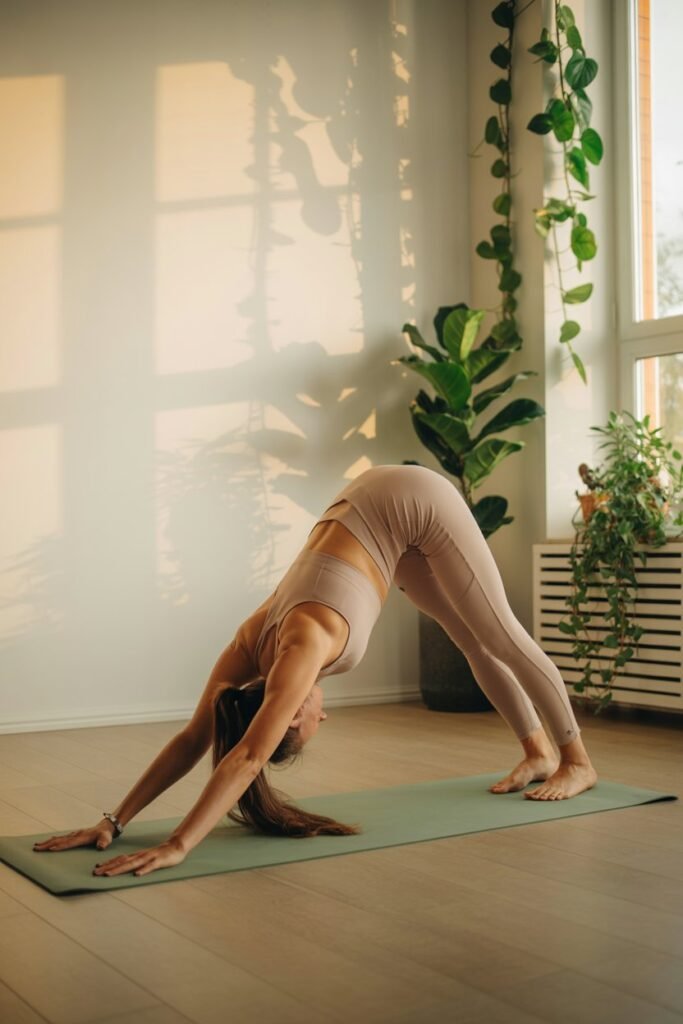
Yoga is one of those workouts that supports both the body and mind at the same time.
When I first started, I noticed it wasn’t just about stretching—it also helped me feel more relaxed and aware of how I carry my body throughout the day.
Regular yoga practice helps improve flexibility, posture, and blood flow.
Over time, better posture and reduced tension can make the body look more aligned and balanced, which contributes to a more toned appearance.
How to do it properly:
- Start with slow, simple poses
- Focus on steady breathing throughout each movement
- Hold each pose for 20–40 seconds
- Move gently between positions without rushing
Beginner-friendly poses:
- Child’s pose
- Downward dog
- Cobra pose
- Warrior pose
Beginner tip: Even 10–15 minutes a day can make a difference if done consistently.
Why it helps:
- Improves flexibility and posture
- Supports better blood circulation
- Helps reduce stress and muscle tension
8. Walking for Daily Fat Burn and Natural Body Toning

Walking is one of the most underrated workouts, but it is also one of the easiest to stick with long-term.
When I started adding more walking into my routine, I realized how much it helped with overall energy and consistency compared to more intense workouts I struggled to maintain.
Walking supports steady movement throughout the day, helping your body stay active without putting too much stress on your joints.
Over time, it contributes to a leaner, more toned appearance when combined with other exercises.
How to do it properly:
- Walk at a comfortable but steady pace
- Keep your shoulders relaxed and posture upright
- Swing your arms naturally
- Aim for 20–45 minutes per day
- Break it into shorter sessions if needed
Beginner tip: Start with 10–15 minutes daily and gradually increase your time.
Why it helps:
- Supports calorie burn and fat metabolism
- Improves circulation and stamina
- Encourages consistent daily movement for better results
9. Resistance Band Workouts for Lean Muscle Toning
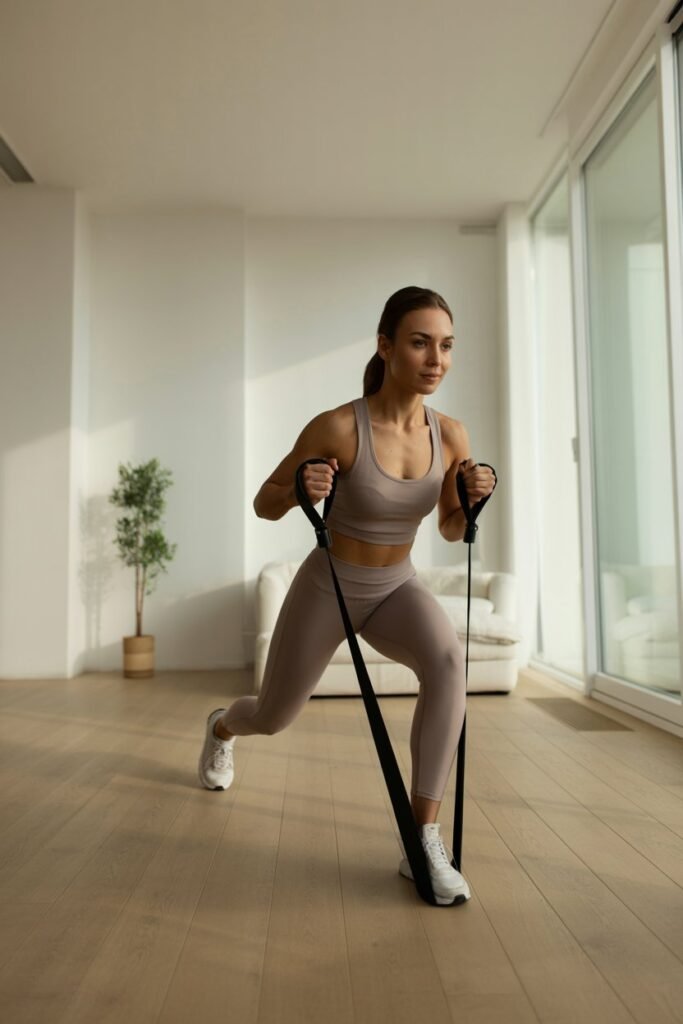
Resistance bands are one of the easiest tools you can use to build strength without heavy gym equipment.
I like them because they are simple, affordable, and can be used anywhere at home.
These bands create tension during movement, which helps activate and strengthen muscles more effectively.
Over time, this can support a more toned and firm appearance, especially when used consistently.
How to use resistance bands properly:
- Keep movements slow and controlled
- Maintain tension in the band throughout each exercise
- Focus on proper form instead of speed
- Start with light resistance and progress gradually
Simple resistance band exercises:
- Band squats
- Glute kickbacks
- Arm pulls
- Side leg raises
Beginner tip: Start with 10–12 repetitions per exercise and increase gradually as you get stronger.
Why it helps:
- Builds lean muscle tone
- Improves muscle activation
- Can be done at home with minimal equipment
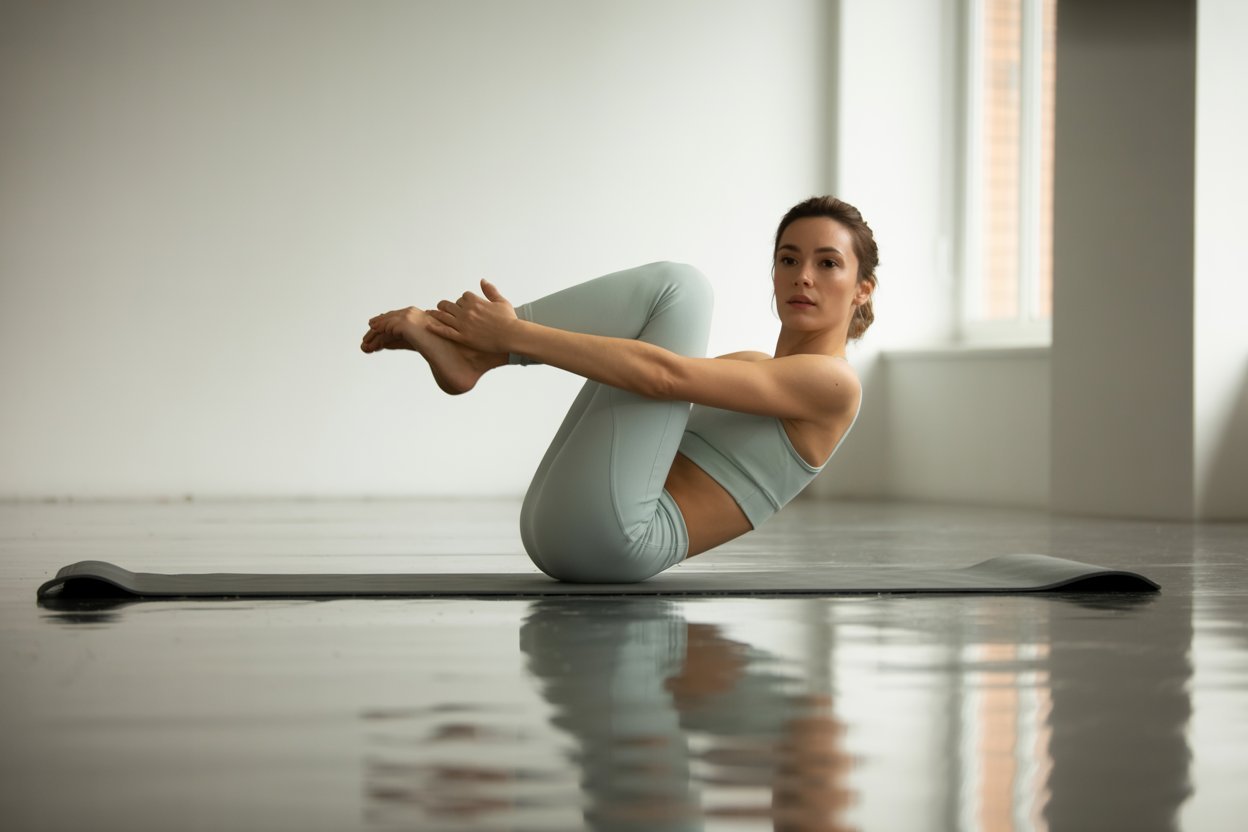
10. Core Workouts for Strength, Stability, and Body Control
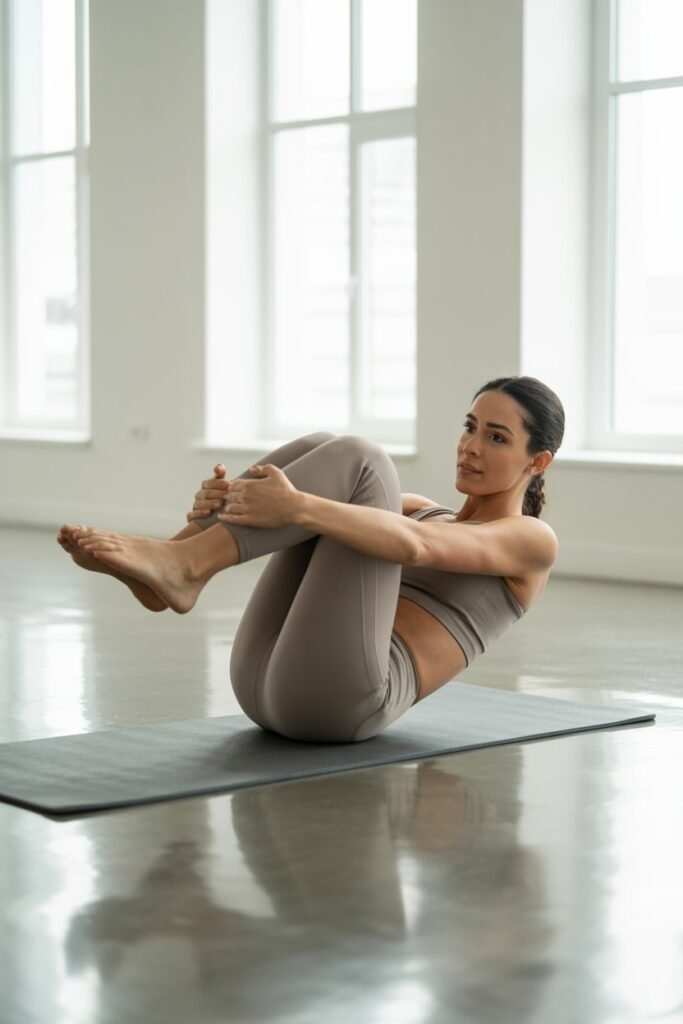
Core workouts are essential because your core is the center of almost every movement your body makes.
When I started focusing more on core strength, I noticed improvements not just in workouts, but also in posture and balance throughout the day.
A strong core helps support the entire body, making movement more controlled and stable.
Over time, this can contribute to a more toned appearance because your body feels more supported and aligned.
How to do core workouts properly:
- Move slowly and with control
- Engage your stomach muscles throughout each exercise
- Avoid rushing repetitions
- Focus on quality over quantity
Effective core exercises:
- Crunches
- Leg raises
- Bicycle kicks
- Mountain climbers
Beginner tip: Start with short sets (10–15 reps) and rest between rounds.
Why it helps:
- Strengthens abdominal muscles
- Improves posture and balance
- Supports overall body stability and control
11. Full Body Workout Routine for Overall Tone and Firmness
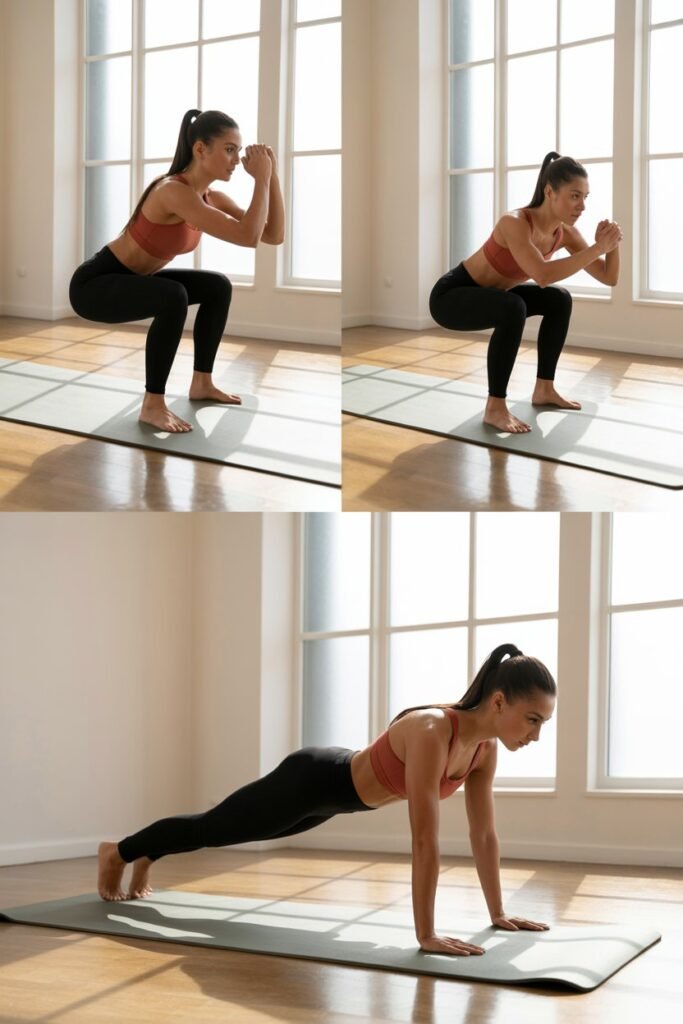
A full body workout routine brings everything together by training multiple muscle groups in one session.
I like this approach because it feels more balanced and efficient, especially on busy days when I don’t have time to isolate each body part.
Full body workouts help improve overall muscle tone, strength, and coordination.
When your entire body is engaged regularly, it supports a more balanced and firm appearance over time because no area is being neglected.
How to do it properly:
- Combine upper, lower, and core exercises in one session
- Move through exercises with controlled form
- Rest briefly between sets when needed
- Focus on consistency rather than intensity
Simple full body circuit example:
- Squats
- Push-ups
- Lunges
- Plank
- Jump rope
Beginner tip: Start with 2–3 rounds of the circuit and increase gradually as your stamina improves.
Why it helps:
- Engages multiple muscle groups at once
- Improves overall strength and coordination
- Supports balanced body tone and fitness
12. Eat Nutrient-Dense Foods to Support Recovery and Muscle Health
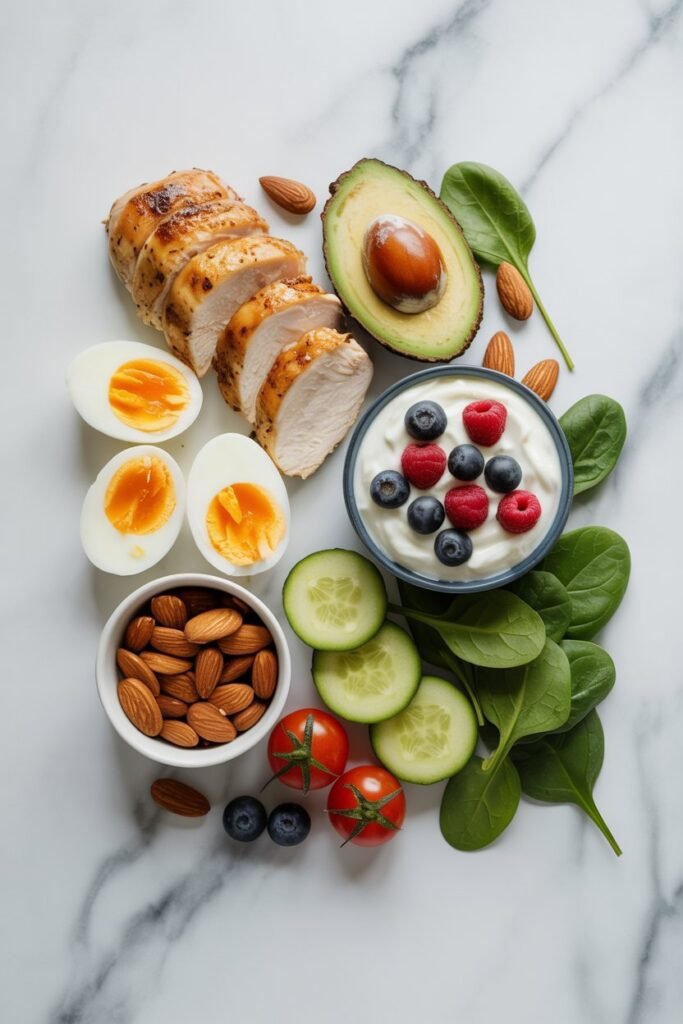
Exercise alone is not enough for visible results—your body also needs proper nutrition to recover and build strength.
When I started paying more attention to what I eat after workouts, I noticed I felt less tired and more consistent with my routine.
Nutrient-dense foods provide the vitamins, minerals, protein, and healthy fats your body needs to repair muscles and maintain energy levels.
This helps support the results you are working toward from your workouts.
Foods that support recovery and strength include:
- Eggs
- Chicken
- Fish
- Greek yogurt
- Leafy greens
- Fruits like berries and oranges
- Nuts and seeds
- Whole grains
Simple post-workout meal ideas:
- Grilled chicken with vegetables and brown rice
- Greek yogurt with berries and nuts
- Eggs with avocado and whole grain toast
- Smoothie with fruit, yogurt, and seeds
Beginner tip: Try to eat a balanced meal within a few hours after your workout for better recovery.
Why it helps:
- Supports muscle repair and recovery
- Helps maintain energy levels
- Enhances overall workout results over time
How Often Should You Work Out for Better Results?
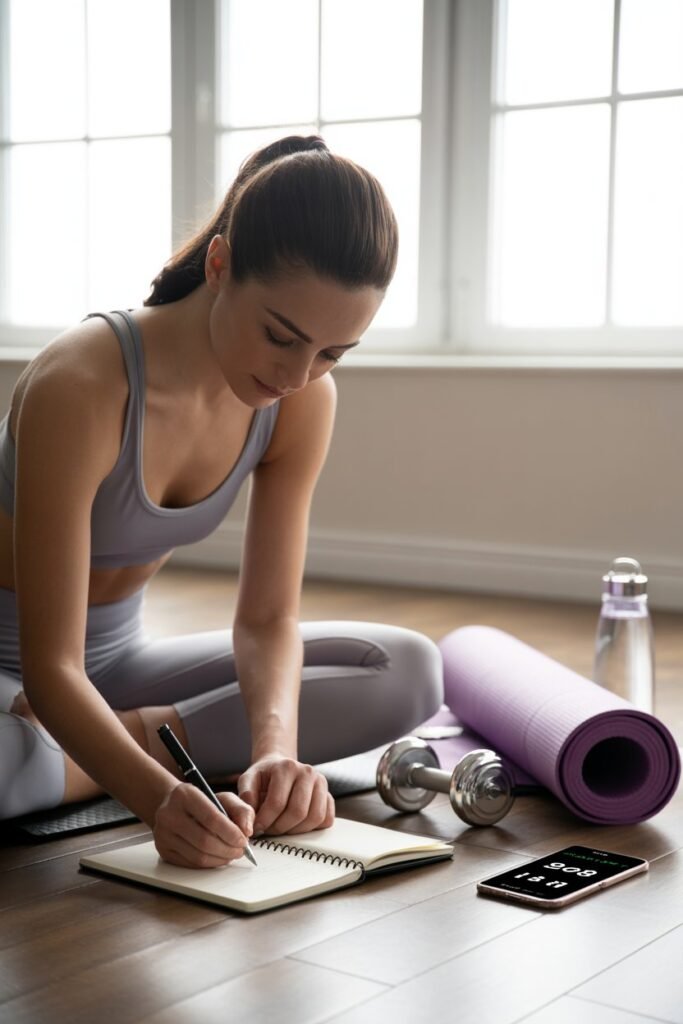
You do not need extreme routines. Consistency matters more than intensity.
Simple weekly plan:
- 3–5 days strength training
- 2–3 days light cardio (walking, jump rope)
- 1–2 rest days
Even 20–30 minutes per day can make a difference over time.
Lifestyle Habits That Support Firm Skin

Workouts work best when combined with healthy habits:
- Drink enough water daily
- Eat enough protein
- Get good sleep
- Reduce stress when possible
- Avoid long periods of inactivity
Common Mistakes That Slow Results
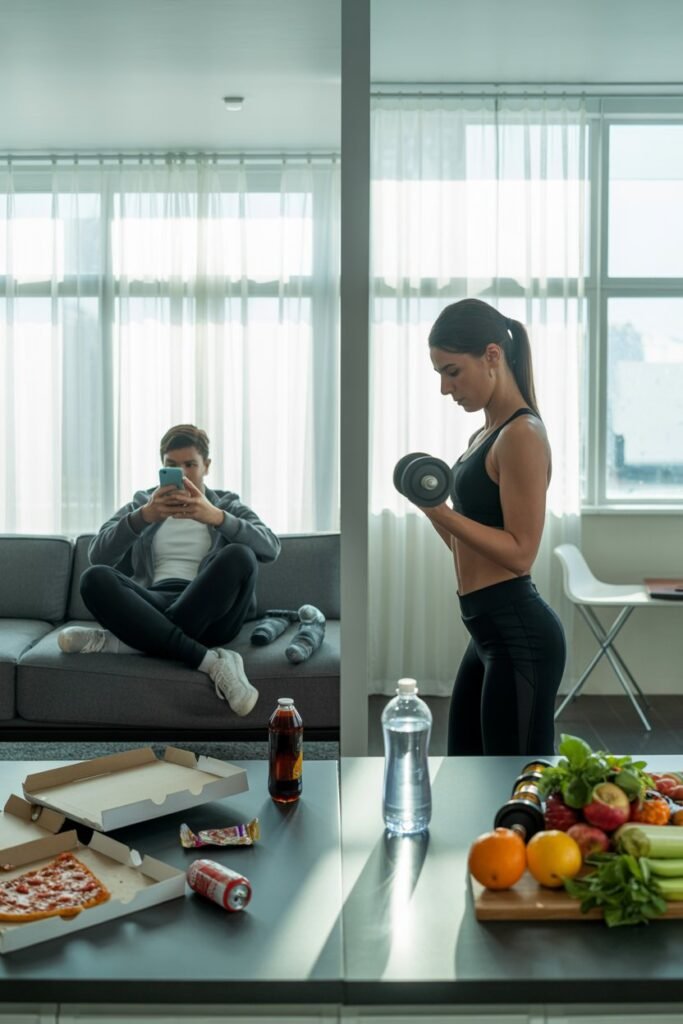
1. Expecting instant changes
Body tone takes time.
2. Only doing cardio
Strength training is important for firmness.
3. Being inconsistent
Results come from repetition.
4. Not eating enough protein
Muscles need nutrients to develop.
5. Poor posture during workouts
Form matters more than speed.
Beginner Weekly Workout Example
Monday: Squats + push-ups + walking
Tuesday: Yoga + core workout
Wednesday: Lunges + glute bridges
Thursday: Rest or light walking
Friday: Resistance band + jump rope
Saturday: Full body workout
Sunday: Rest or stretching
Final Thoughts
Firm, toned-looking skin is not about chasing perfection. It comes from building a stronger body, improving circulation, and staying consistent with movement.
These workouts are simple enough for beginners but effective enough to support long-term results when done regularly.
Start small, stay consistent, and let your body adjust over time instead of rushing the process.